Consultations
Acromegaly
In Station 5 you may be asked to assess a patient with snoring, headaches, change in appearance, or newly diagnosed diabetes with hypertension.
Station Instructions: This 40-year-old man has been referred by his GP with a history of worsening snoring and daytime sleepiness. Please assess him.
Alternative presentations: headache and blurred vision on a background of diabetes and colonic polyps; pain and tingling in the hands with hypertension; thirst and polyuria (new-onset diabetes); rectal bleeding; newly diagnosed diabetes with hypertension.
1. Key History-Taking Points
Presenting Complaint — Snoring / Obstructive Sleep Apnoea
- Timing: since when, getting worse, previous episodes
- Apnoeic episodes: does breathing stop during sleep? For how long? (witnessed by partner?)
- Waking: waking up choking, gasping, or unrefreshed
- Morning headache (hypercapnia from nocturnal hypoventilation)
- Daytime somnolence: falling asleep at work, driving, or watching TV; Epworth Sleepiness Scale >9 = significant
- Concentration and memory
- Impact on life — work, relationships, quality of life
- Driving: must advise to stop driving if excessive daytime sleepiness
- Collar size, weight, alcohol consumption: aggravating factors for OSA
Acromegaly — Change in Appearance
- Change in shoe size, ring size, hat size — often noticed gradually over years
- Change in facial appearance — patient or family notice a change in photos?
- Voice change — deeper, coarser voice (macroglossia, laryngeal changes)
- Ill-fitting dentures — prognathism causing malocclusion
Acromegaly — Disease Activity
- Sweating: excess sweating (a marker of active disease)
- Skin tags (associated with colonic polyp risk)
- Acne, oily skin
- Ankle swelling (fluid retention from GH excess)
Acromegaly — Source (Pituitary Tumour)
- Headache: site, character, severity, duration — direct mass effect of pituitary adenoma
- Visual disturbance: bumping into things, loss of peripheral vision (bitemporal hemianopia from optic chiasm compression), blurring
- Avoid driving if any visual symptoms until formally assessed
Acromegaly — Complications
- Diabetes: thirst, polyuria, weight loss, recurrent infections (GH is counter-regulatory to insulin; 1 in 5 develop diabetes)
- Cardiovascular: hypertension, chest pain, palpitations, SOB, previous MI; full CVS risk factor history — smoking, hypercholesterolaemia (1 in 3 develop hypertension)
- Carpal tunnel syndrome: numbness or tingling in the hands, worse at night
- Osteoarthritis: joint pain, reduced mobility
- Gonadal dysfunction: reduced libido, reduced body hair, erectile dysfunction, testicular atrophy, menstrual irregularity, galactorrhoea/nipple discharge (co-secretion of prolactin)
- GI / colonic: change in bowel habit, rectal bleeding, abdominal pain, kidney stones (MEN1 hypercalcaemia); skin tags and colonic polyps increase colorectal cancer risk
- Proximal myopathy: difficulty rising from a chair, climbing stairs
- Thyroid: symptoms of hypo or hyperthyroidism (thyroid may enlarge; thyroid disease also causes OSA)
Past Medical, Drug & Family History
- PMH: diabetes, hypertension, colonic polyps, kidney stones, previous pituitary or head surgery
- Medications: current treatments for diabetes, hypertension; note any dopamine agonists or somatostatin analogues already prescribed
- Family history: MEN1 (parathyroid, pituitary, pancreatic tumours — remember to check calcium); pituitary tumours; acromegaly is rarely familial but MEN1 must be excluded
- Social: driving, occupation, alcohol
2. Key Examination Findings
Hands
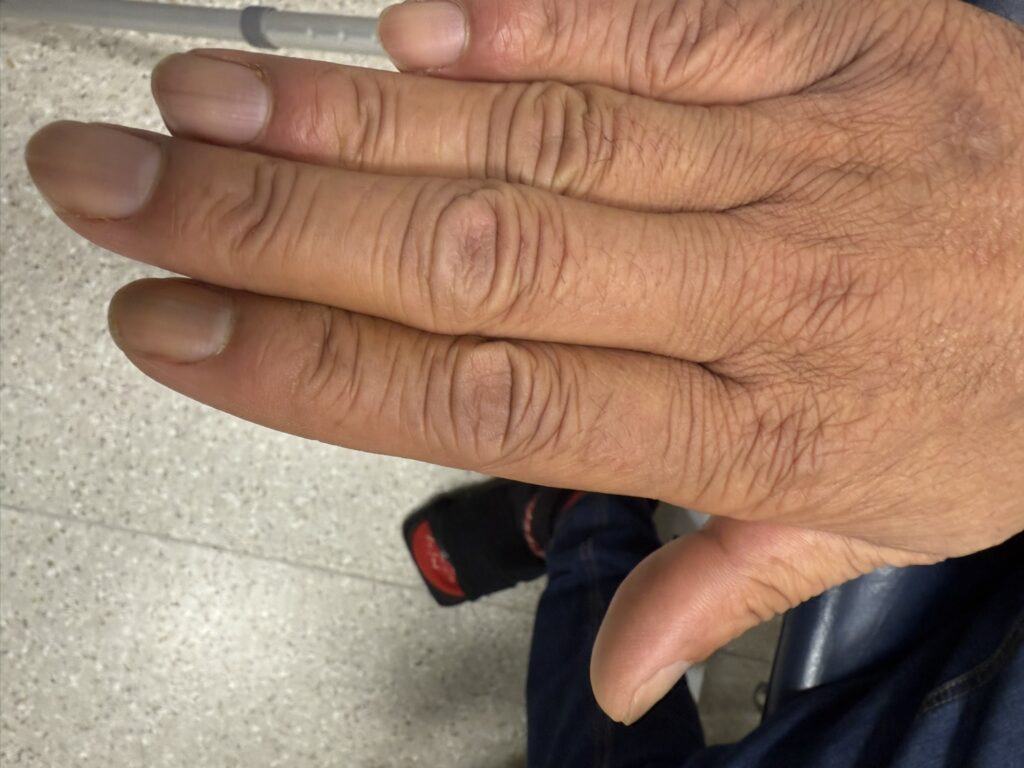
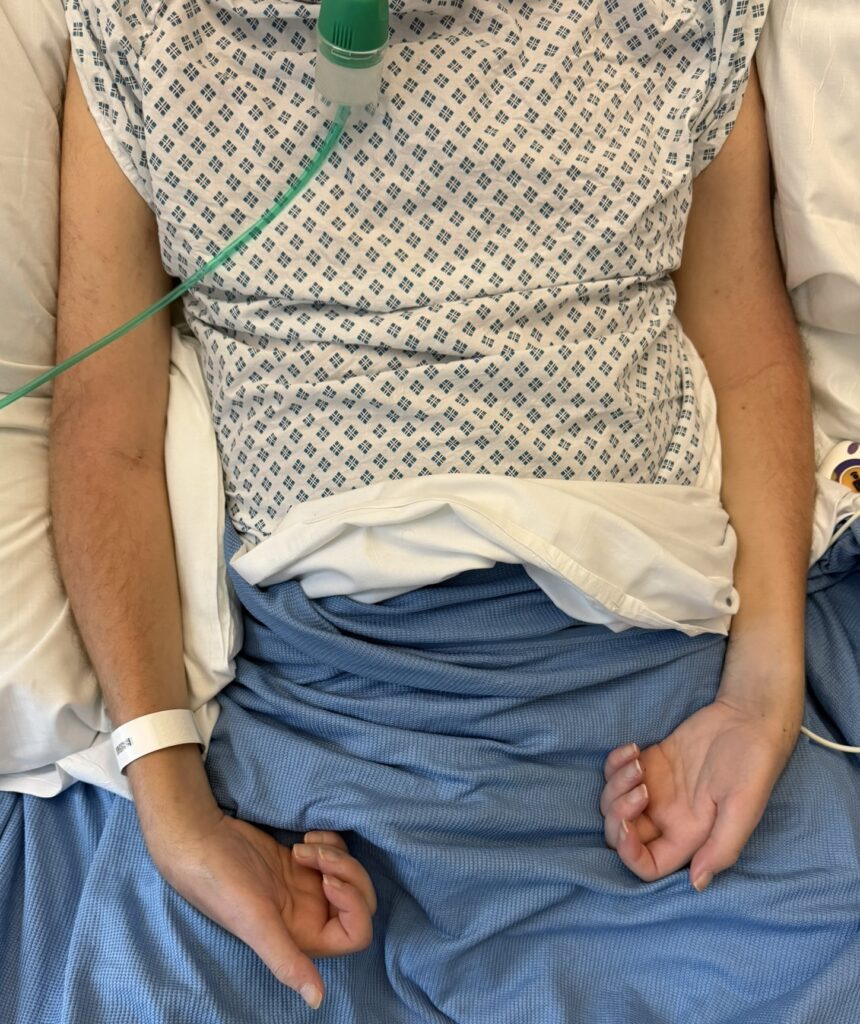
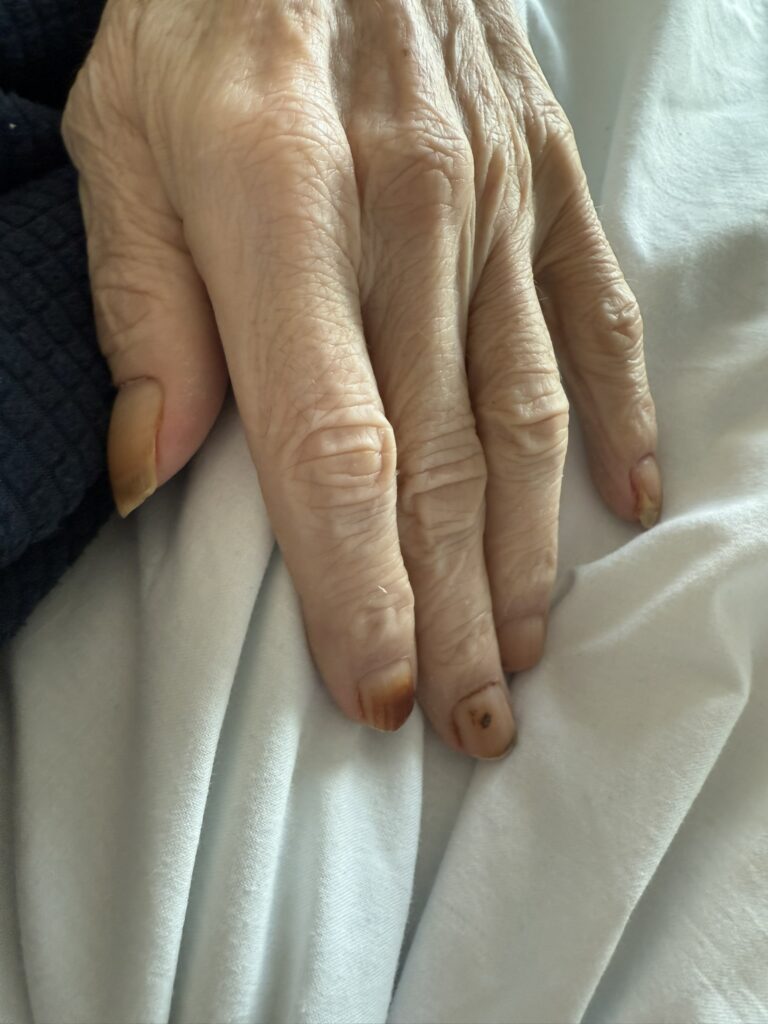
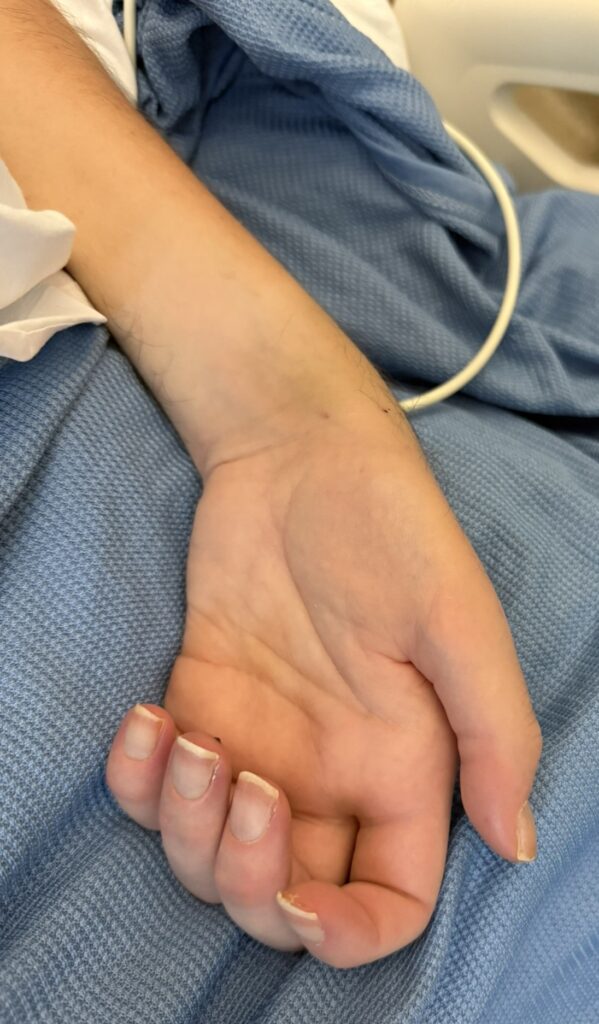
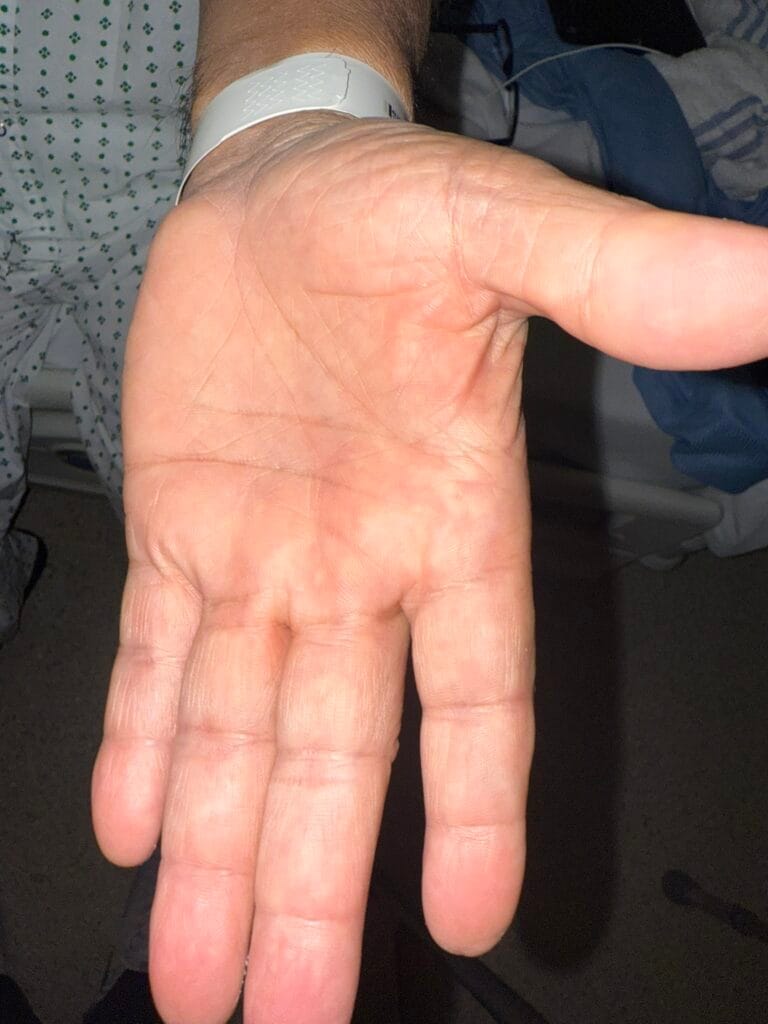
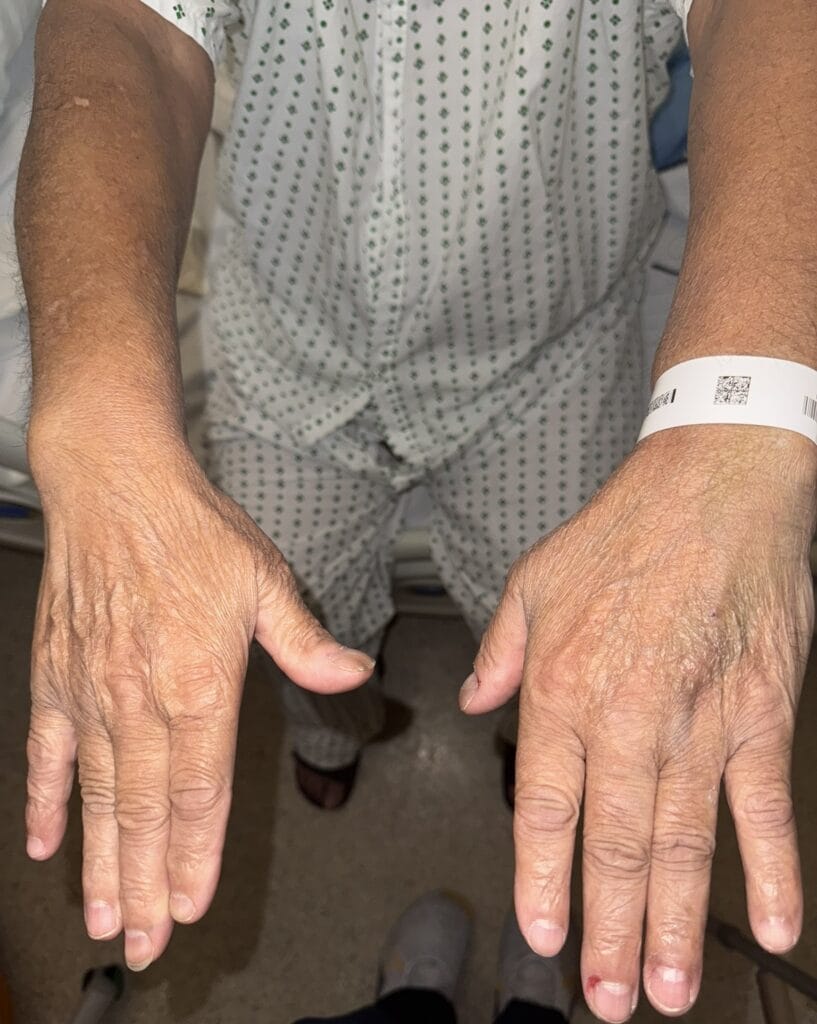
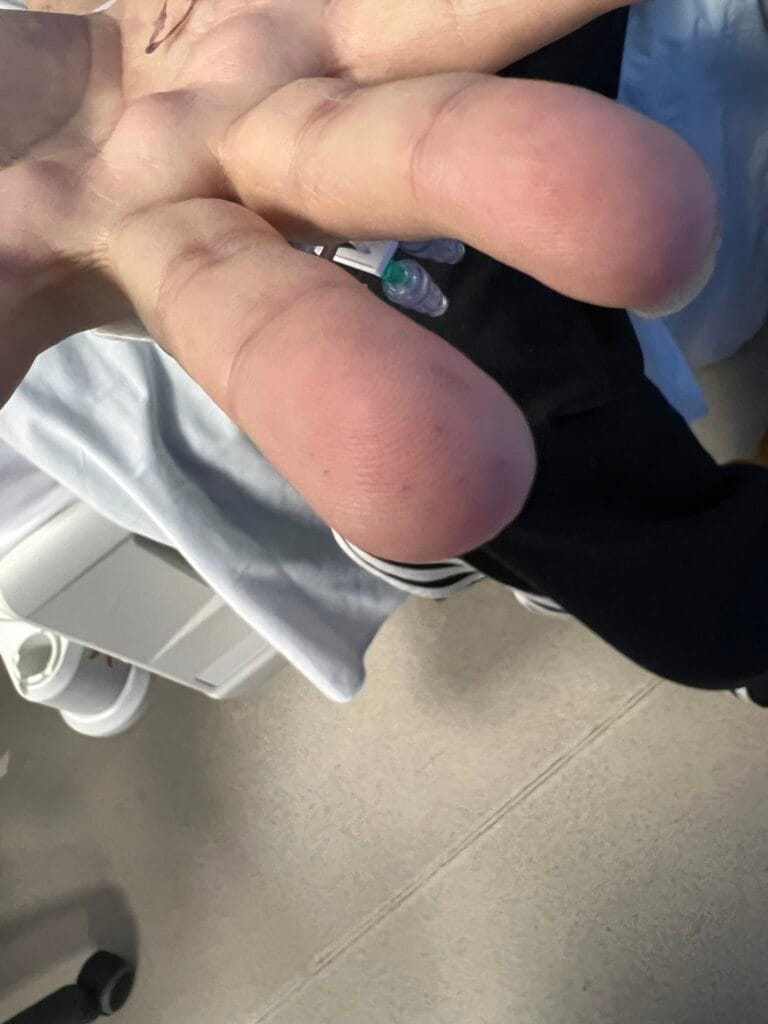
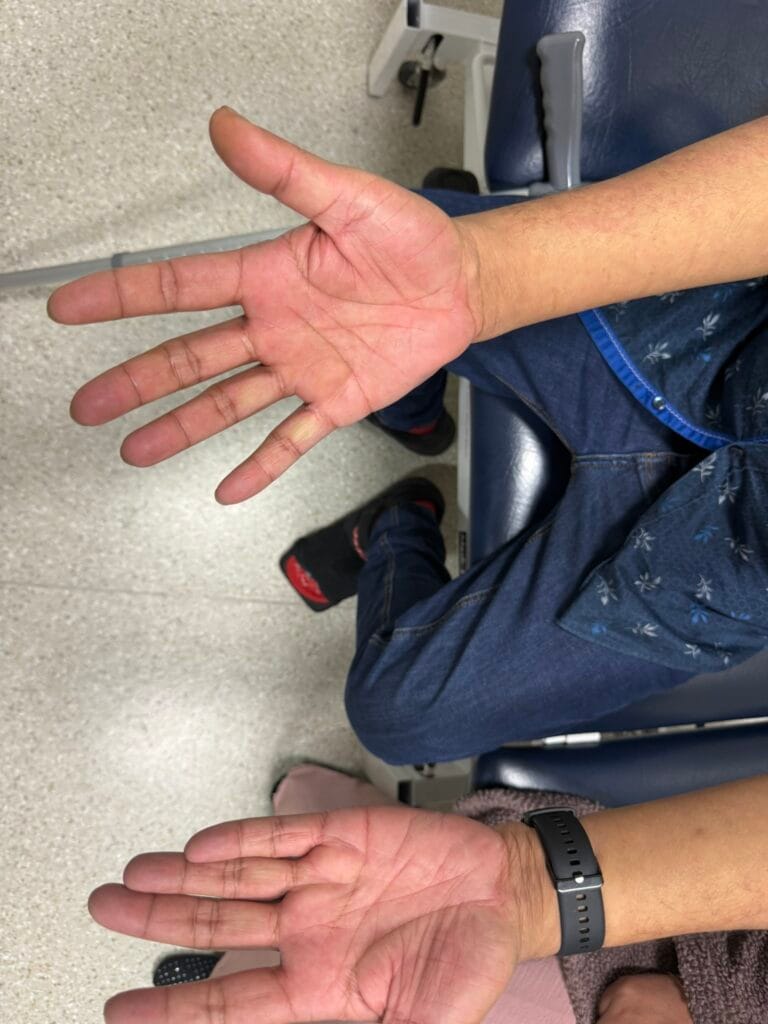
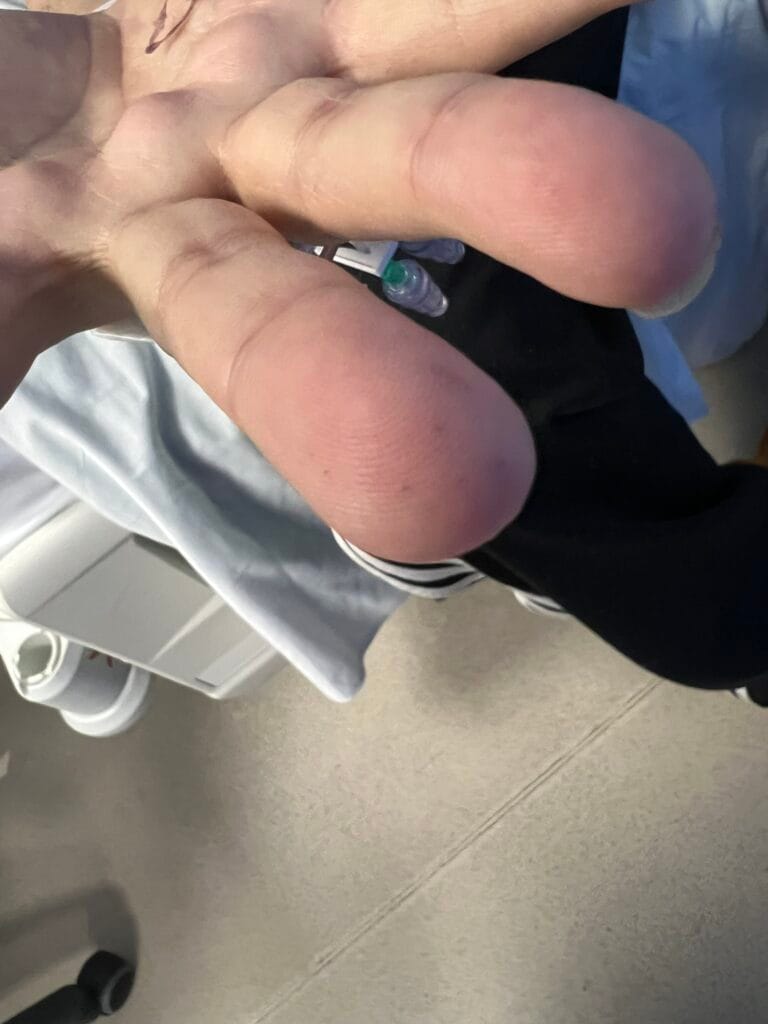
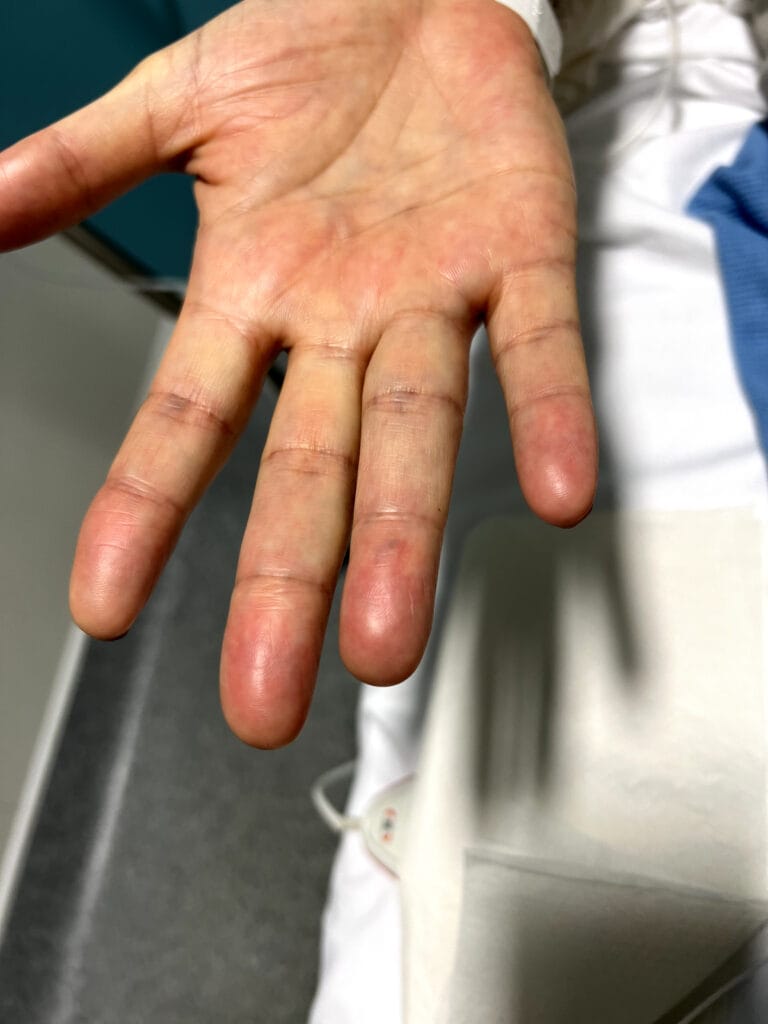
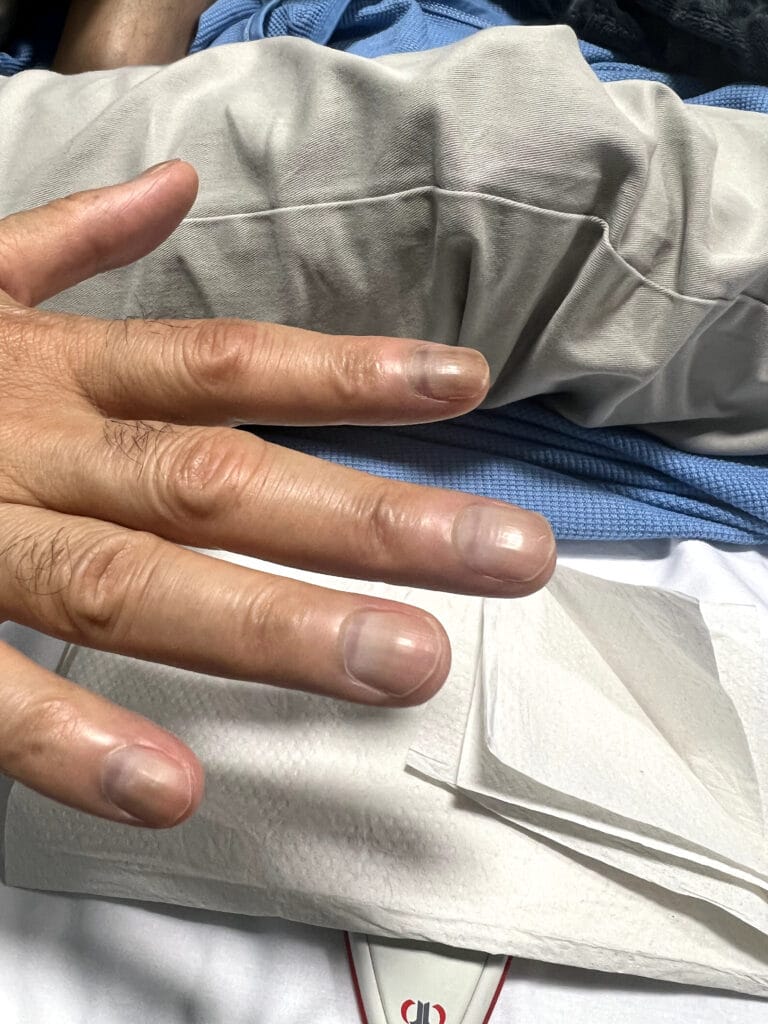
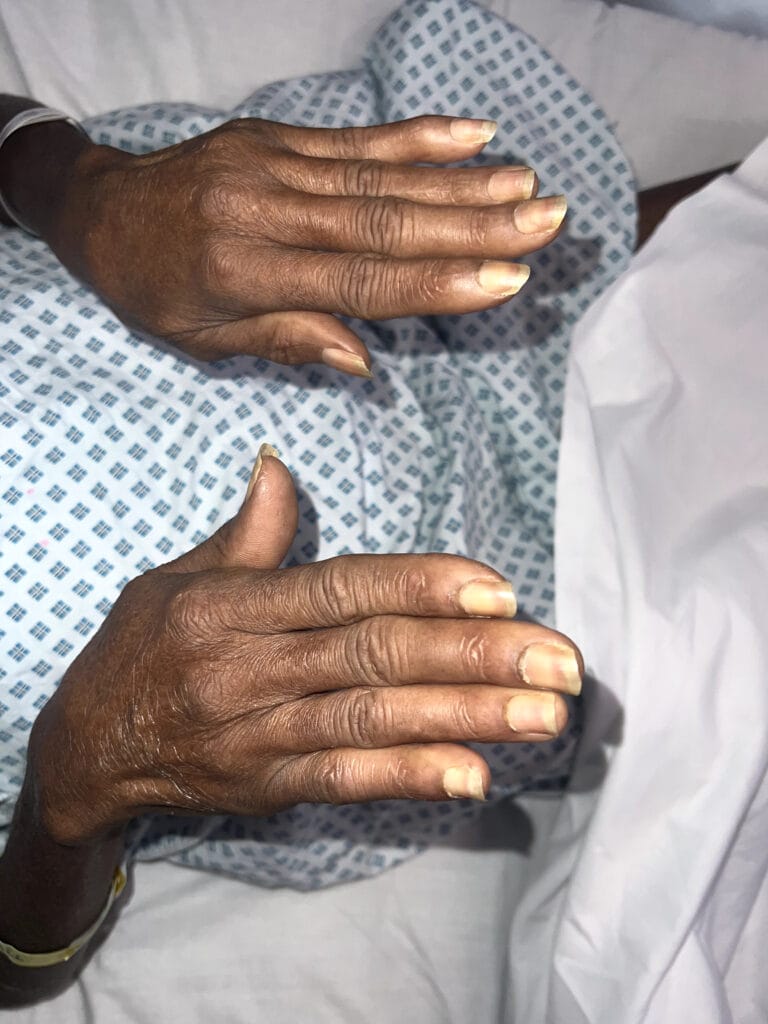
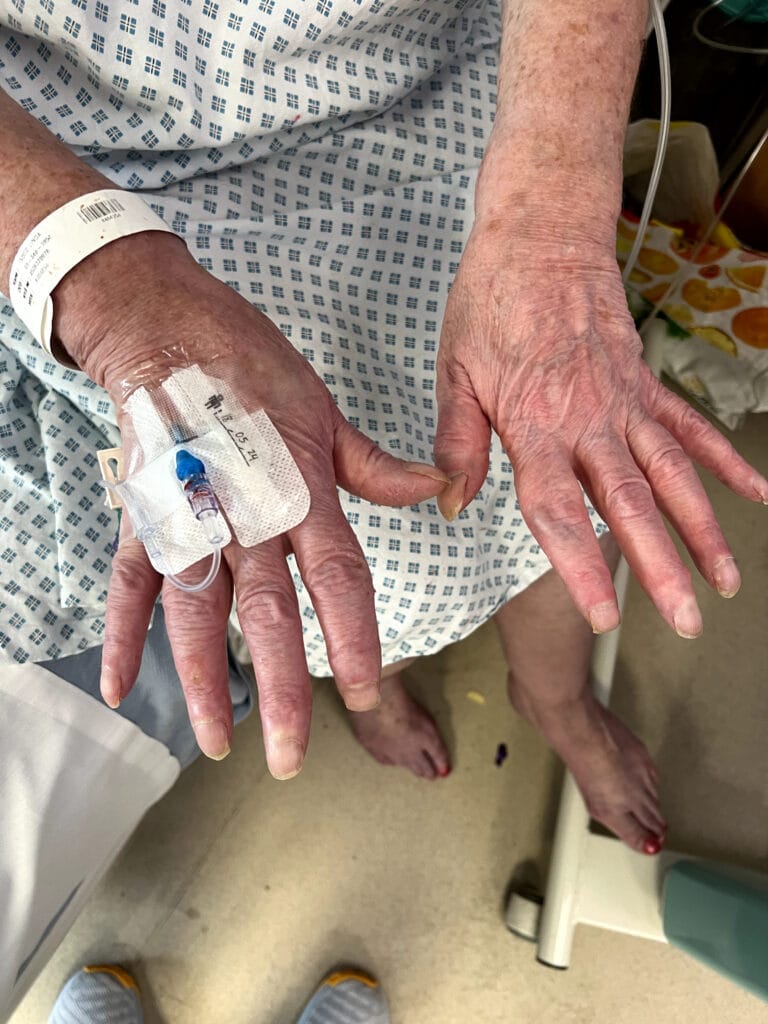
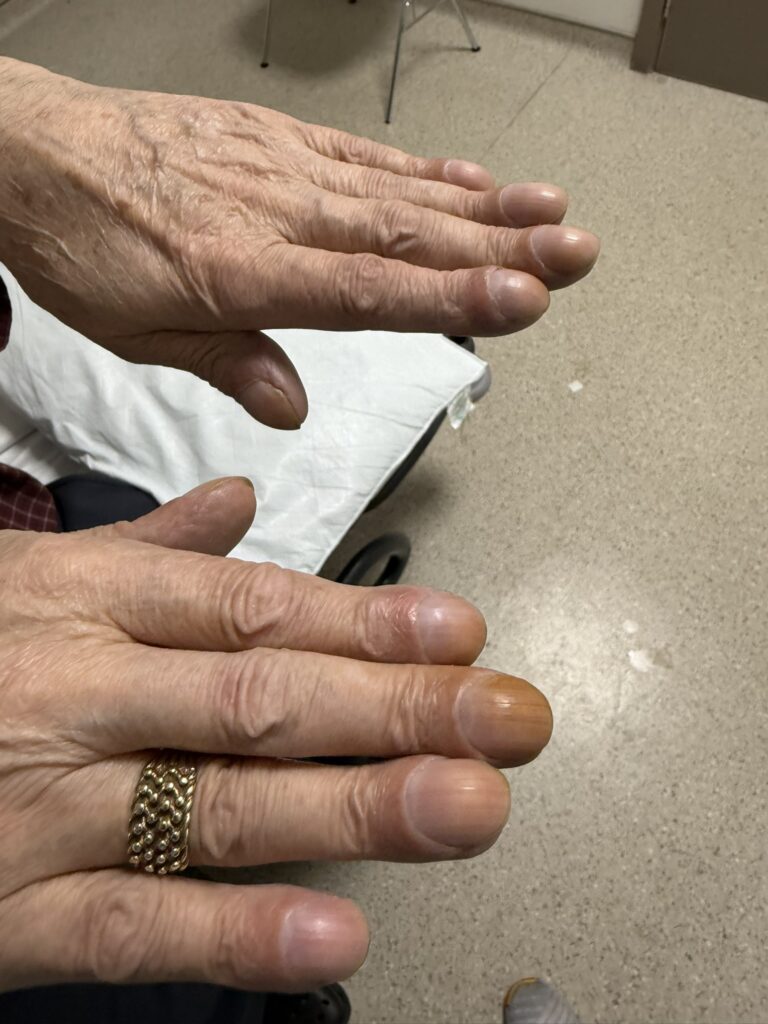
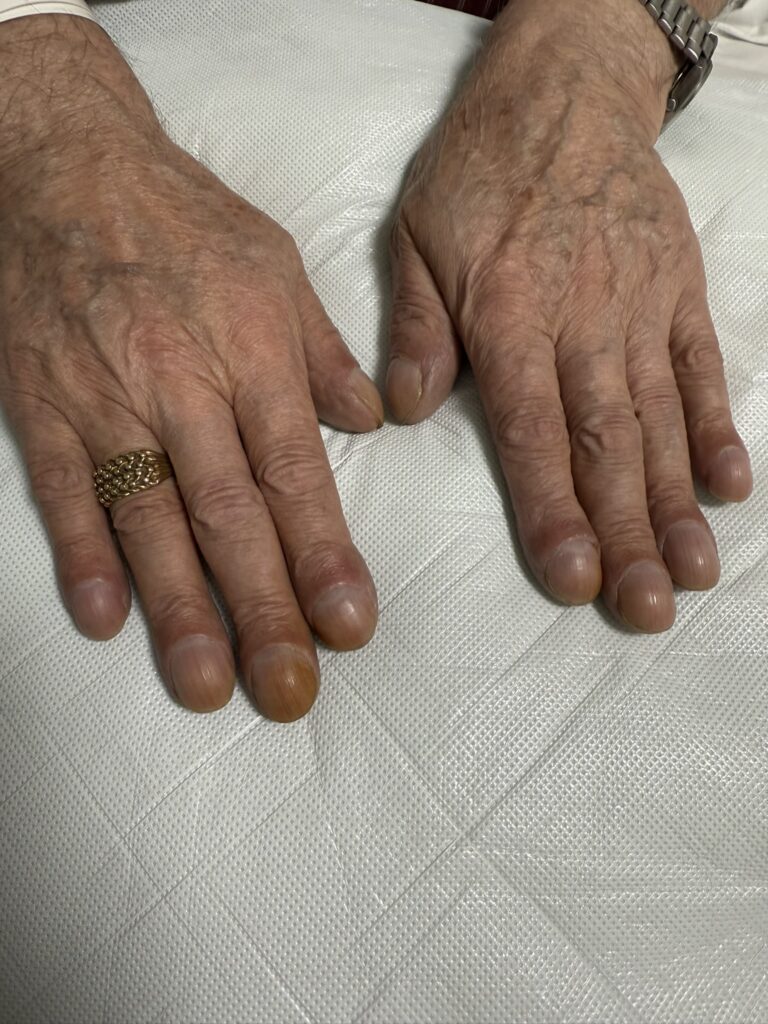
- Large, spade-like hands
- Sweaty palms (active disease)
- Skin thickness: pinch dorsal hand skin — feels thick and doughy
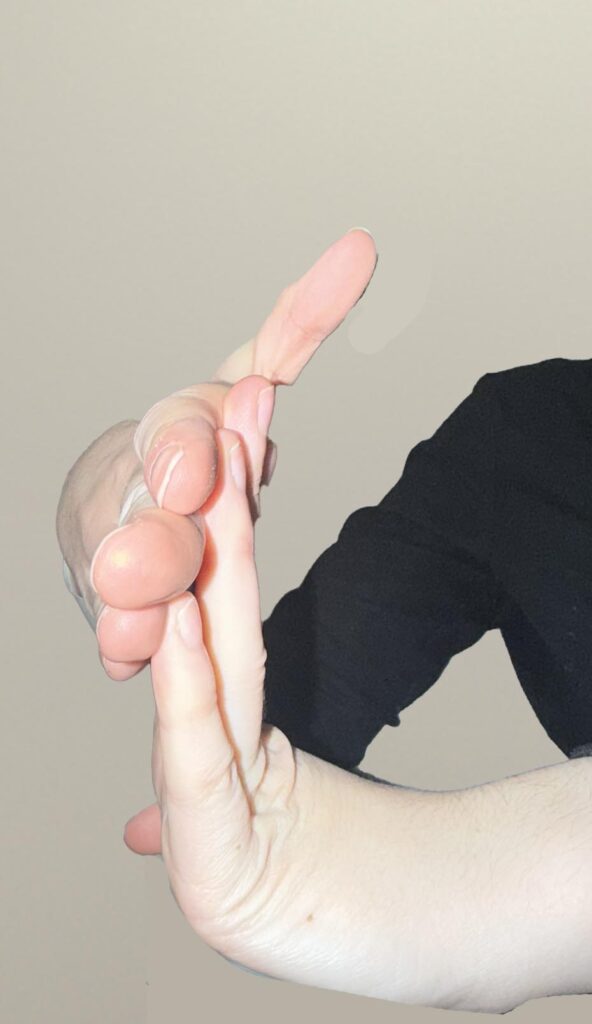
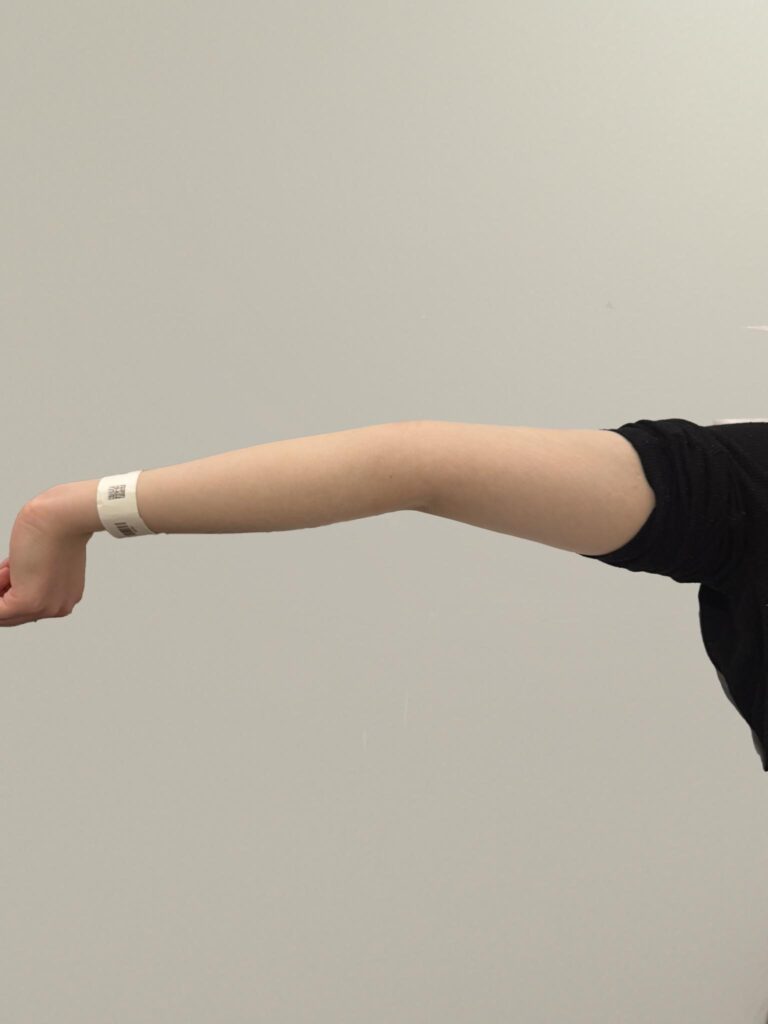
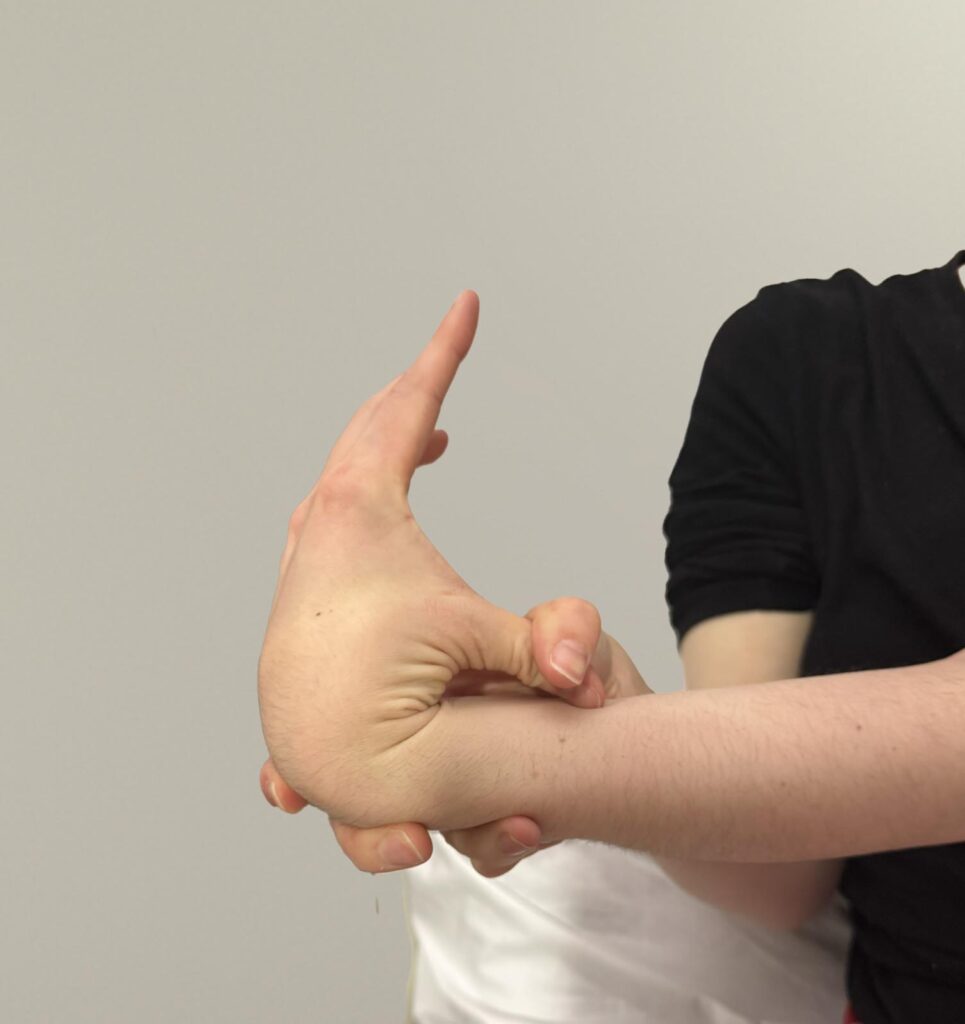
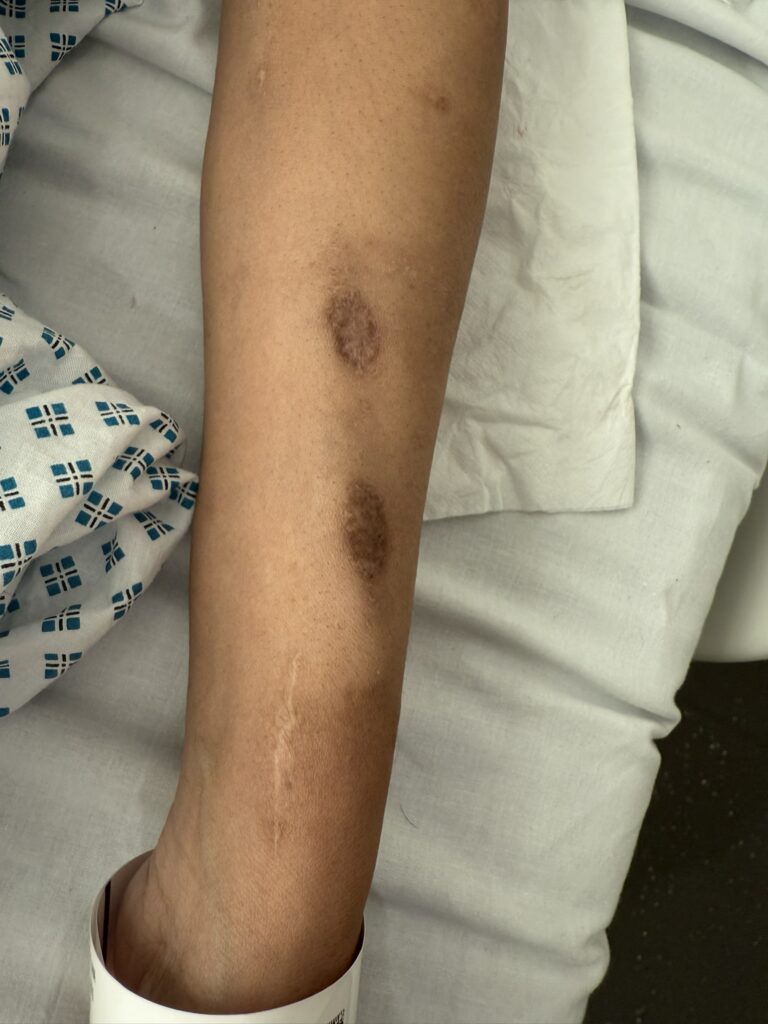
- Carpal tunnel signs: if symptomatic — reduced sensation in median nerve distribution, weakness of APB, Tinel’s sign, Phalen’s test; look for carpal tunnel release scar
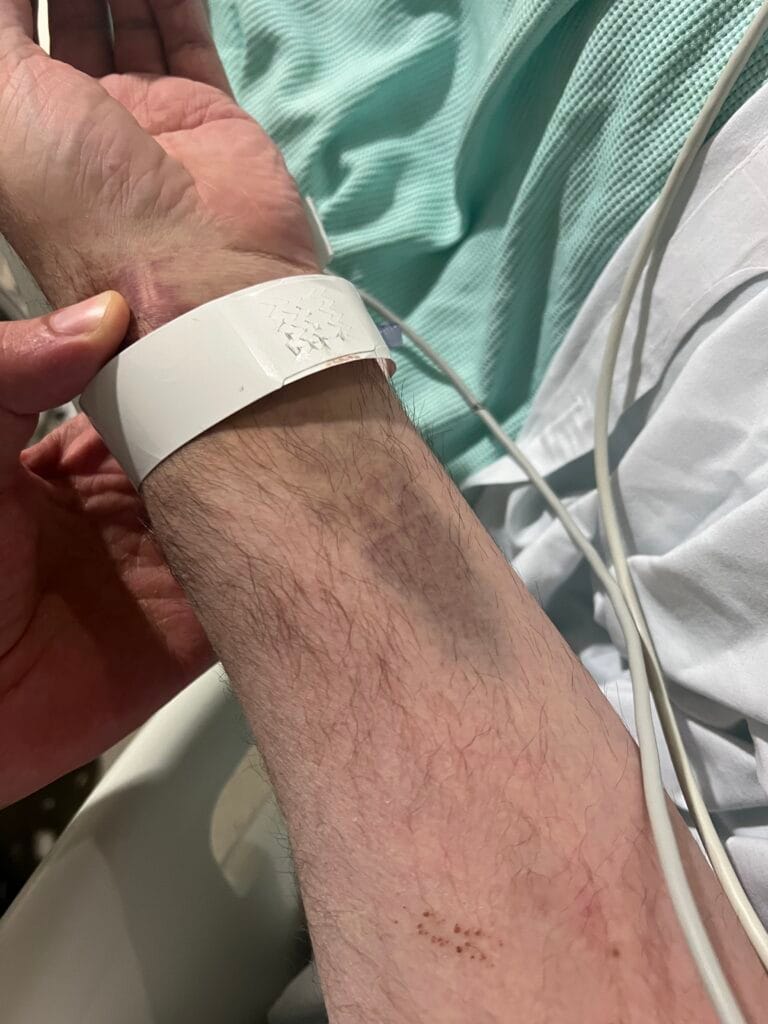
- Diabetic fingerprick marks
- Radial pulse: rate, rhythm, character (hypertension, cardiomegaly)
Arms
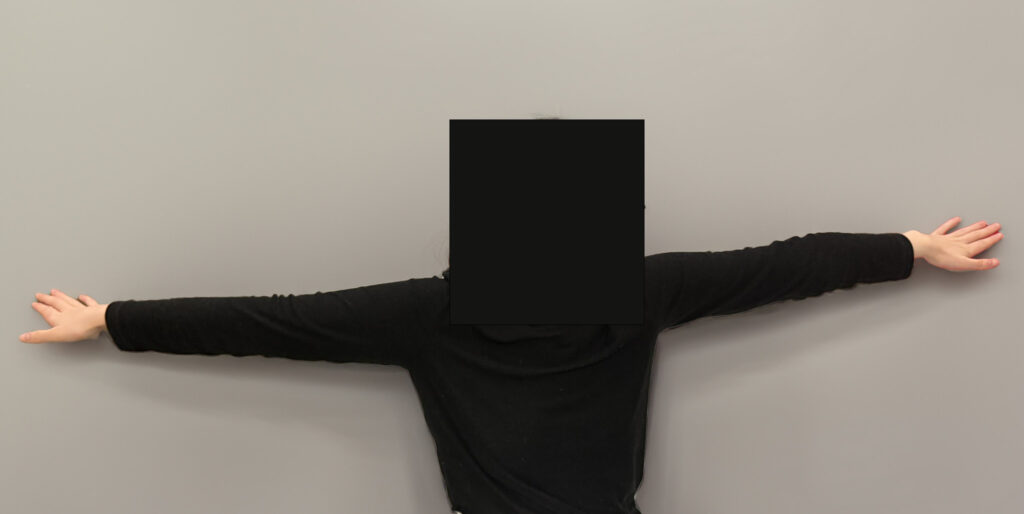
- Proximal myopathy: test shoulder abduction and elbow flexion against resistance; ask to raise arms above head
- Whilst arms raised:
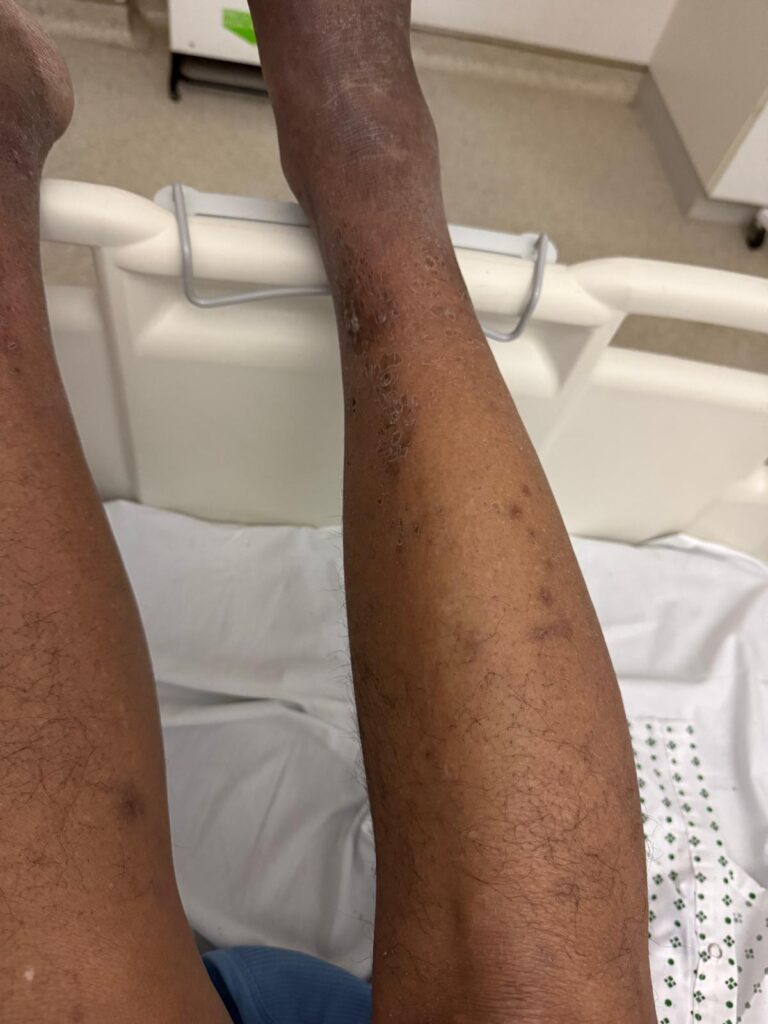
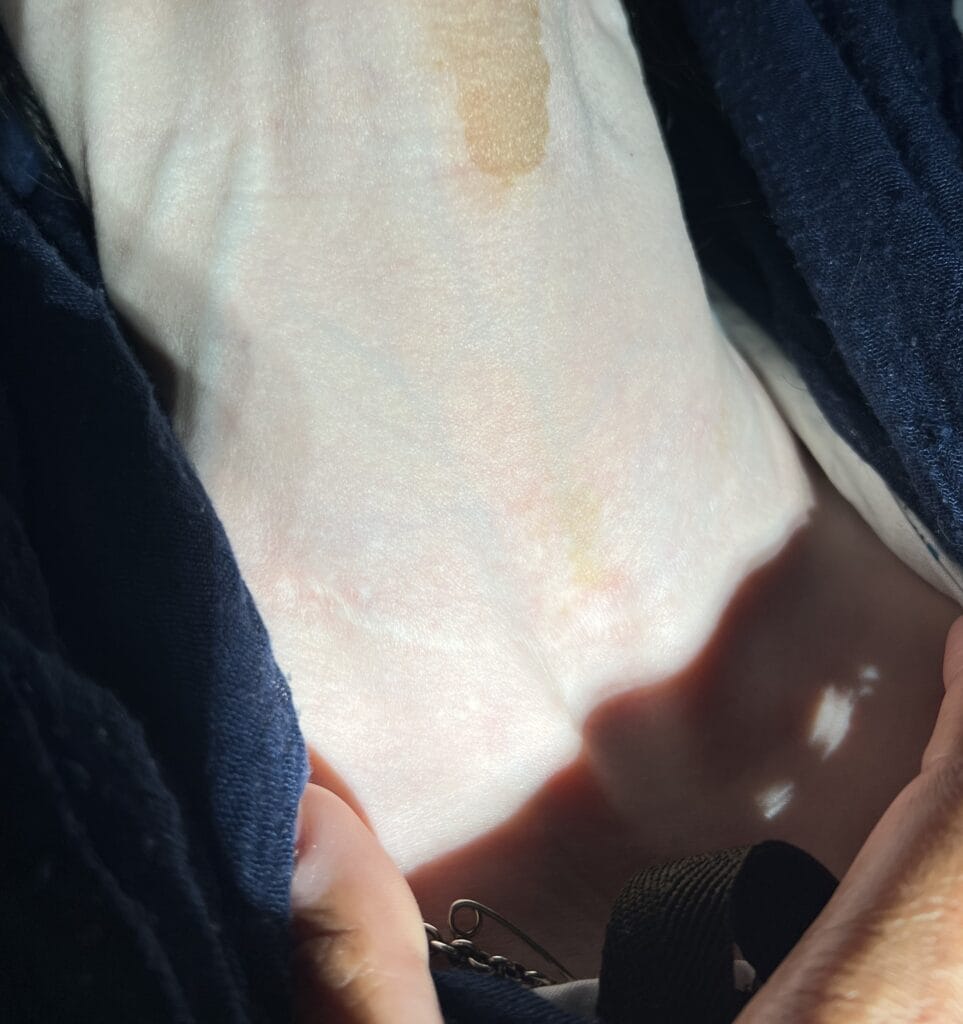
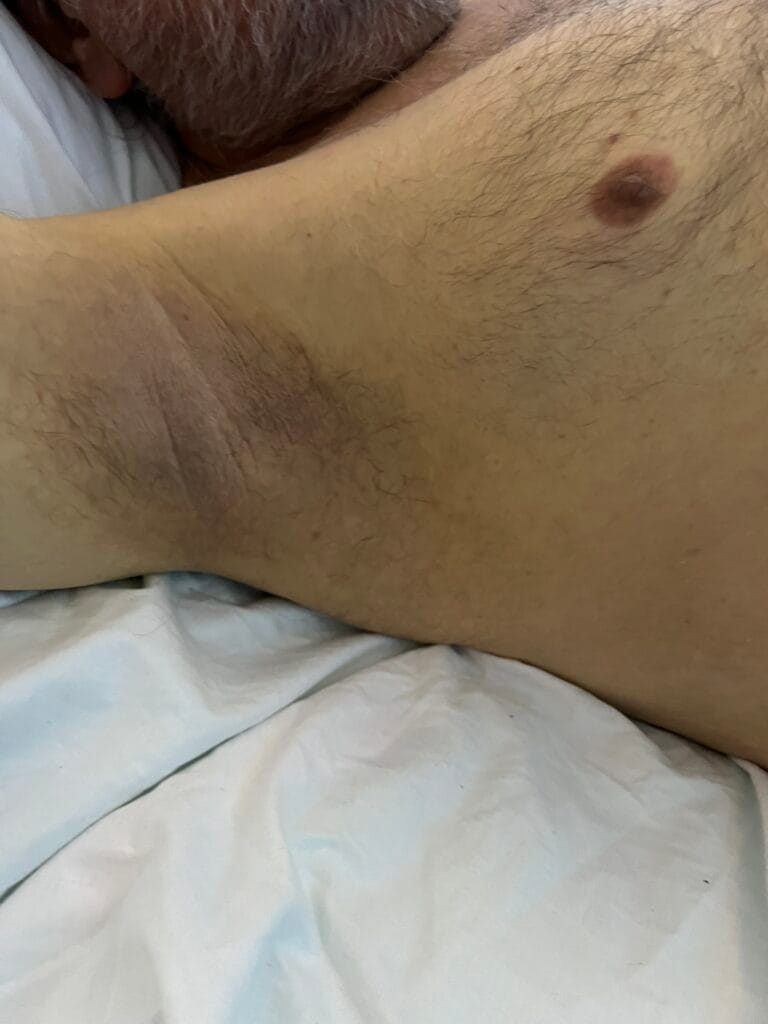
- Acanthosis nigricans in the axillae (insulin resistance)
- Reduced axillary hair (hypogonadism)
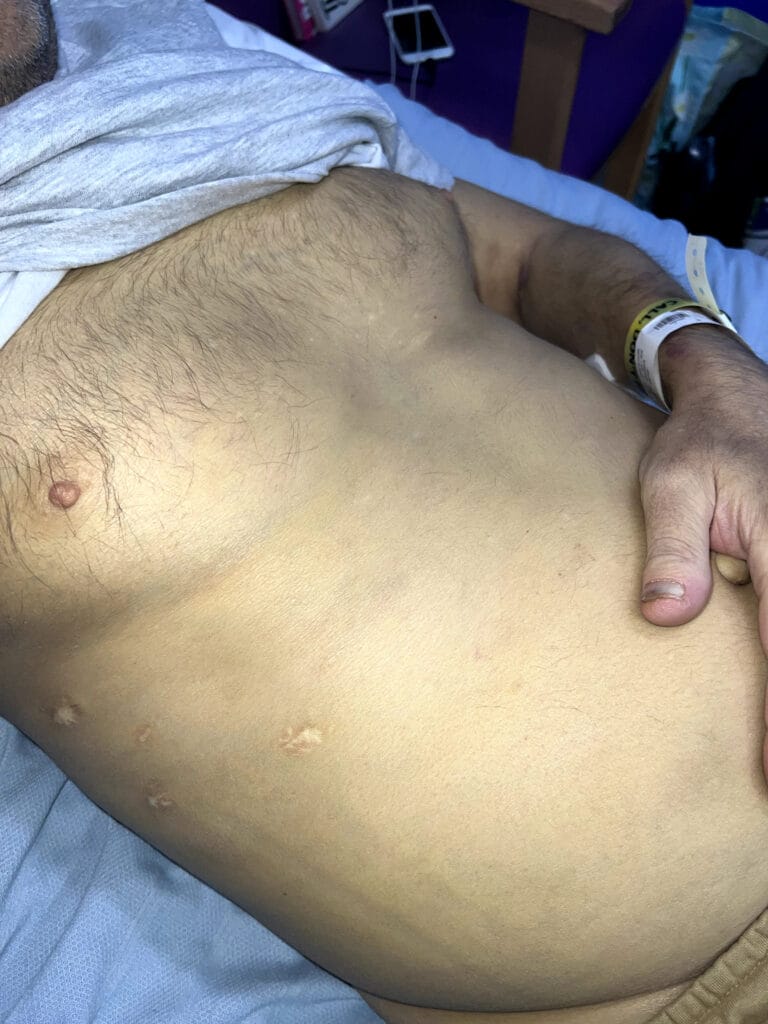
- Skin tags
- Offer to measure blood pressure (hypertension is common)
Eyes & Visual Fields
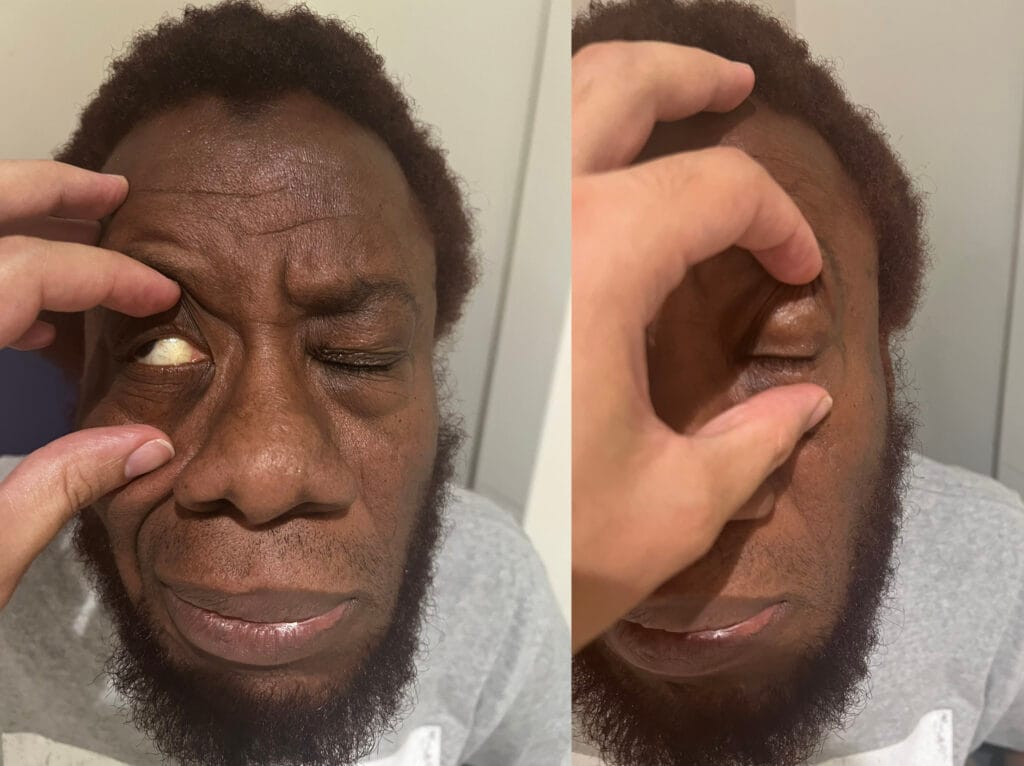
- Visual fields by confrontation: test for bitemporal hemianopia (optic chiasm compression from suprasellar extension of tumour)
- Eye movements: CN III, IV, VI palsies (cavernous sinus invasion)
- Fundoscopy if headache or visual symptoms: optic disc swelling (raised ICP) or atrophy, features of diabetic or hypertensive retinopathy
Face
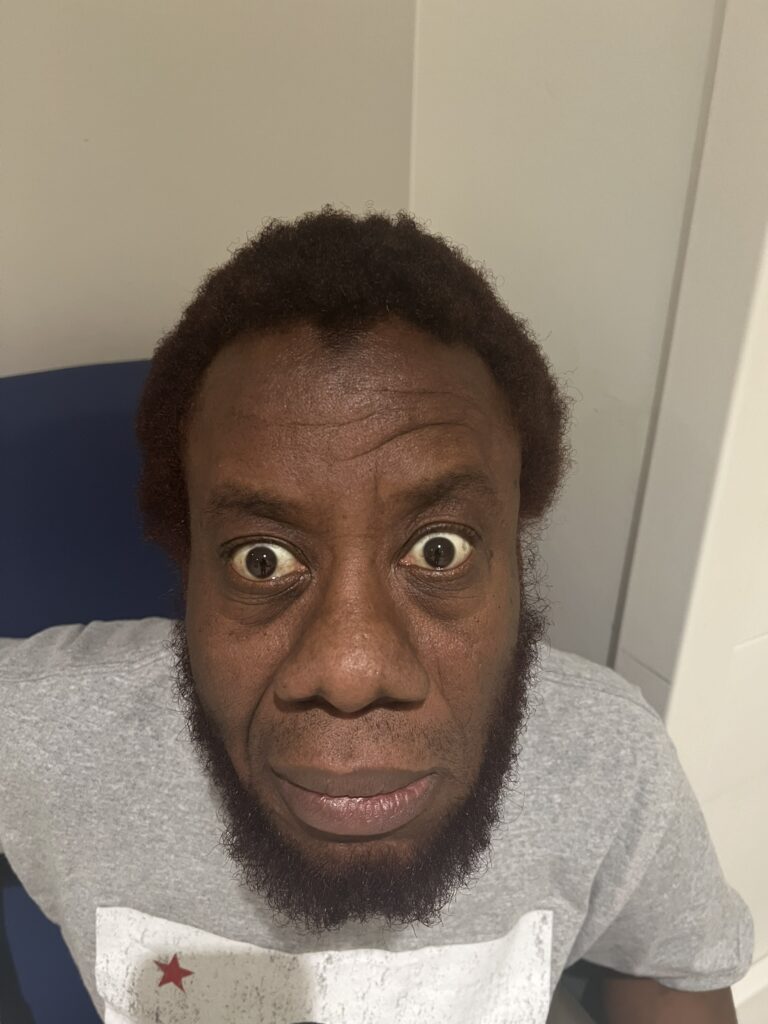
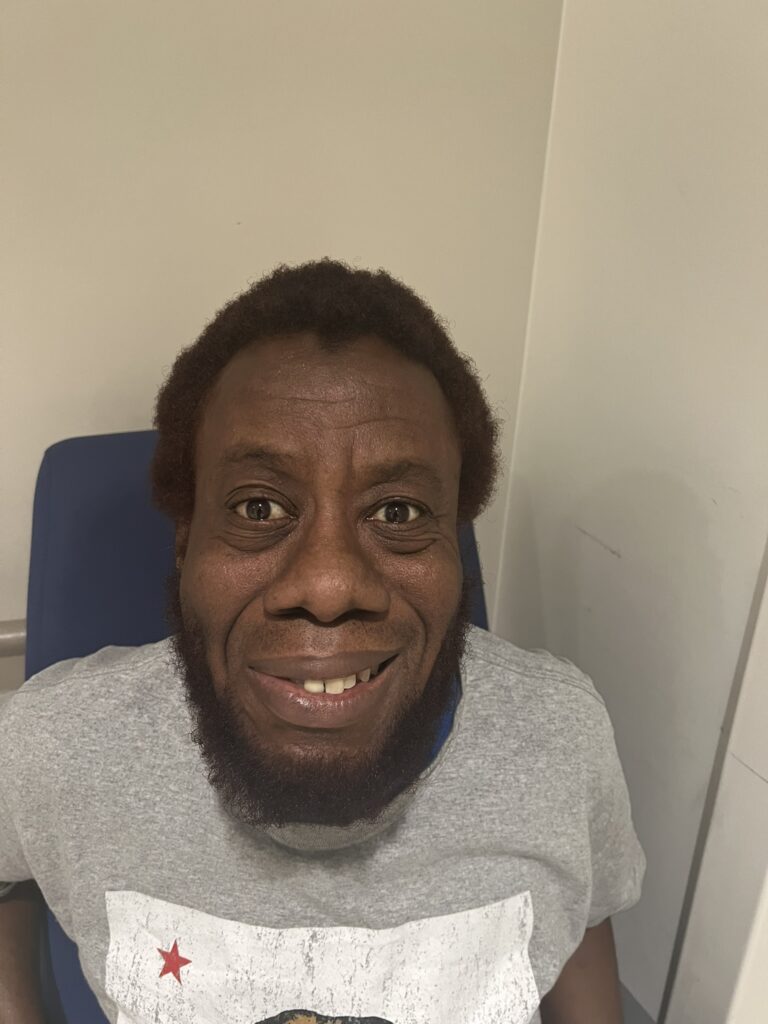
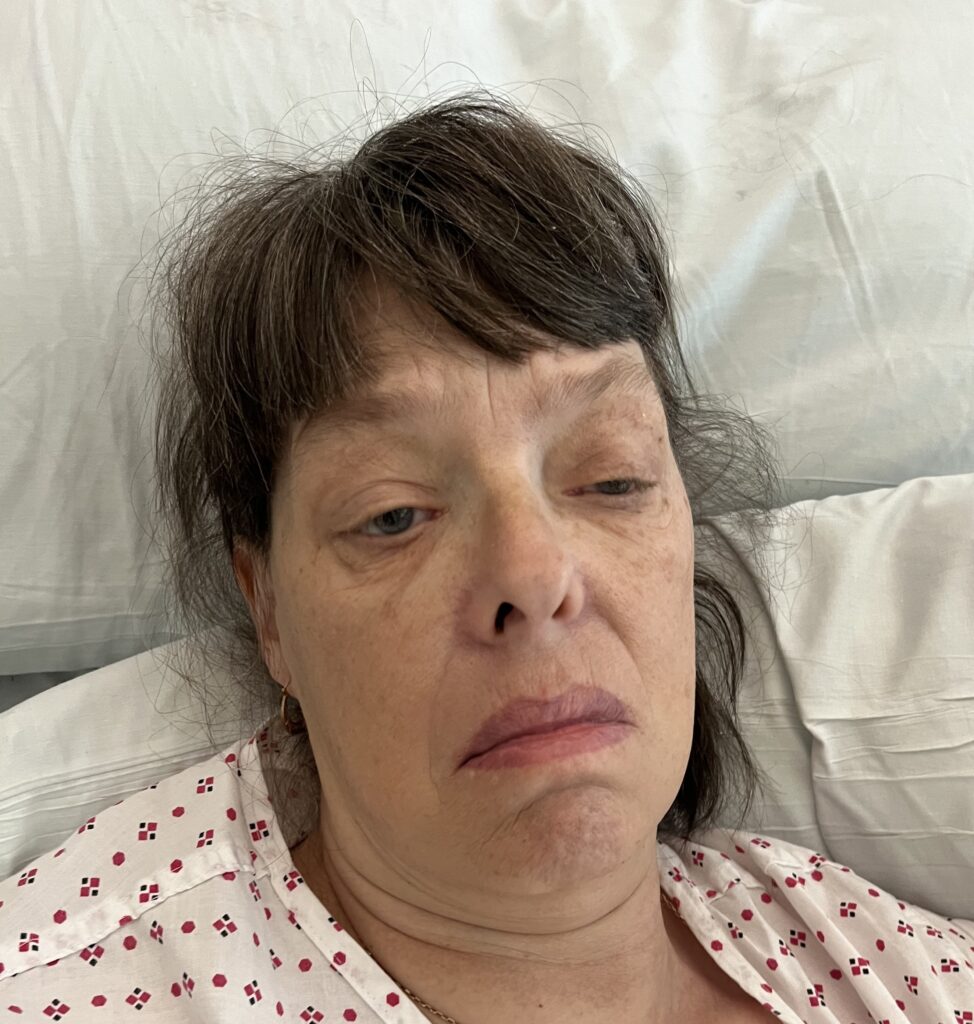
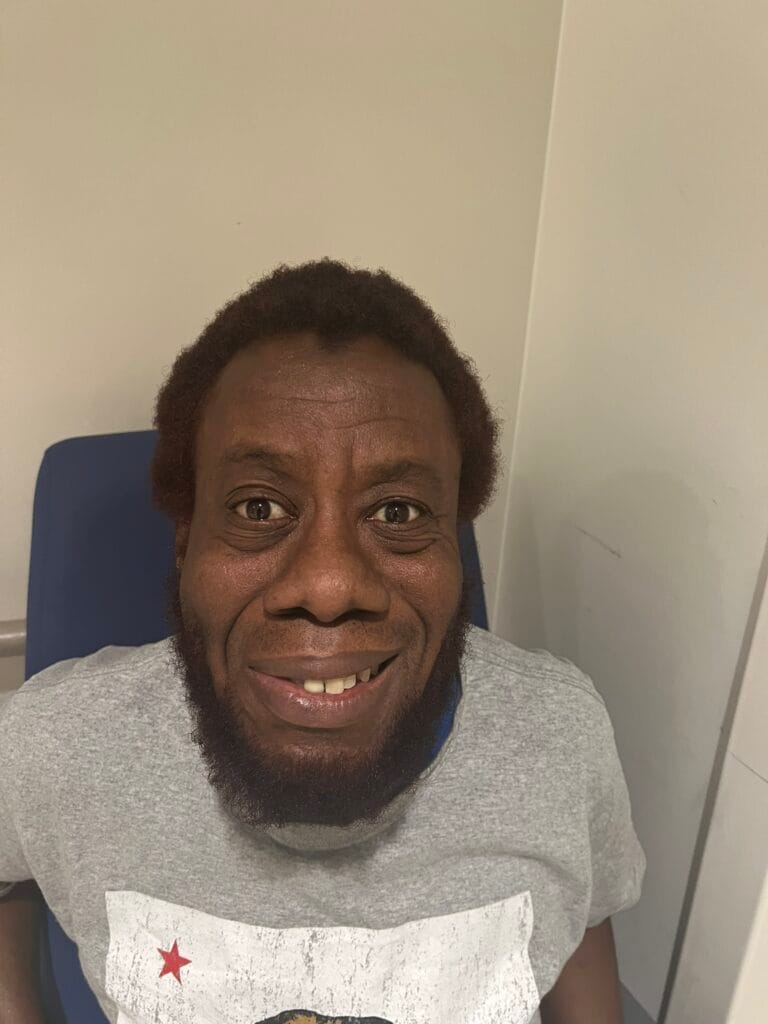
- Prominent supraorbital ridges
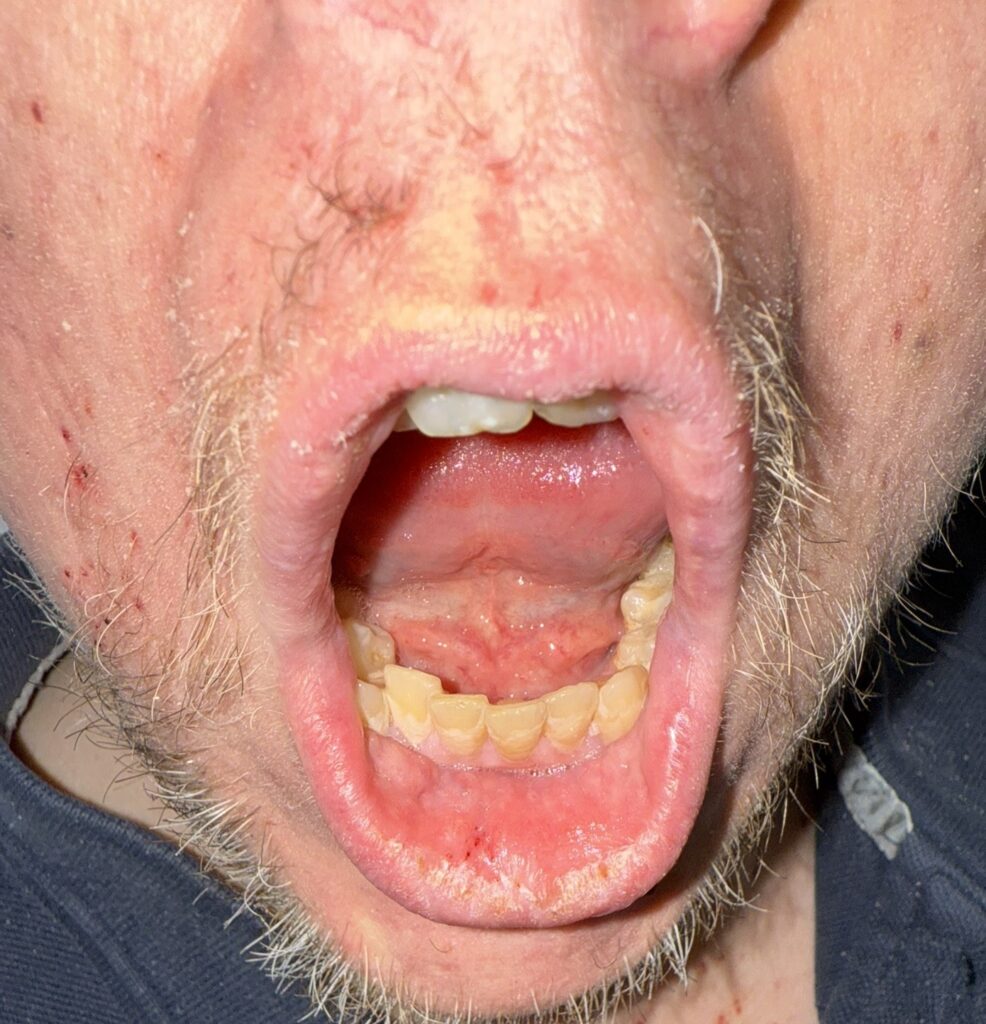
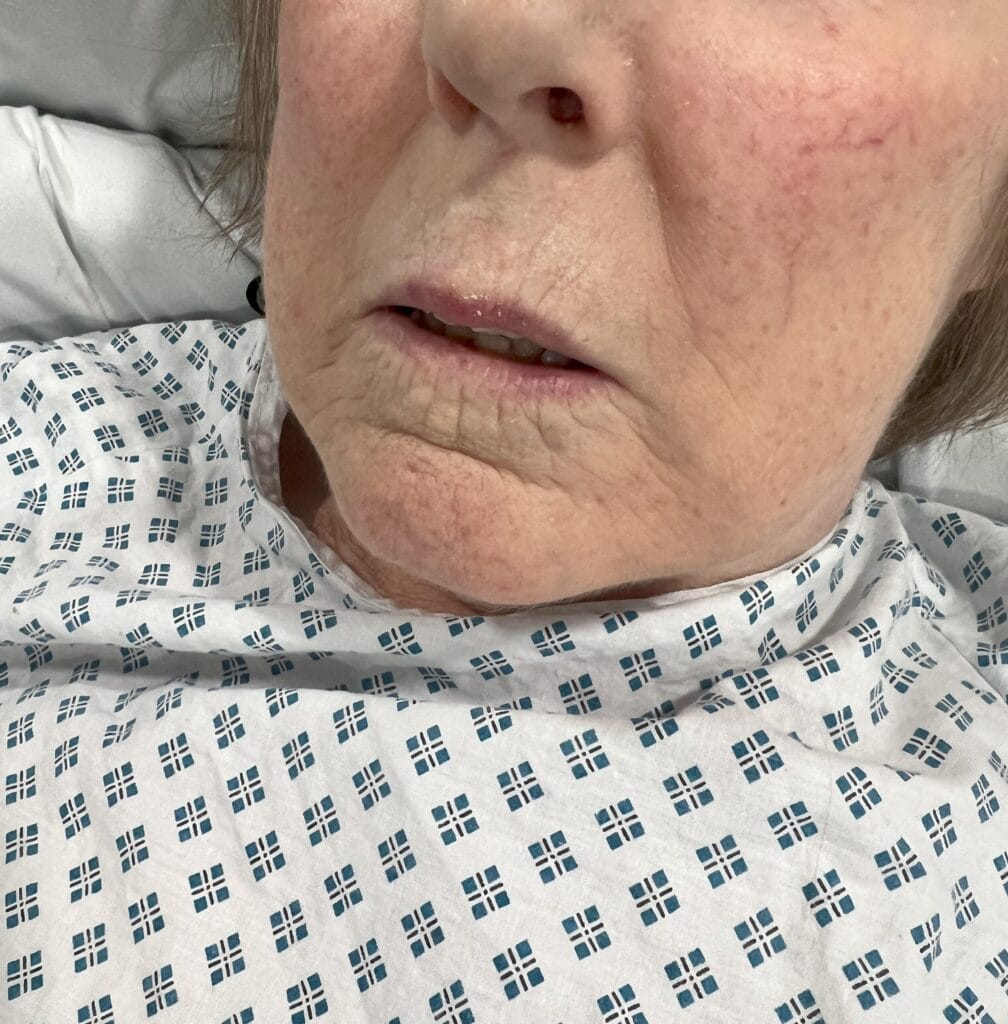
- Prognathism: protruding lower jaw; teeth malocclusion
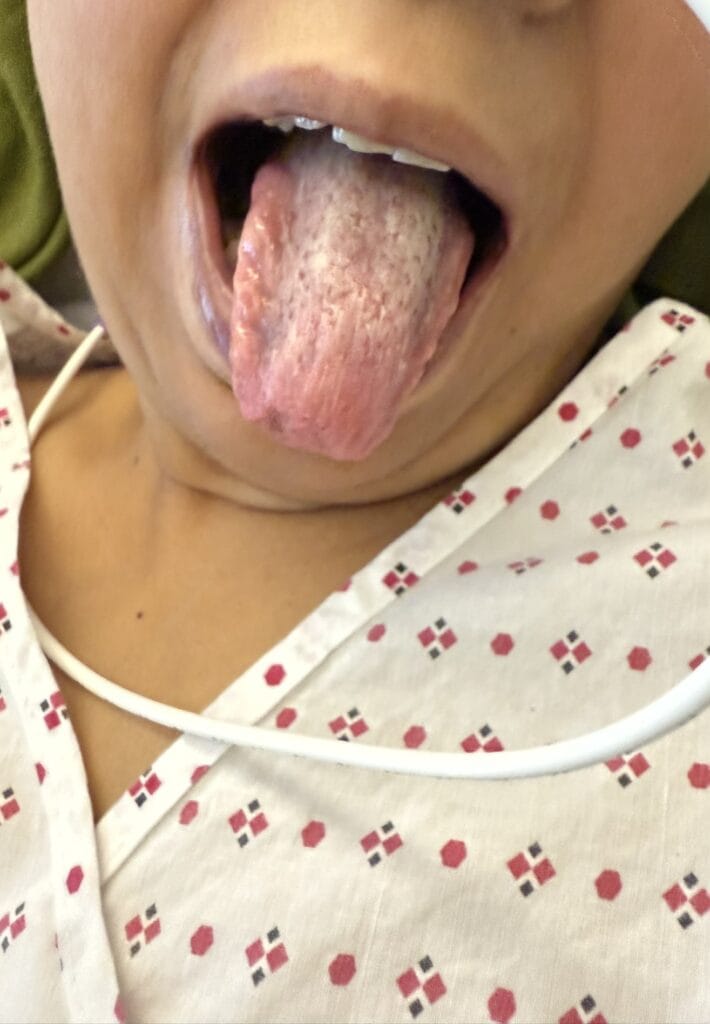
- Macroglossia: large tongue
- Large nose, large ears
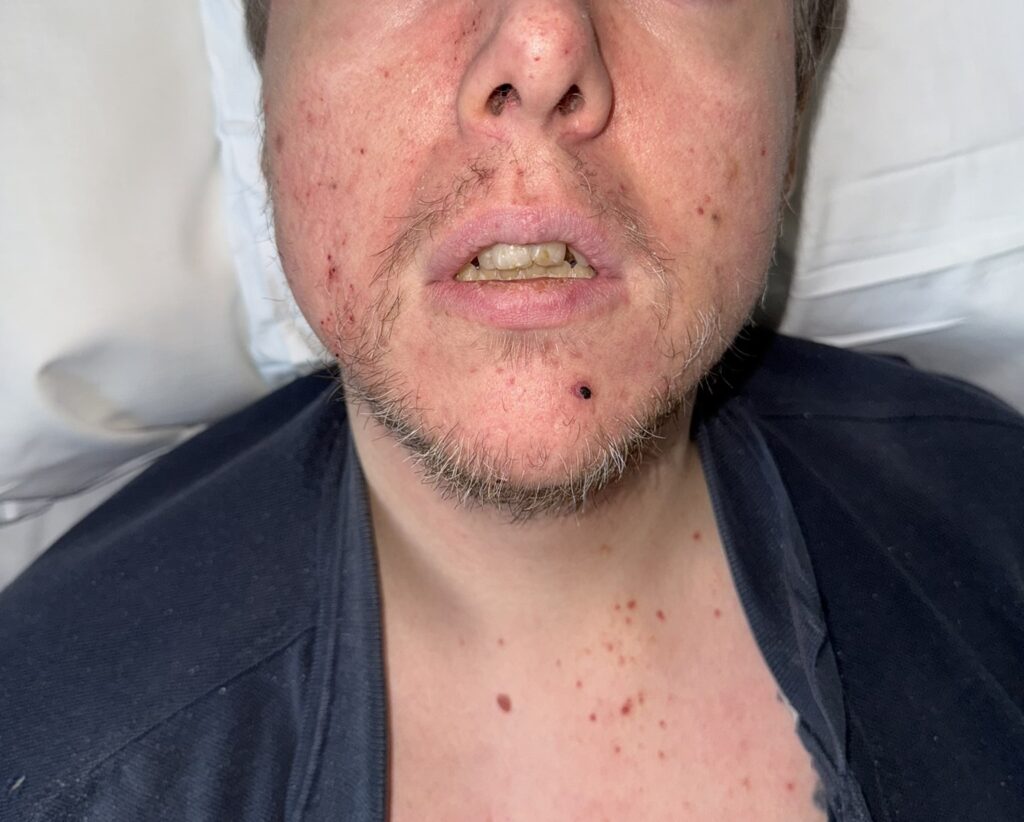
- Coarse facial features, oily/acneiform skin, hirsutism
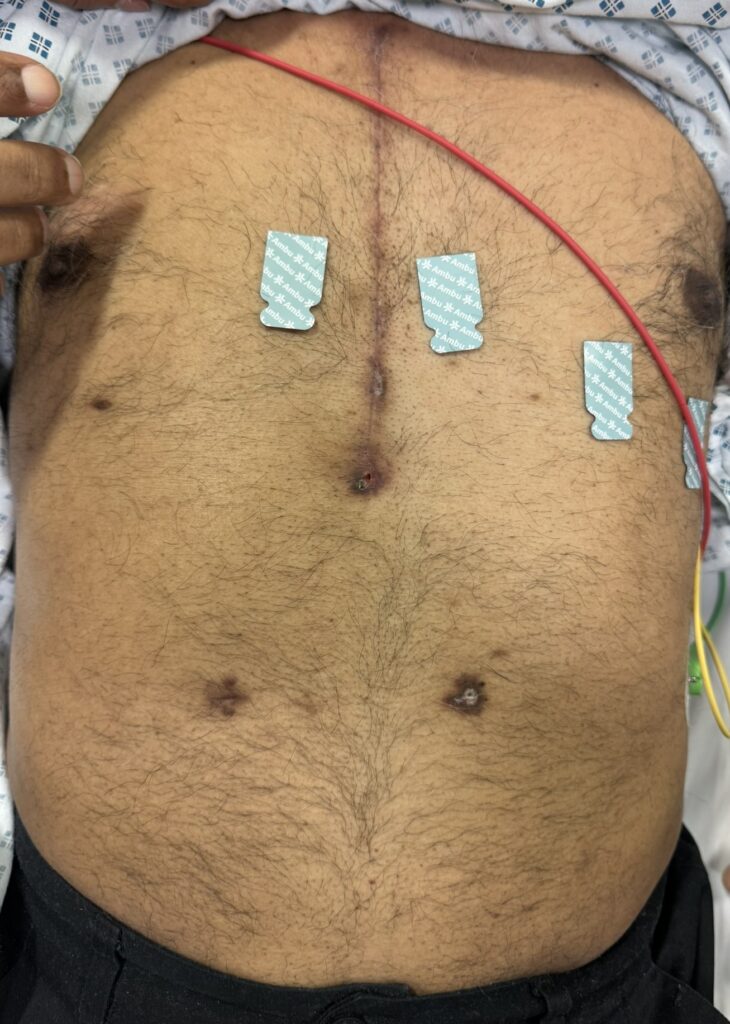
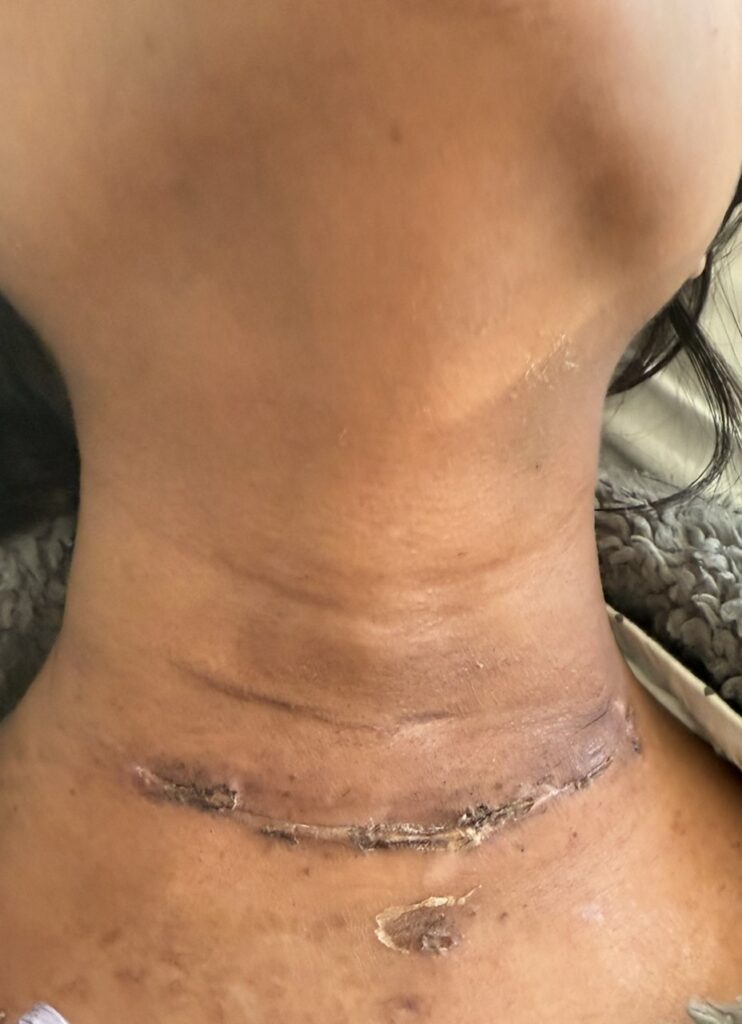
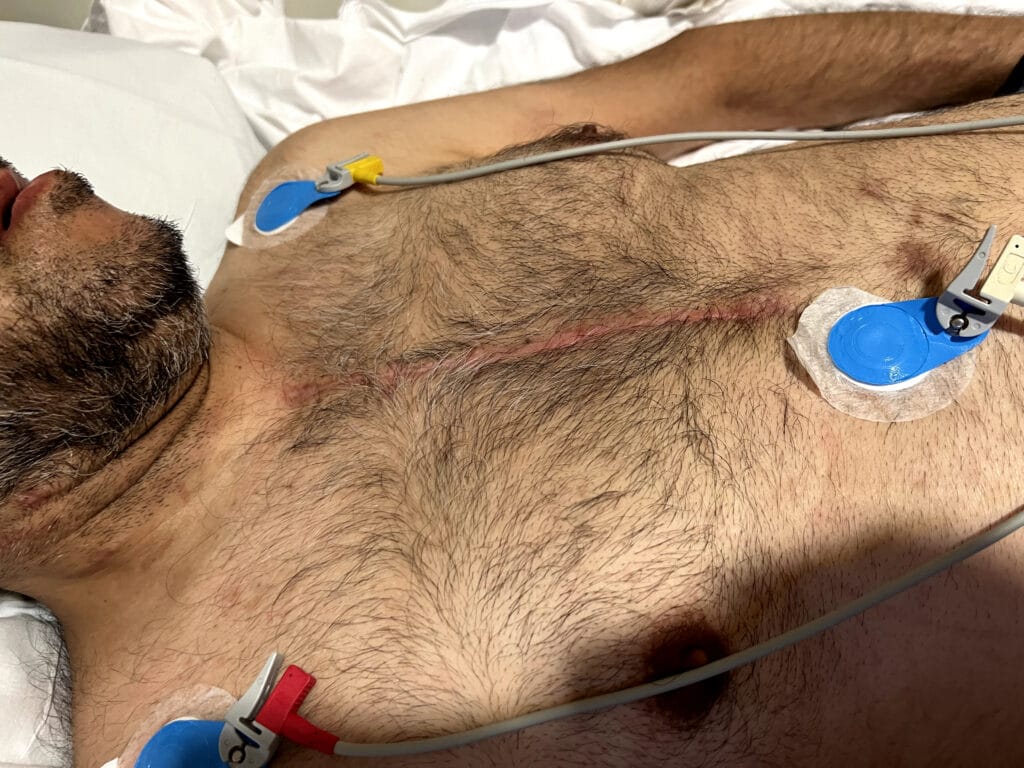
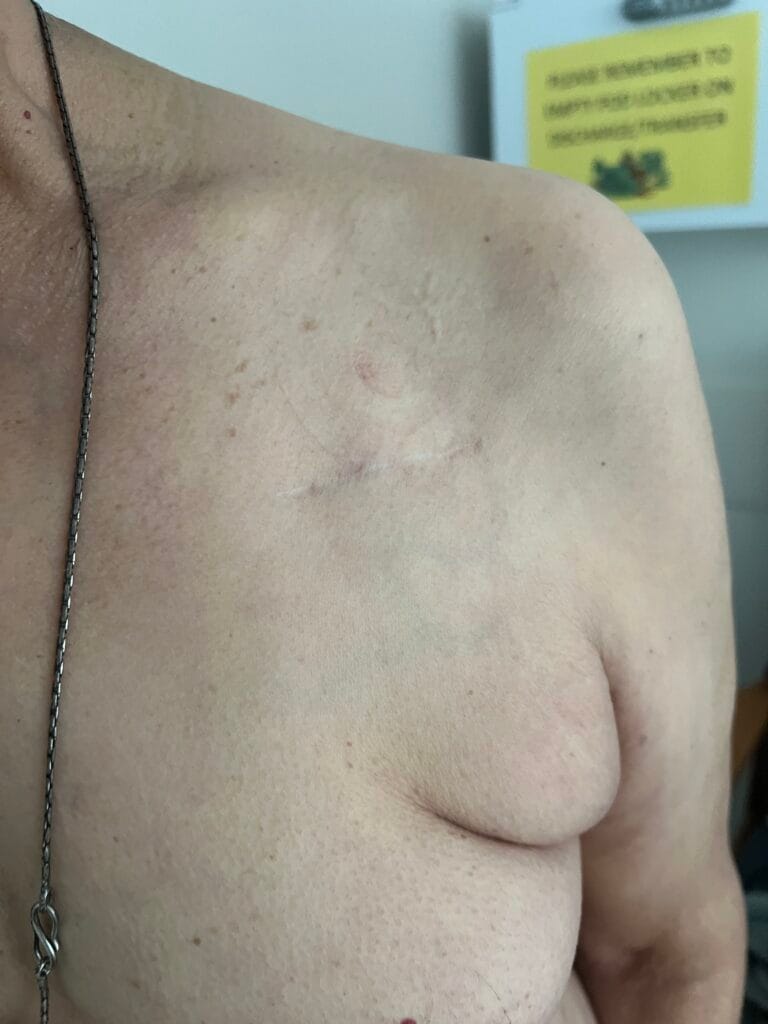
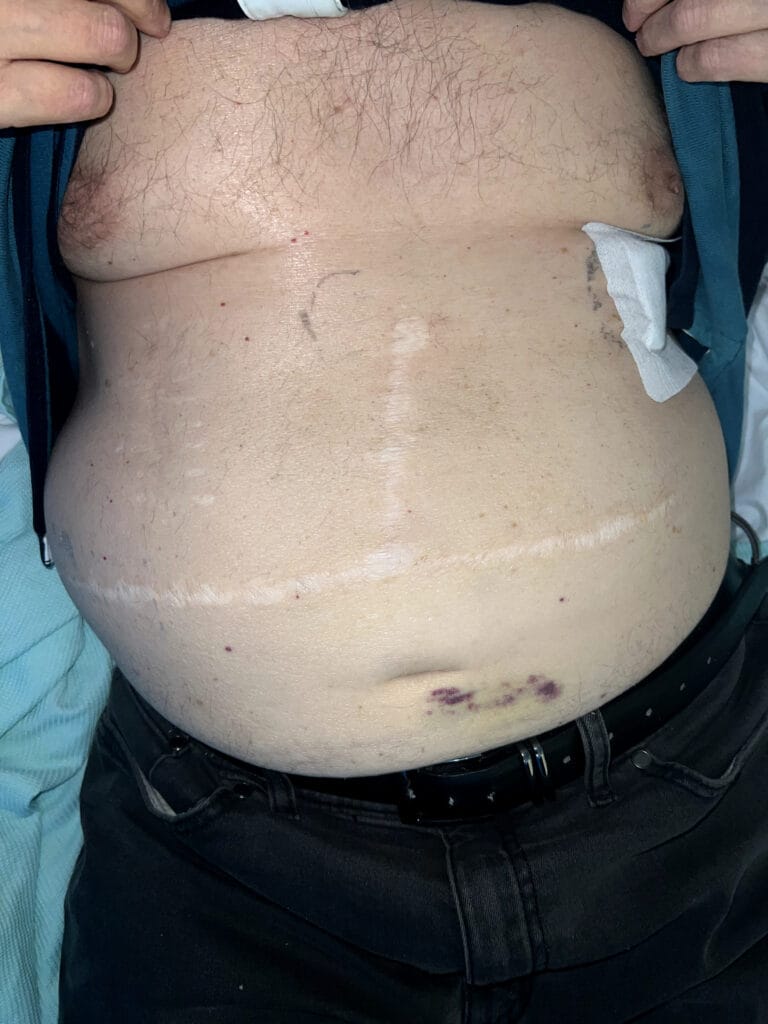
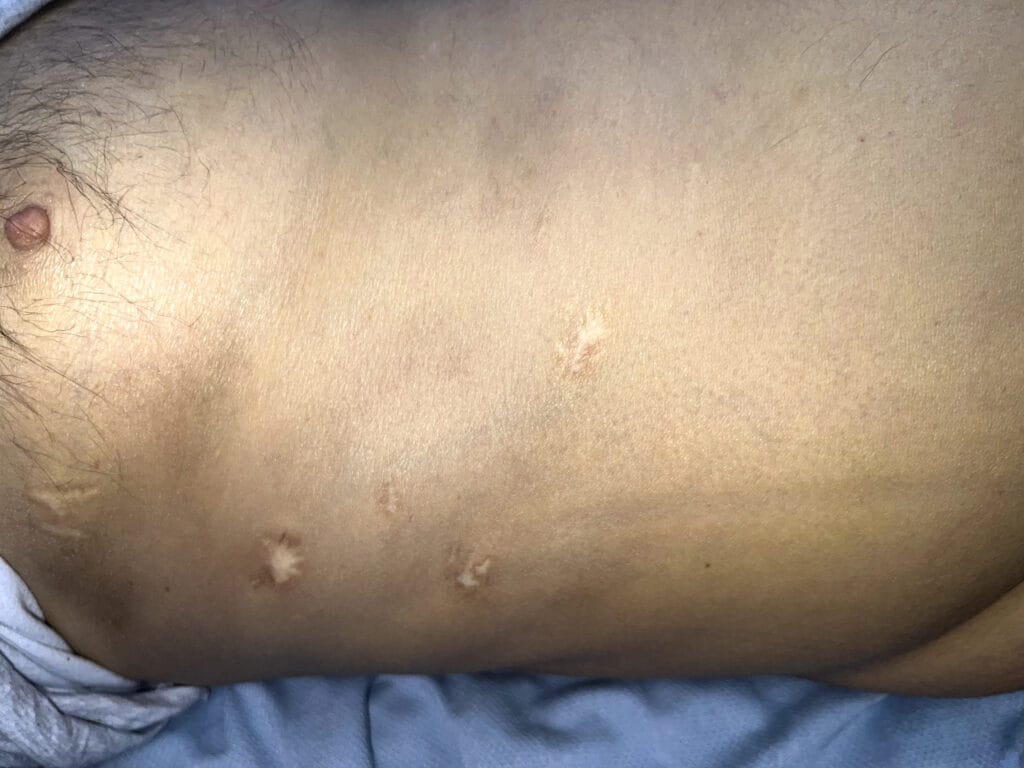
- Surgical scars on scalp or hairline: do not miss a transphenoidal or craniotomy scar
Neck
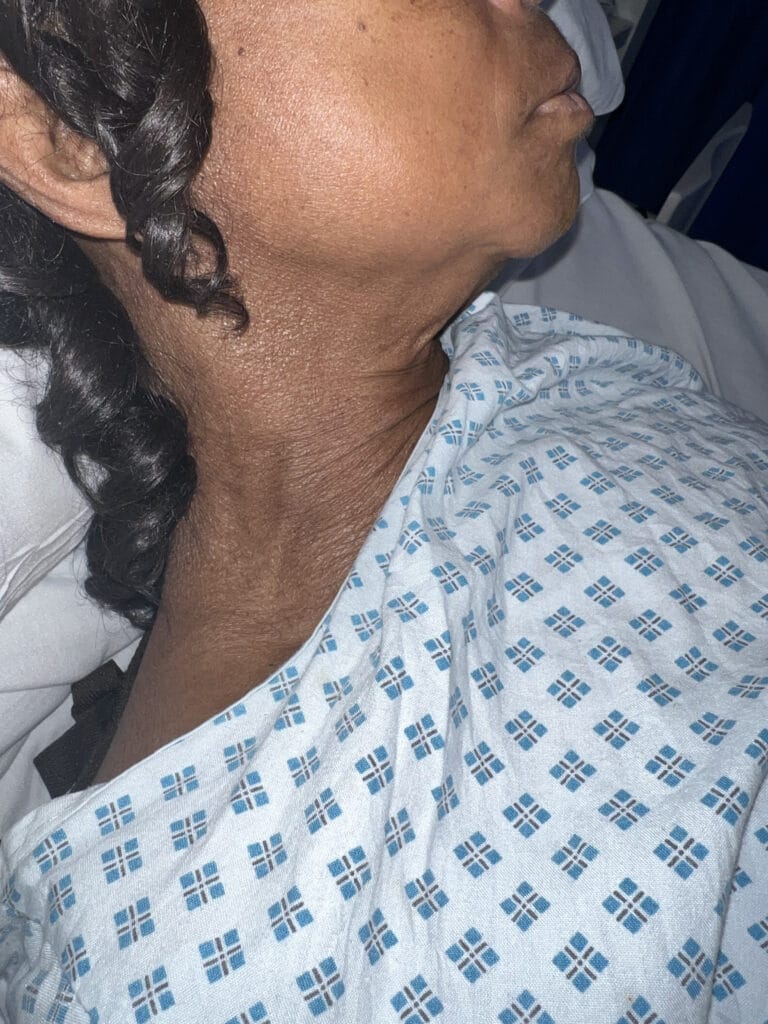
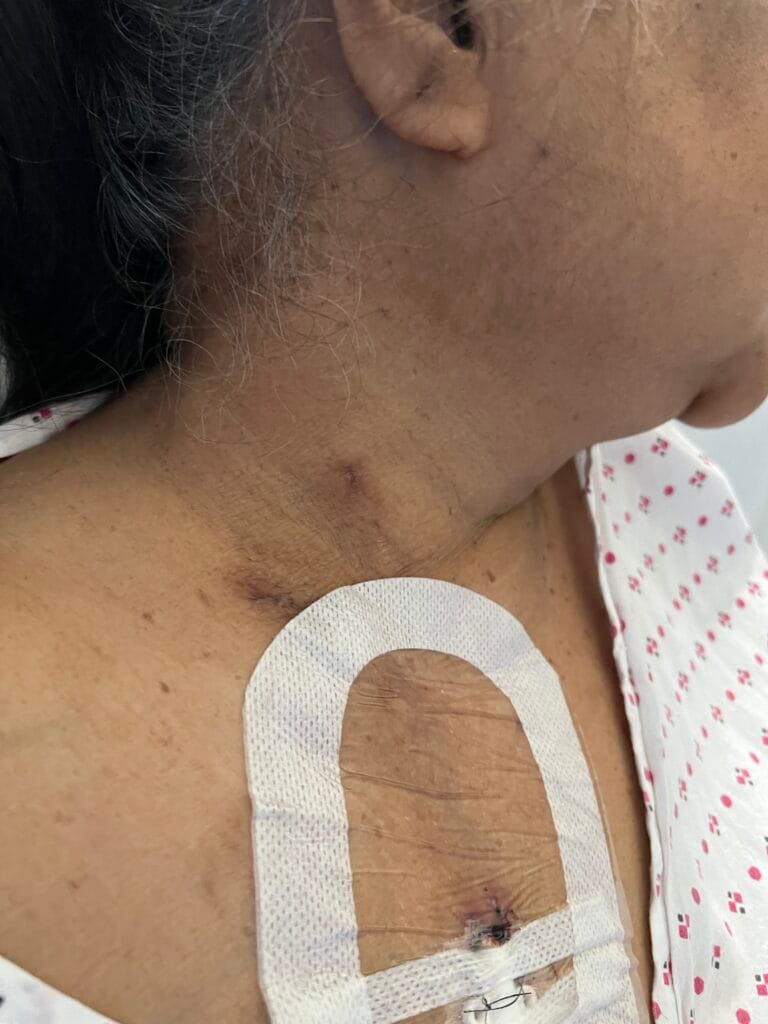
- Goitre: palpate thyroid
- Acanthosis nigricans in neck creases
- Offer to measure neck circumference if OSA history
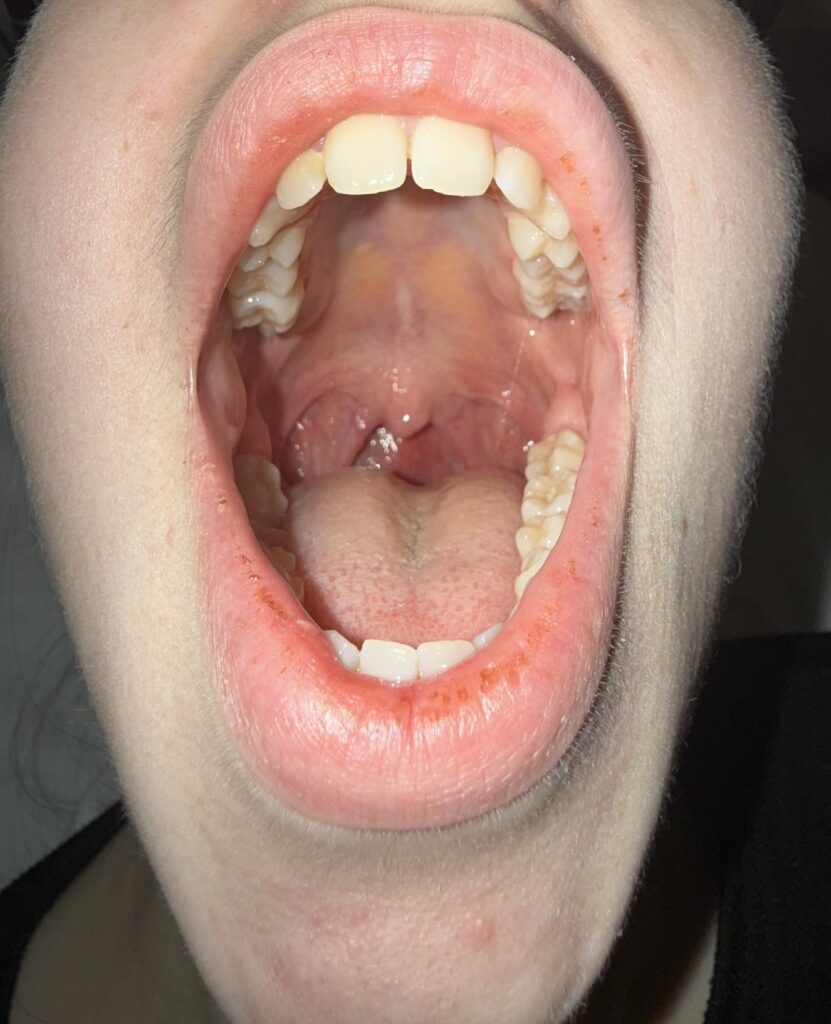
- Inspect nostrils, mouth and oropharynx if OSA (macroglossia, tonsillar hypertrophy, narrow airway)
Chest, Abdomen & Feet
- Gynaecomastia (hyperprolactinaemia)
- Heart: listen for murmurs (cardiomegaly, cardiac failure)
- Lungs: auscultate (OSA-related cor pulmonale, cardiac failure)
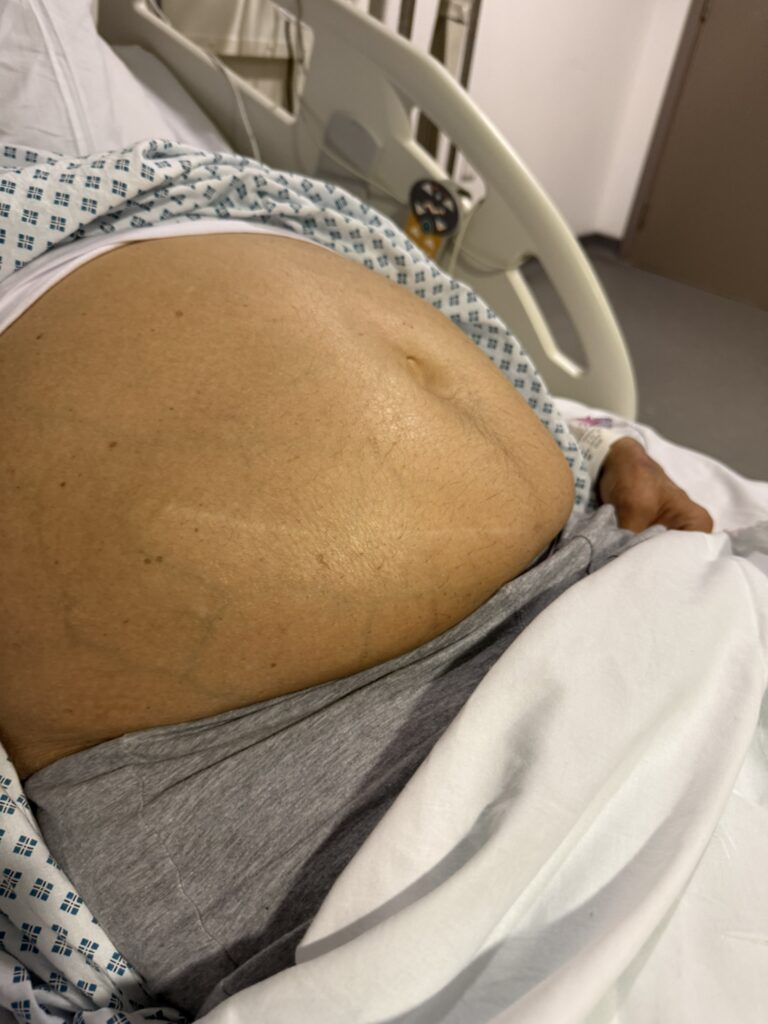
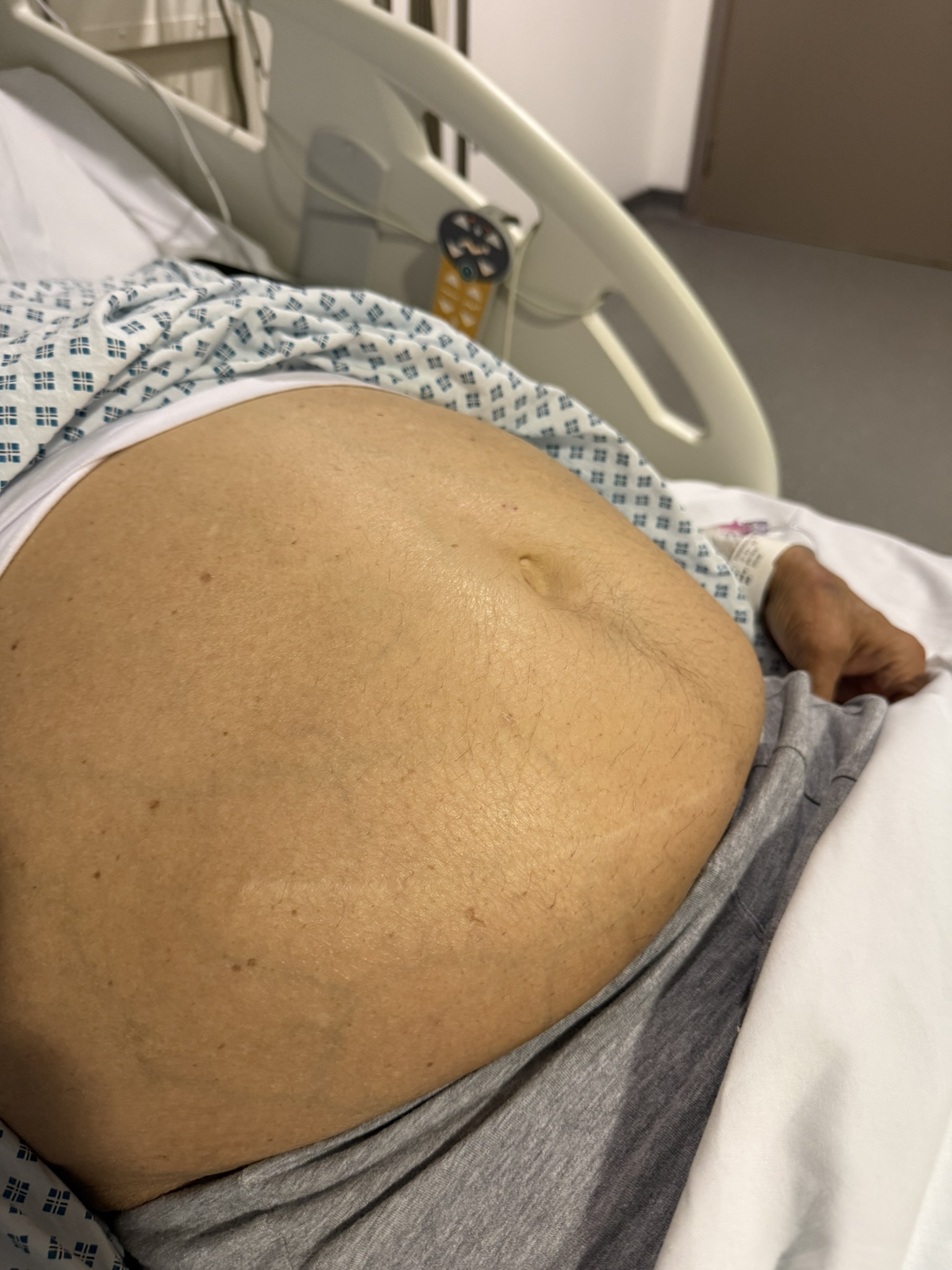
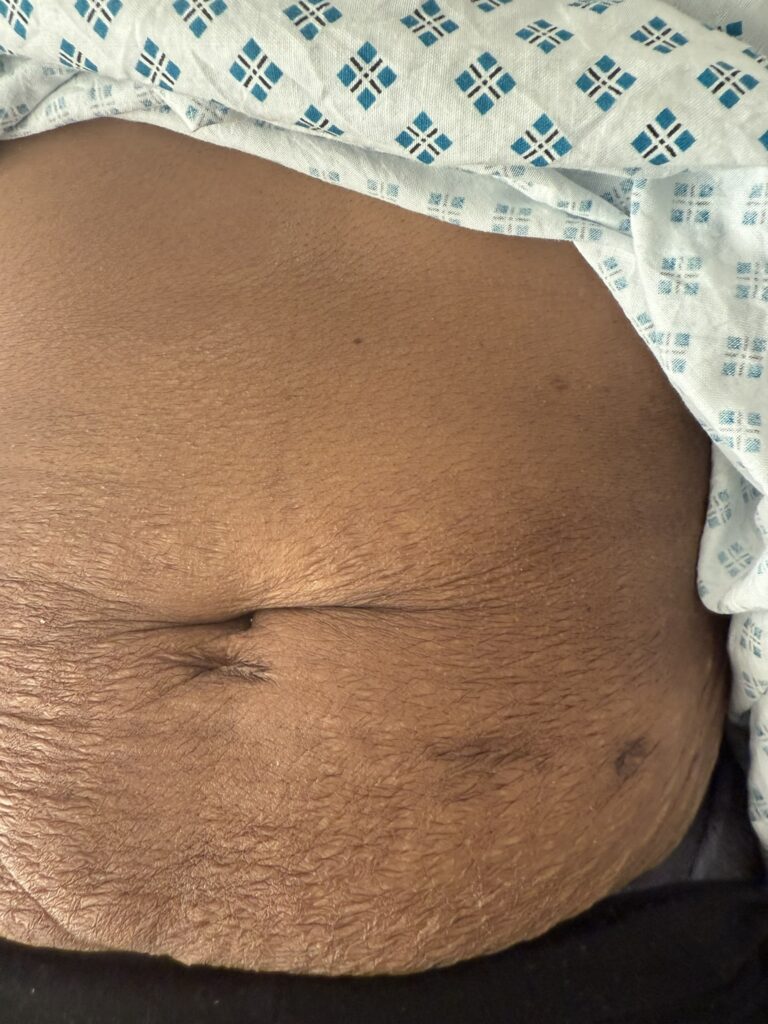
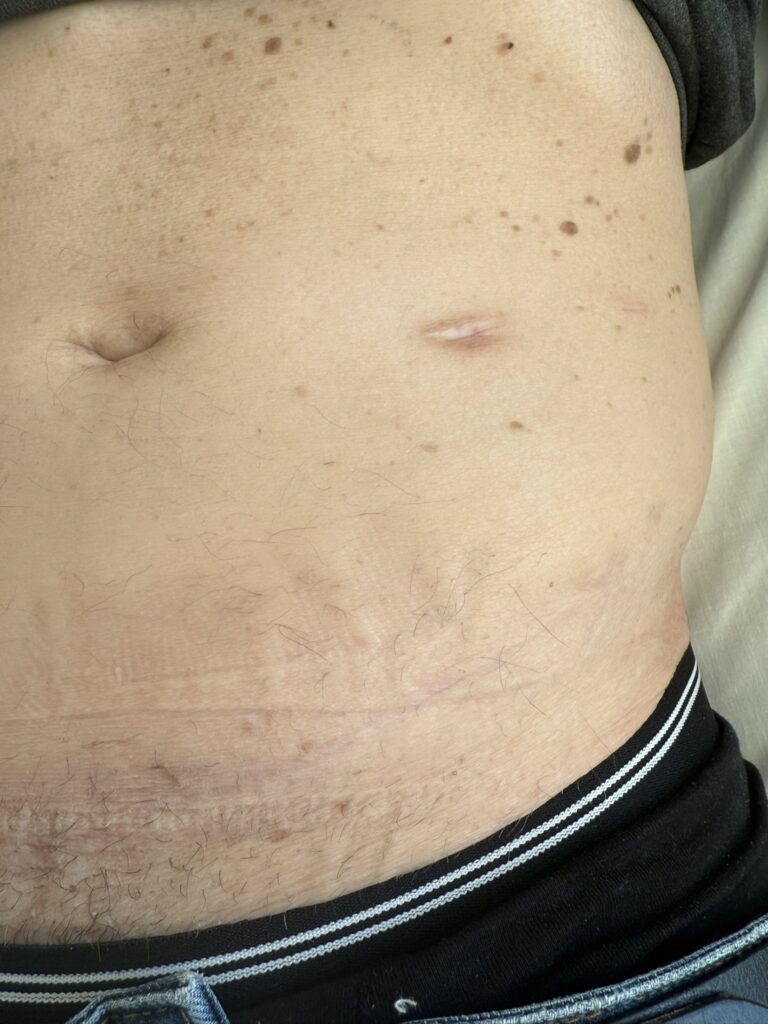
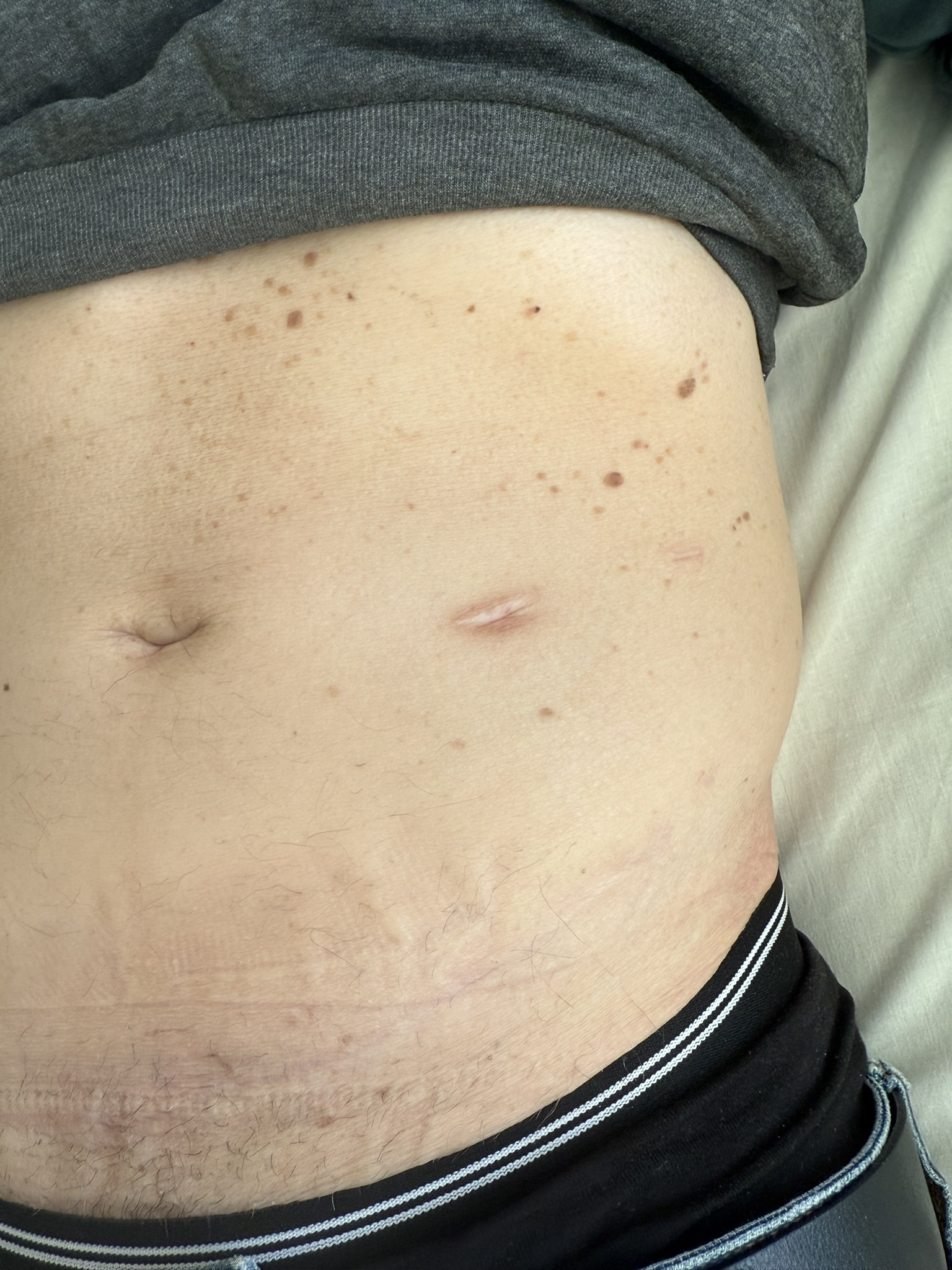
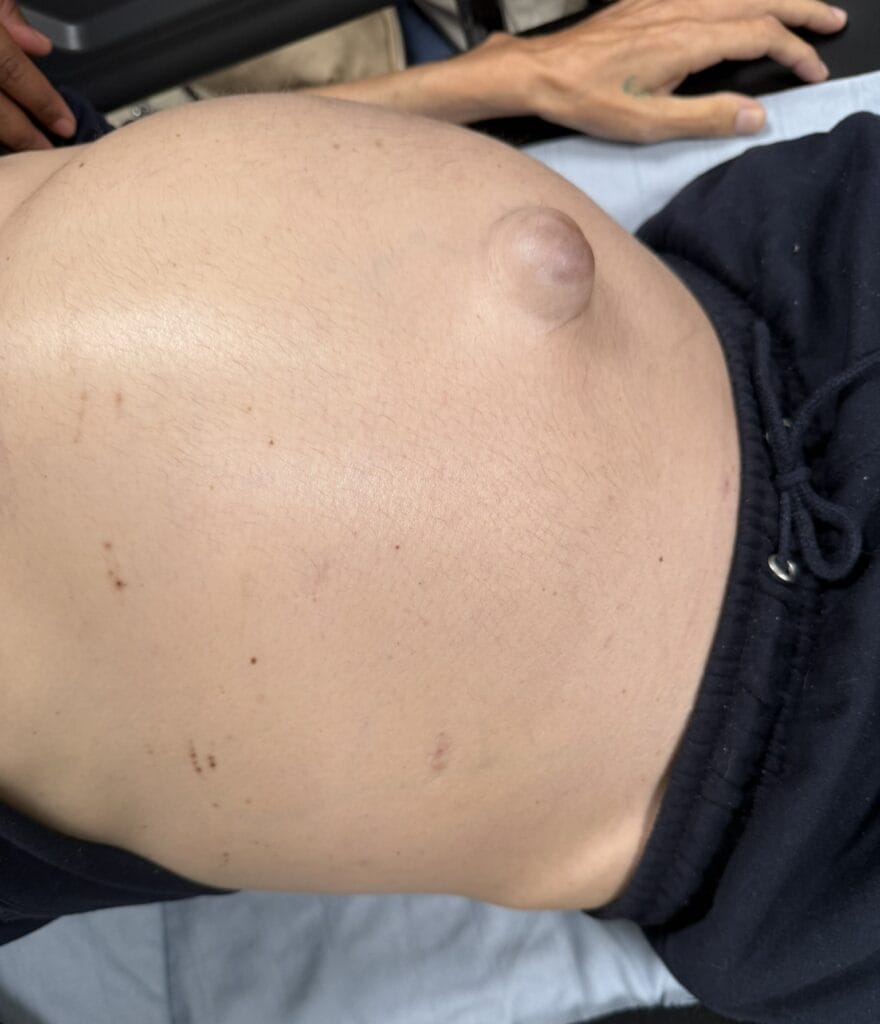
- Abdomen: palpate for hepatosplenomegaly and colonic masses
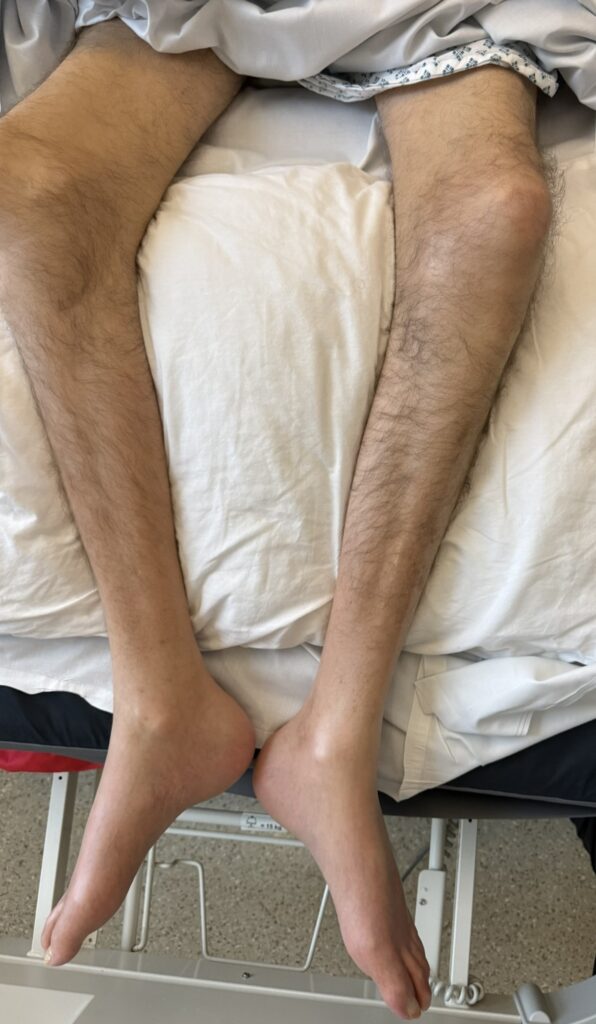
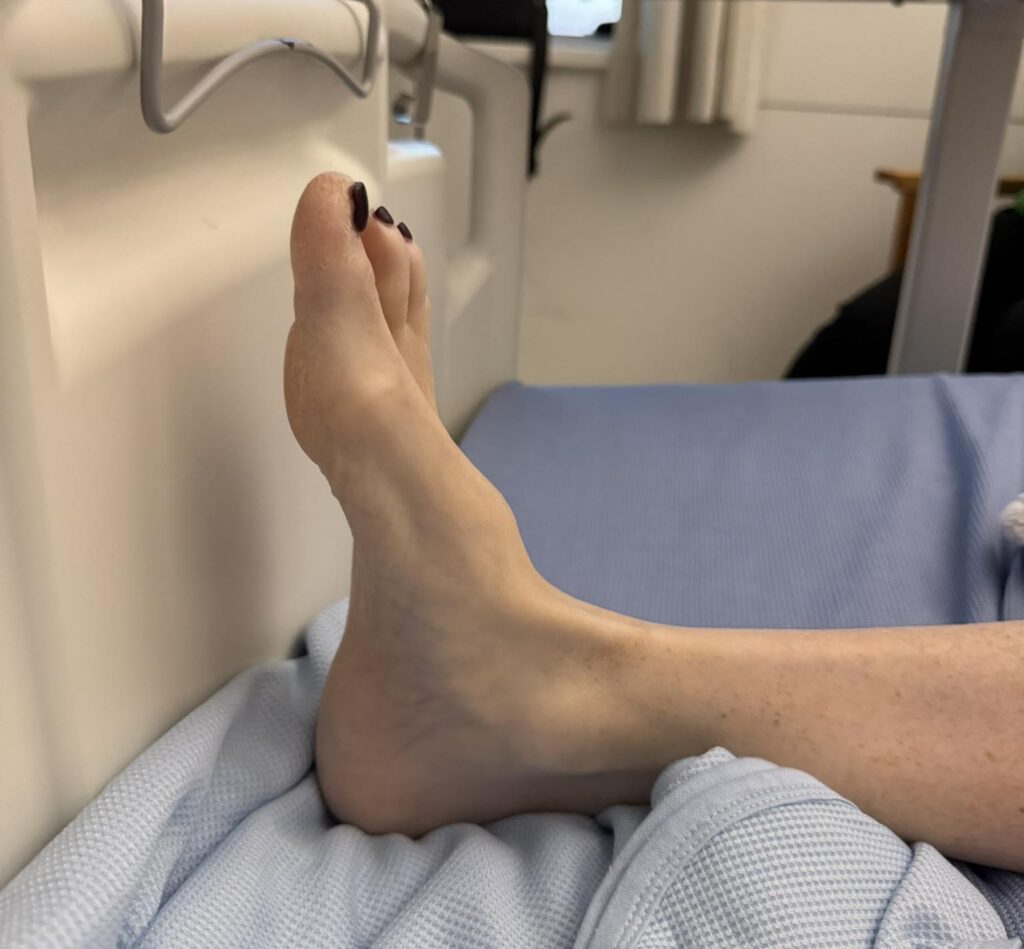
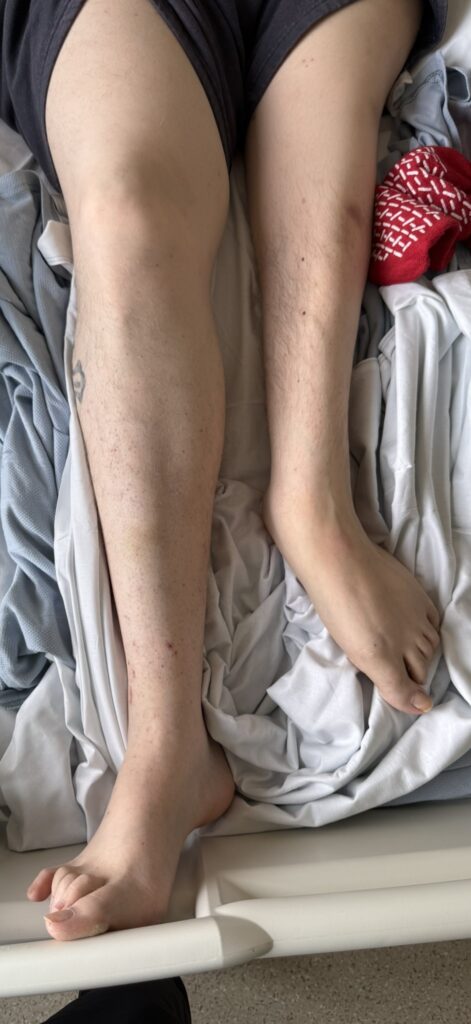
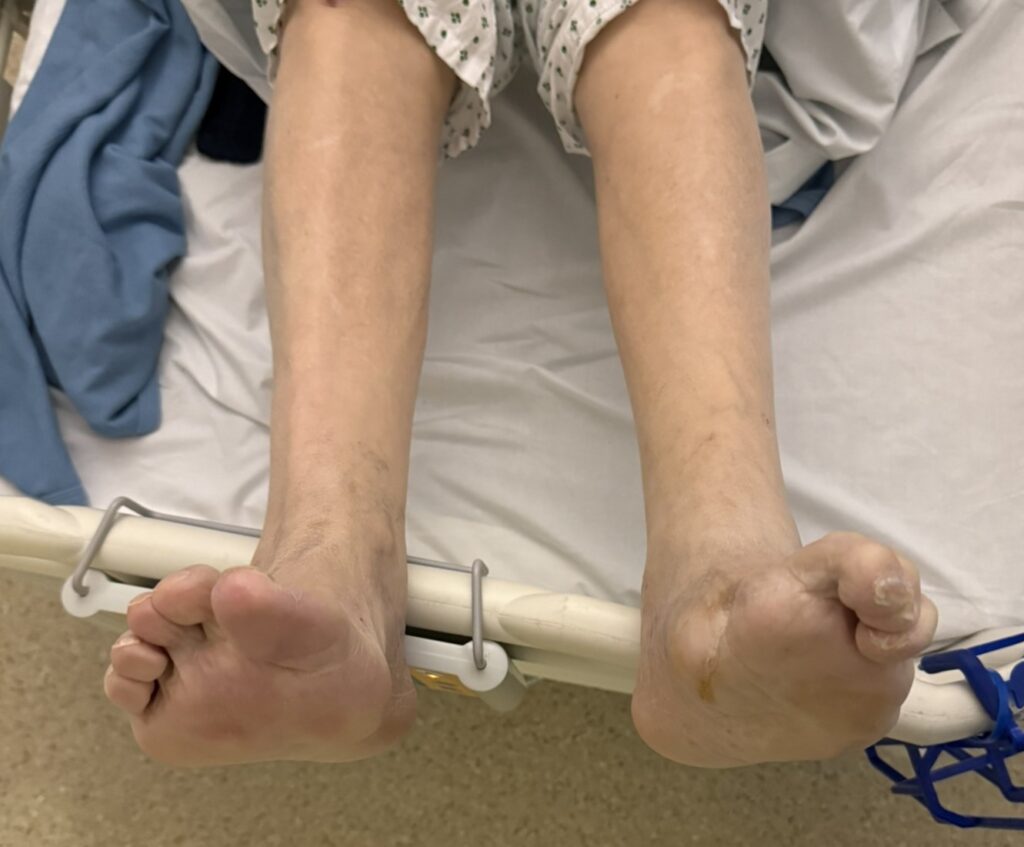
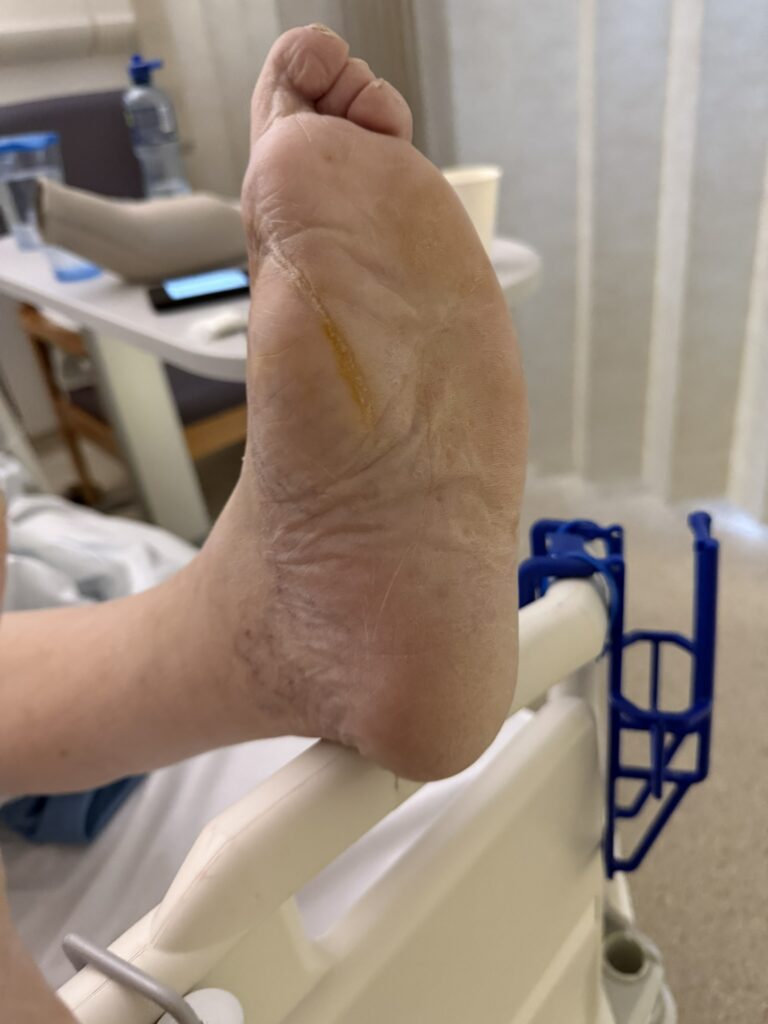
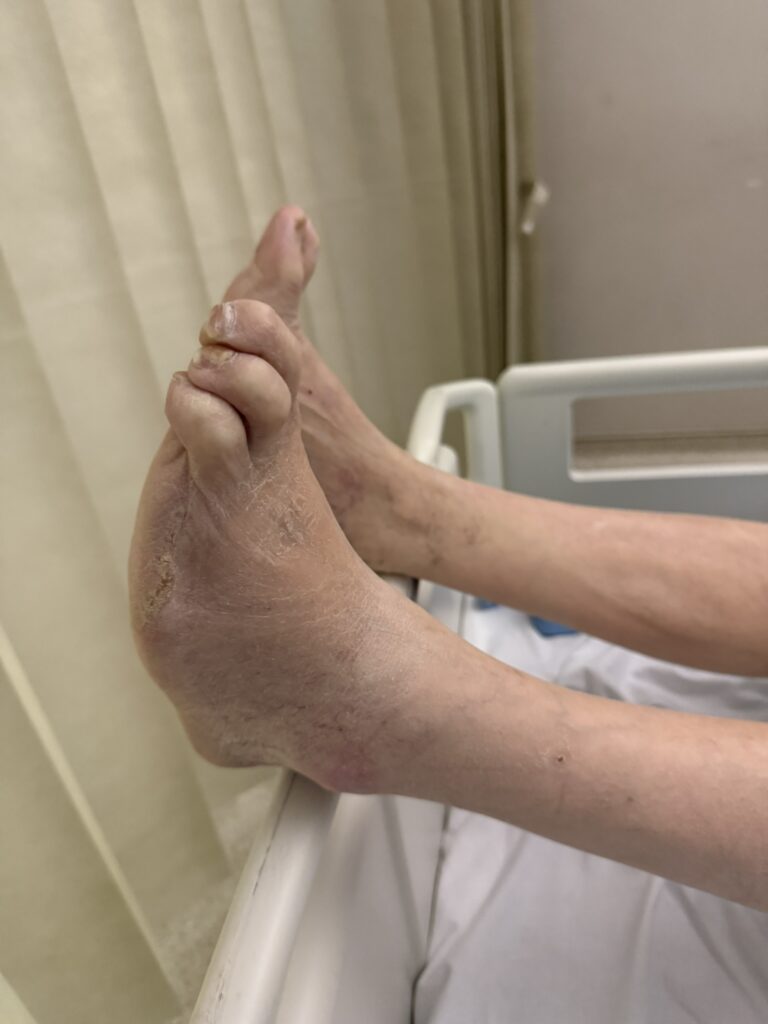
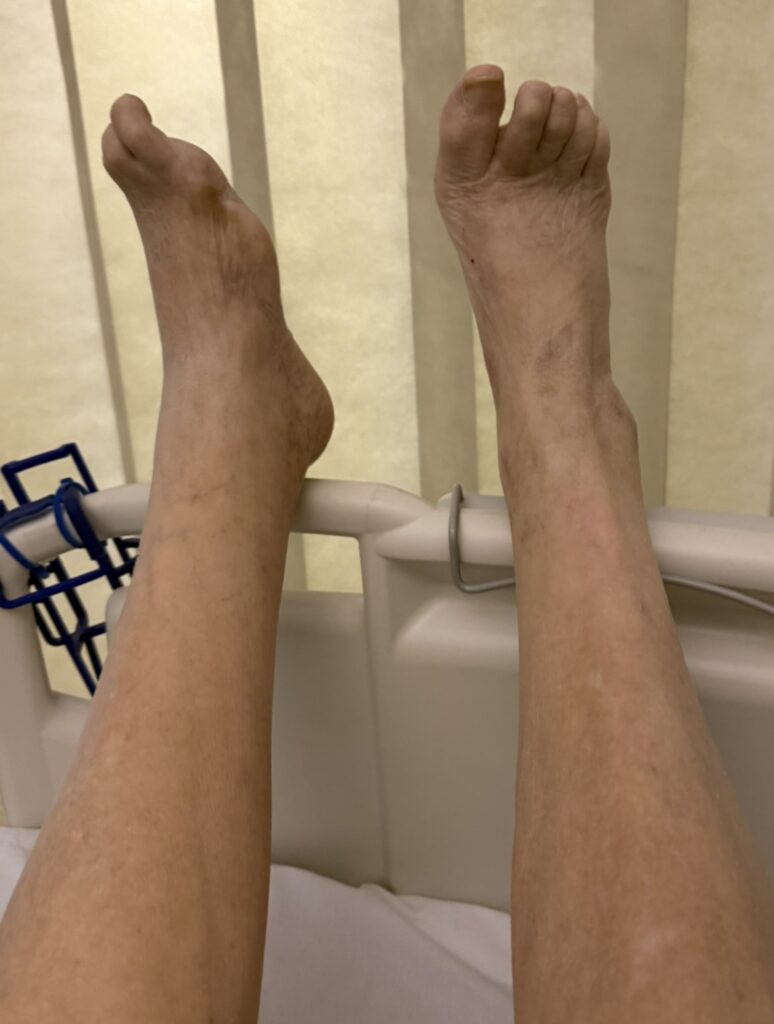
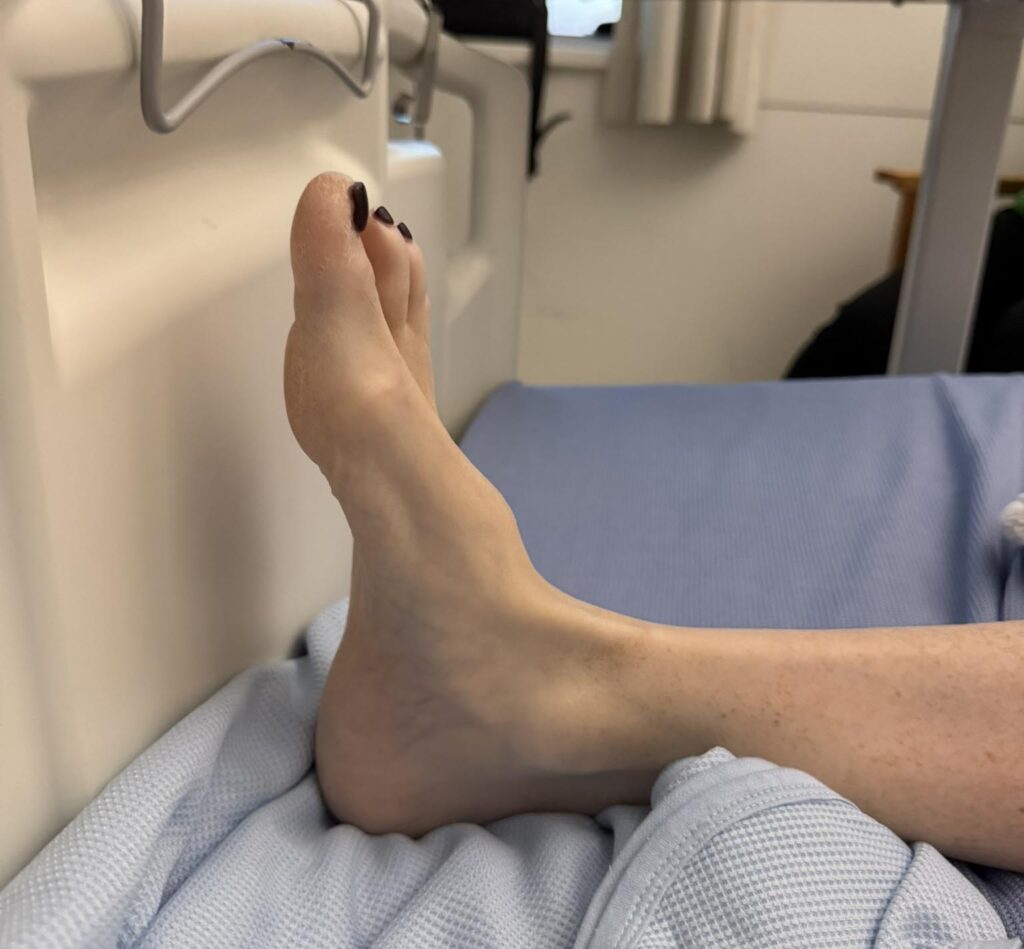
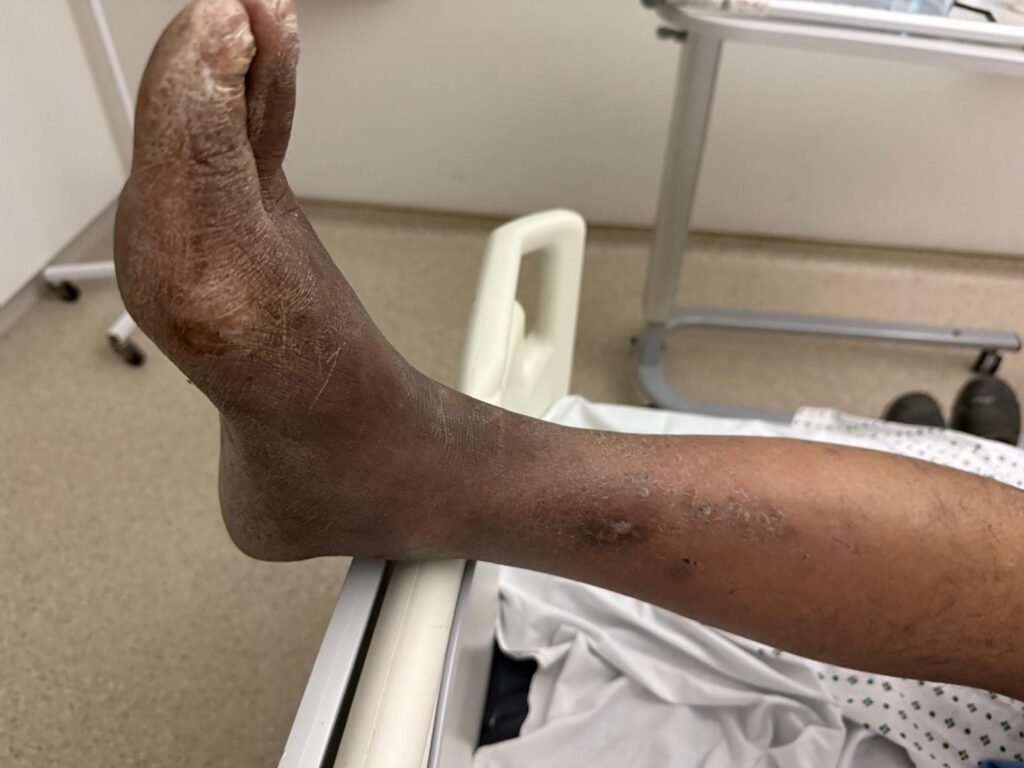
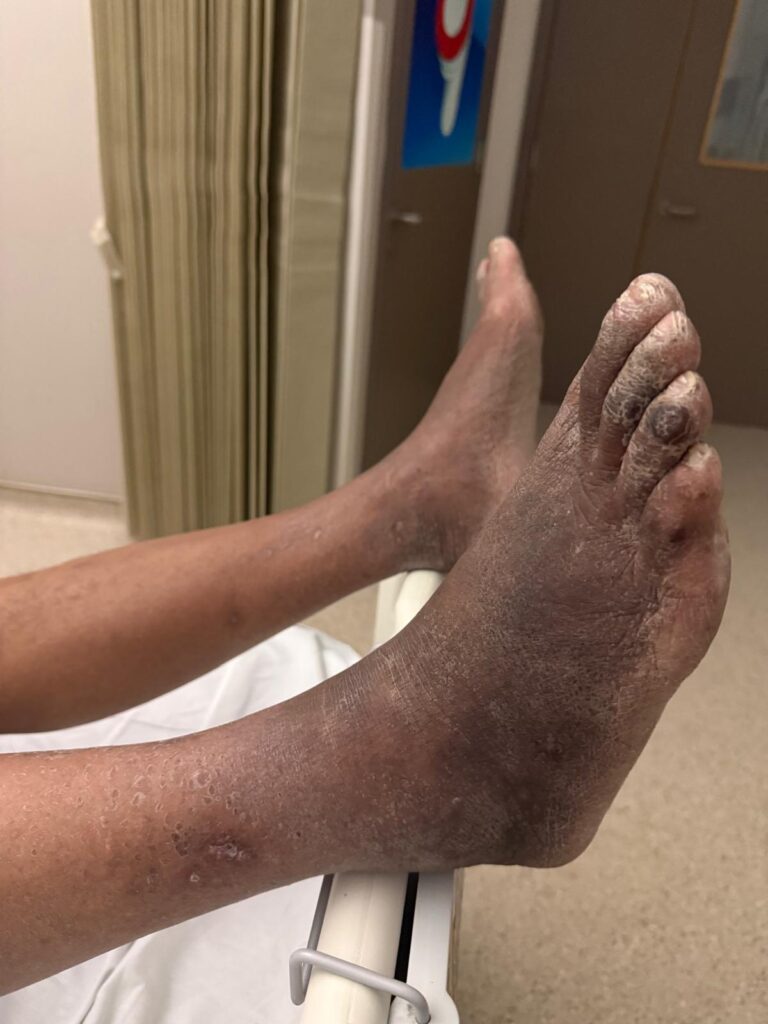
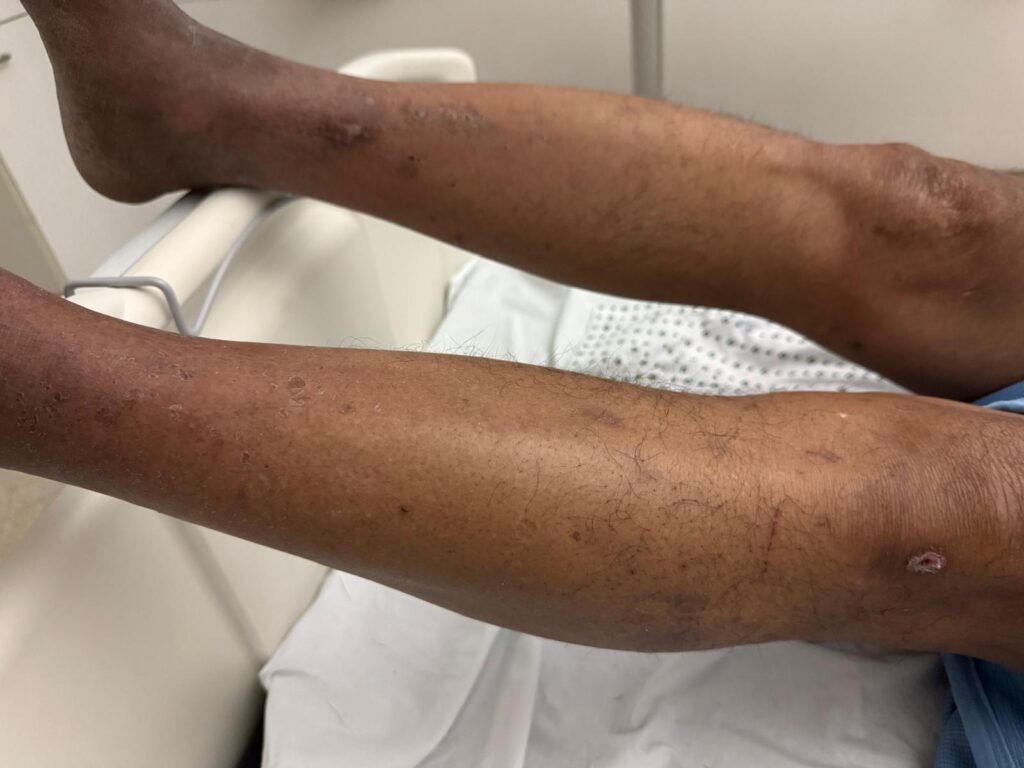
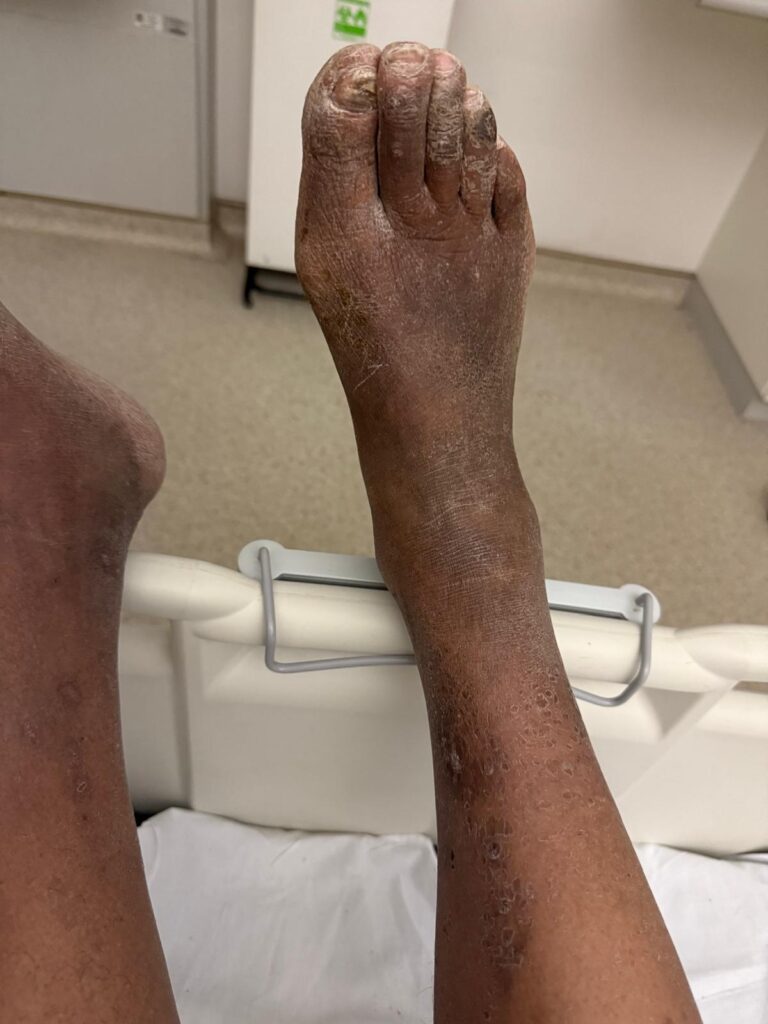
- Feet: increased shoe size; ankle oedema (fluid retention)
- Offer to measure height and weight (BMI)
ICE explanation template: “Your snoring and sleepiness are likely caused by a narrowing of your airway during sleep — the throat muscles relax and partially block airflow, which is called obstructive sleep apnoea. I would like to arrange some breathing tests, an overnight oxygen monitor, and refer you to a respiratory specialist. In the meantime: please stop driving, avoid alcohol and sedatives, try to lose weight, and try not to sleep on your back. I have also noticed some changes in your appearance that I would like to investigate further. There is a condition called acromegaly, where the body produces too much growth hormone, usually because of a small tumour in the pituitary gland at the base of the brain. This can cause the hands, feet and face to enlarge gradually. I would like to arrange blood tests, a brain scan, and a referral to a hormone specialist.”
3. Specific Investigations
Acromegaly — Hormonal
- IGF-1 (screening test): GH has a short half-life and is secreted in a pulsatile fashion; IGF-1 reflects GH secretion over the preceding 24 hours and is a static, reproducible measurement; also used for monitoring during treatment
- Oral glucose tolerance test (OGTT) — diagnostic test: in health, glucose suppresses GH to <0.3 µg/L; in acromegaly, GH is not suppressed (and may paradoxically rise)
- Pituitary hormone profile: ACTH, cortisol (short synacthen), TFTs, LH, FSH, oestradiol/testosterone, prolactin (co-secretion is common; galactorrhoea if prolactin elevated)
- Calcium: hypercalcaemia suggests MEN1 (hyperparathyroidism)
Acromegaly — Imaging
- MRI pituitary fossa: identifies macroadenoma (>10 mm) or microadenoma; assesses suprasellar extension and proximity to optic chiasm
- Formal visual field assessment (Humphrey or Goldmann perimetry)
- ECG and echocardiogram: acromegalic cardiomyopathy, hypertensive heart disease
- CXR: cardiomegaly
- Bone profile: calcium, phosphate, ALP
Acromegaly — Complication Monitoring
- HbA1c and fasting glucose
- Fasting lipid profile
- Blood pressure
- Colonoscopy at diagnosis and every 3–5 years (colonic polyp and colorectal cancer surveillance)
OSA Investigations
- Epworth Sleepiness Scale (score 0–24; score >9 = refer to respiratory)
- Overnight pulse oximetry: frequency of 4% dips in oxygen saturation
- Polysomnography: apnoea-hypopnoea index (AHI); AHI >15/hour = moderate OSA
- TFTs, HbA1c, lipids, ABG, spirometry, BMI, BP
4. Management
Acromegaly
- First-line — Transphenoidal surgery: debulking or curative resection of pituitary adenoma; approach via nasal cavity; highly effective for microadenomas
- Radiotherapy (gamma knife / stereotactic): adjuvant if surgery incomplete or incomplete response; or primary treatment if patient unfit for surgery; GH levels fall slowly over years
- Somatostatin analogues: octreotide, lanreotide — inhibit GH secretion; used pre-operatively to shrink tumour or post-operatively if residual disease; given as monthly long-acting depot injections
- Dopamine agonists: bromocriptine, cabergoline — less effective than somatostatin analogues; useful if prolactin is also elevated
- GH receptor antagonist: pegvisomant — blocks peripheral GH action; for somatostatin analogue-resistant or intolerant patients; normalises IGF-1 effectively
- Stop driving if visual symptoms; optimise hypertension and diabetes
Ongoing Surveillance
- Annual IGF-1, GH, prolactin levels
- Annual visual fields assessment
- Annual vascular assessment — ECG, CXR, glucose
- Colonoscopy every 3–5 years
- Note: most structural features (prognathism, enlarged hands/feet) do not regress after treatment; features of active disease (sweating, soft tissue swelling) can regress
Manage Complications
- Secondary diabetes: metformin, GLP-1 analogues, insulin
- Hypertension: antihypertensives (ACE inhibitors or ARBs preferred if diabetes)
- Carpal tunnel syndrome: nocturnal splinting; surgical decompression if severe
- Hypogonadism: testosterone or oestrogen replacement as appropriate
- Screen and manage MEN1 if calcium elevated: refer to endocrinology
- Endocrine replacement if panhypopituitarism post-surgery: hydrocortisone, levothyroxine, sex hormone replacement, GH replacement if deficient post-treatment
OSA Management
- Lifestyle: stop driving, stop smoking, weight loss, avoid alcohol and sedatives/sleeping tablets, avoid supine sleeping position
- Intraoral mandibular advancement device: mild OSA
- CPAP (continuous positive airway pressure): moderate-to-severe OSA — titrated overnight in a sleep unit
- Address acromegaly as underlying cause — treatment of acromegaly often improves OSA significantly
Acromegaly Cheat Sheet
| Domain | Summary |
|---|---|
| Aetiology | Excess GH secretion; >95% caused by a benign pituitary adenoma (somatotroph cells); rarely ectopic GHRH secretion from carcinoid or pancreatic tumour; can be part of MEN1 — check calcium |
| Clinical Features |
Appearance: enlarged hands, feet, head, tongue; prognathism; supraorbital ridges; malocclusion; coarse facies; oily/acneiform skin; hirsutism; macroglossia Active disease markers: sweating, skin tags, acne, ankle oedema Mass effect: headache, bitemporal hemianopia, CN III/IV/VI palsies Complications: diabetes (1 in 5), hypertension (1 in 3), carpal tunnel, OSA, osteoarthritis, proximal myopathy, gonadal dysfunction, galactorrhoea (prolactin co-secretion), colonic polyps, acromegalic cardiomyopathy |
| Investigations | IGF-1 (screening); OGTT — GH not suppressed (diagnostic); MRI pituitary; formal visual fields; pituitary hormone profile (ACTH, cortisol, TFTs, LH/FSH, sex hormones, prolactin); calcium (MEN1); HbA1c; lipids; ECG/echo; colonoscopy at diagnosis |
| Treatment | 1st: transphenoidal surgery. 2nd: radiotherapy (gamma knife). Medical: somatostatin analogues (octreotide, lanreotide); dopamine agonists (cabergoline — if prolactin elevated); GH receptor antagonist (pegvisomant — resistant disease). Annual IGF-1/GH/prolactin + visual fields + vascular screen. Colonoscopy every 3–5 years |
| OSA in Acromegaly | Common complication — macroglossia, soft tissue enlargement and bony changes narrow the upper airway. Epworth >9: refer to respiratory. Overnight oximetry (4% desaturation dips). Polysomnography: AHI >15/hr = moderate OSA. Treat: lifestyle, intraoral device (mild), CPAP (moderate-severe). Treating acromegaly itself improves OSA |
| MEN1 Association | Multiple Endocrine Neoplasia type 1: pituitary adenoma + primary hyperparathyroidism + pancreatic neuroendocrine tumour. Check serum calcium in all acromegaly patients. Refer to endocrinology if hypercalcaemia |
| Differentials | Gigantism (GH excess before epiphyseal fusion, presents in childhood/adolescence); Marfan’s syndrome (tall, arachnodactyly, but no GH excess); MEN2b (Marfanoid habitus, mucosal neuromas); familial tall stature; thyroid acropachy; pachydermoperiostosis (periosteal proliferation without GH excess) |
| Driving | Must stop driving if: daytime sleepiness (OSA), visual field defect (bitemporal hemianopia), or until OSA adequately treated. Notify DVLA. Group 2 drivers: stricter vision criteria apply |
☐