Get the PACESAid Advantage
Exam-focussed, high-yield, interactive textbook designed to guarantee success in your PACES exams.
Why PACESAid?
The PACESAid Method
- ✅ High-yield guide - Comprehensive coverage of the most common exam presentations, based on our national PACES23 meta-analysis surveys.
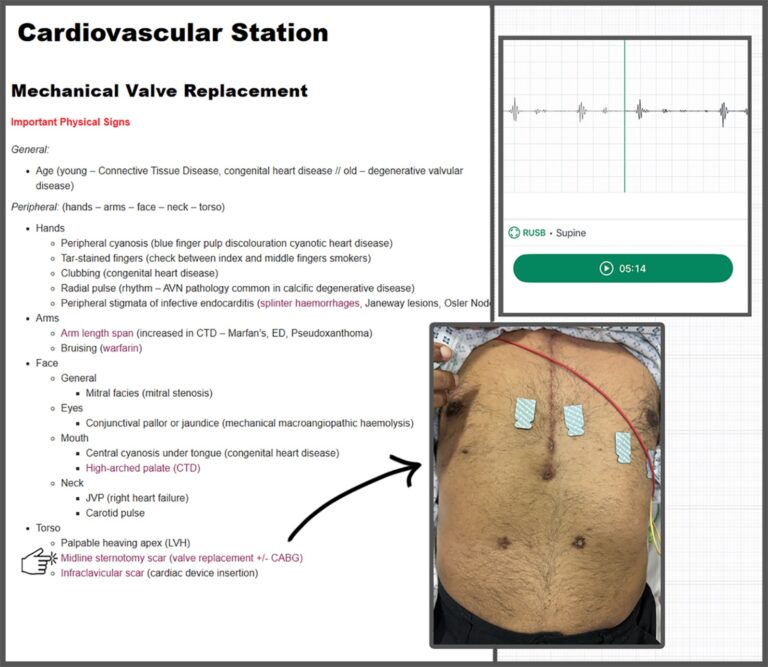
- ✅ Interactive Textbook - Simulated learning with real patient auscultation recordings featuring exam-like cardiac murmurs and lung sounds.
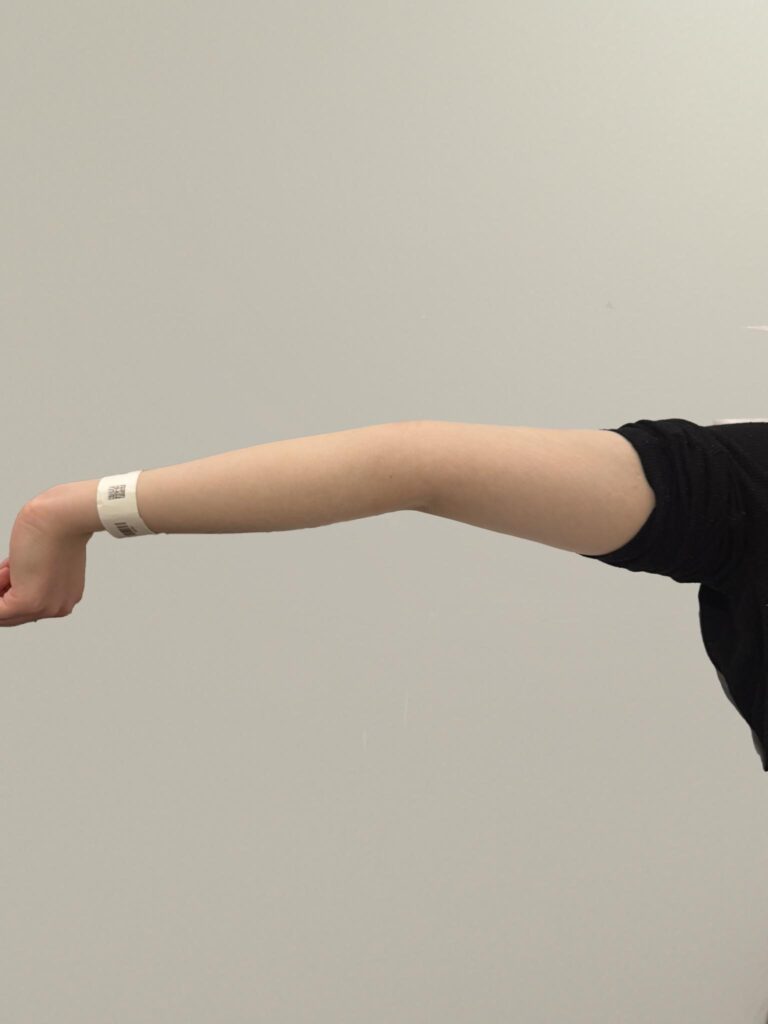
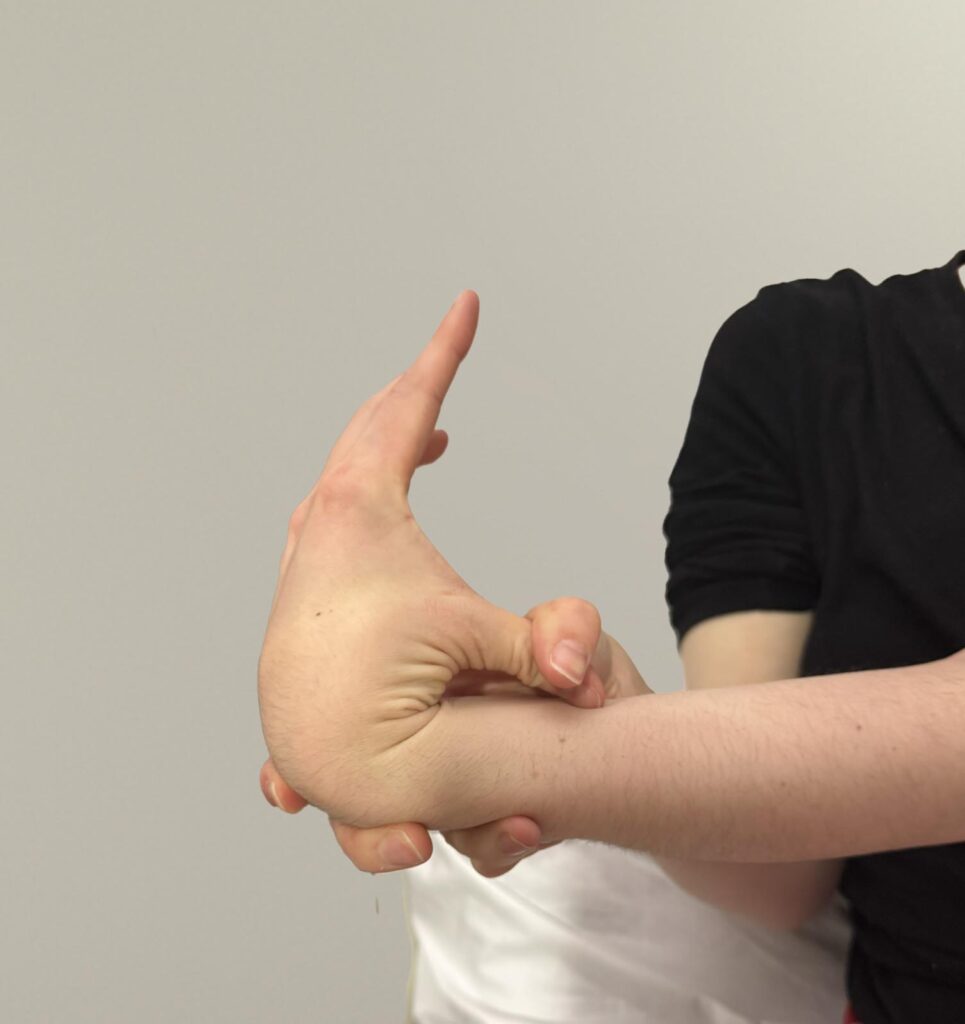
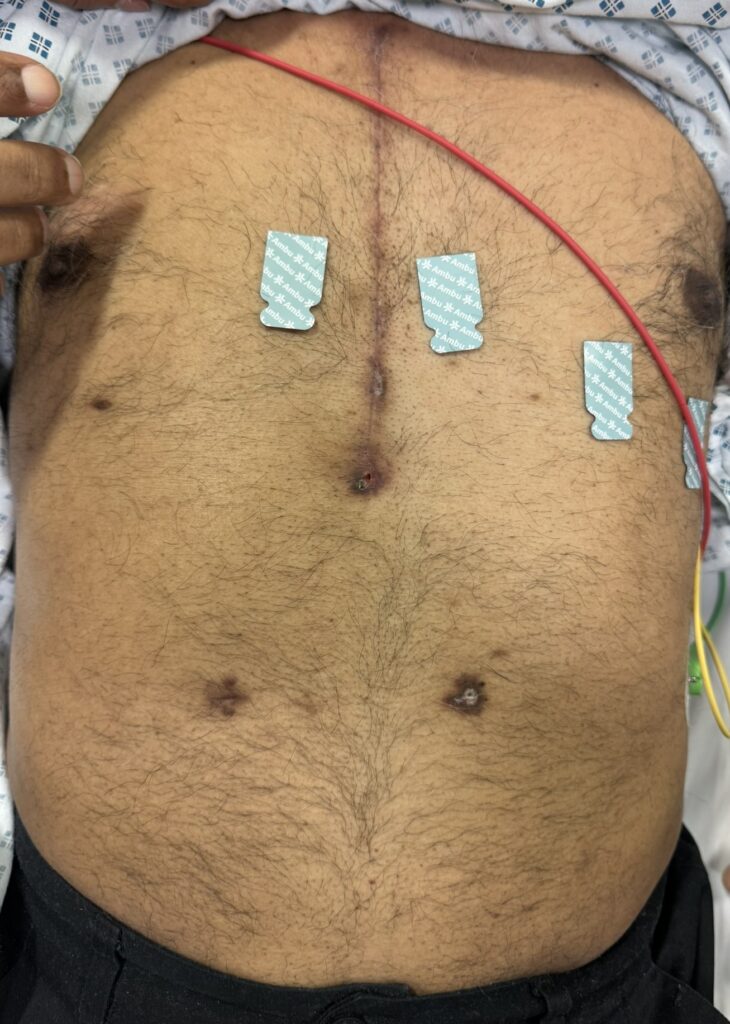
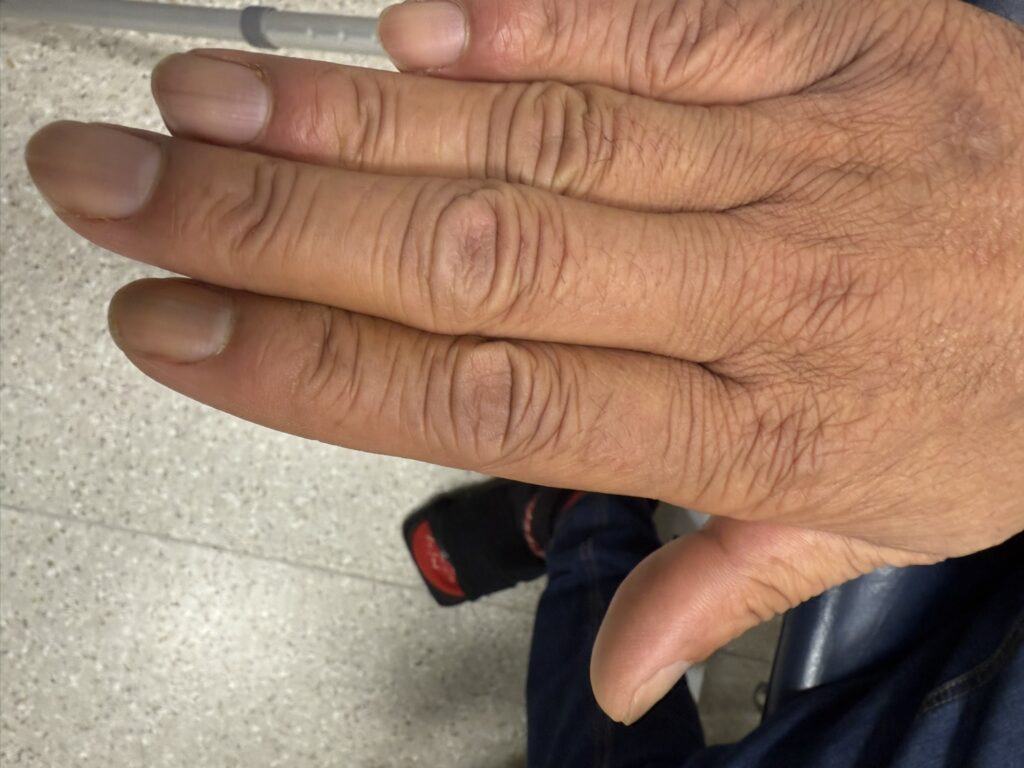
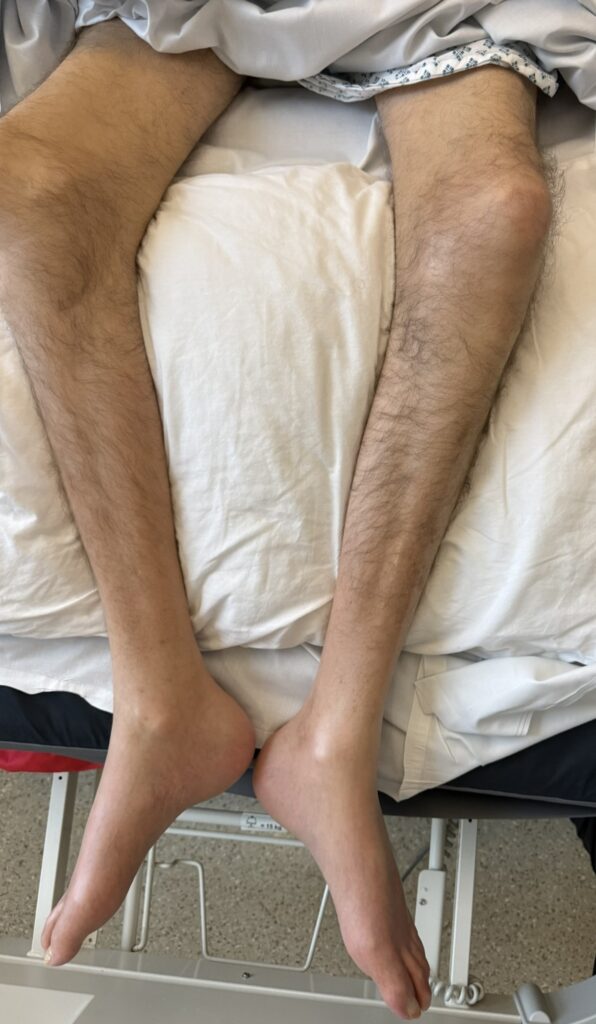
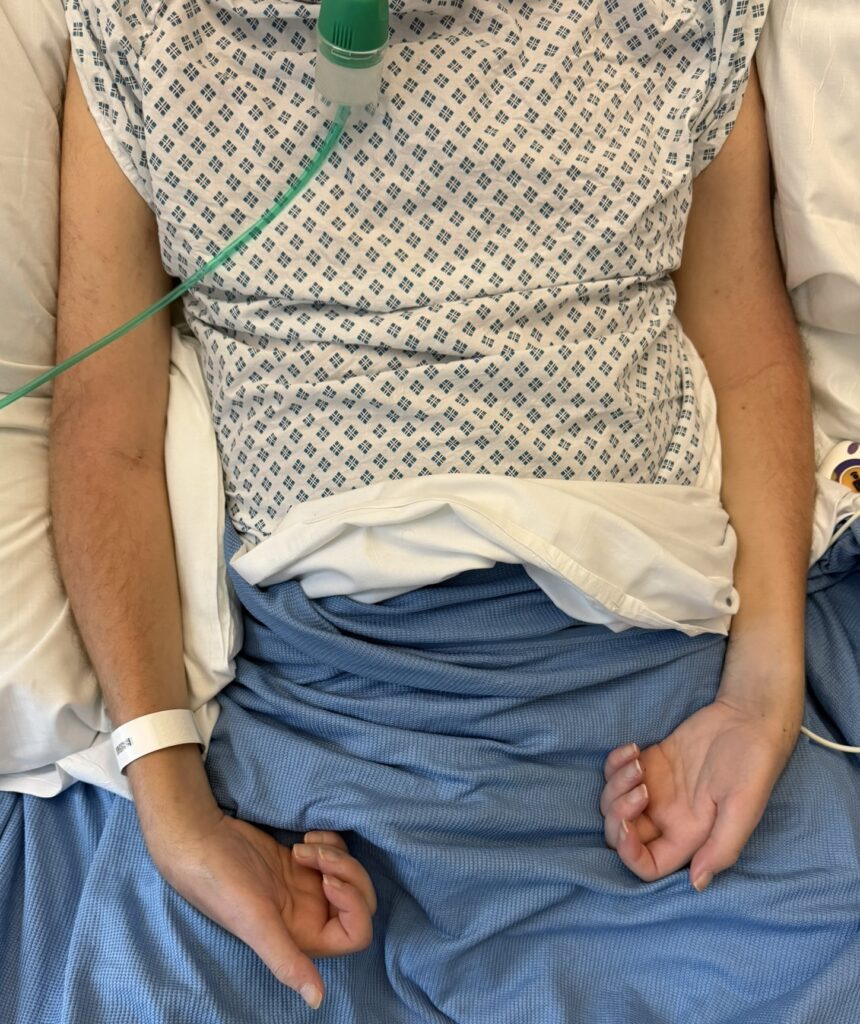
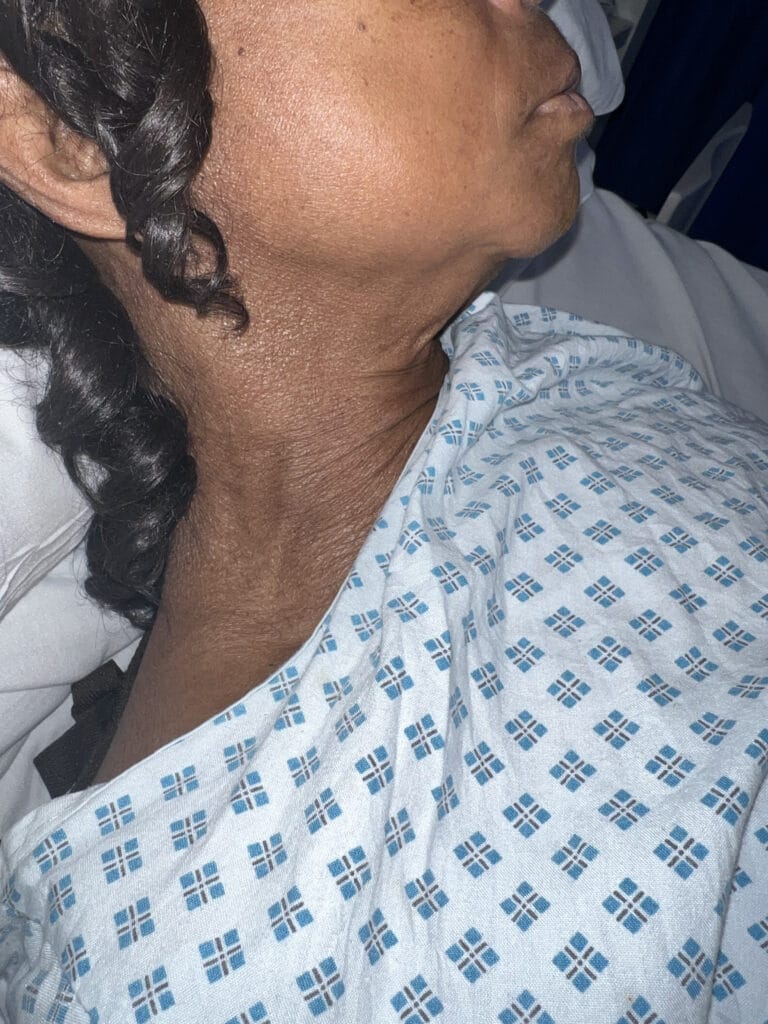
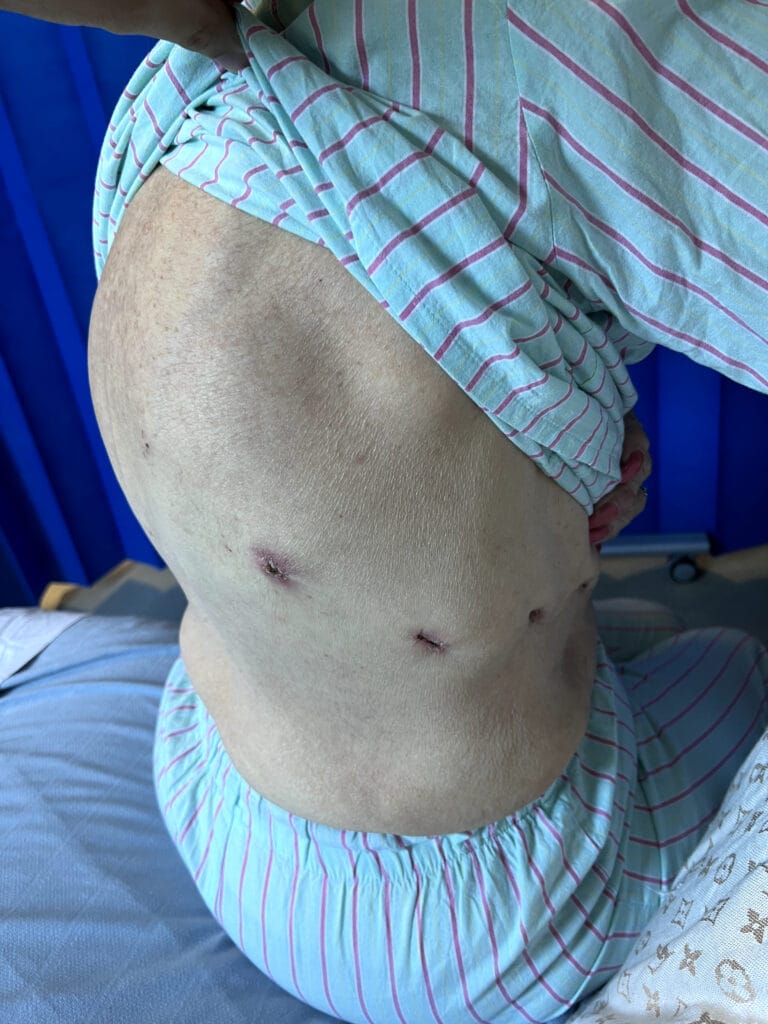
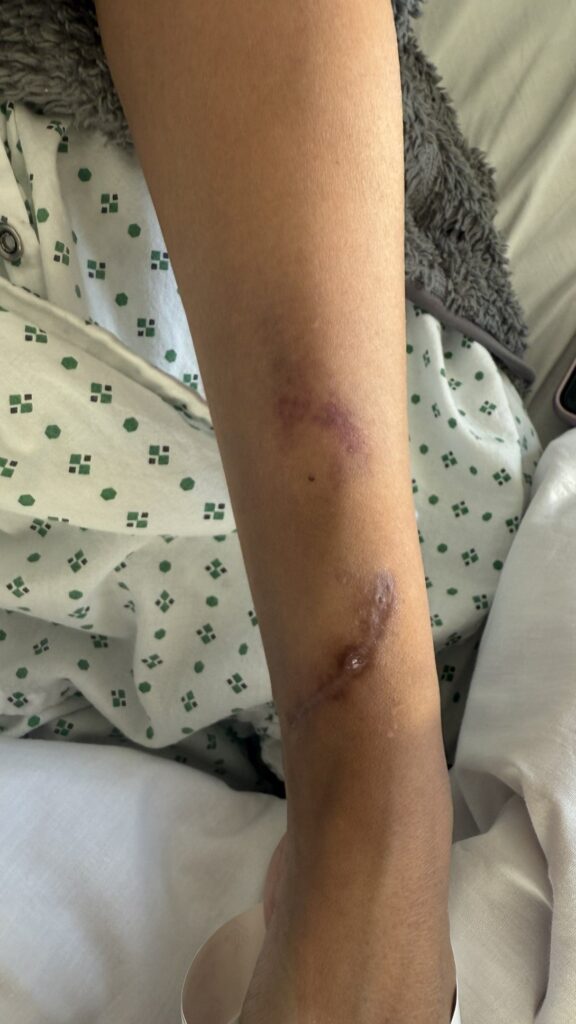
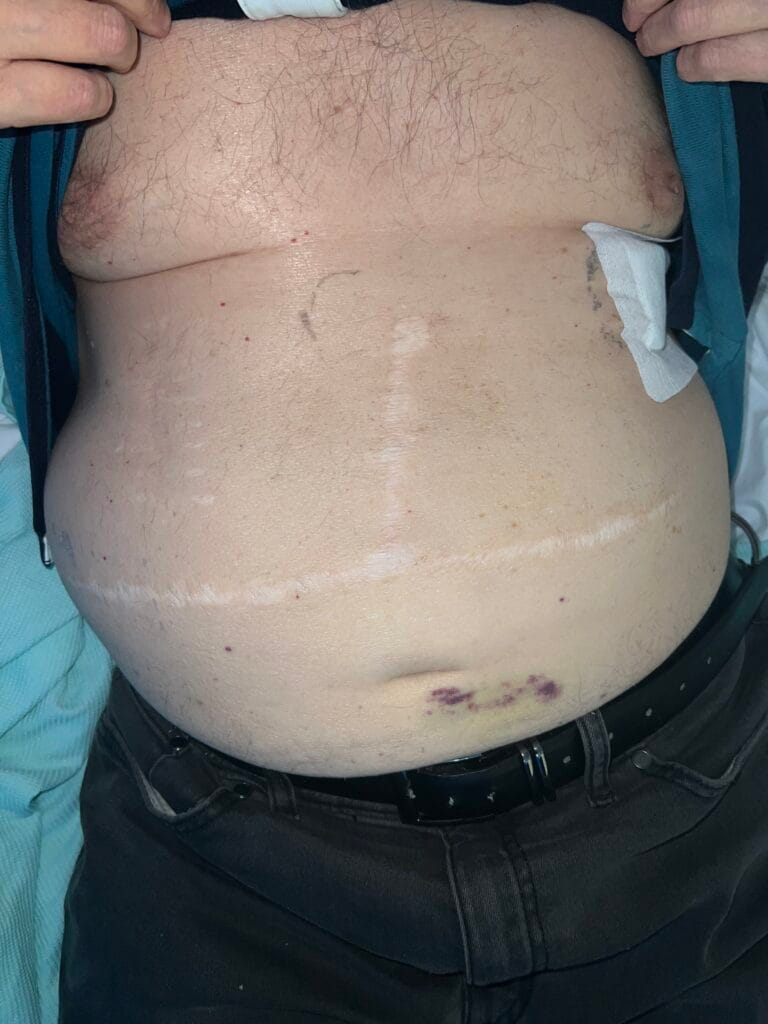
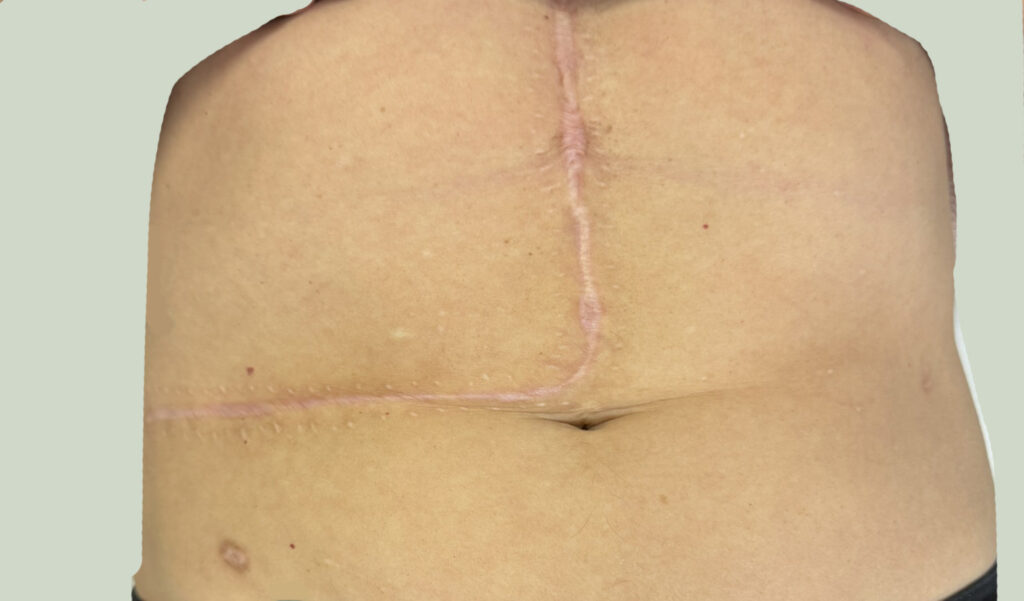
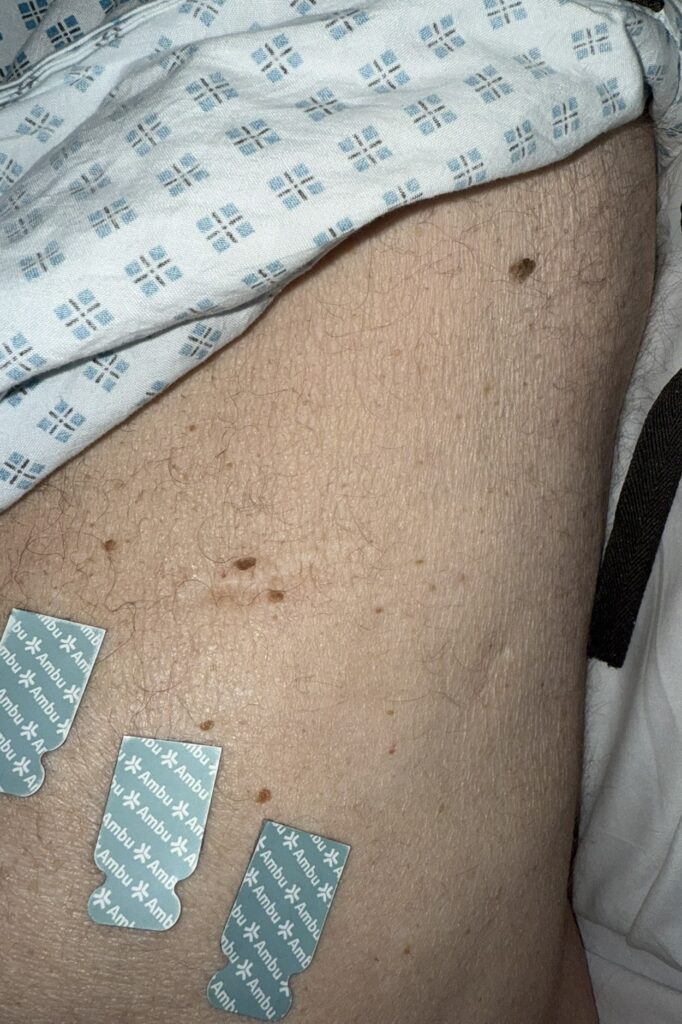
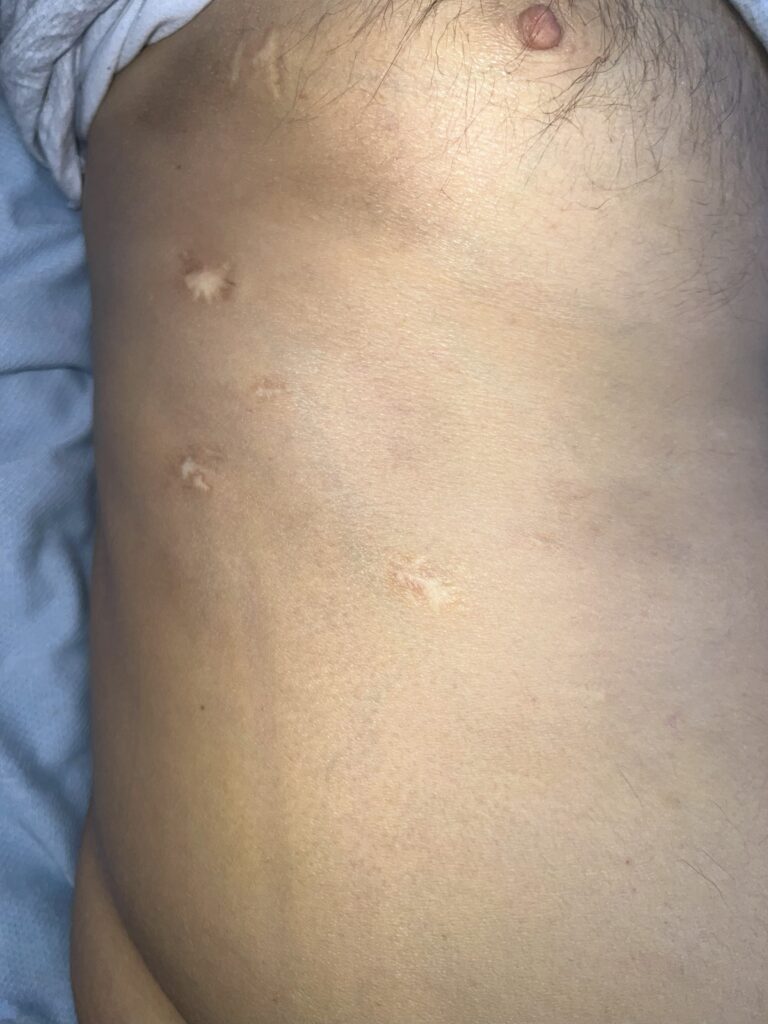
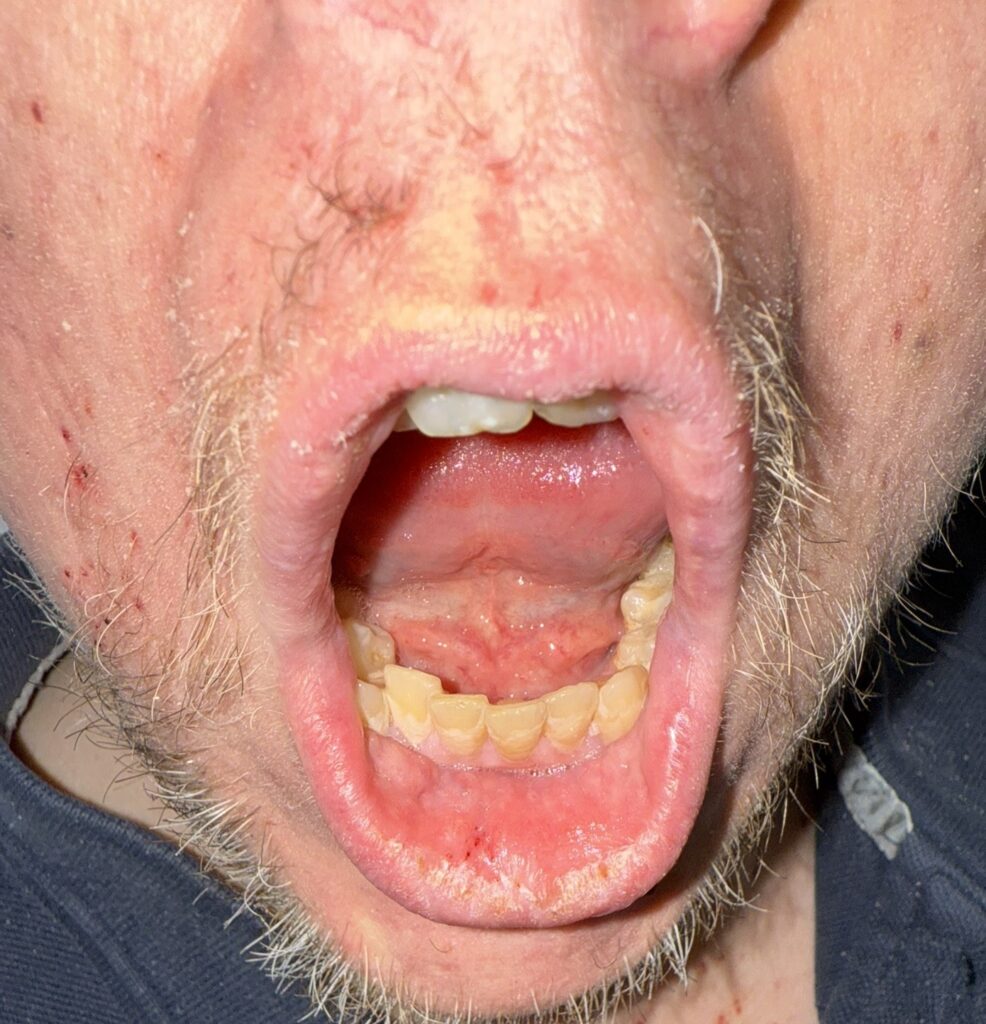
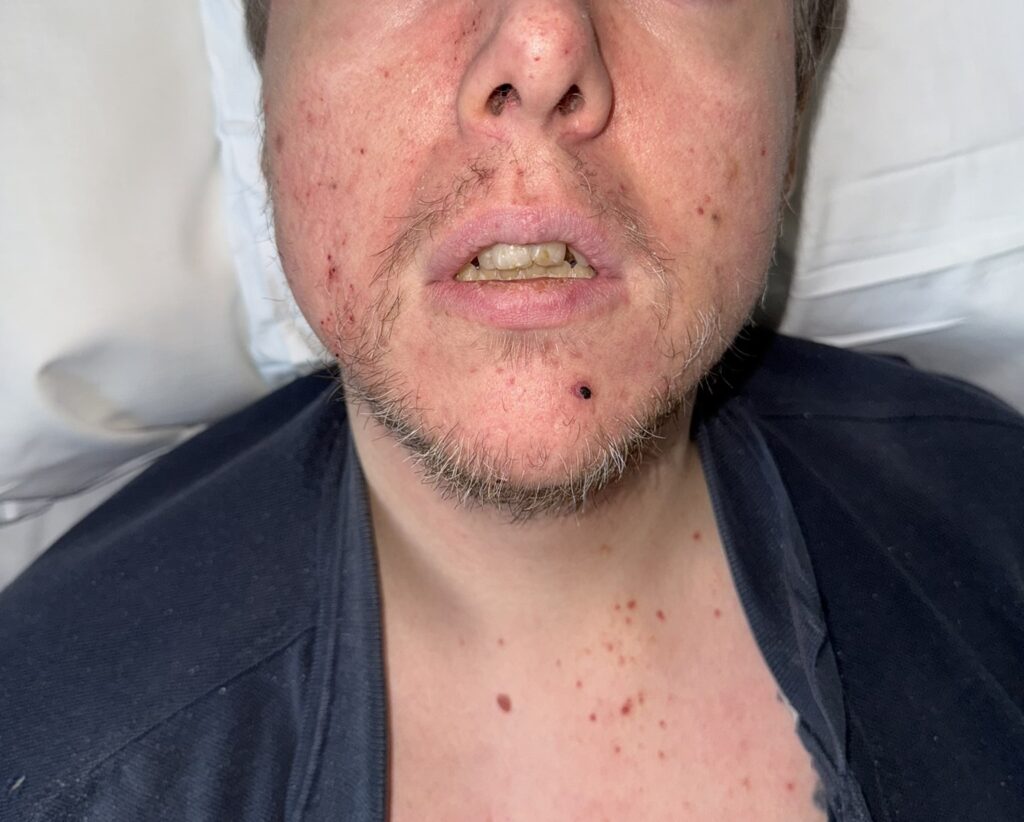
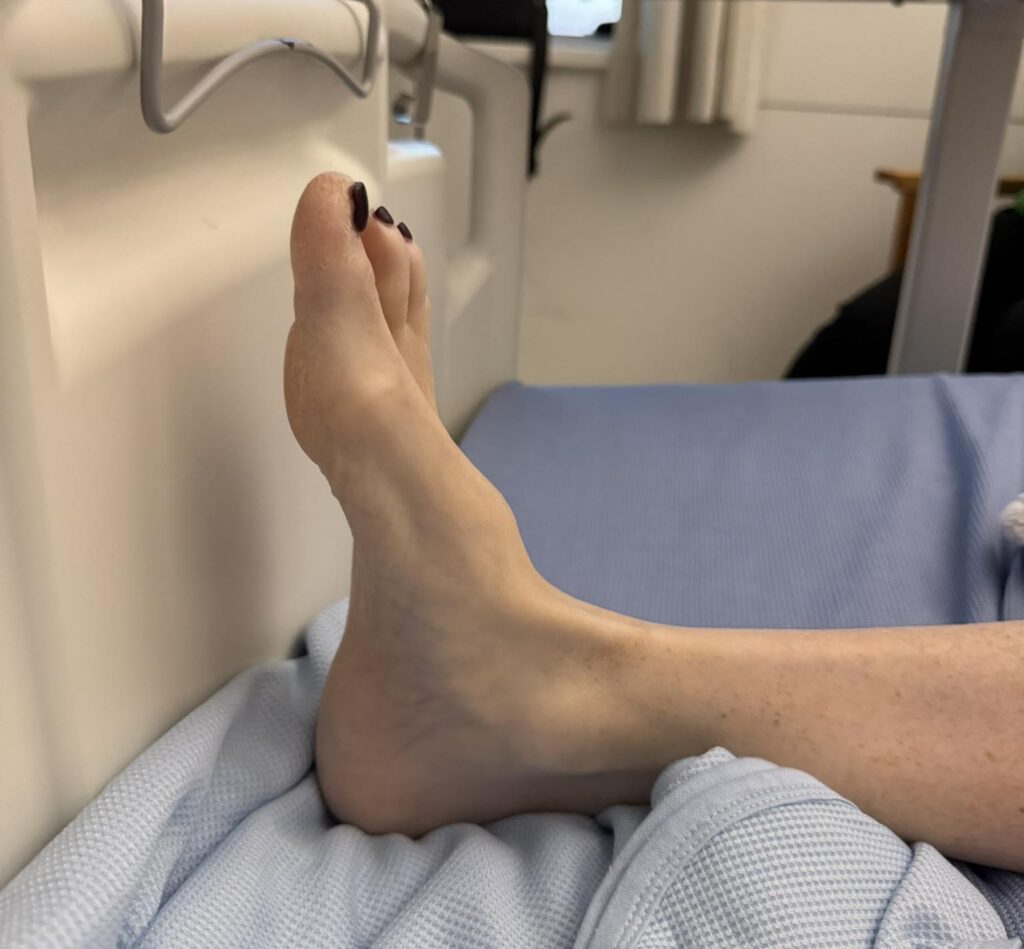
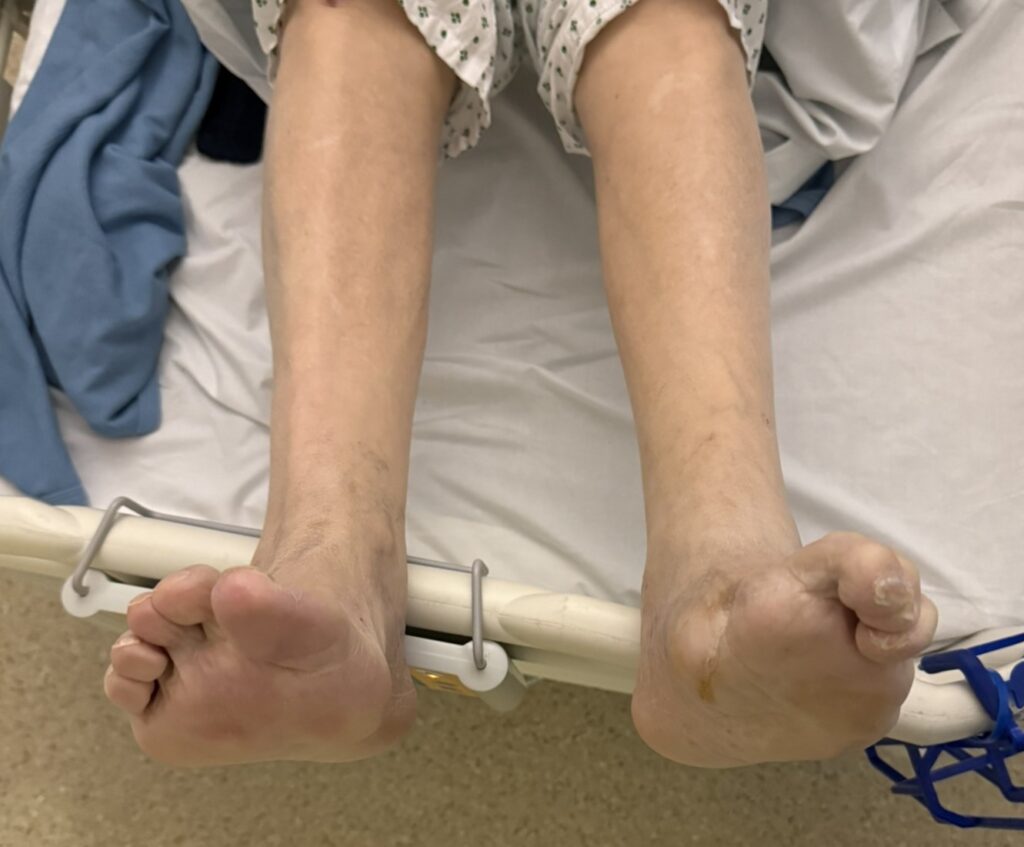
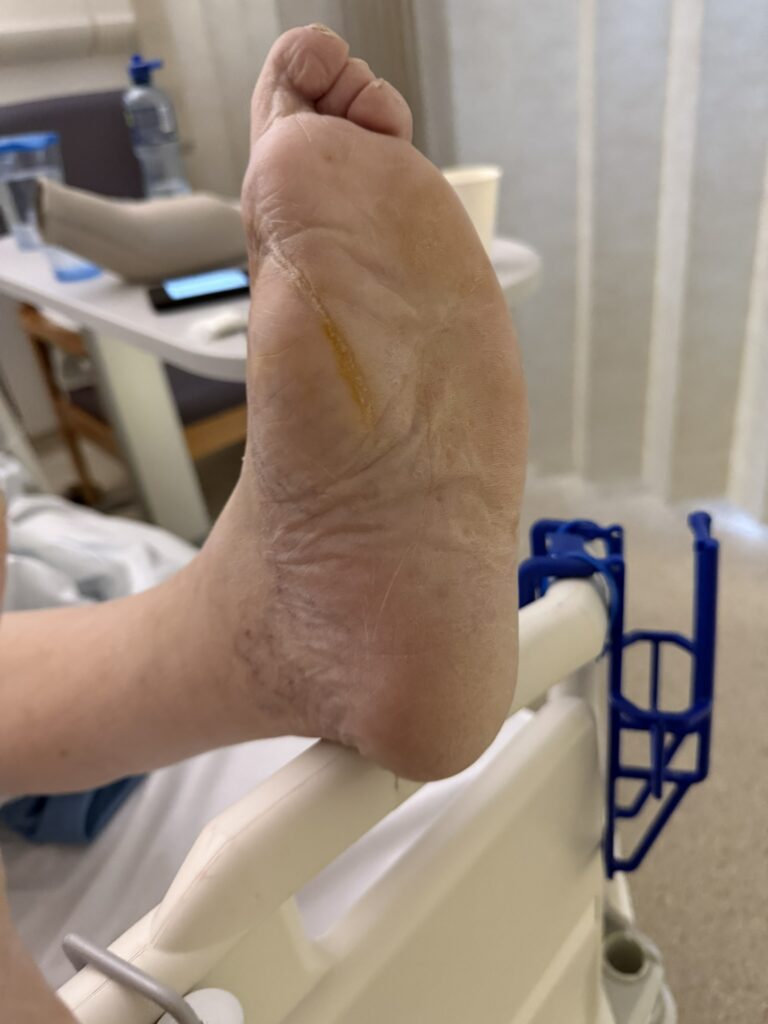
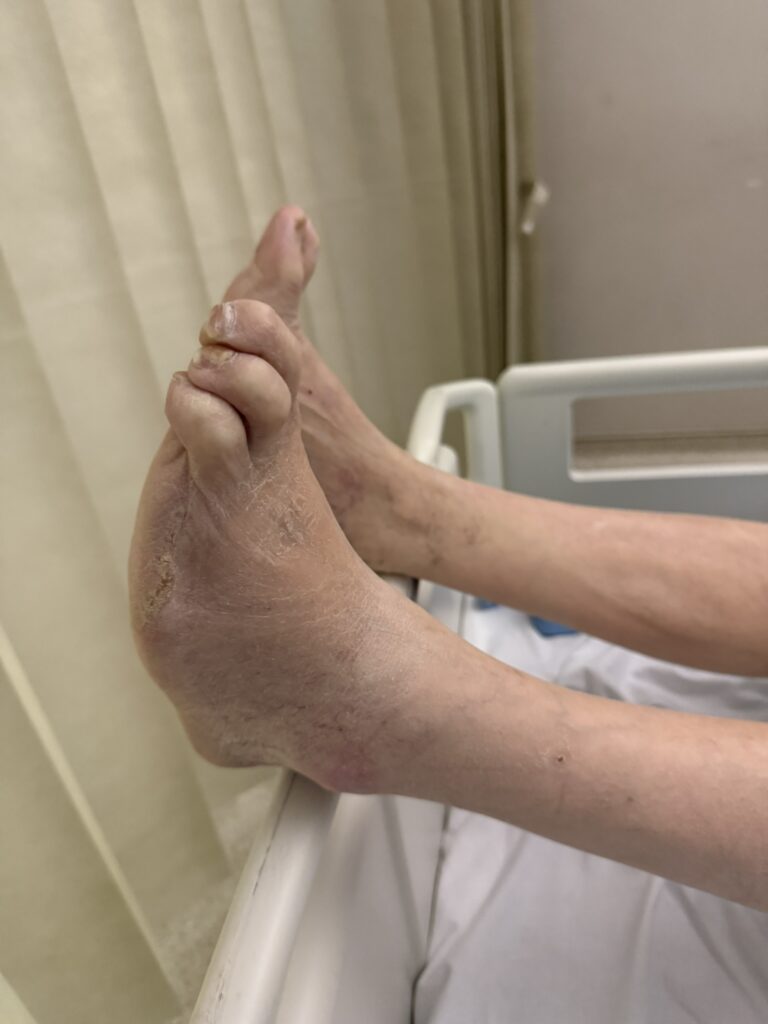
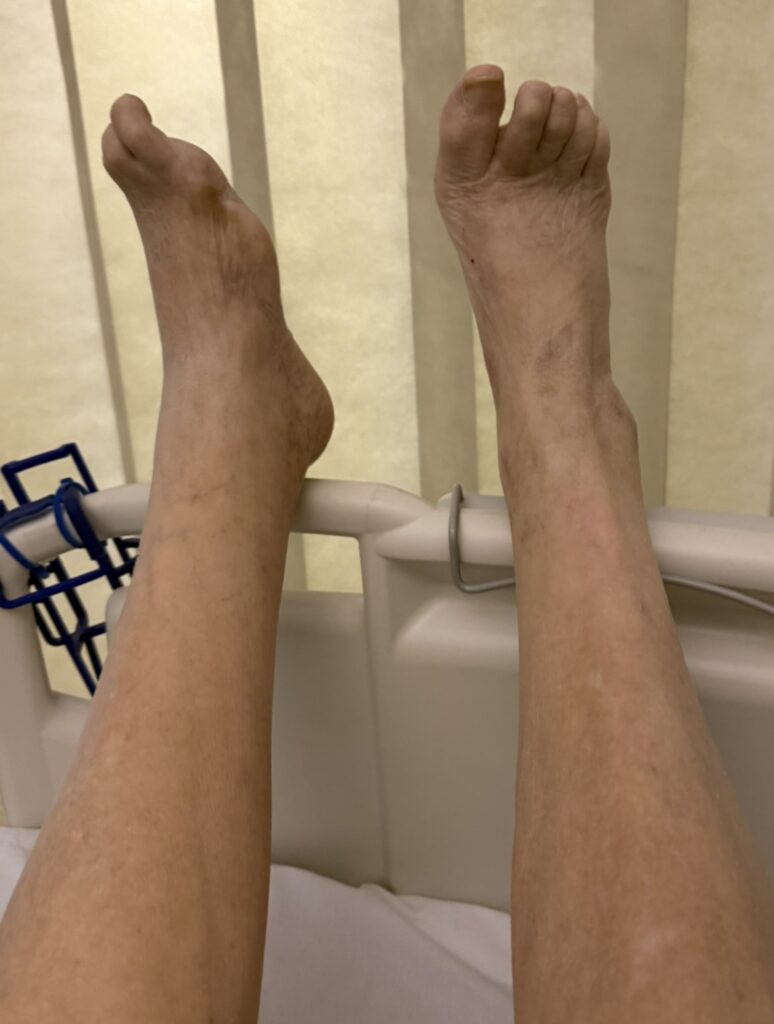
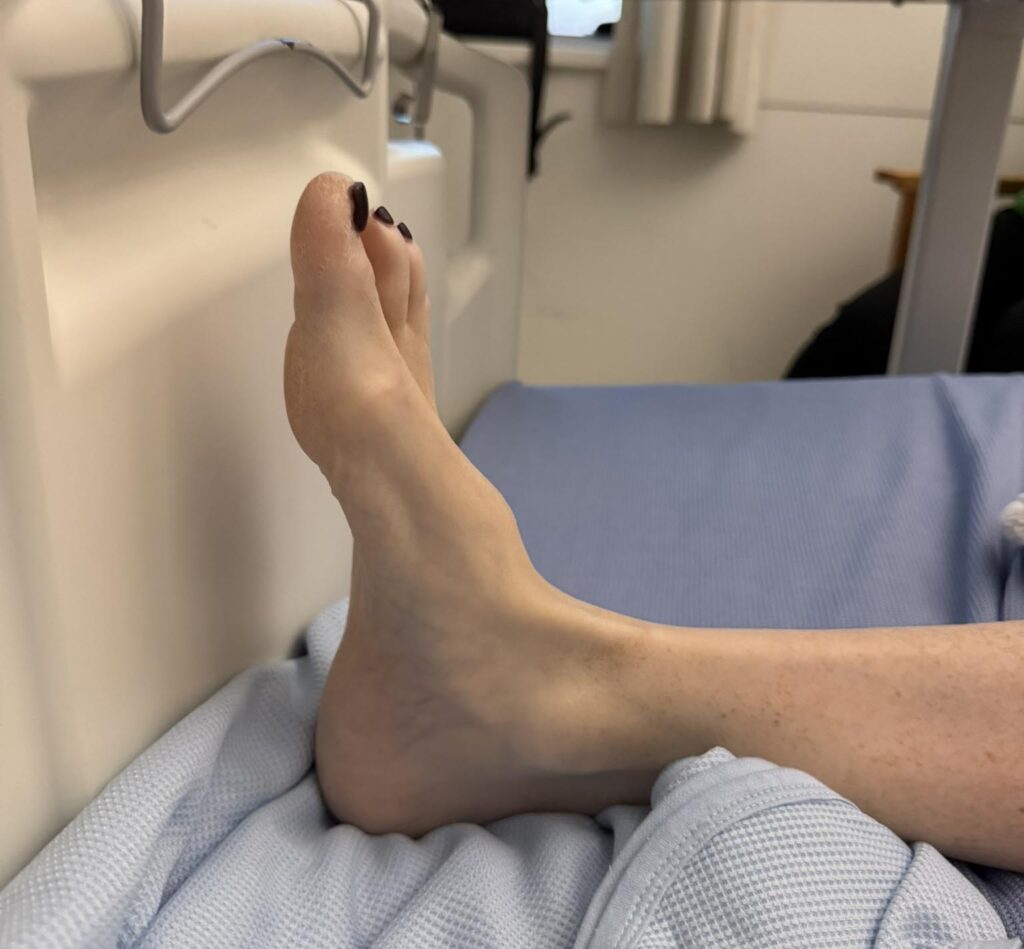
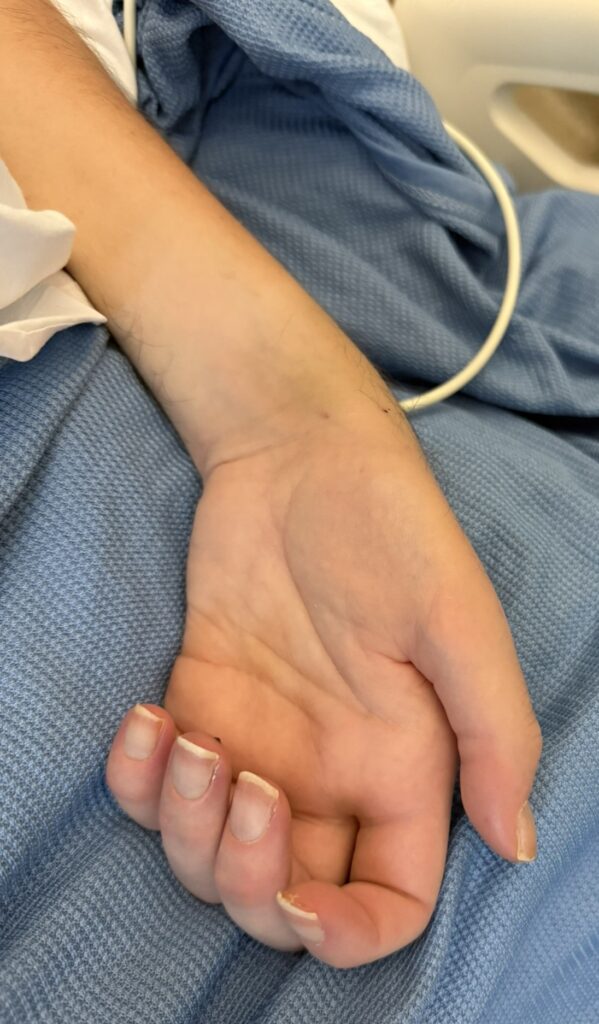
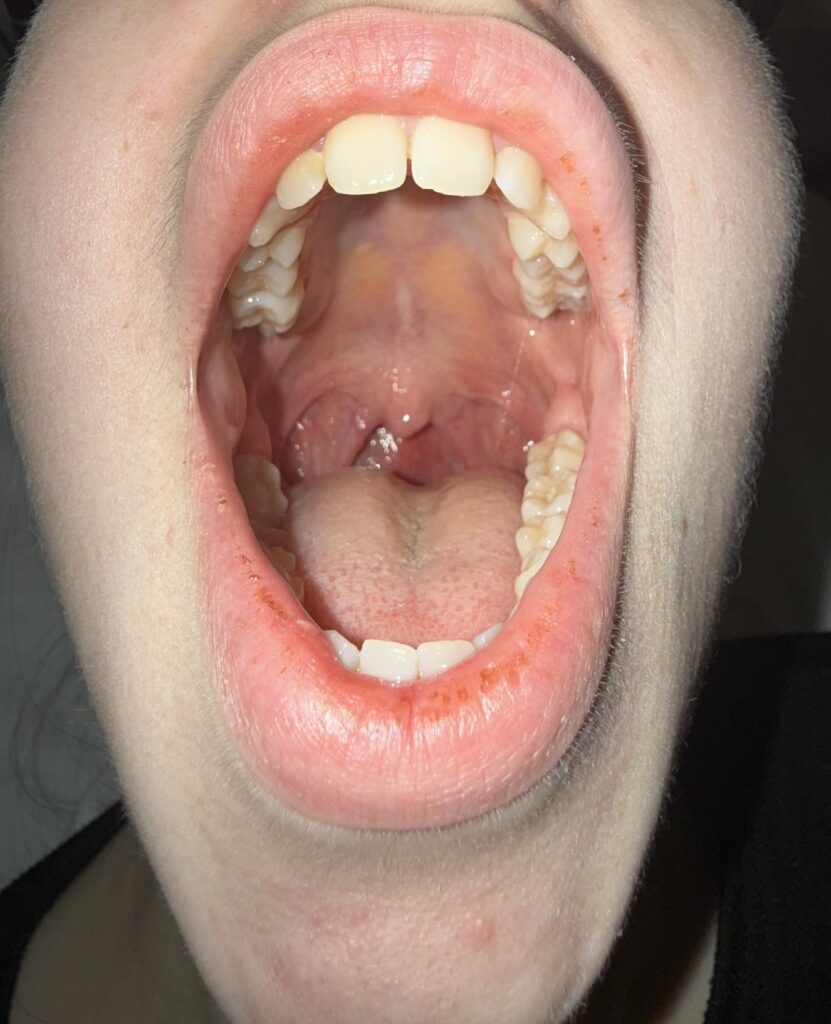
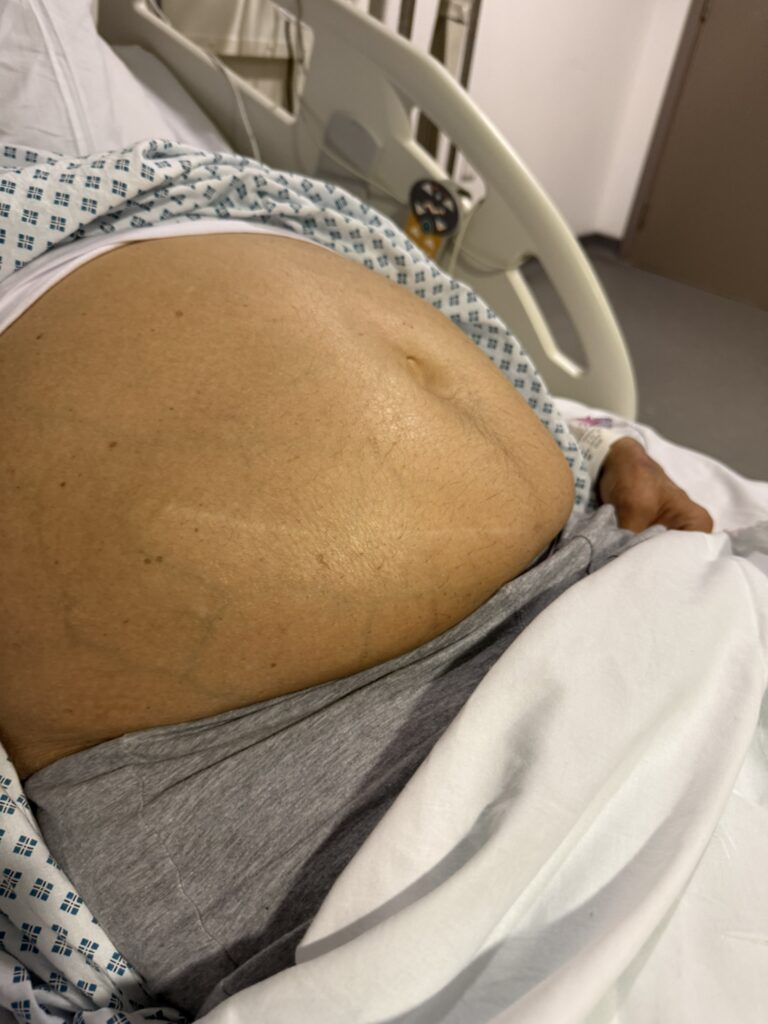
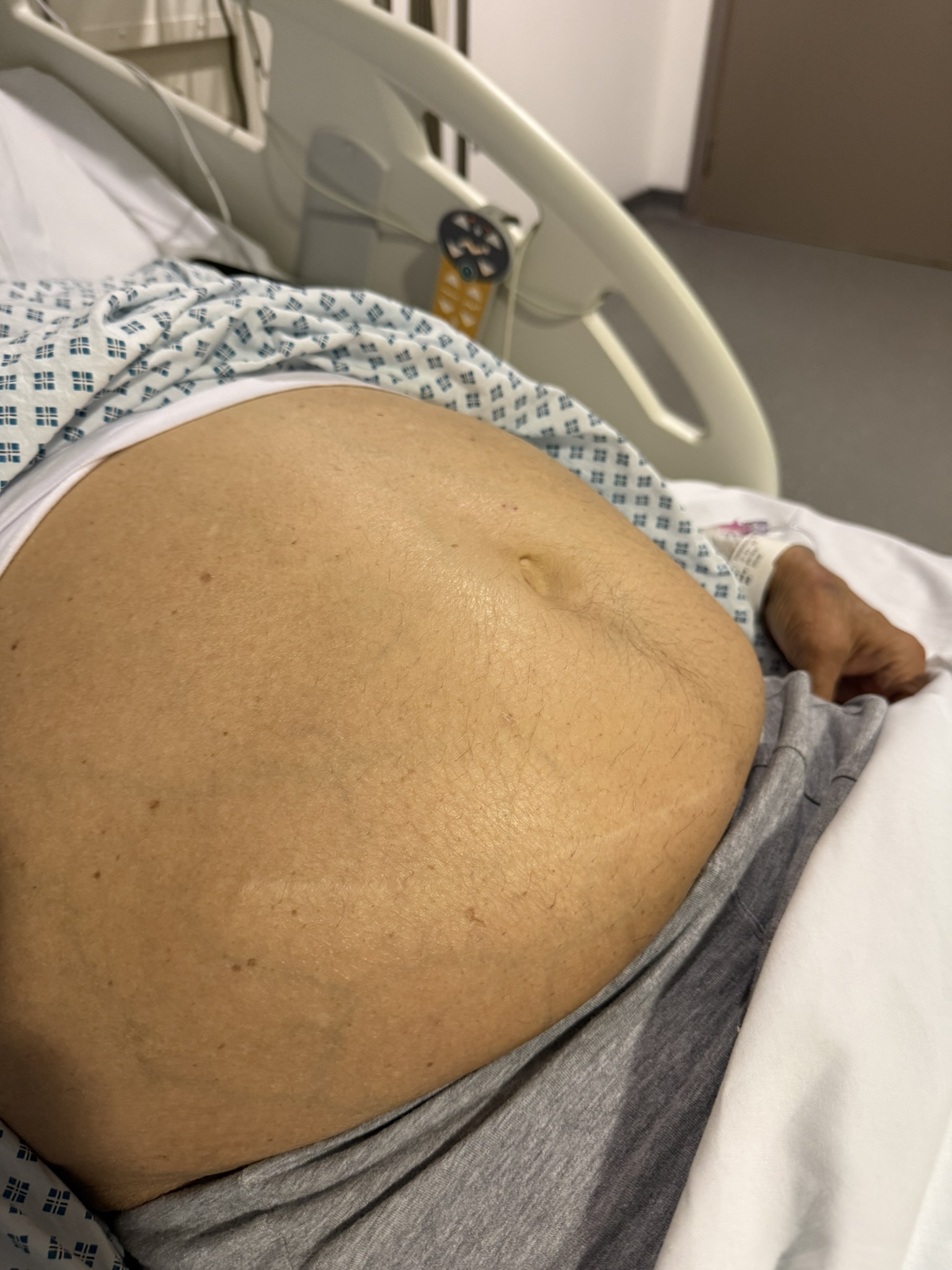
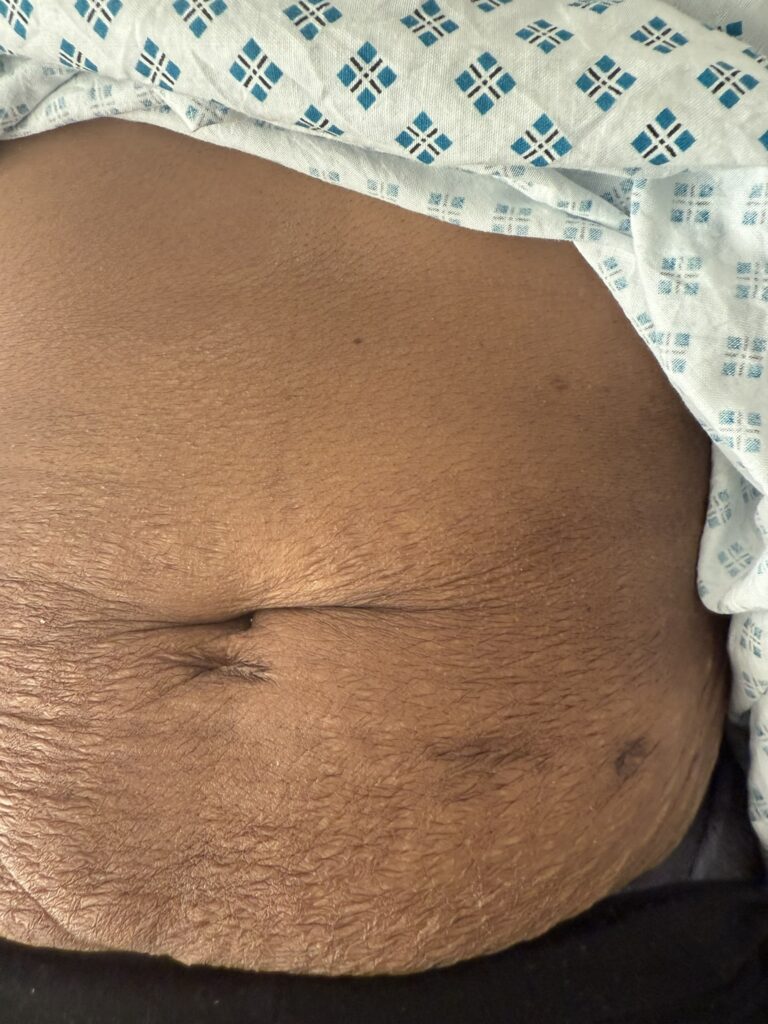
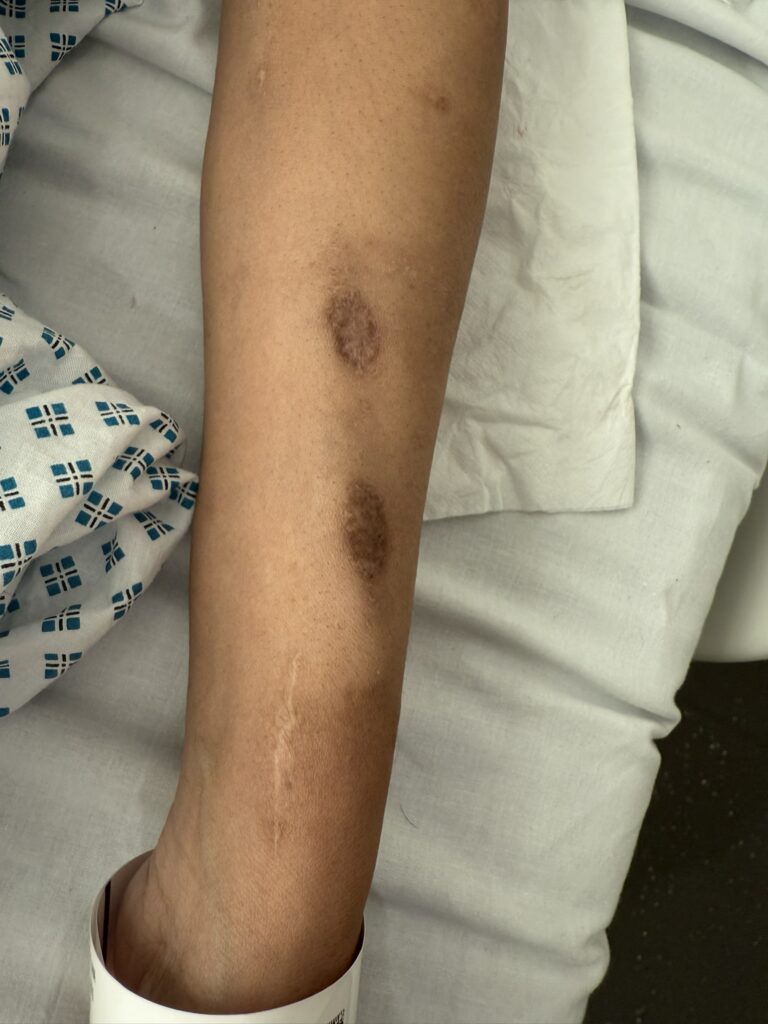
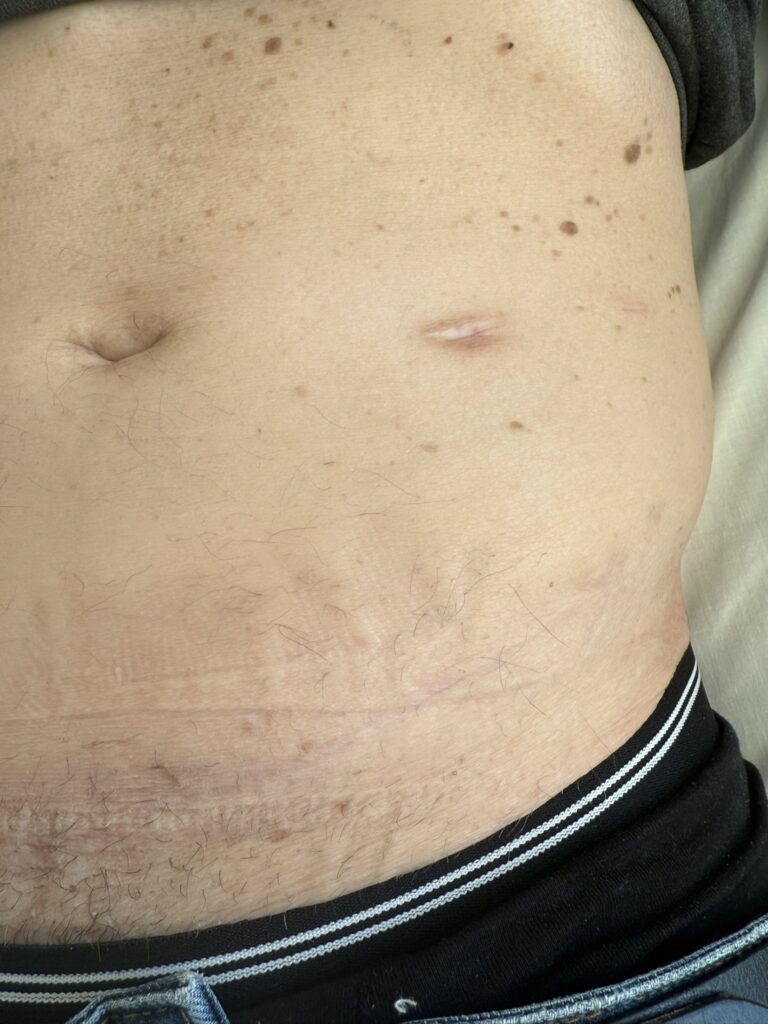
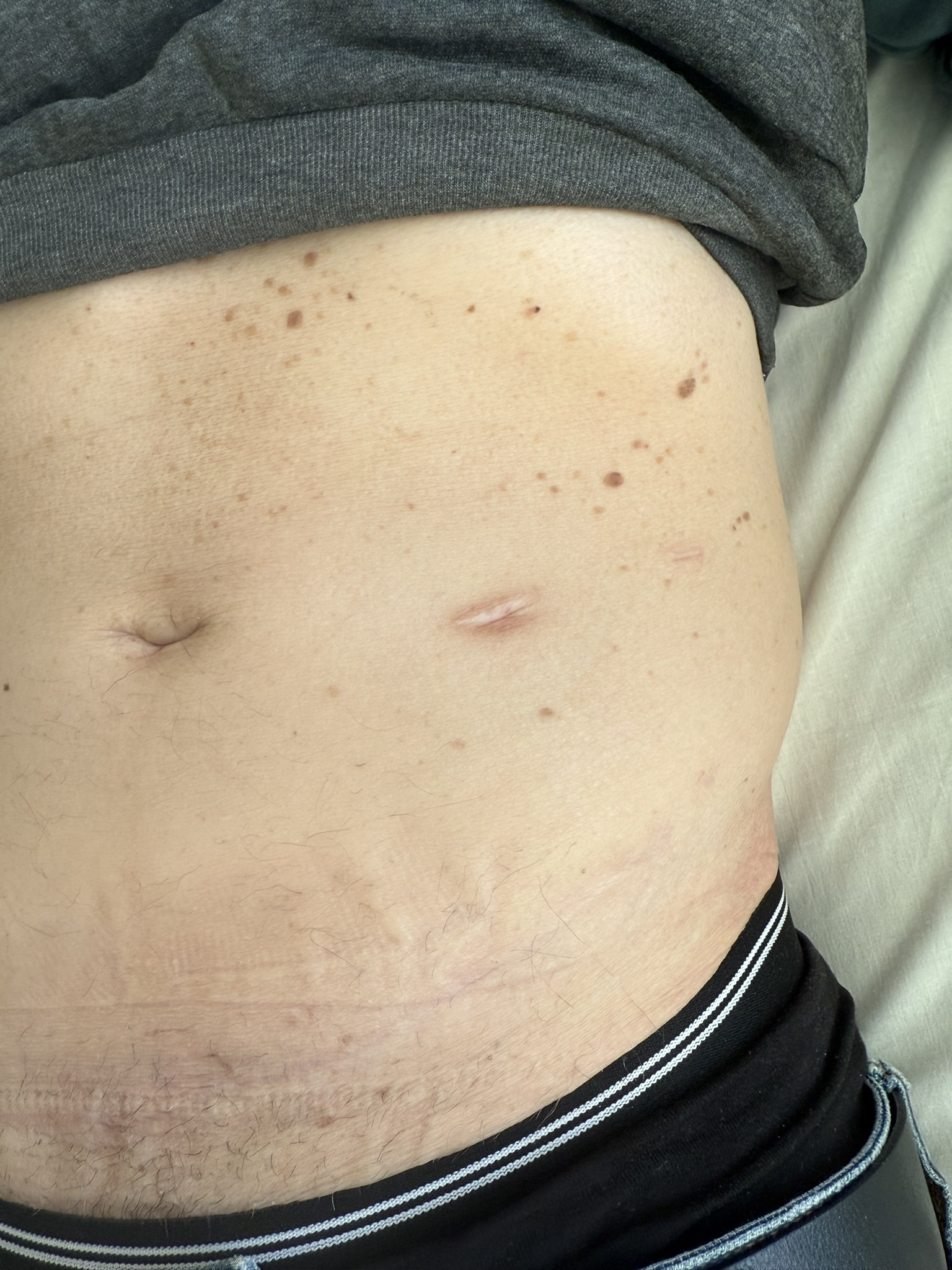
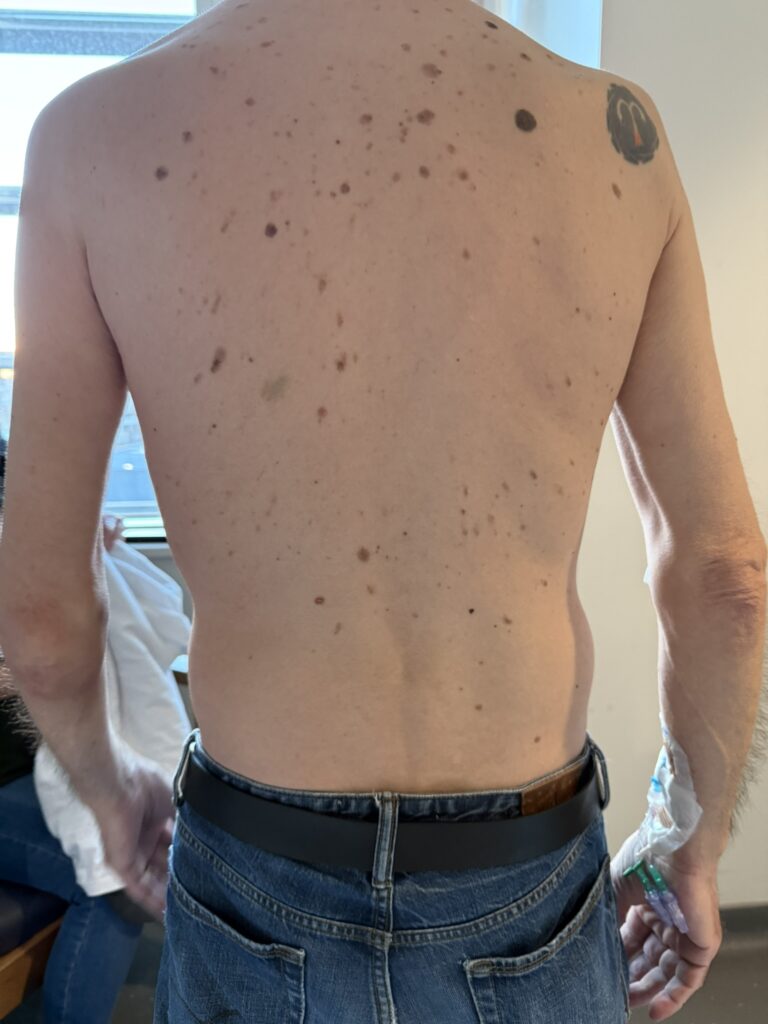
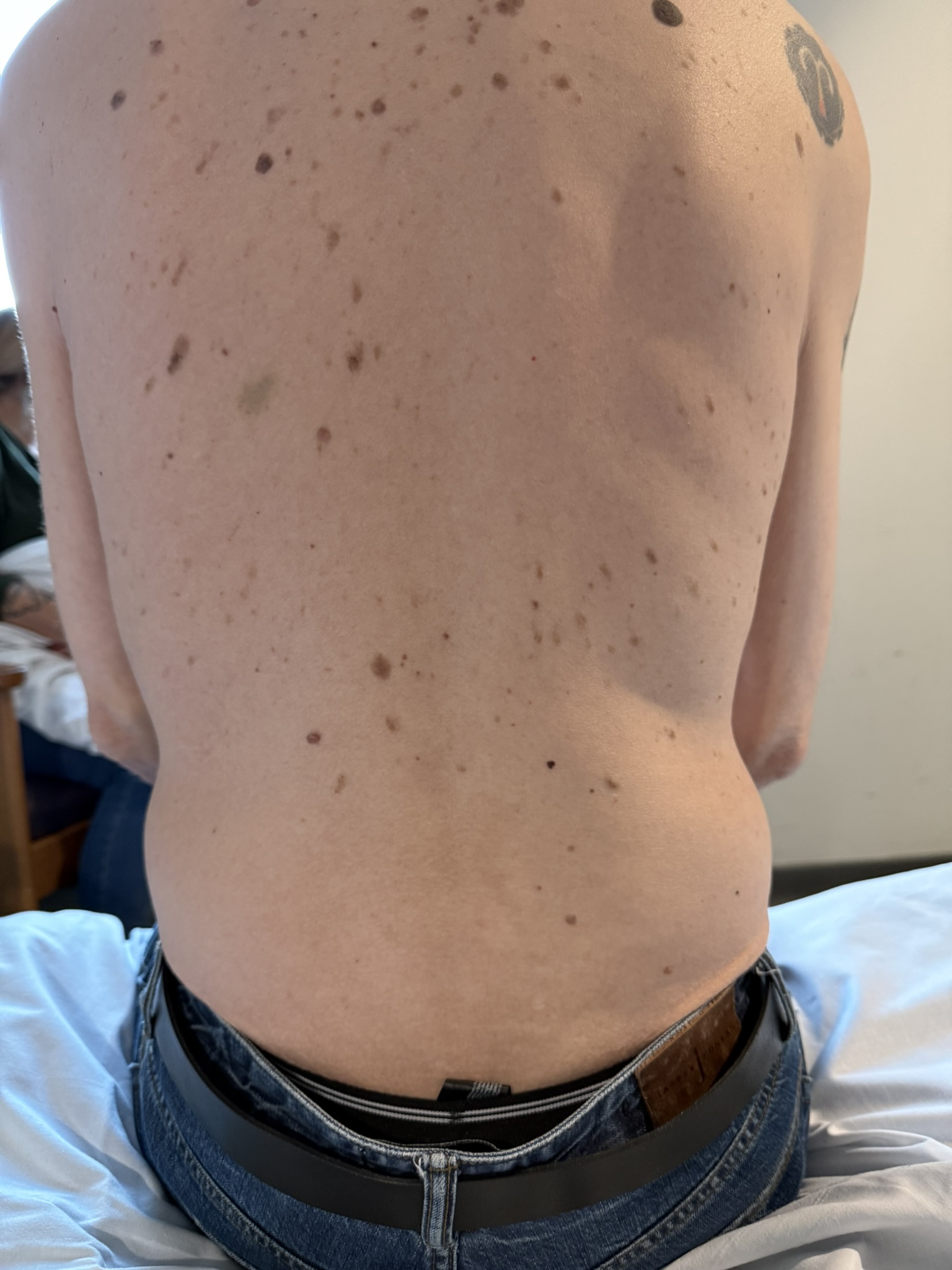
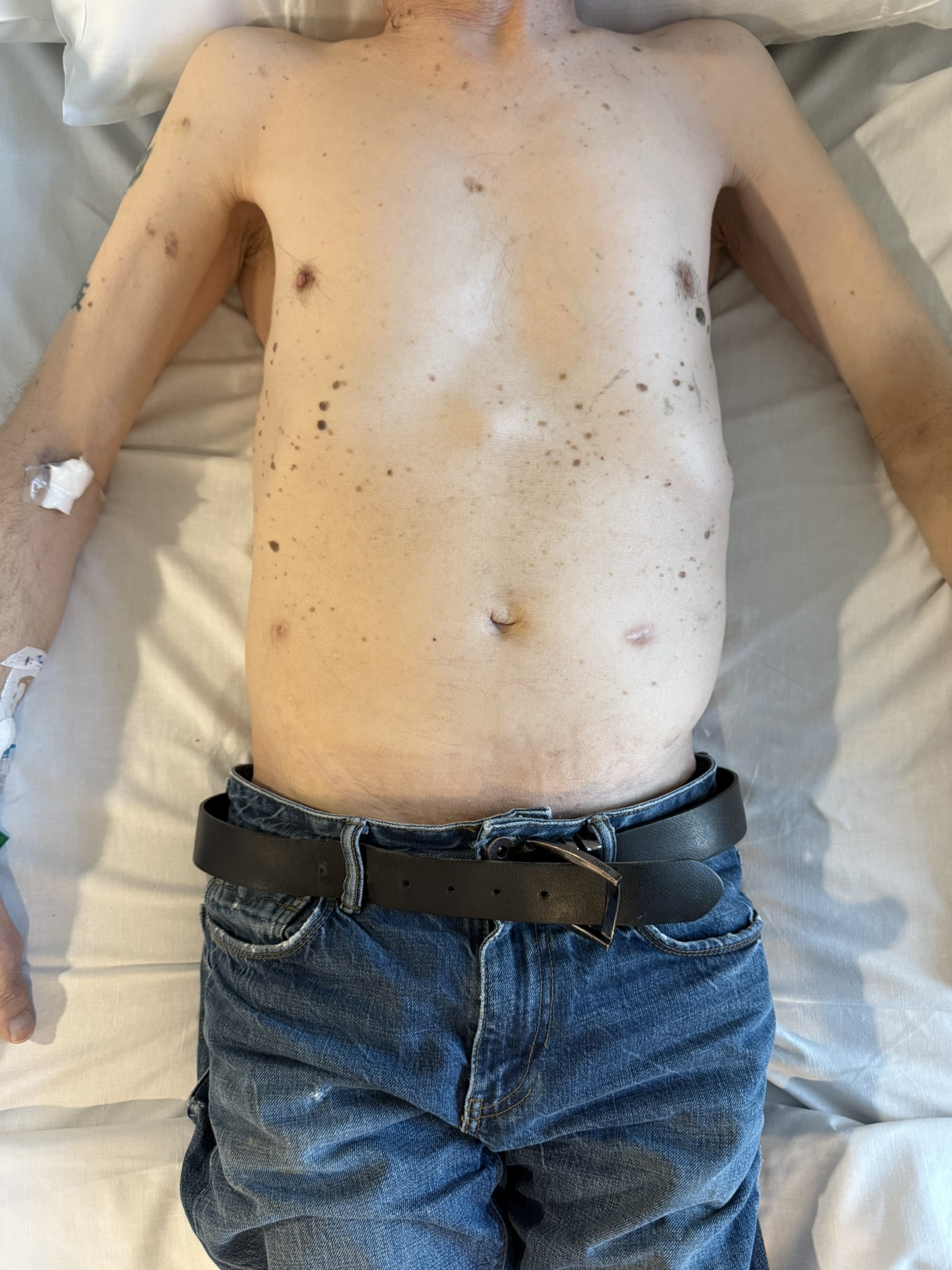
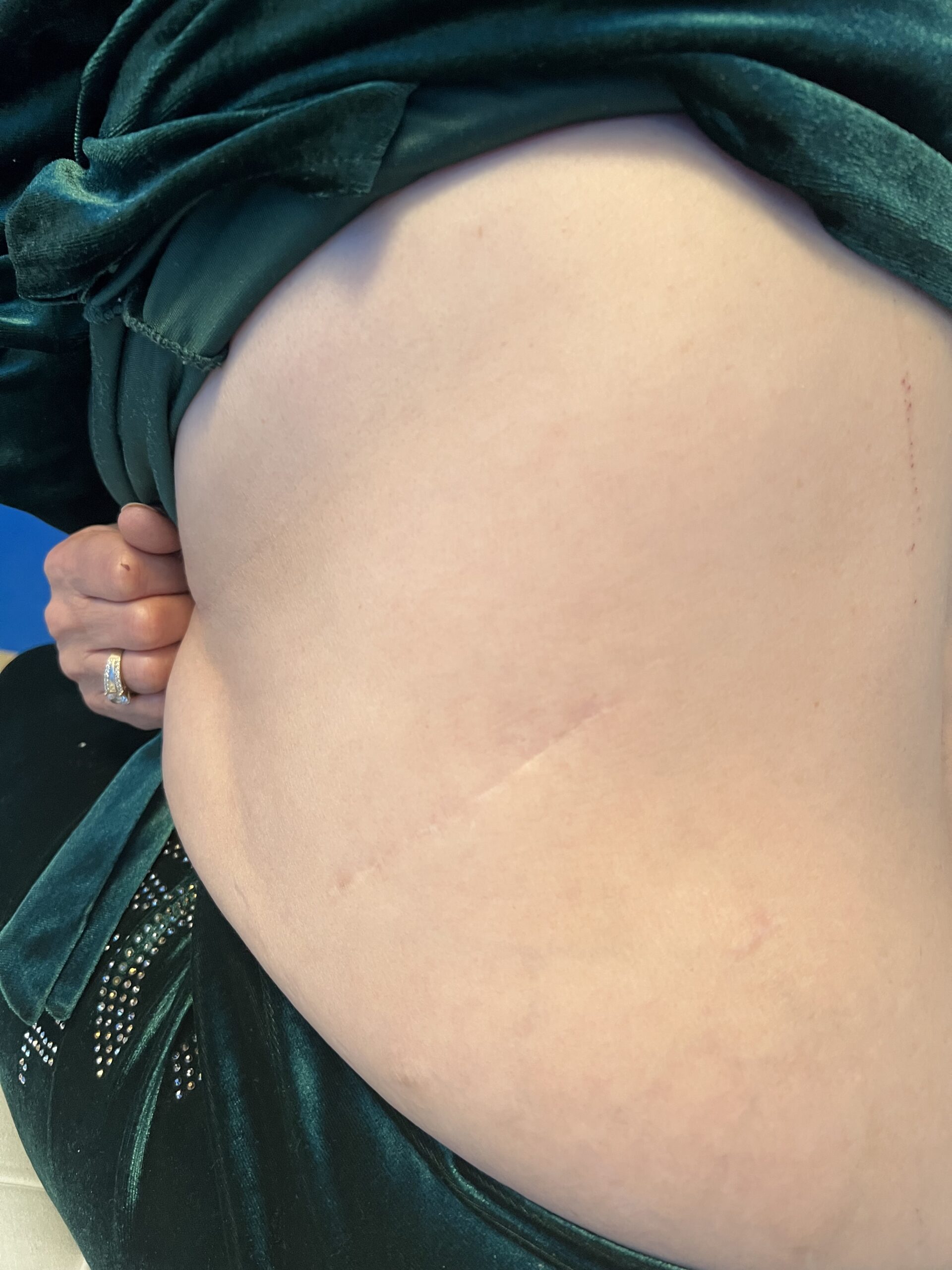
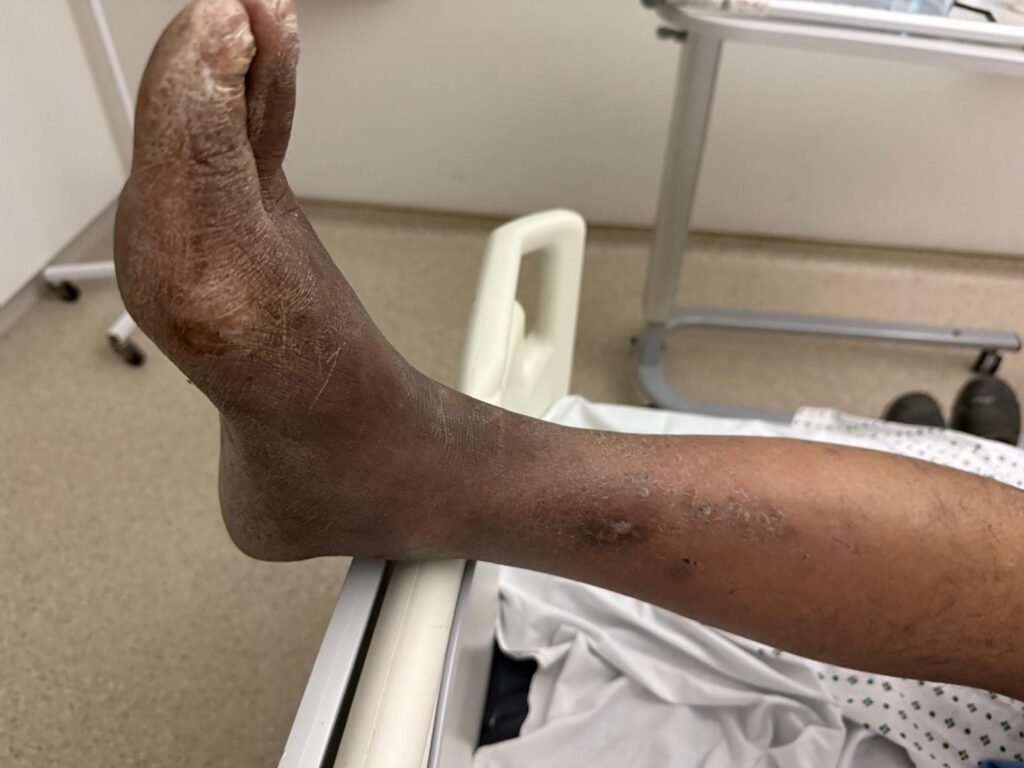
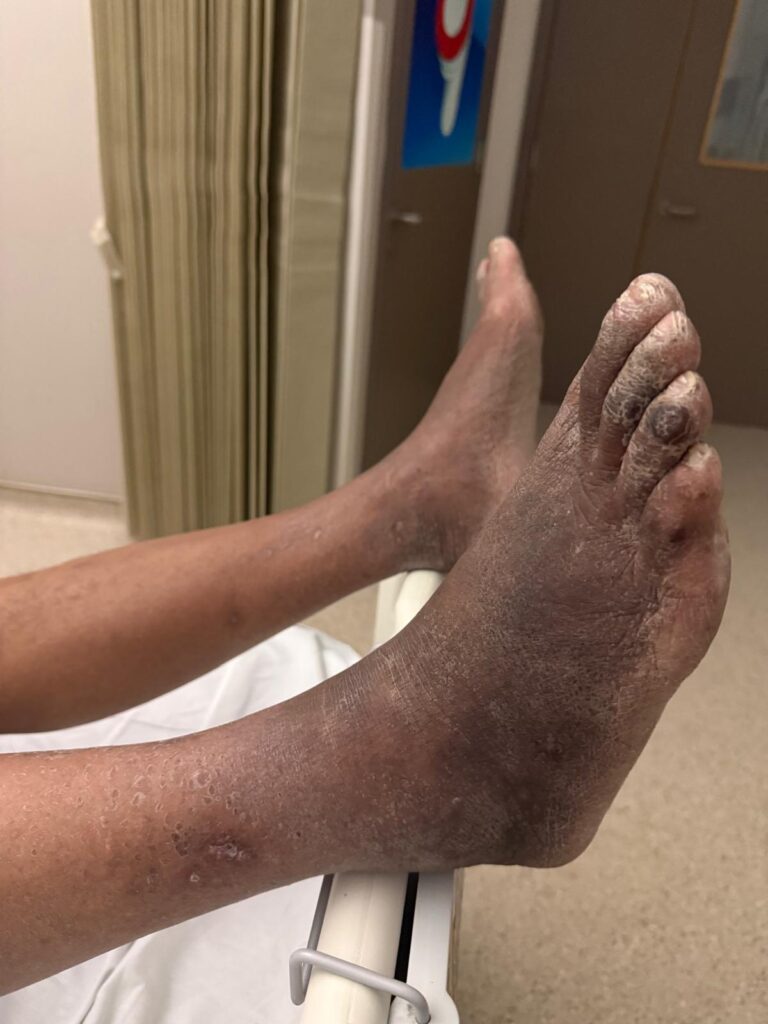
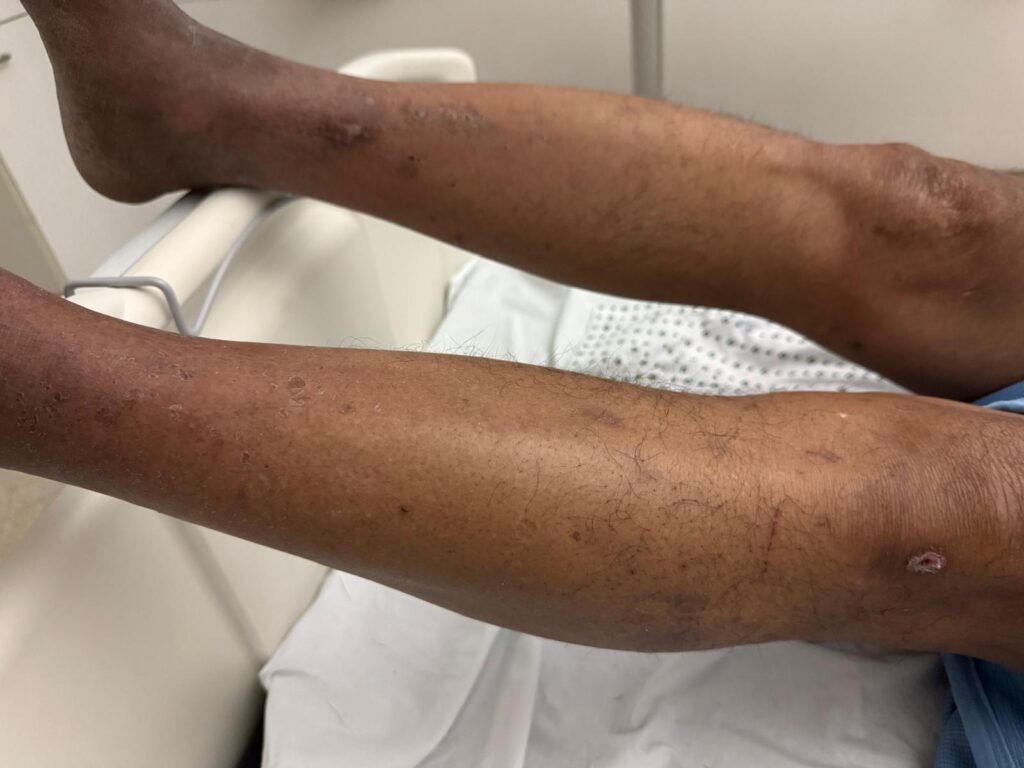
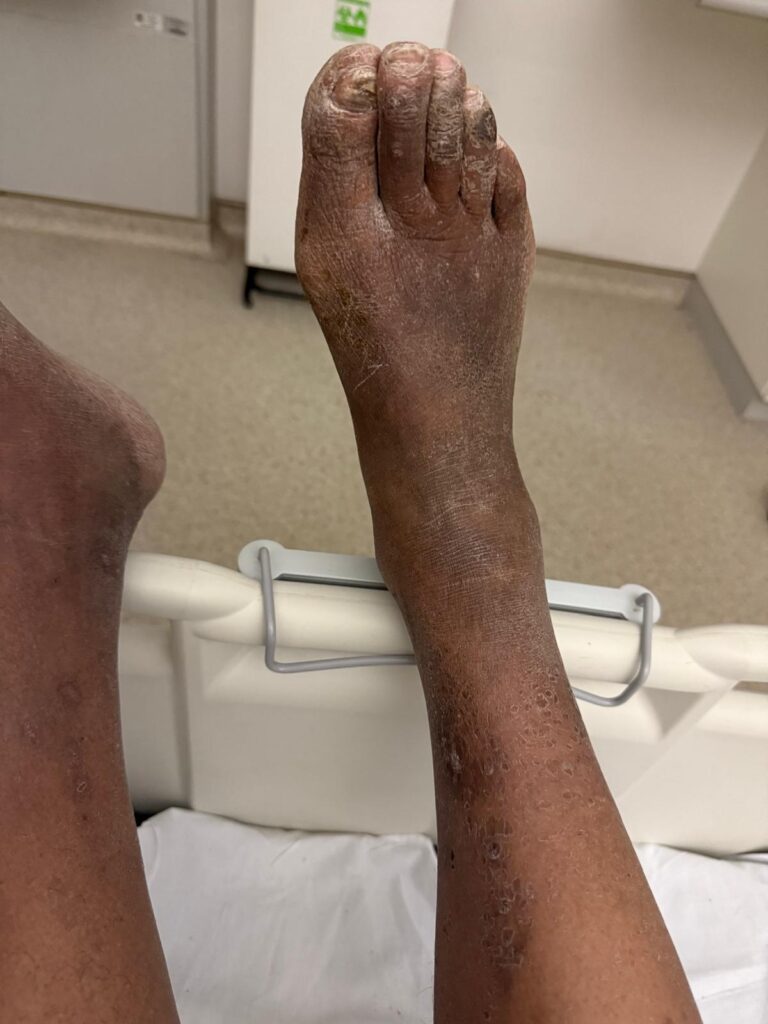
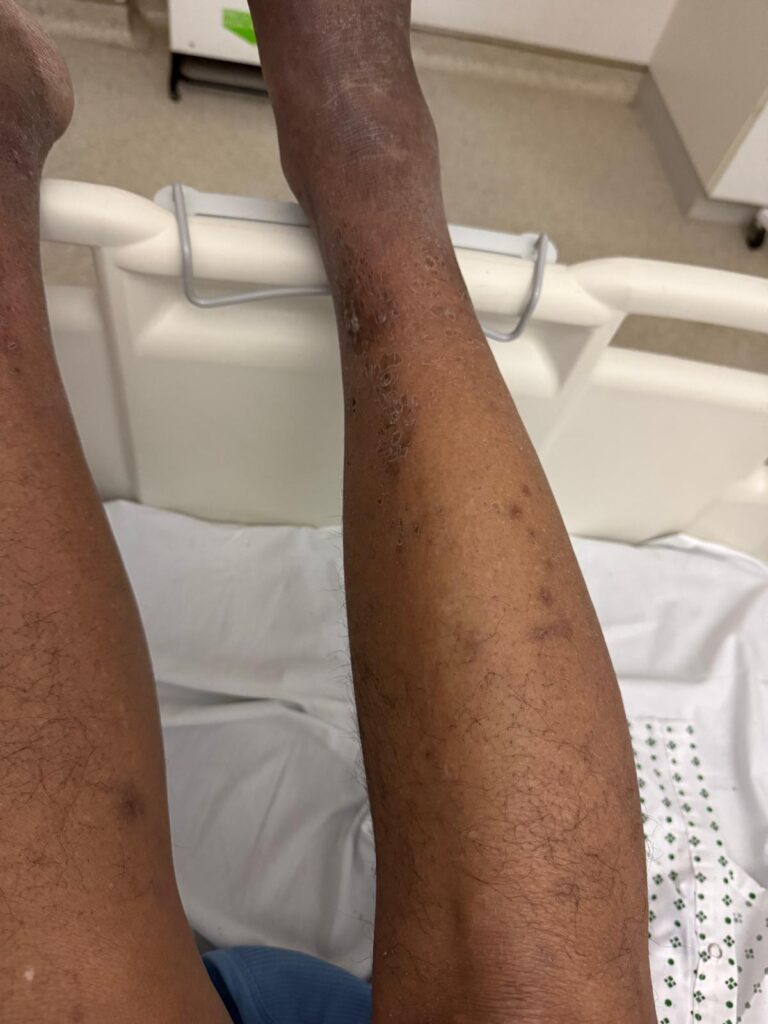
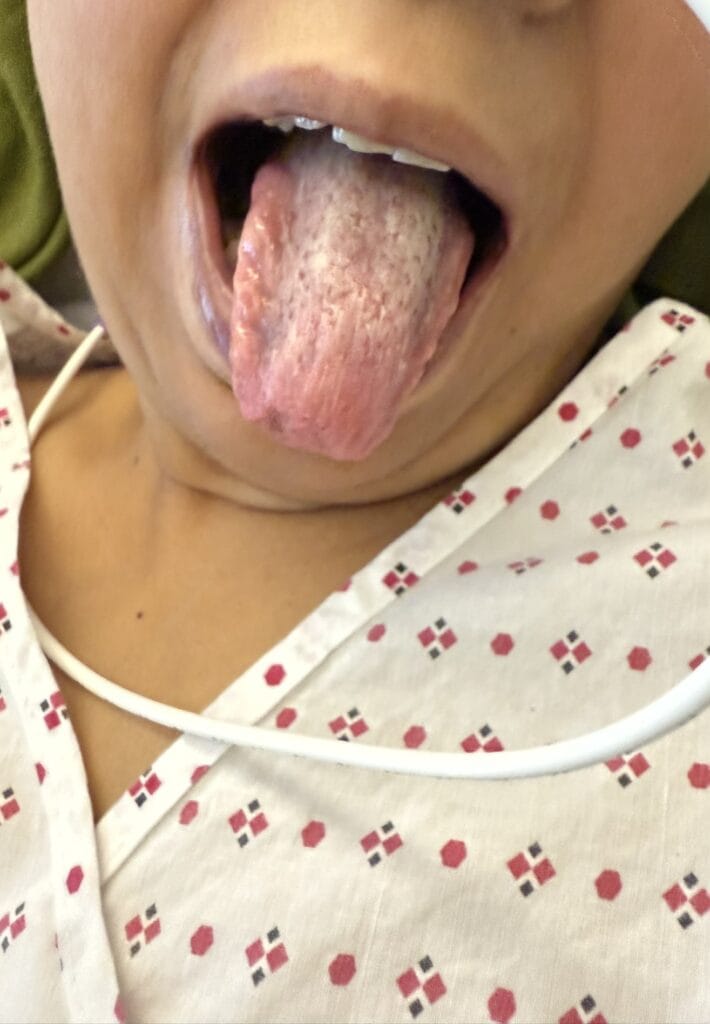
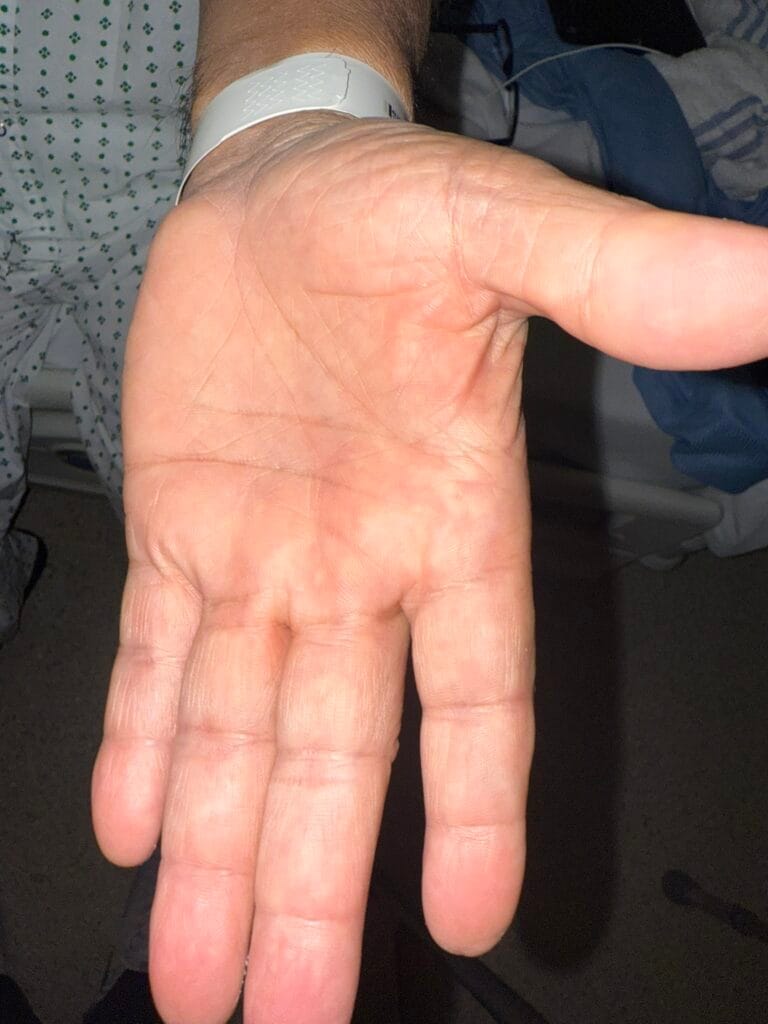
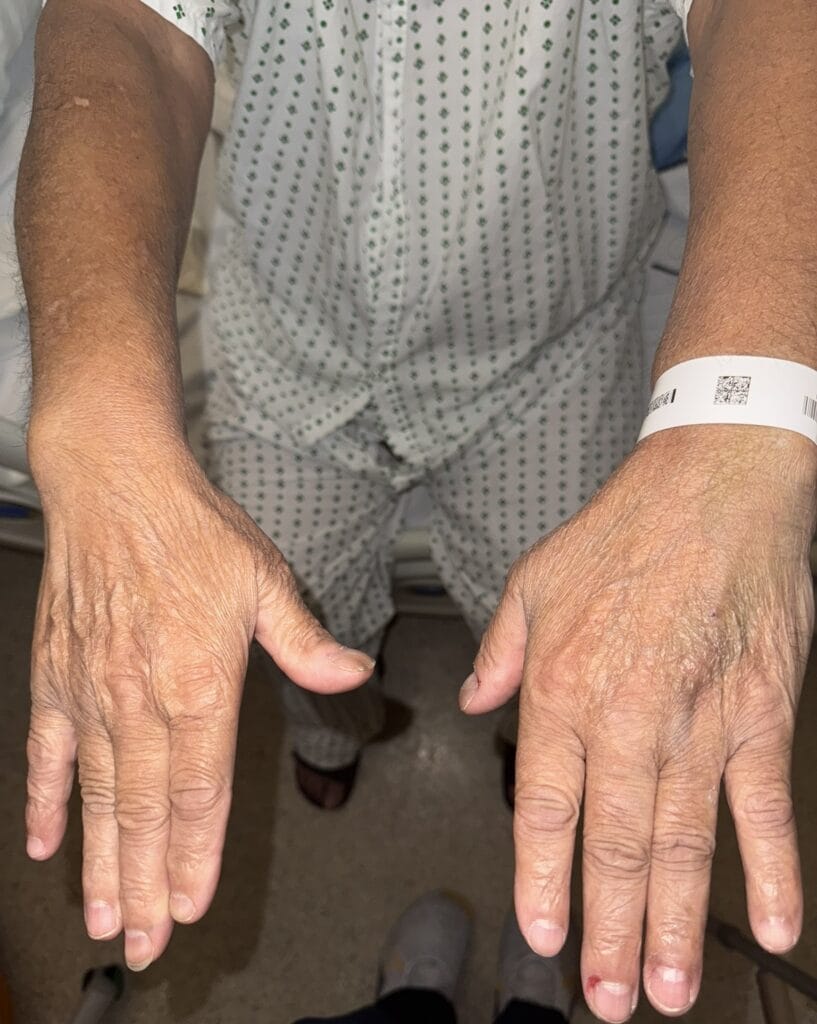
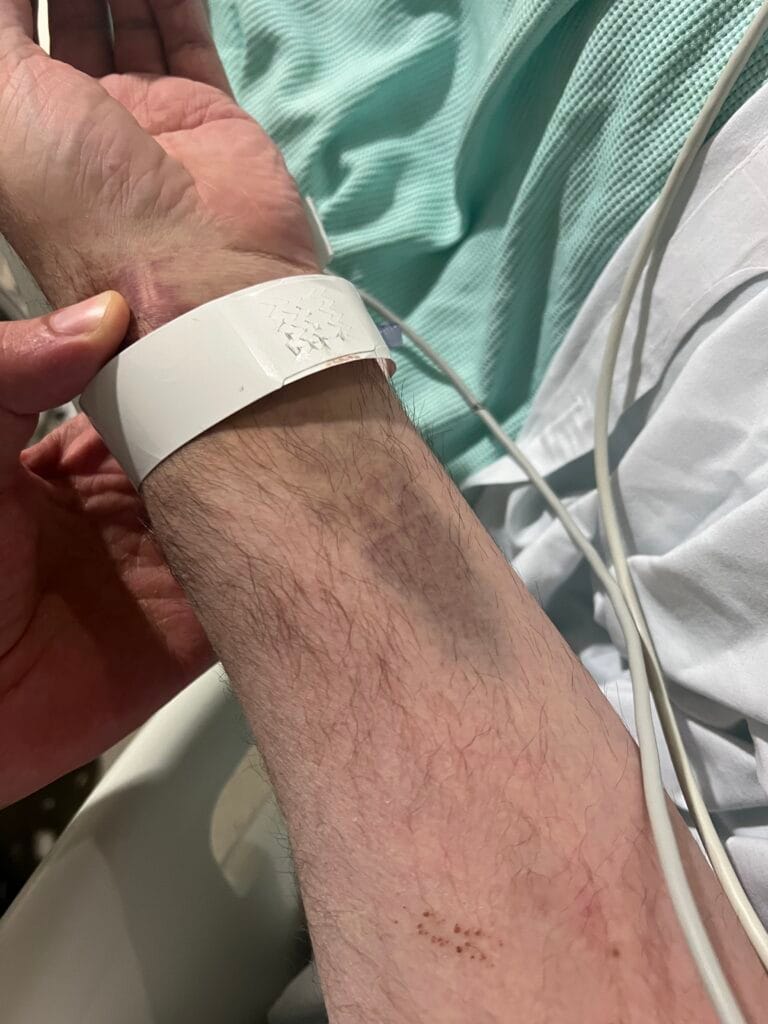
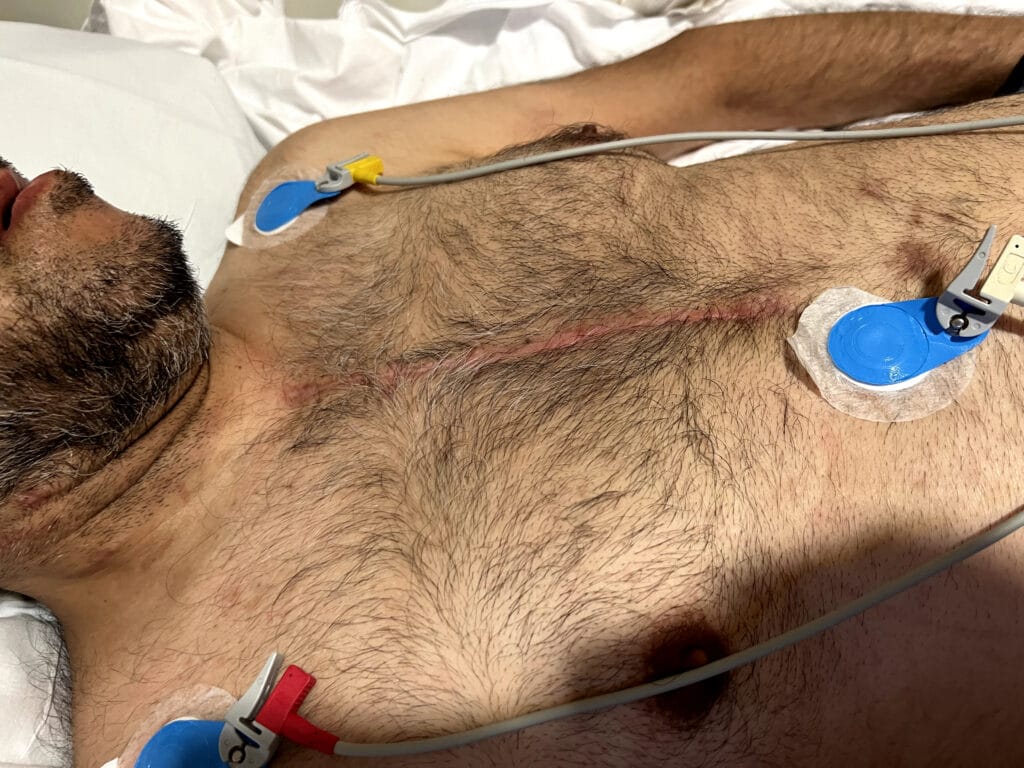
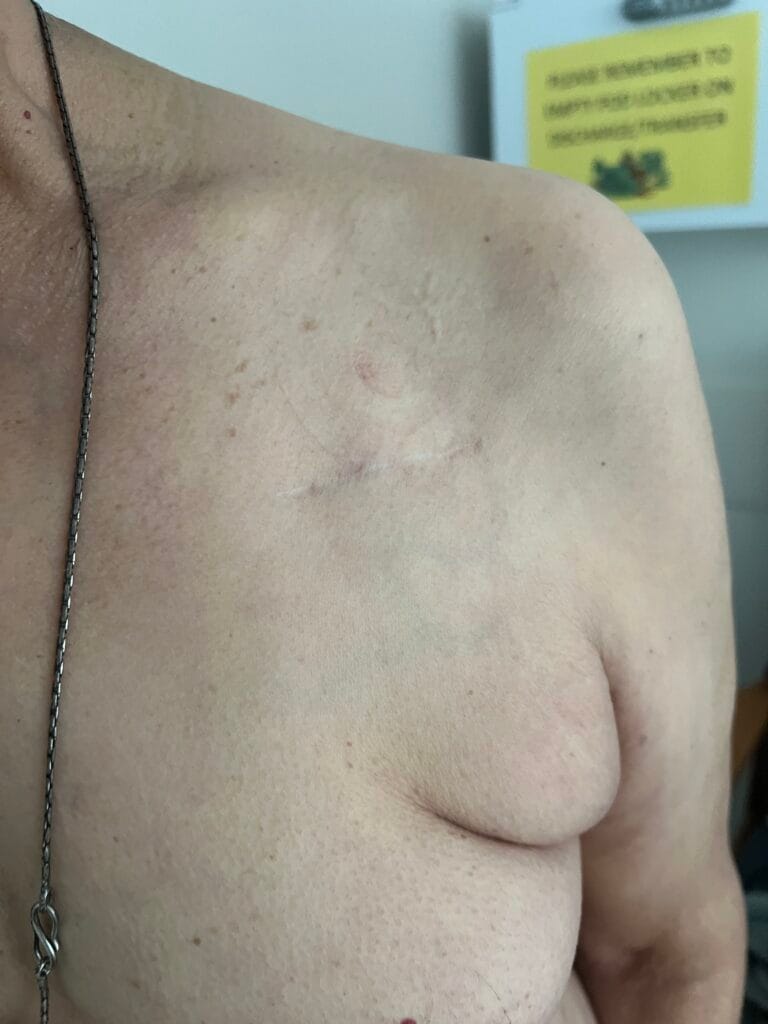
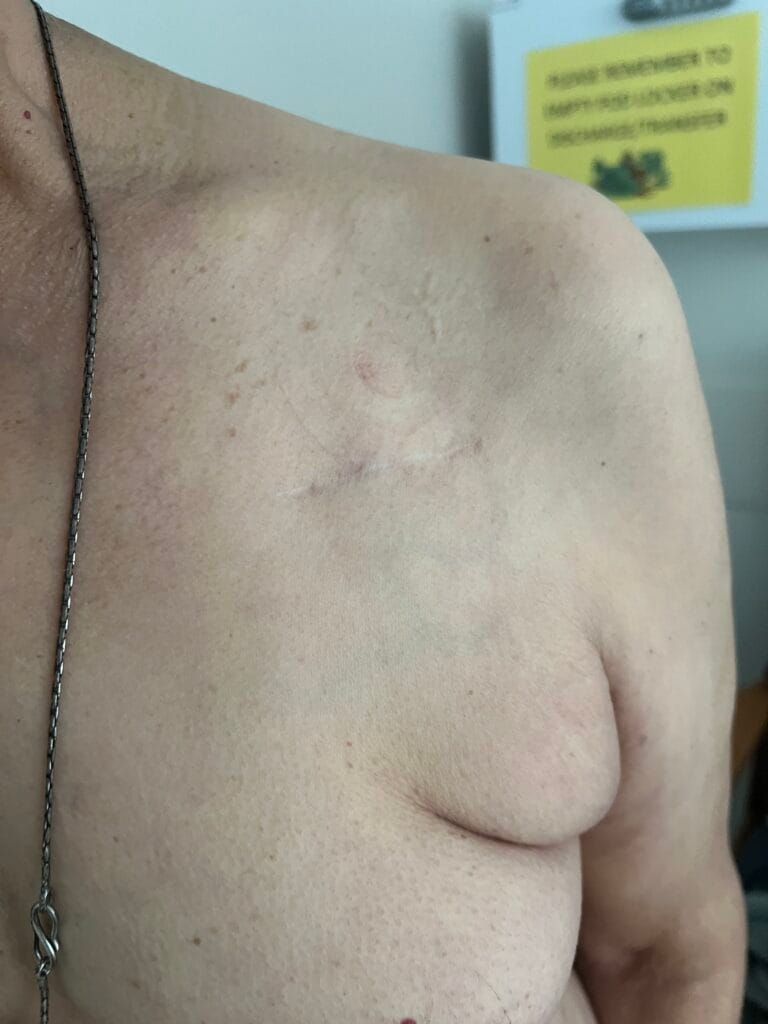
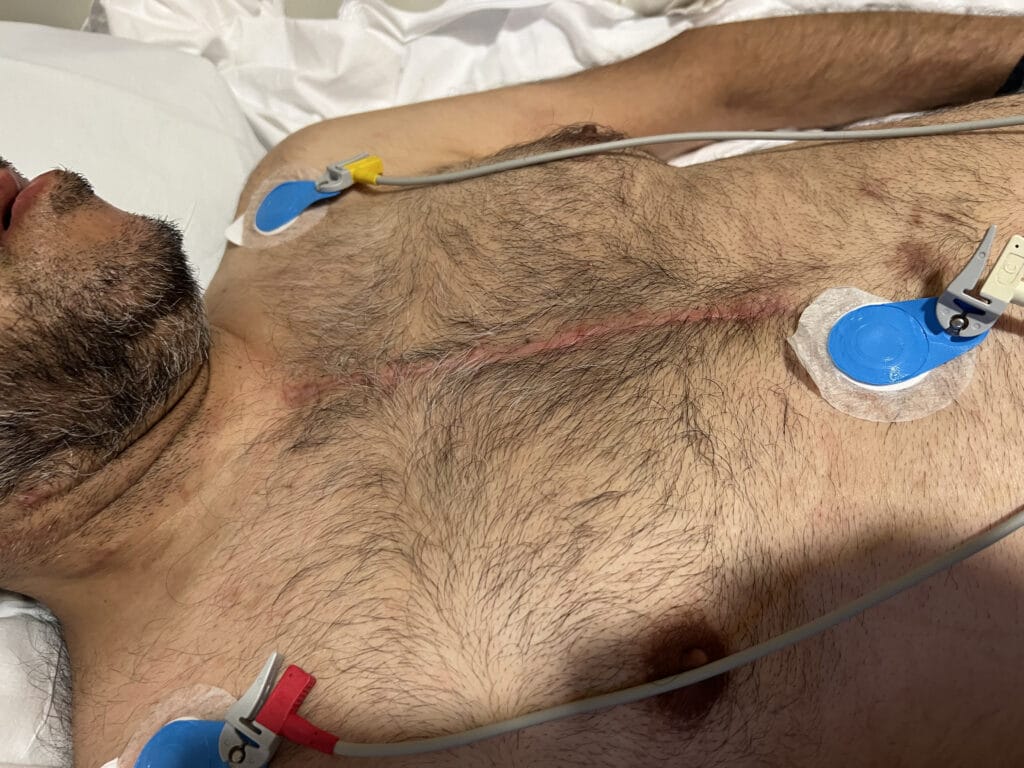
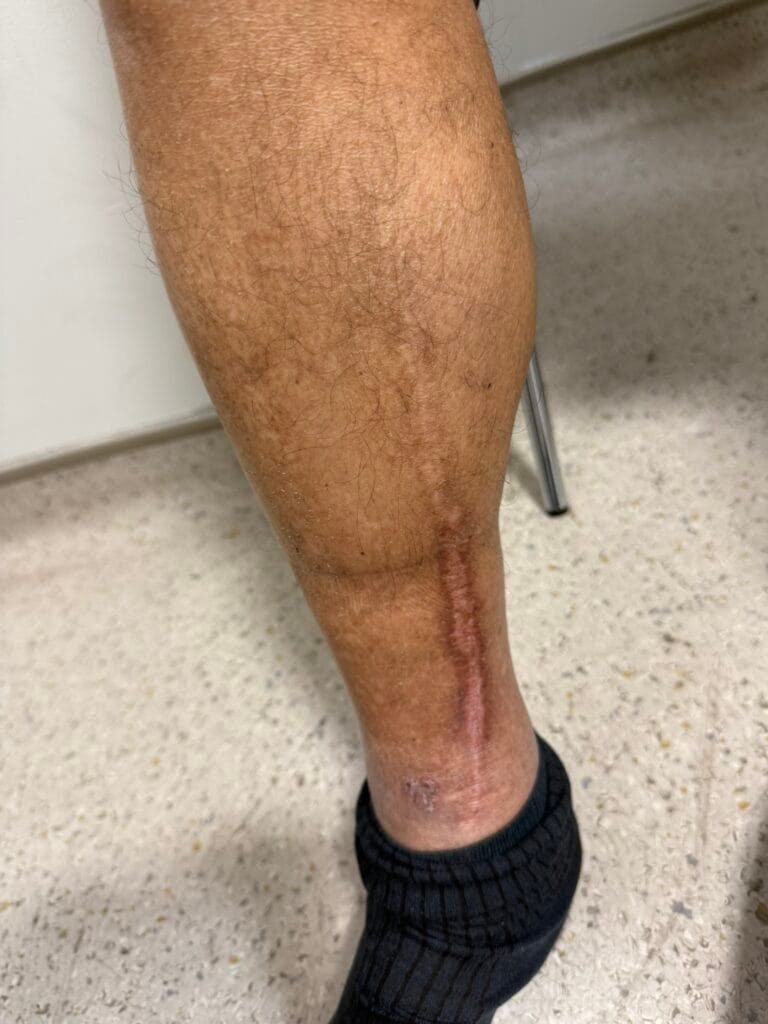
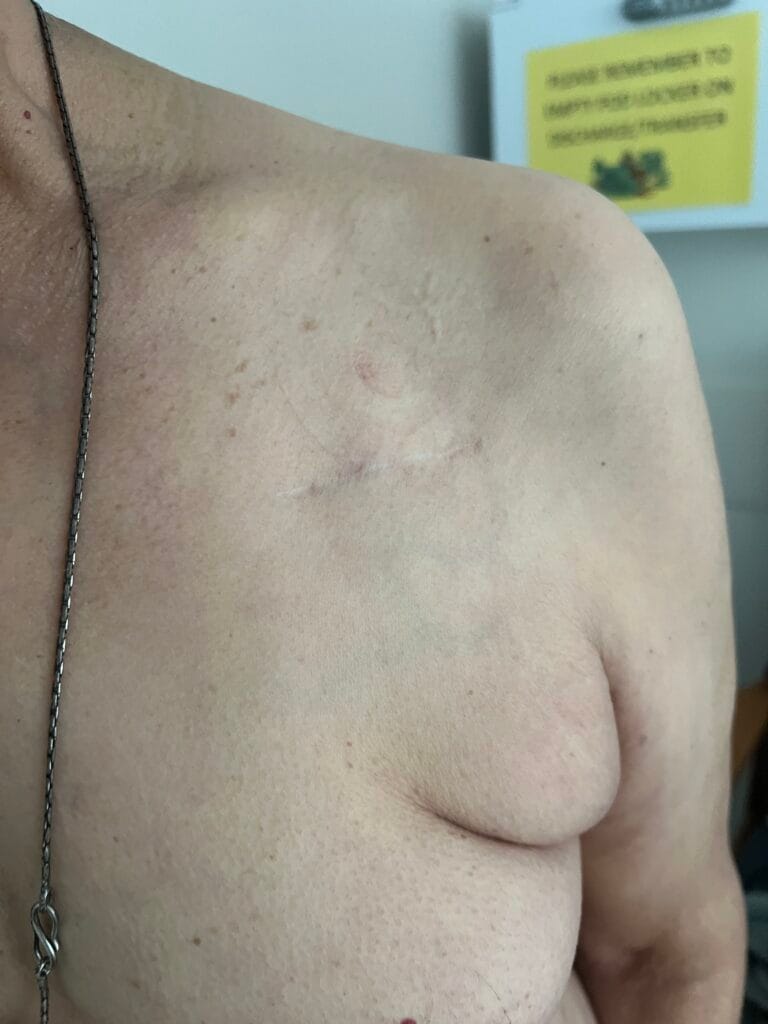
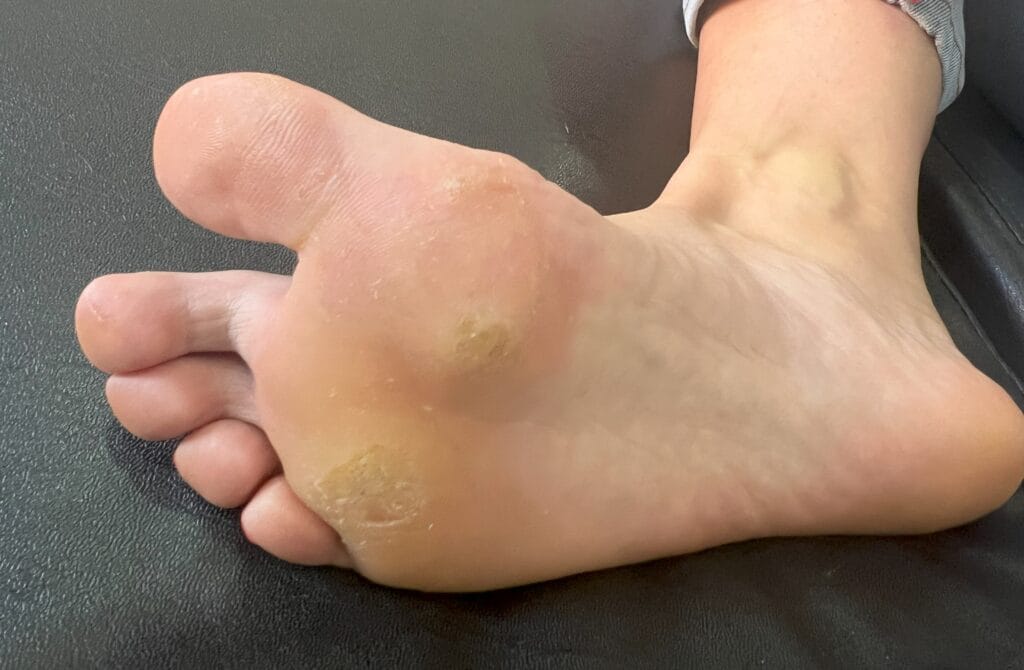
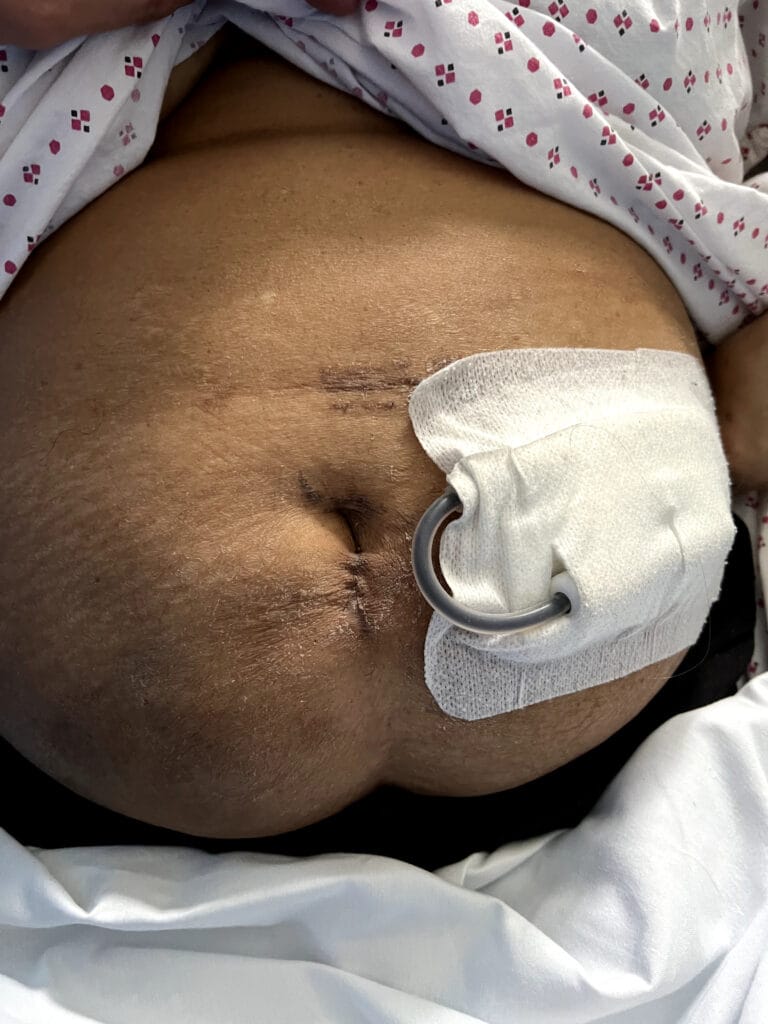
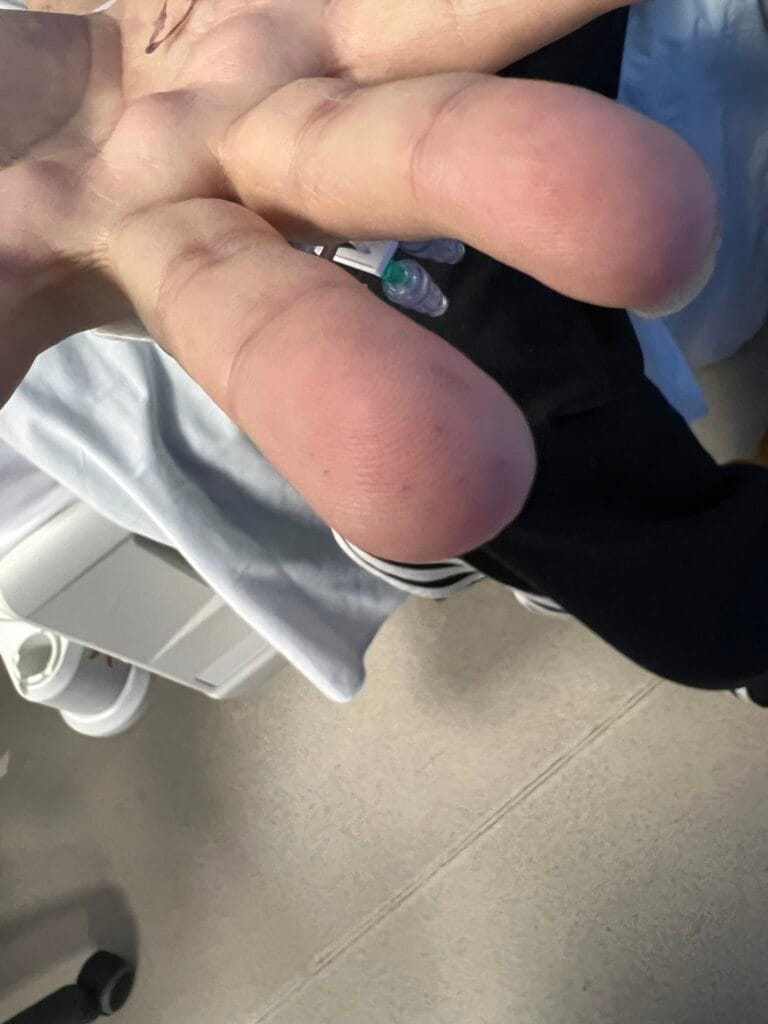
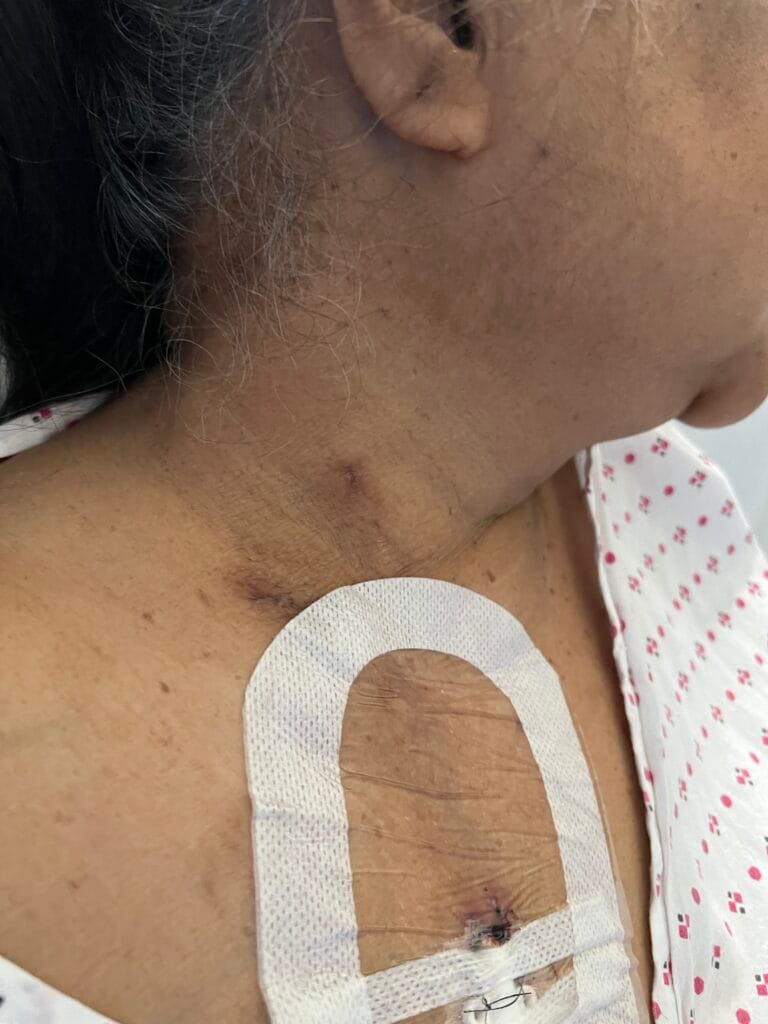
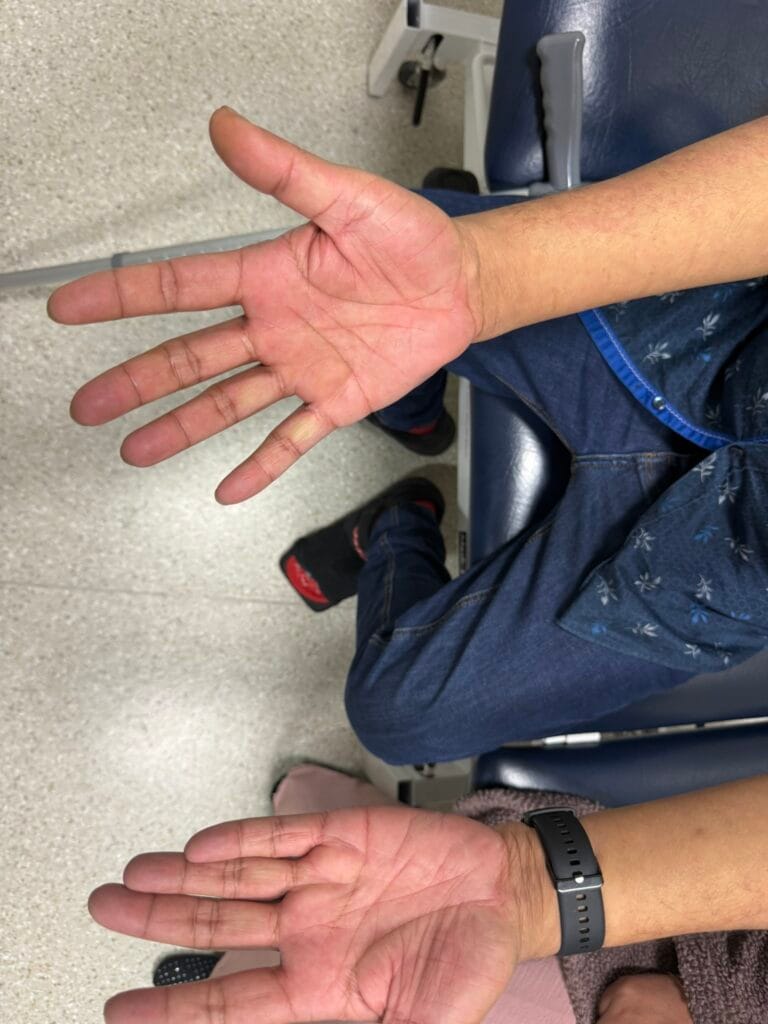
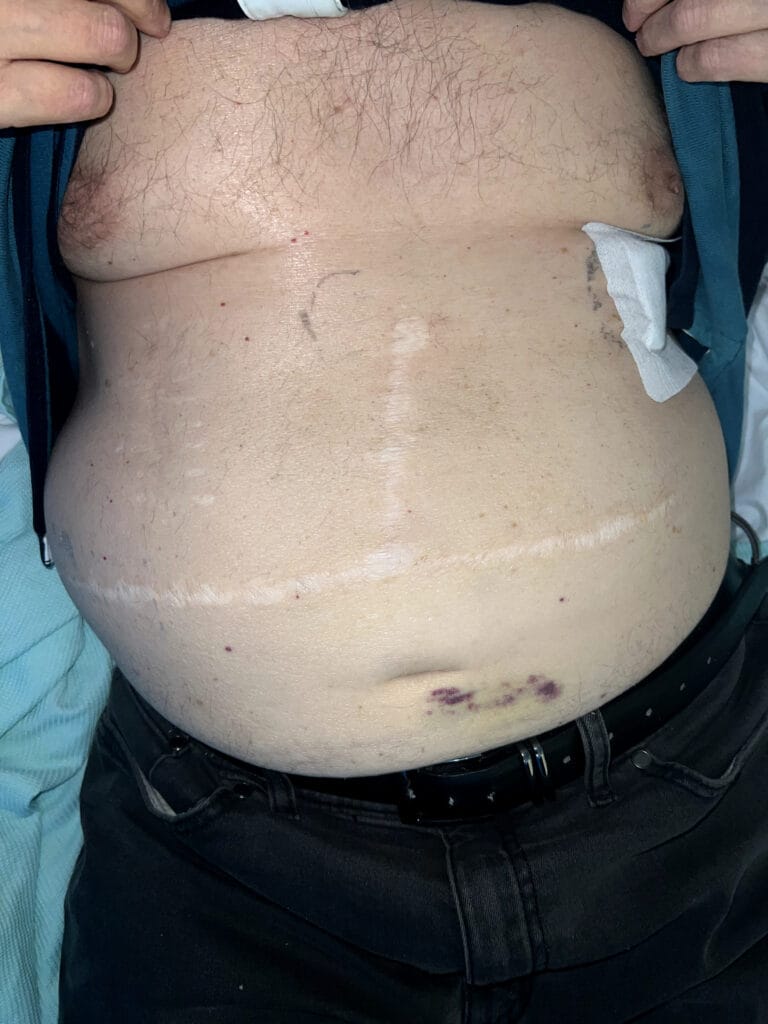
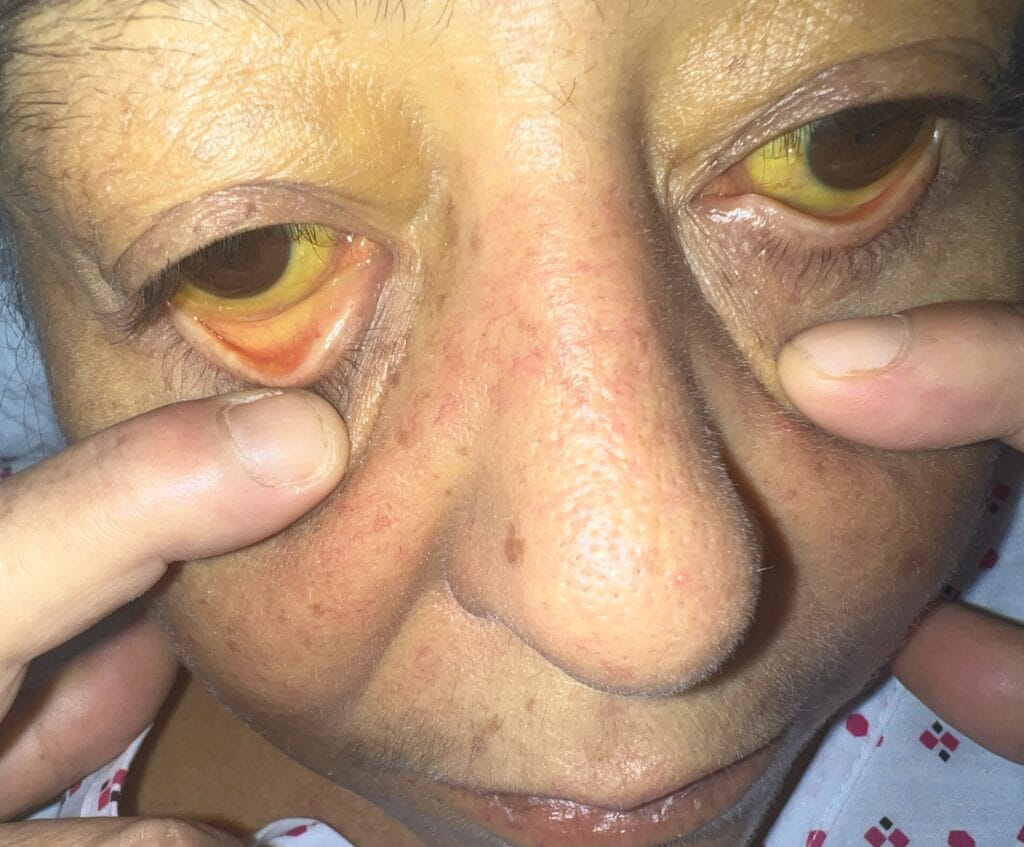
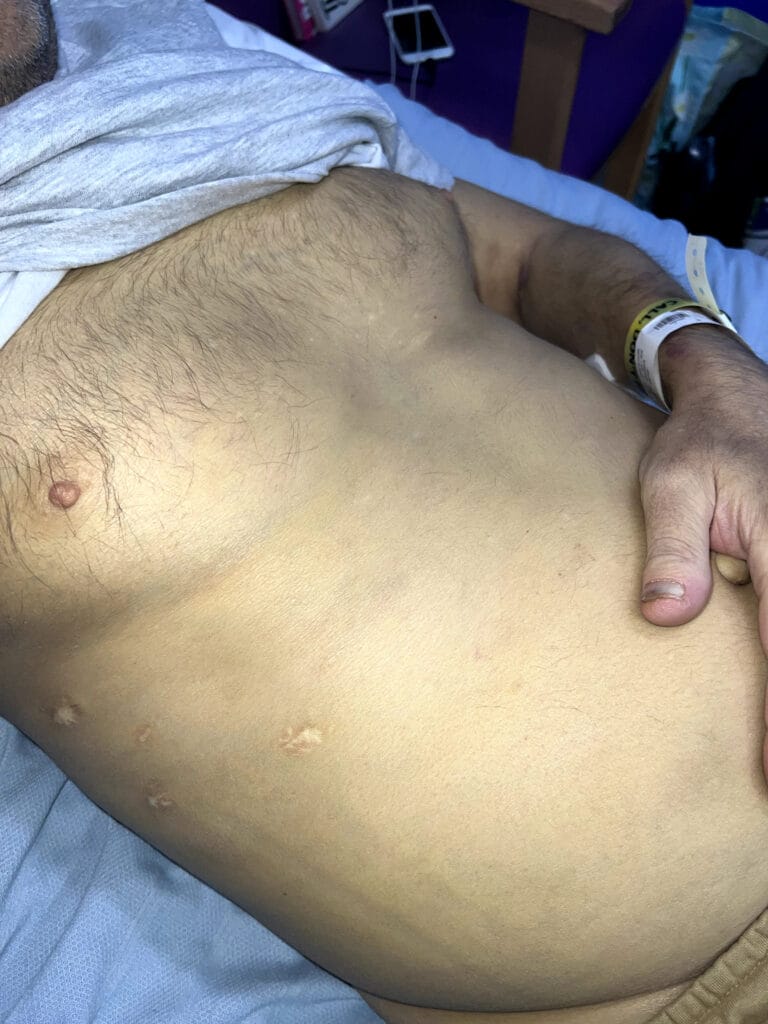
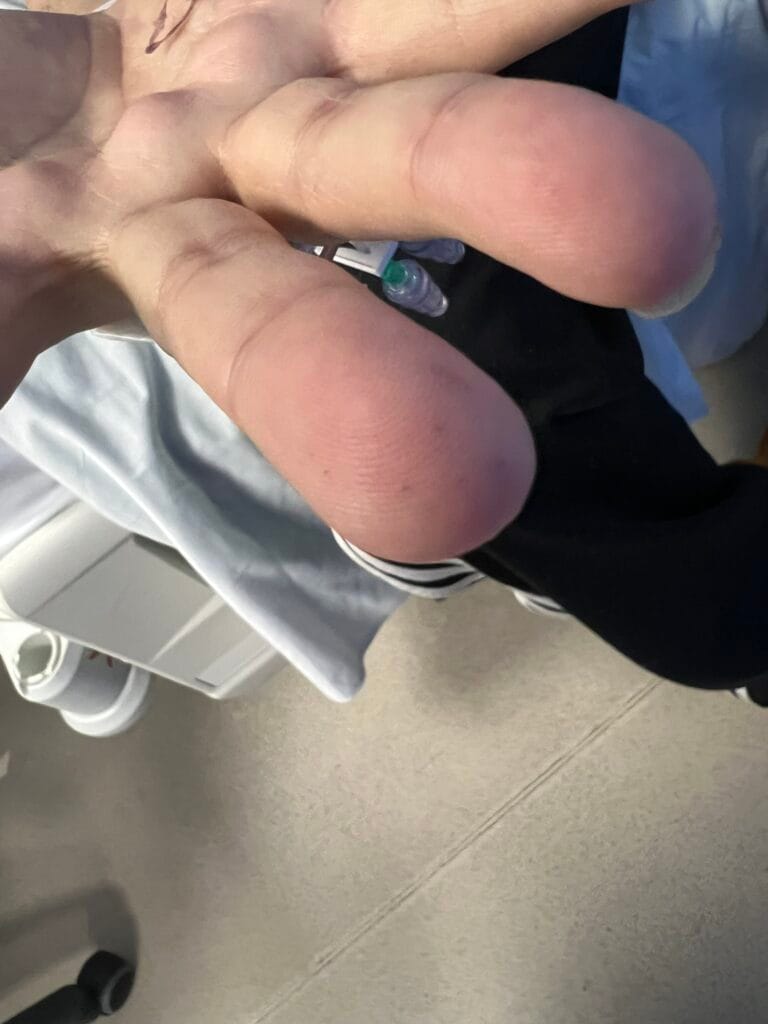
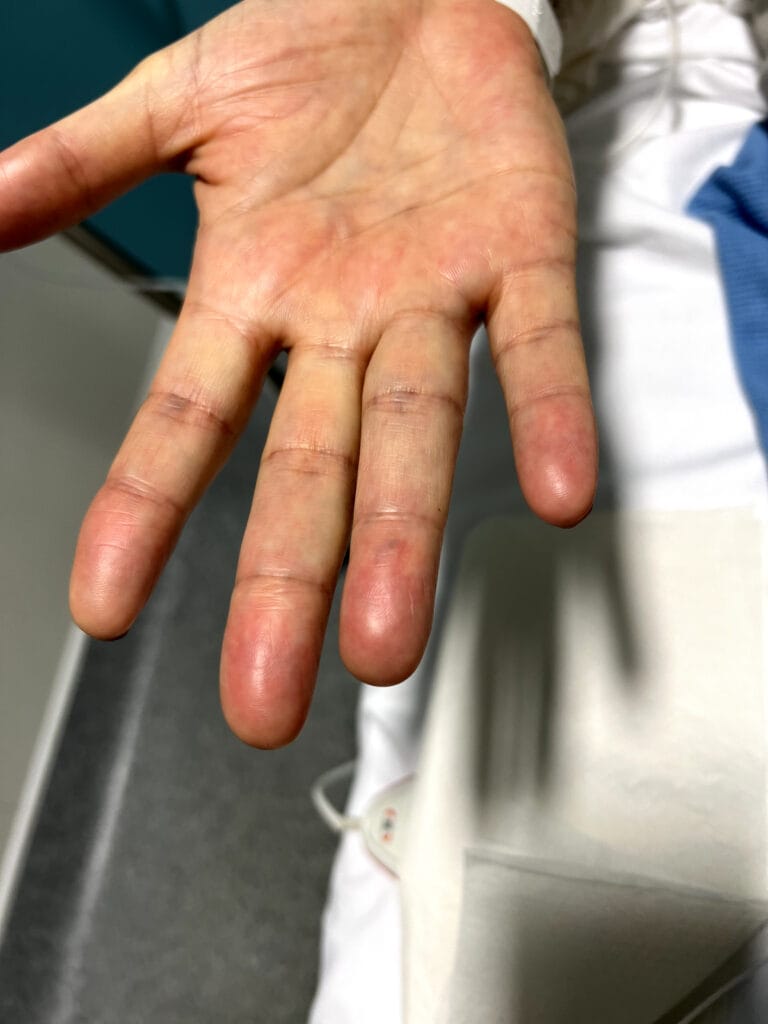
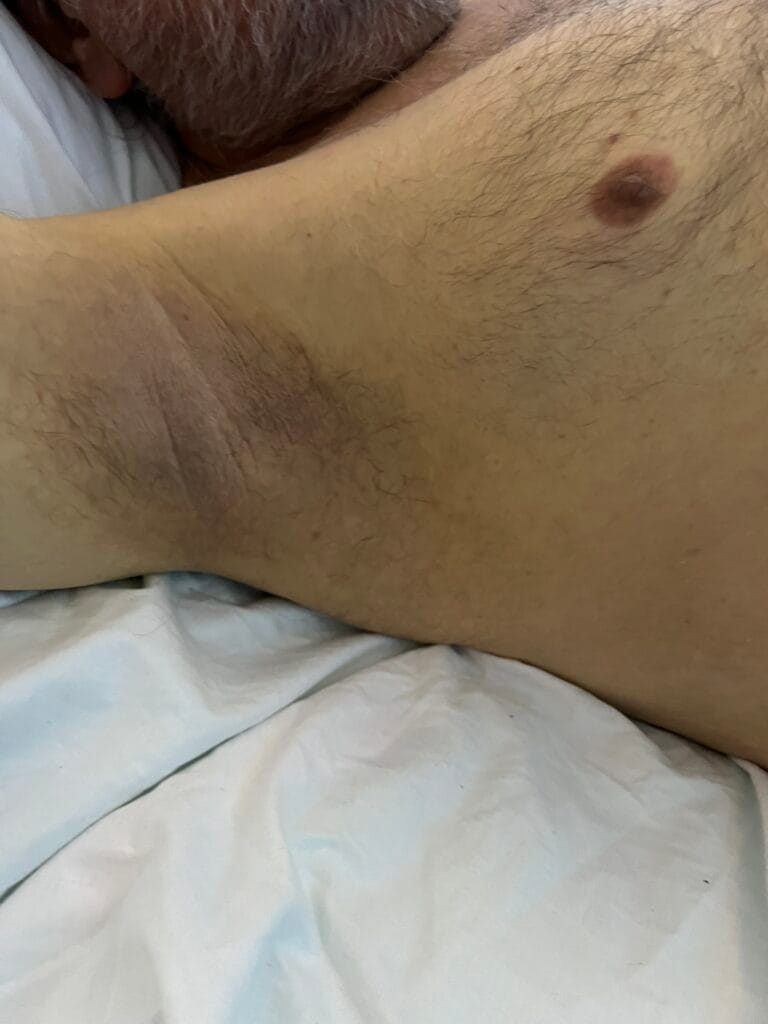
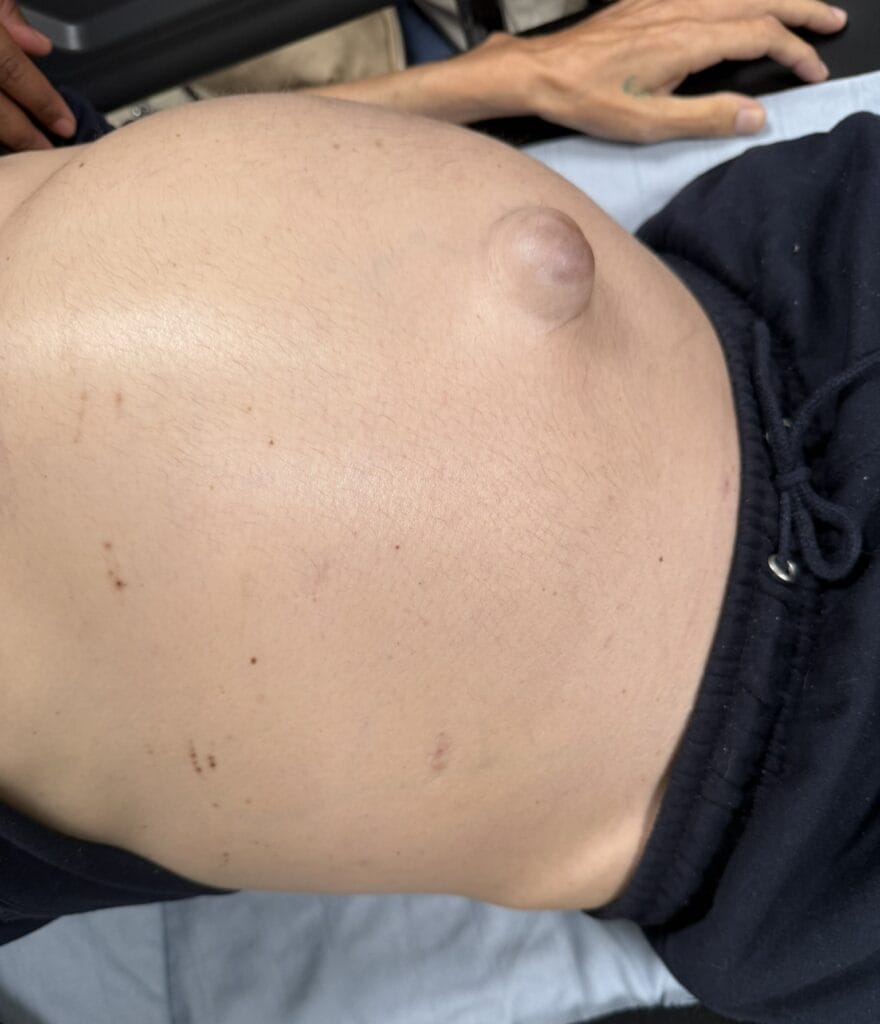
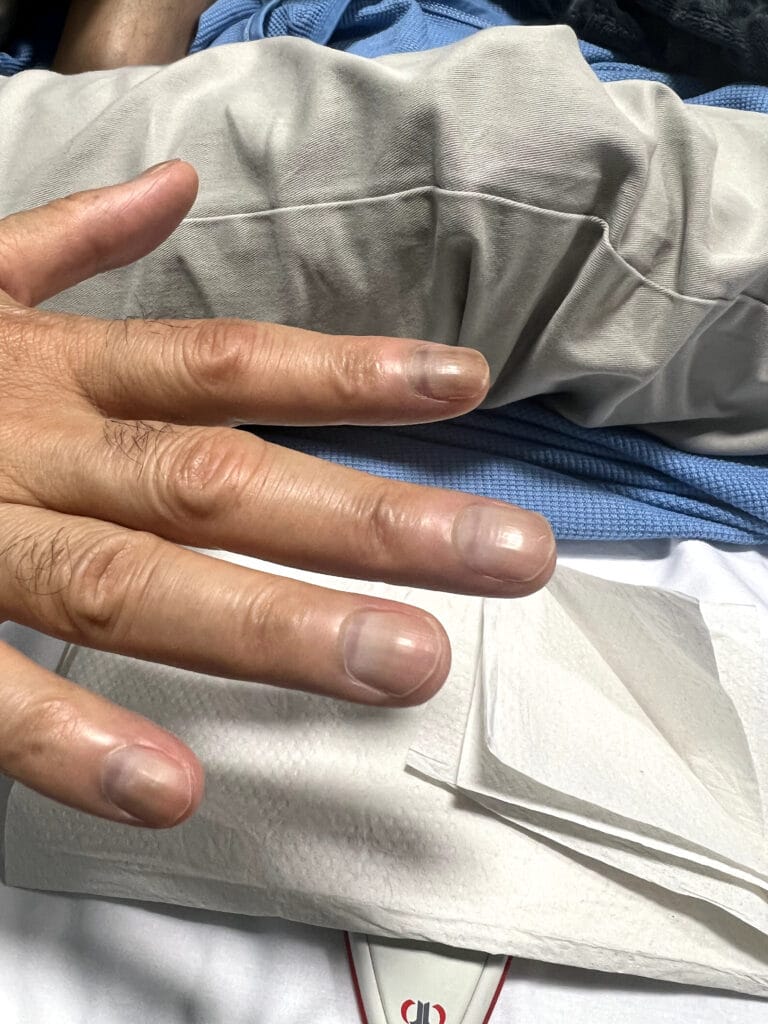
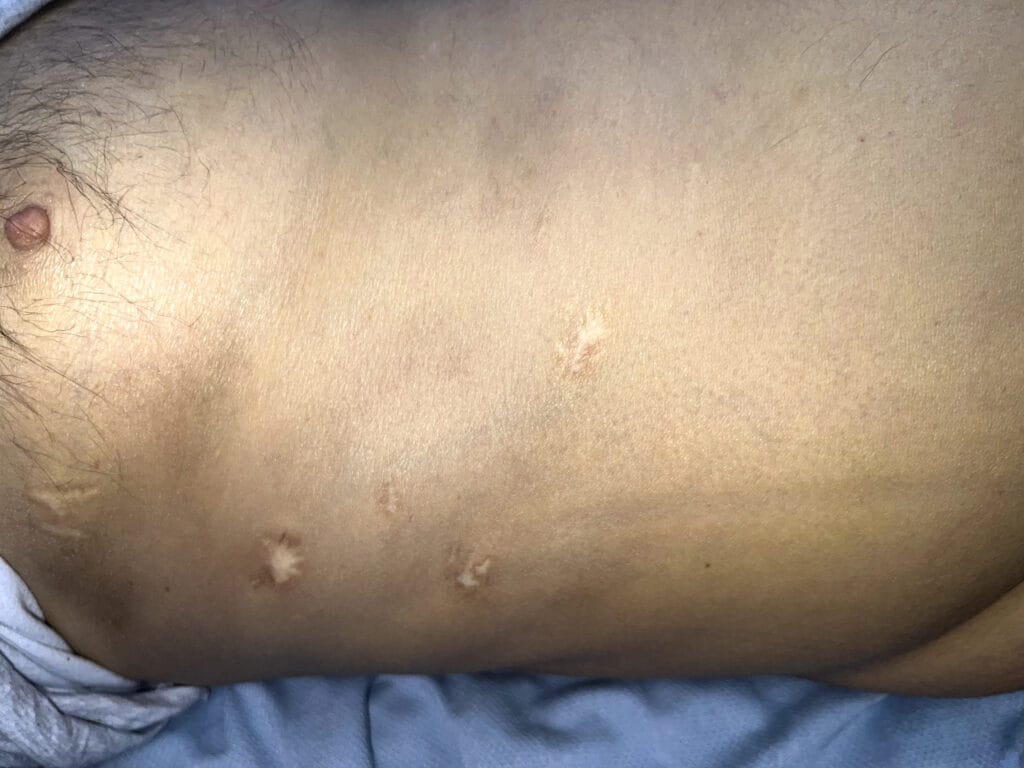
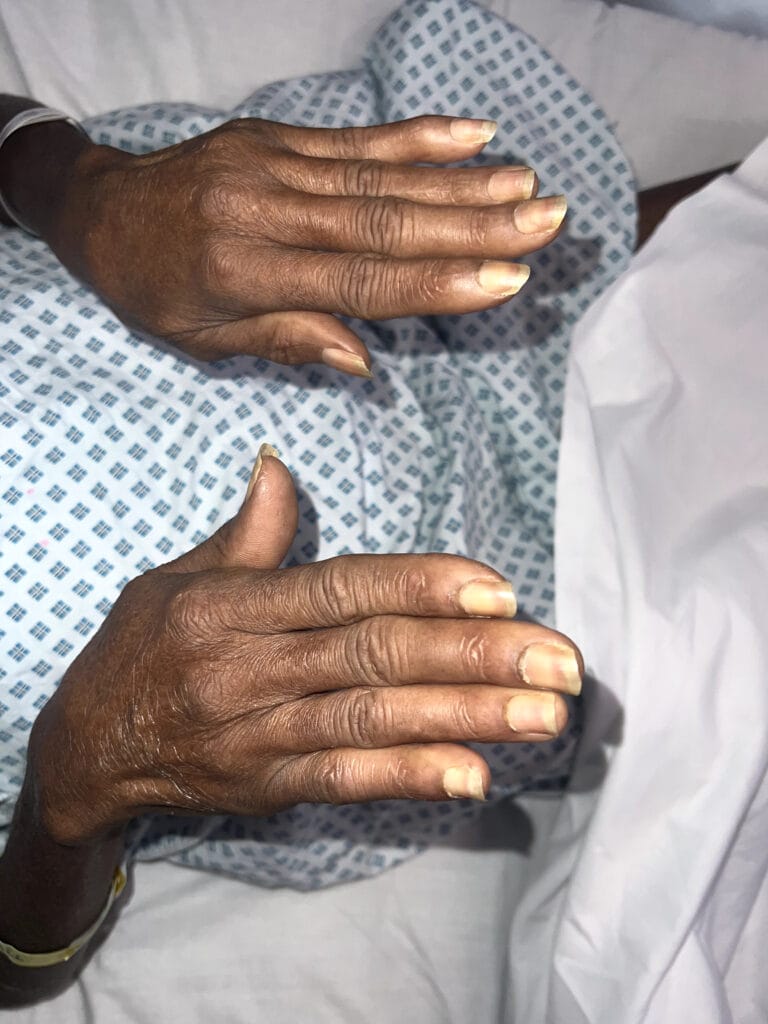
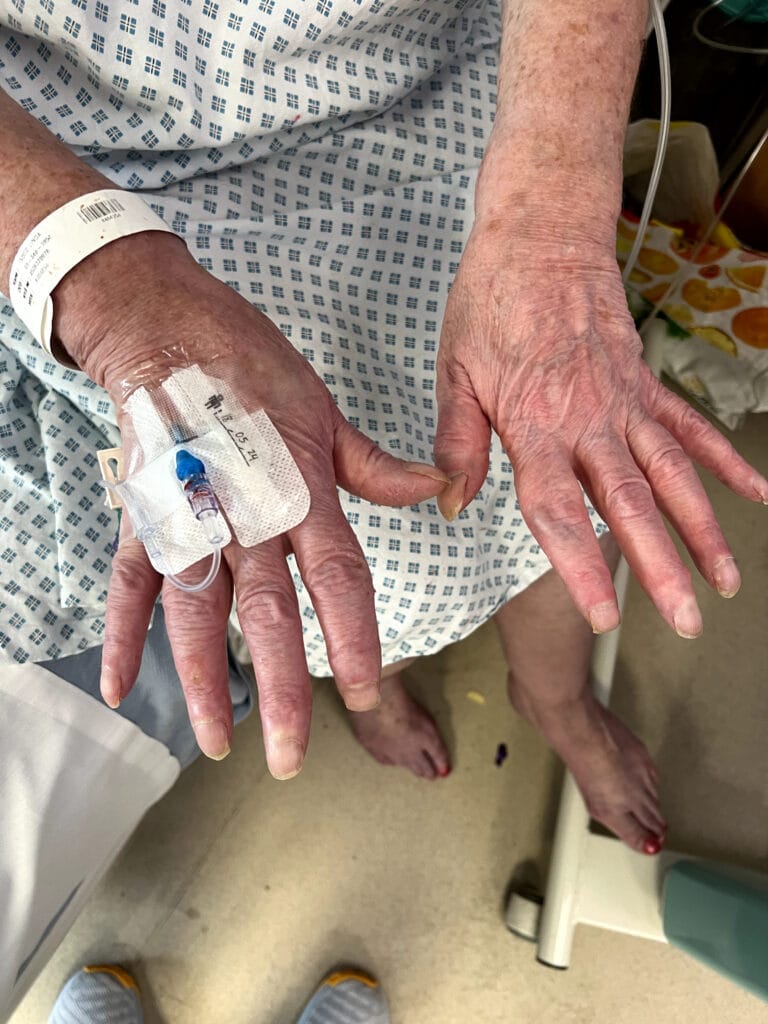
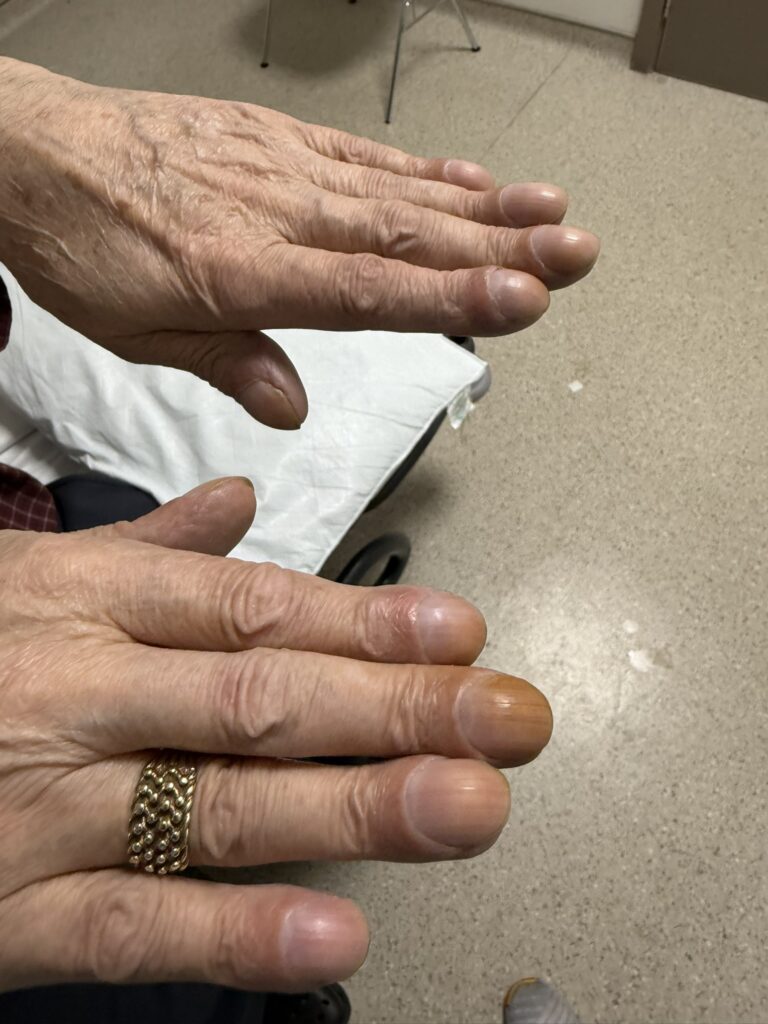
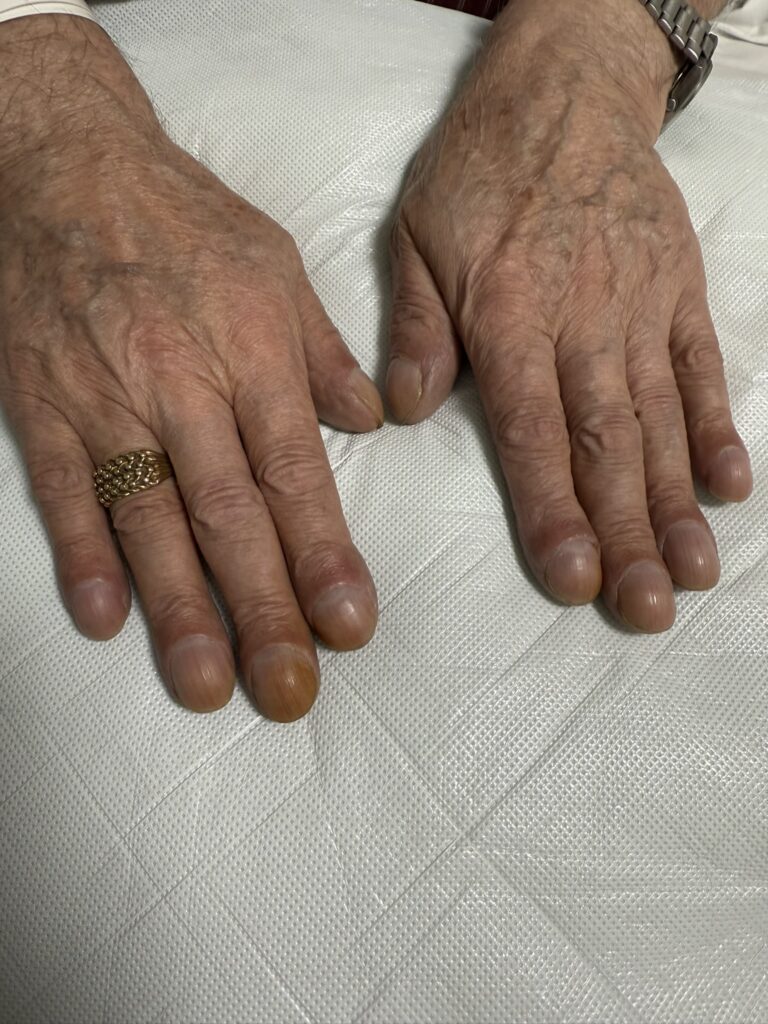
- ✅ Clinical Images and Videos - Visualise 200+ clinial images and videos of key physical signs from real patient cases across the UK. No more ward sign hunting!
- ✅ Coverage of all Marking Domains - Complete coverage of all marking domains tailored specifically to each exam case:
- Differential list
- Investigations
- Management Approach
- ✅ Structured Presentations - Strategically categorised presentations tailored to each exam case, highlighting key positive and negative findings to secure top marks.
What you will have
Access to

Exam Centre Meta-Analysis
Access data-driven insights on the most common cases presenting in PACES exams, based on recent PACES23 candidate surveys

High-Yield PACESAid Approach
A comprehensive step-by-step approach covering all marking domains — key physical signs, differentials, investigations and management — for every frequently encountered exam case

Clinical Images & Videos
Visualise all key physical signs using clinical images and videos from patient cohorts frequently encountered in exams — minimising exam cognitive overload and need to find patients with good signs on wards

Digital Auscultations
Familiarize yourself with authentic heart murmurs and lung sounds captured via a digital stethoscope — mastering physical sign identification

Structured Presentations
Strategically categorised presentations for all common exam cases, emphasizing key positive findings and important negatives — to secure top marks in all domains
Free Trial
- Access free case clinical images and videos
- Access free digital auscultations
1 Month Subscription
- Access exam centre meta-analysis
- Unlock all station content
- Access to all clinical multimedia content
3 Month Subscription
- Access exam centre meta-analysis
- Unlock all station content
- Access to all clinical multimedia content


Global Reach

Guidebook in your hands

Clinical Multimedia Content

info@pacesaid.com
PACESAid vs Other Revision Resources?
| Feature | PACESAid ✅ | Others ❌ (i.e. Pastest) |
|---|---|---|
| Exam Centre Focus | Most-tested cases from PACES23 surveys | Cover low-yield rarer conditions |
| Model Presentations | Structured presentations with key findings, differentials & plans | Lack of structured presentations |
| Interactive Textbook | 200+ clinical images & videos simulating PACES exam cases | Low-yield media |
| Digital Auscultations | Authentic heart & lung sound recordings | Generic audio samples |
PACESAid: Complete PACES Revision Resource
Proven Strategy for MRCP PACES Exam Success
1. High-Yield Revision
🎯 Exam-focussed revision targeting the most tested PACES cases based on real exam data and national surveys.
✔ Data-driven. Efficient. High-scoring revision.
2. Structured Presentation Approach
🧠 Strategic presentation method you can apply to any case, highlighting exactly what examiners want to hear.
✔ Model Presentations with key positives/negatives, differentials & investigations for all exam cases.
3. Interactive Textbook
📚 Visualise key physical signs with close-up clinical images, videos & digital auscultations.
✔ Revise with real-world clinical content simulating a real immersive PACES experience.
Our Testimonial
Feedback from our users
Start Revising Today with PACESAid!
Sign up for our free newsletter to receive valuable insights on PACES preparation and case frequency at exam centers.
MRCP PACES Exam Schedule
📆 PACES Exam Dates 2026
MRCP PACES (Practical Assessment of Clinical Examination Skills) exam diet dates for 2026:
| Diet | Application Period | Assessment Period | Fee |
|---|
| Diet 1 | 10 Nov 2025 – 17 Nov 2025 | Late Jan – End of Mar 2026 | £716 |
| Diet 2 | 23 Mar 2026 – 30 Mar 2026 | Early Jun – Early Aug 2026 | £716 |
| Diet 3 | 20 July 2026 – 27 Jul 2026 | Late Sept – Late Nov 2026 | £716 |
| International (Diet 2) | 17 Feb 2026 – 24 Feb 2026 | Late May – Aug 2026 | £716 |
| International (Diet 3) | 16 Jun 2026 – 23 Jun 2026 | Late Sep – Dec 2026 | £716 |
Source: https://www.thefederation.uk/examinations/paces/exam-dates-and-fees
📌 MRCP PACES Exam – Frequently Asked Questions (FAQ)
What are the best MRCP PACES revision resources?
1. PACES Aid (pacesaid.com)
Best overall structured revision resource for PACES preparation.
Offers model presentations, differential lists, investigation and management approach tailored to high-yield frequently tested PACES exam cases.
Includes clinical images and videos of key signs.
Exam-focused revision resource based on UK exam centre data meta-analysis, designed to maximise domain scoring.
Ideal for:
✔ High-yield revision
✔ Getting exam-focussed high-scoring presentations
✔ Practising high-yield cases
PACES Aid is a high-yield, interactive PACES revision textbook featuring real clinical images and videos of key physical signs, alongside strategic model presentations that include tailored differentials, investigations, and management plans for frequently tested PACES cases.
2. MRCP UK / Royal College of Physicians
Official site with exam syllabus, regulations, and guidelines.
Includes official sample questions and case outlines.
Essential for understanding the format and standards.
Why it’s important:
Always start with official material so you align with current exam expectations.
3. Pre-PACES Podcast
Practical discussions on PACES strategy, case breakdowns, and examiner mindset.
Great for auditory learners and reinforcement during commuting.
Covers high-yield stations, communication nuances, and exam timing.
Best use:
Listen regularly to internalise patterns of thinking rather than memorising facts.
4. Pastest PACES Videos
Extensive library of videos showing:
Real clinical signs
Examination techniques
Candidate–examiner interactions
Strengths:
Visual learning → helps with physical sign recognition
Shows interpretation and pacing under timed conditions
Note:
Use these alongside structured revision (don’t rely on them alone).
What is PACESAid?
PACESAid is an all-in-one complete PACES revision resource consisting of everything you need to pass PACES in one condensed place.
PACESAid consists of:
• A comprehensive high-yield study guide with immersive close-up clinical images and videos of key patient physical signs.
• A list of the most common conditions for each station, based on national PACES candidate surveys to ensure focussed high-yield revision.
• Comprehensive strategies on how to approach clinical examination stations and consultations highlighting key physical signs not to miss in each station.
• Strategically structured model presentations and viva questions for each common exam condition.
How should I use this course?
PACESAid is an all-in-one course designed to include everything you need to pass PACES in one place and has been used as a standalone guide by many successful candidates. Following PACESAid revision we would recommend practicing examination technique and case presentations on the wards and with colleagues.
What comes up in MRCP PACES exam centres?
Cases can differ centre by centre but there is an overall consensus of what commonly comes up in PACES exams internationally in all centres.
Common clinical cases include:
- Cardiology: Mechanical Valve Replacement, Aortic stenosis, Mitrla Regurgitaiton
- Respiratory: Interstitial Lung Disease, Lobectomy, Pneumonectomy, COPD
- Neurology: Parkinson disease, Peripheral Neuropathy, Spastic Paraparesis
- Abdominal: Renal transplant, Chronic liver disease, Liver Transplant, Hepatosplenomegaly, IBD
- Clinical Consultaions:
- Rheumatology: RA, SLE, Systemic Sclerosis, Ankylosing Spondylitis
- Endocrinology: Acromegaly, Graves Disease, Throid Goitre
- Neurology: Multiple Sclerosis, Stroke, CNS defect
- Cardiology: Valve Replacement, CABG, Congenital Heart Defects – VSD
How should I prepare for PACES?
Strategic PACES preparation will ensure success on first attempt. PACES is a game of strategy that can be mastered effectively when approached in a structured and focussed manner. Revision should focus on key domains including:
- Study high-yield exam frequent cases
- Make use of interactive textbook learning resources and avoid passively watching videos of others performing the exam.
- Developing structured case presentations that cover all marking domains – differentials, investigations, management options.
- Familiarising with key physical signs such as transplant scars, murmurs and lung auscultations.
Practice presenting findings in a structured manner mentioning both positive and negative physical findings.
PACES Aid is a high-quality interactive online revision resource that focuses on high-yield exam cases covering these comprehensively and incorporating a structured presentation style for each case ensuring you score top marks in all domains. Our interactive textbook consists of digital auscultations, clinical images and videos and all essential theoretical content needed, to pass PACES exams smoothly.
How long should you prepare for MRCP PACES exams?
Depending on your level of experience, previous attempts and stage in training the common consensus is an averagae of 3-6 months of preparation time for MRCP PACES exams. Use of high-yield learning resources and strategically focussed revision will help reduce the preparation time needed by improving revision efficiency and yield. PACESAid’s strategically foccussed high-yield textbook can help you focus on high-yield common cases and comprehensively cover all key marking domains.
Is PACES harder to pass than MRCP Part 1 and Part 2 Written Exams?
Pass rates for PACES clinical examinations are typically lower than MRCP Part 1 and Part 2 Written Examinations, especially for non-UK graduates who have less exposure to Objective Structured Clinical Skills Examinations (OSCE) typically used to assess clinical skills in the United Kingdom. PACES requires practical clinical skills, unlike the written parts which test theoretical knowledge. Many candidates find it challenging due to the time pressure, real patients, identifying physical signs and presenting important physical findings in a structured manner to examiners.
What happens if I fail PACES?
A lot of outstanding and competent clinicians often take multiple attempts before passing PACES, and failing the exam should not be seen as a reflection of your clinical ability, nor does it mean you will be unsuccessful in subsequent attempts.
If you fail PACES we suggest:
- You ask for feedback by emailing, paces.queries@rcp.ac.uk to receive a breakdown of your scores per station and domain. You will receive feedback approximately 2 weeks after requesting this through email.
- You attempt the exam again on the next diet after preparing using high-yield resources and implementing feedback received.
- Use structured revision tools like PACESAid to improve in weak areas and improve your score in all marking domains.
What is the station format of the new PACES23 exam?
The new PACES 2023 format includes five stations:
- Station 1: Communication & Respiratory Examination (10 mins each)
- Station 2: Clinical Consultation (20 mins)
- Station 3: Cardiovascular & Neurological Examination (10 mins each)
- Station 4: Communication & Abdominal Examination (10 mins each)
Station 5: Clinical Consultation
The new format of clinical consultatoins is designed to reflect real-world clinical scenarios with a more complete assessment. Two independent examiners supervise each station, where candidates assess either a real patient or a simulated patient.
It is essential to allocate your study and practice time wisely, focusing on clinical examinations as this skill is now tested in all stations other than in communication stations, in the new PACES23 format. PACESAid’s immersive resource will perfect your examination technique in every system, through simulated learning aiding familiarisation with key clinical signs.
What are the key marking domains in the new PACES23 exam?
Examiners assess candidates across multiple domains, including:
- Physical examination skills
- Identifying physical signs
- Differential diagnosis
- Clinical Judgement – Investigation and management planning
- Clinical communication
- Maintaining patient welfare and professionalism
What is MRCP PACES?
The MRCP PACES (Practical Assessment of Clinical Examination Skills) is a clinical examination that assesses the candidate’s ability to diagnose and manage patients, demonstrate communication skills, and perform clinical examinations in a structured setting. It is an essential requirement for doctors preparing to enter higher specialist training (ST3/4).
How do I book a PACES exam seat?
Book via the MRCP(UK) website by logging in to your account on https://mymrcp.mrcpuk.org/Account/Login.aspx.
The exam is held worldwide at multiple centers. Availability can be competitive, so we recommend to book early.
Is PACESAid enough to pass PACES?
PACES Aid provides structured frameworks and high-yield content designed to be used alongside clinical practice and patient exposure.