10 Common MRCP PACES Exam Mistakes And How to Avoid Them
Passing the PACES MRCP UK isn’t about knowing everything in medicine it’s about demonstrating structured clinical thinking under pressure.
Every year strong candidates fail not because of knowledge gaps, but because of predictable exam mistakes.
Here are the 10 most common PACES errors and exactly how to avoid them.

Common MRCP PACES Exam Mistakes and How to Avoid Them
Preparing for MRCP PACES is tough but many candidates lose marks due to predictable, avoidable mistakes. Here are the most common PACES pitfalls and exactly how to fix them:
1️⃣ Unstructured Low-Yield Revision
❌ The Mistake
Many candidates overprepare low-yield, rarely seen cases. This leads to cognitive overload and weaker performance on the common PACES presentations that actually score marks.
💡 Why This Matters
PACES rewards breadth and prioritisation, not obscure knowledge.
✅ How to Avoid It
PACESAid focuses revision on high-yield, commonly examined cases, based on a national survey of real PACES presentations helping you prioritise what actually comes up.
2️⃣ Unstructured Presentations
❌ The Mistake
Reaching the end of a station without a clear, structured presentation (findings → differentials → investigations) leads to hesitancy and lost marks.
💡 Why This Matters
Most marks are awarded during your presentation, not just the examination.
✅ How to Avoid It
Use a fixed presentation framework for every case:
Key positives
Key negatives
Differentials
Investigations
PACESAid provides ready-made, examiner-style presentation structures for all common cases.
3️⃣ Missing Key Negative Findings
❌ The Mistake
Listing positives only, while forgetting key negatives, weakens your diagnostic reasoning and examiner confidence.
💡 Why This Matters
Examiners assess whether you’ve done a complete, safe examination.
✅ How to Avoid It
Train yourself to always include key negative findings. PACESAid highlights both positives and negatives for every core case.
4️⃣ Jumping to the Diagnosis Too Early
❌ The Mistake
Spotting one sign and locking into a diagnosis too early — ignoring further signs and alternative diagnoses.
💡 Why This Matters
This leads to poor scores in clinical judgement and differential diagnosis.
✅ How to Avoid It
Approach each case with a broad differential framework first. PACESAid provides structured differentials for every presentation so you don’t anchor too early.
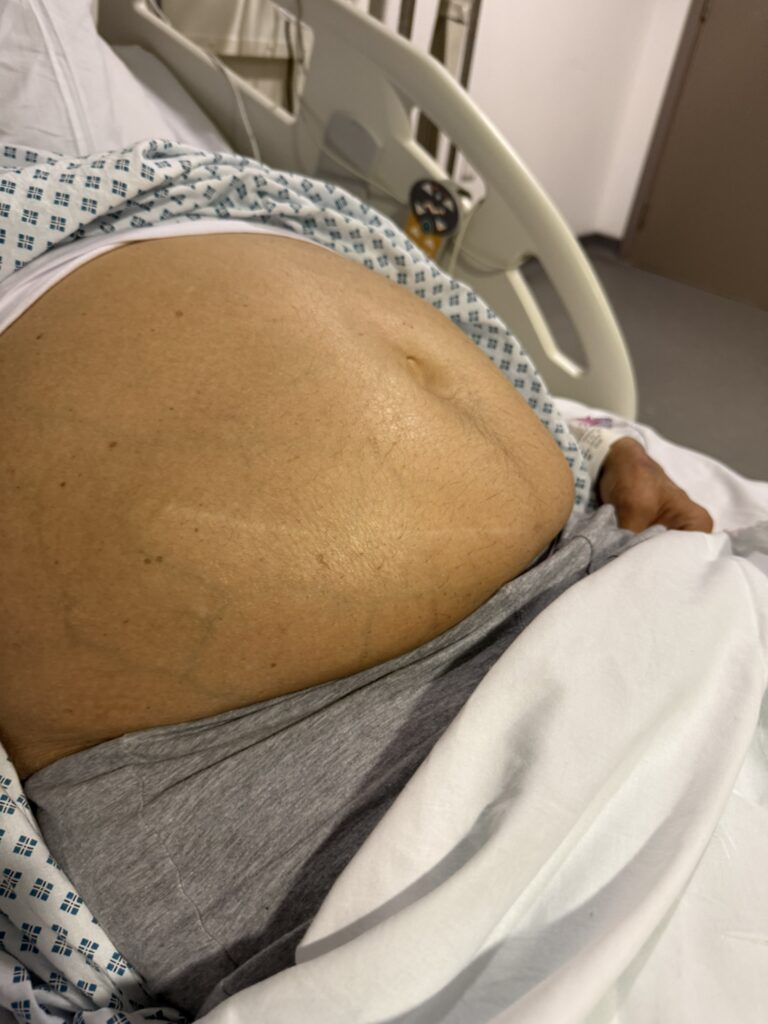
5️⃣ Examining Over Clothes
❌ The Mistake
Placing hands or stethoscope over clothing under pressure.
💡 Why This Matters
This reduces accuracy and gives a poor professional impression.
✅ How to Avoid It
✔ Always expose the relevant area
✔ Maintain dignity
✔ Re-cover the patient promptly
✔ Practise this in mocks until automatic
6️⃣ Missing Physical Signs
❌ The Mistake
Failing the Identification of Physical Signs domain due to rushed, unstructured exams.
💡 Why This Matters
Missing signs has a knock-on effect across all marking domains.
✅ How to Avoid It
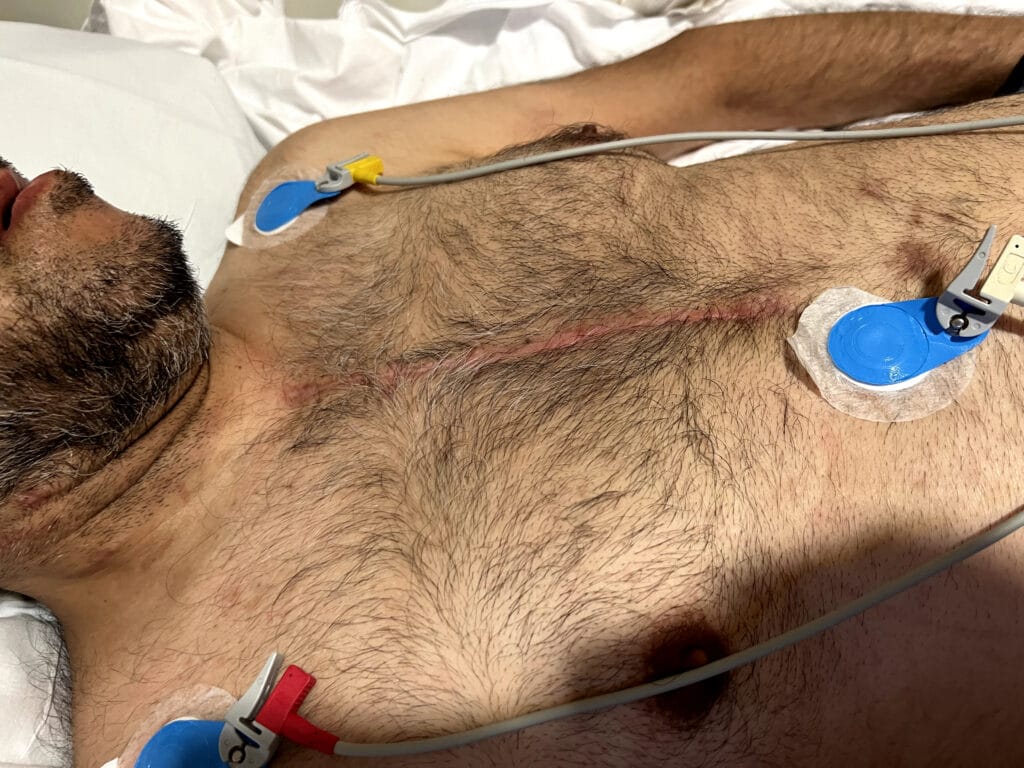
Repeated visual exposure is key.
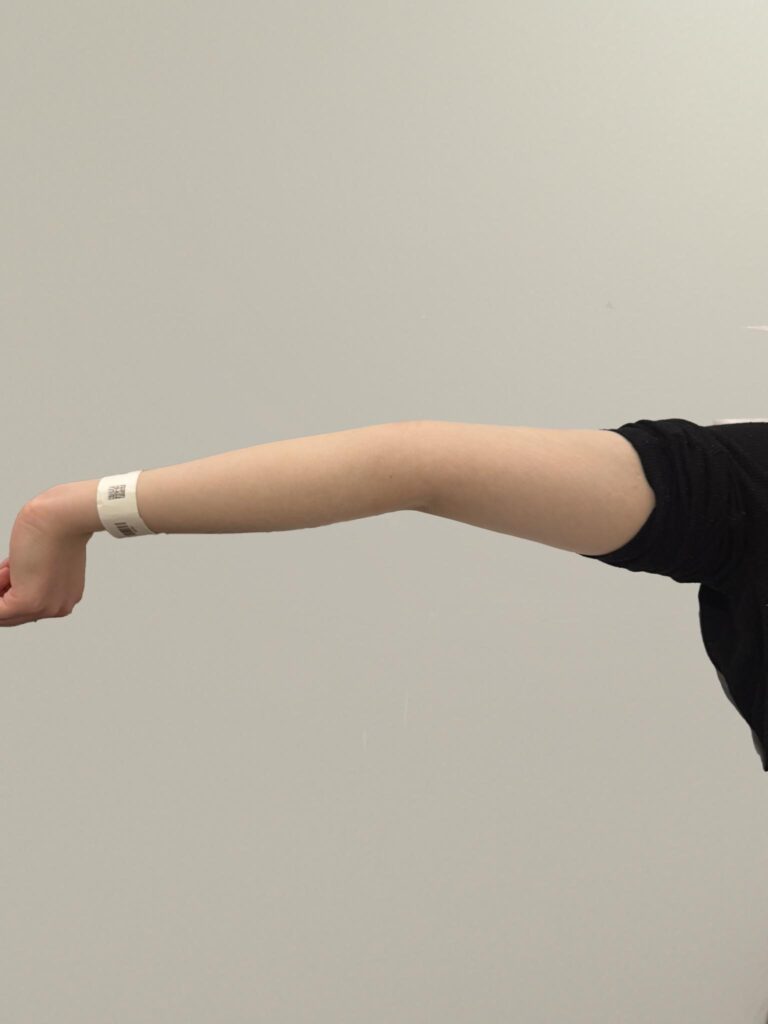
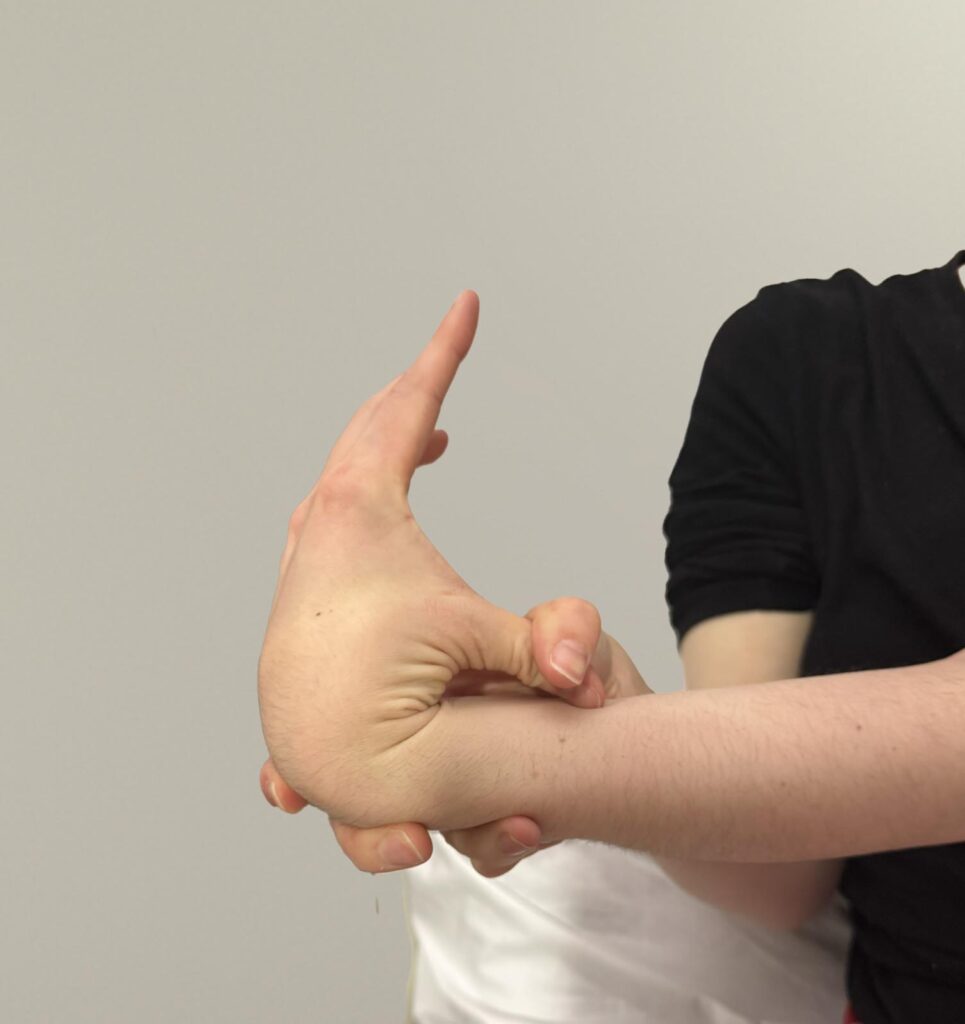
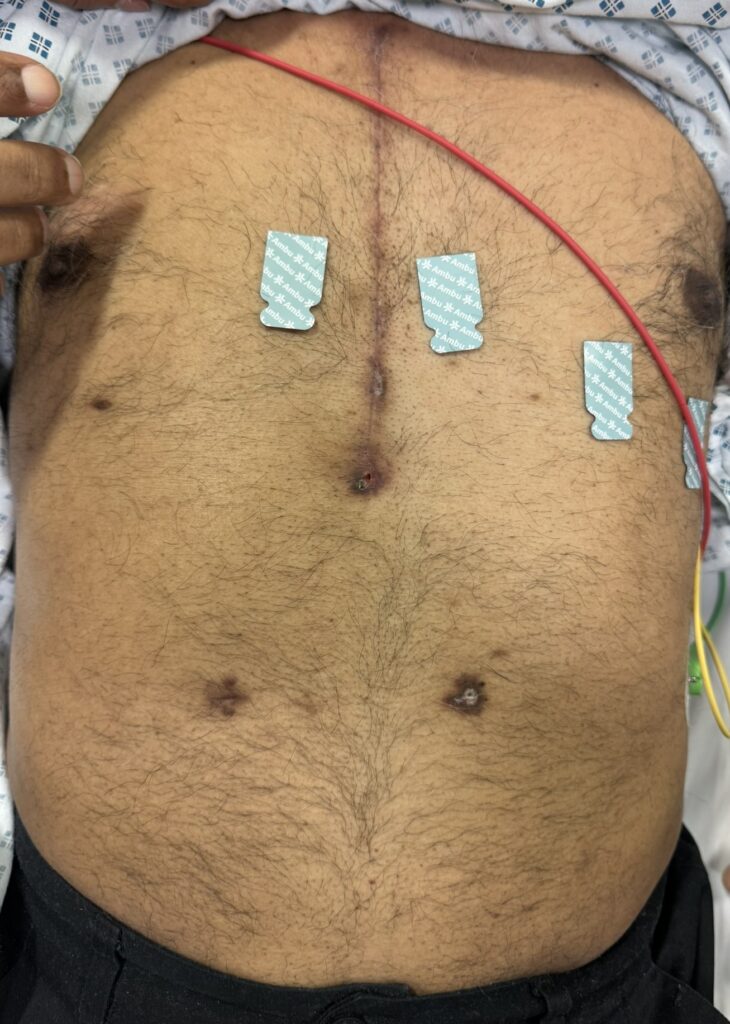
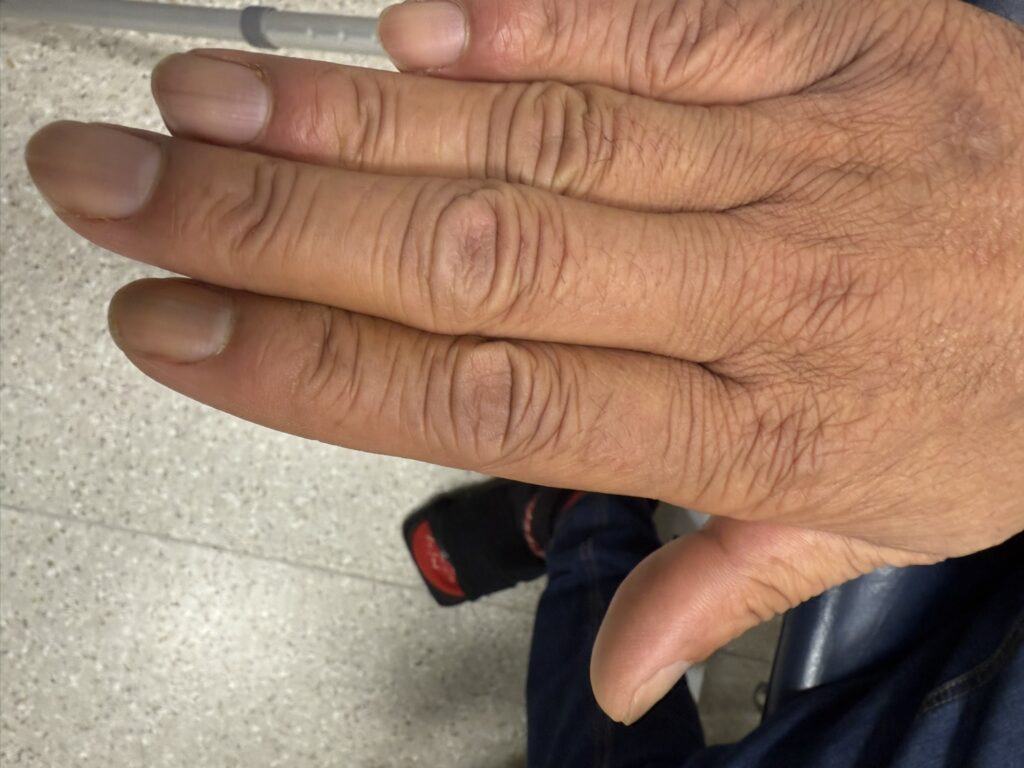
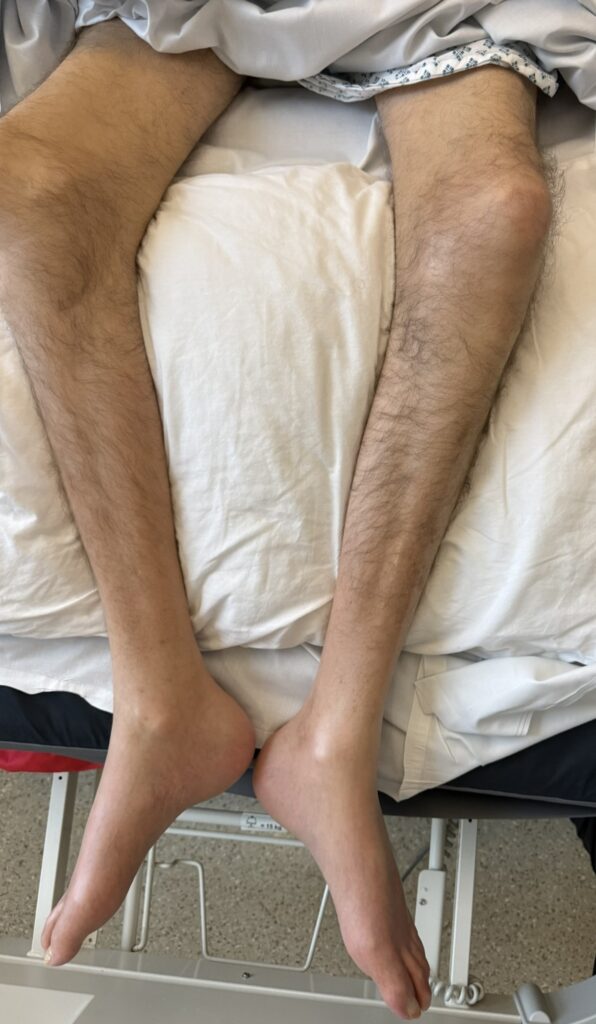
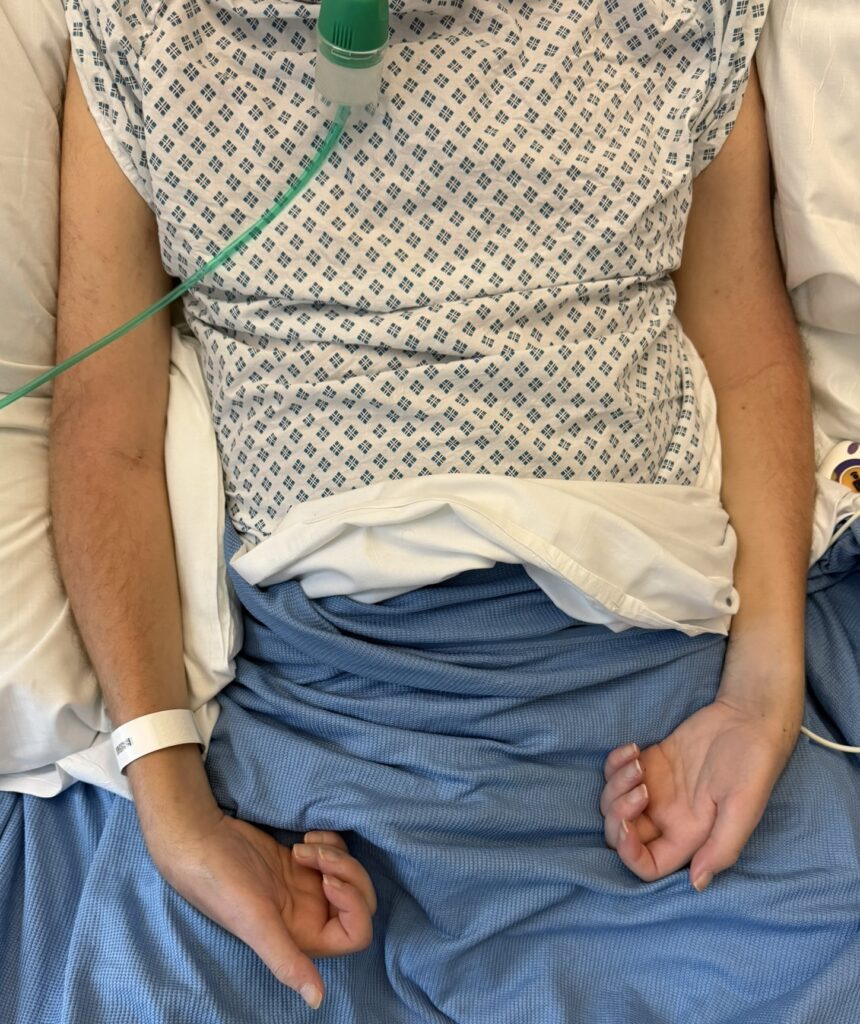
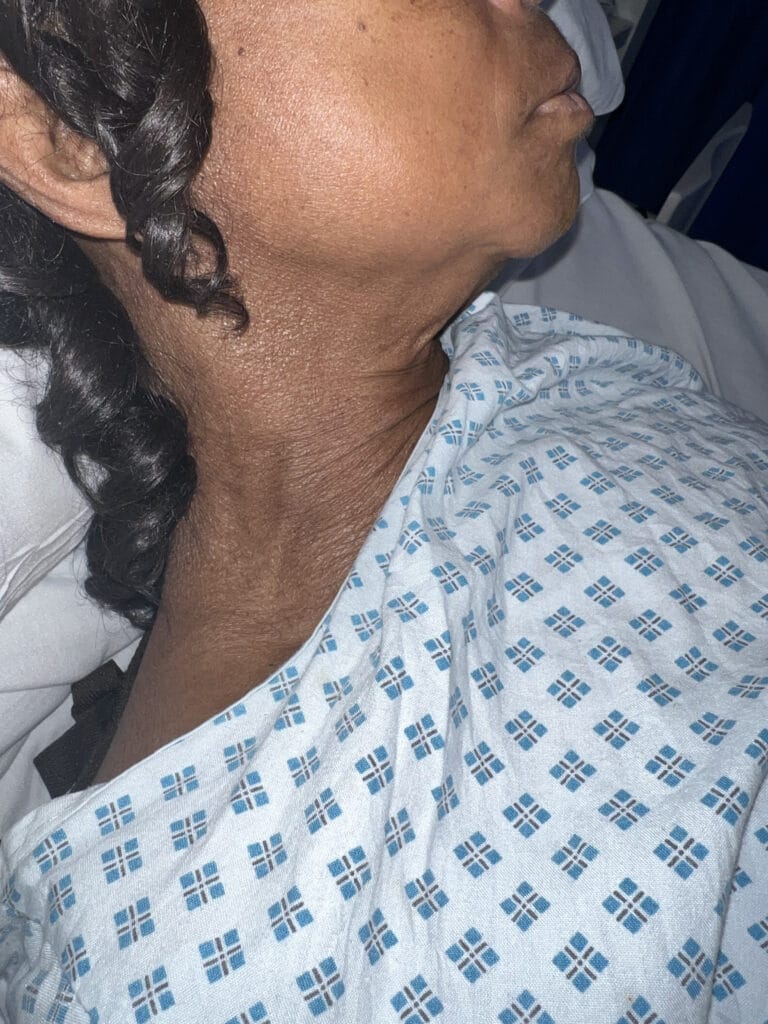
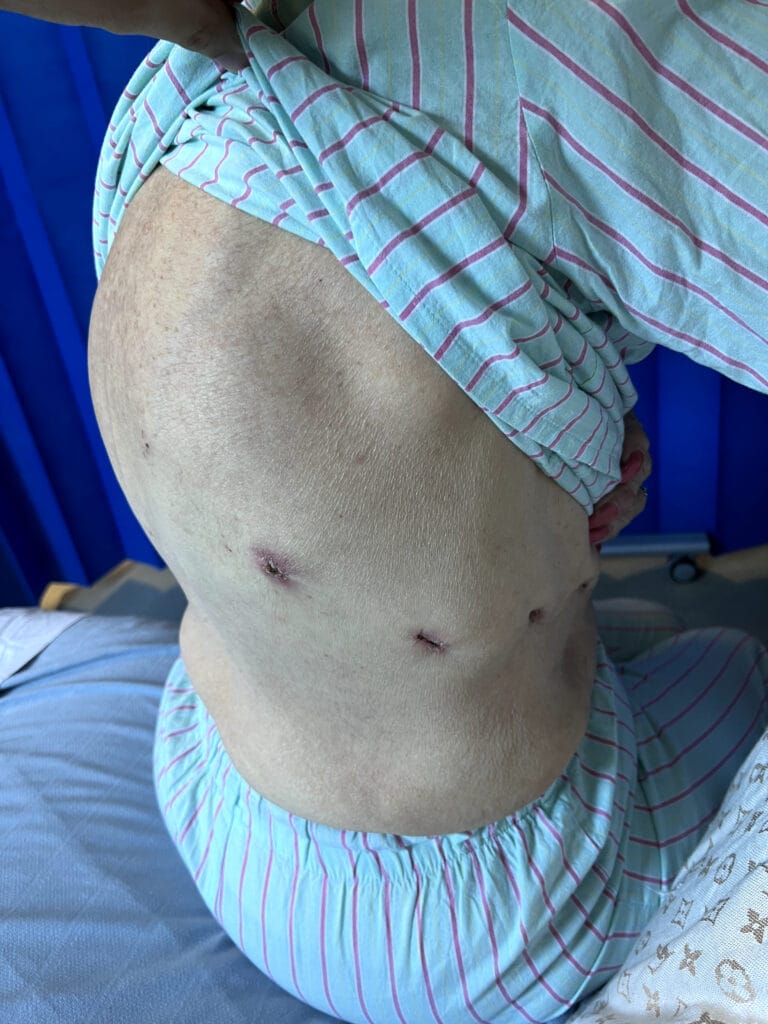
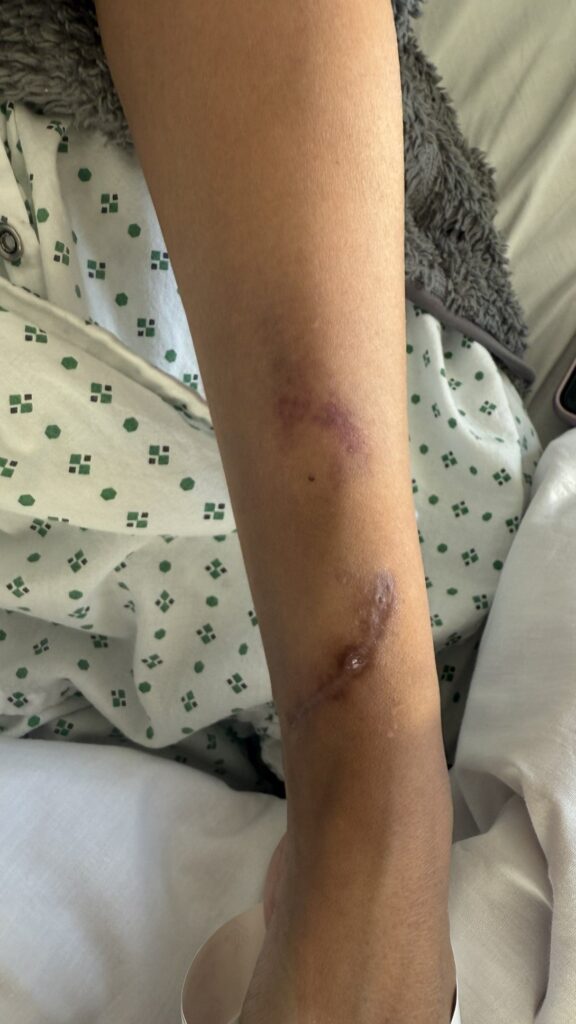
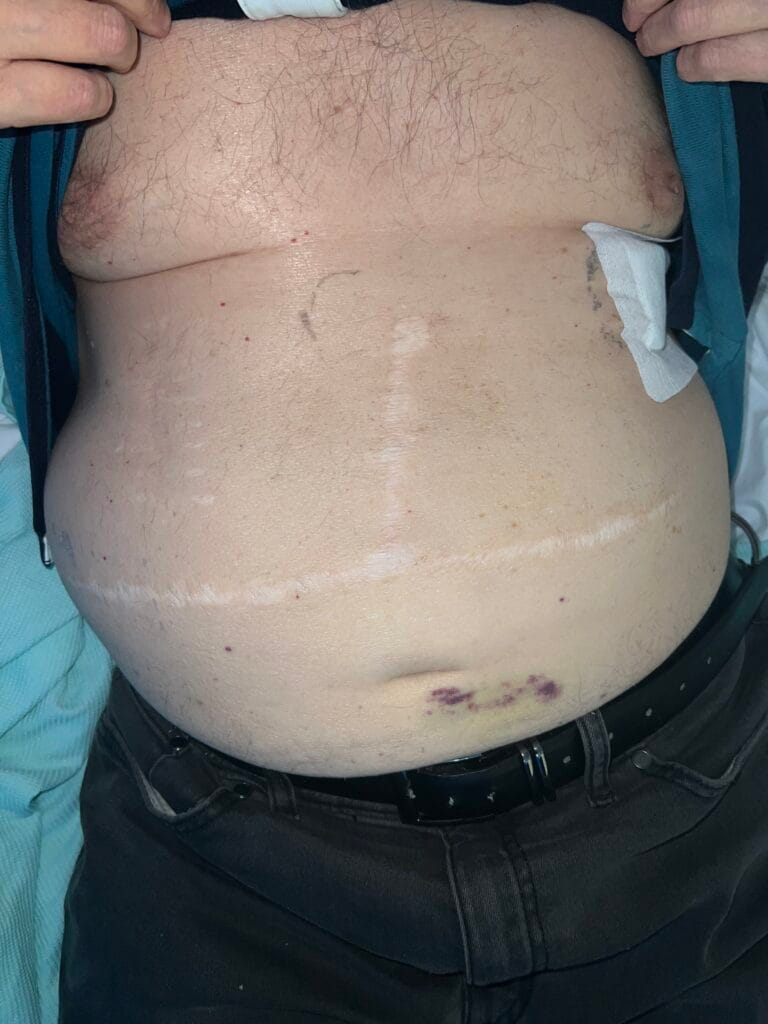
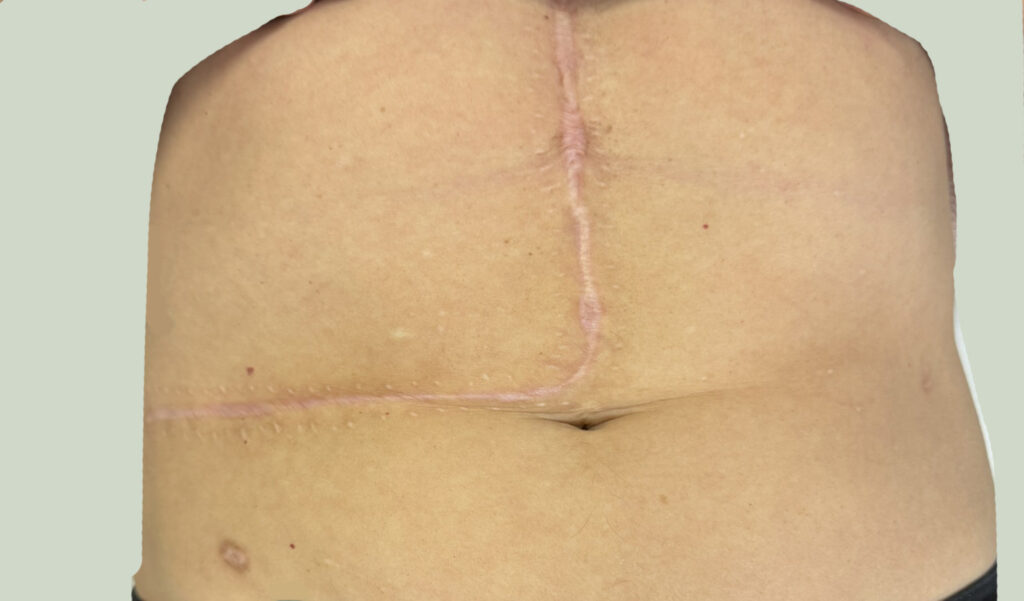
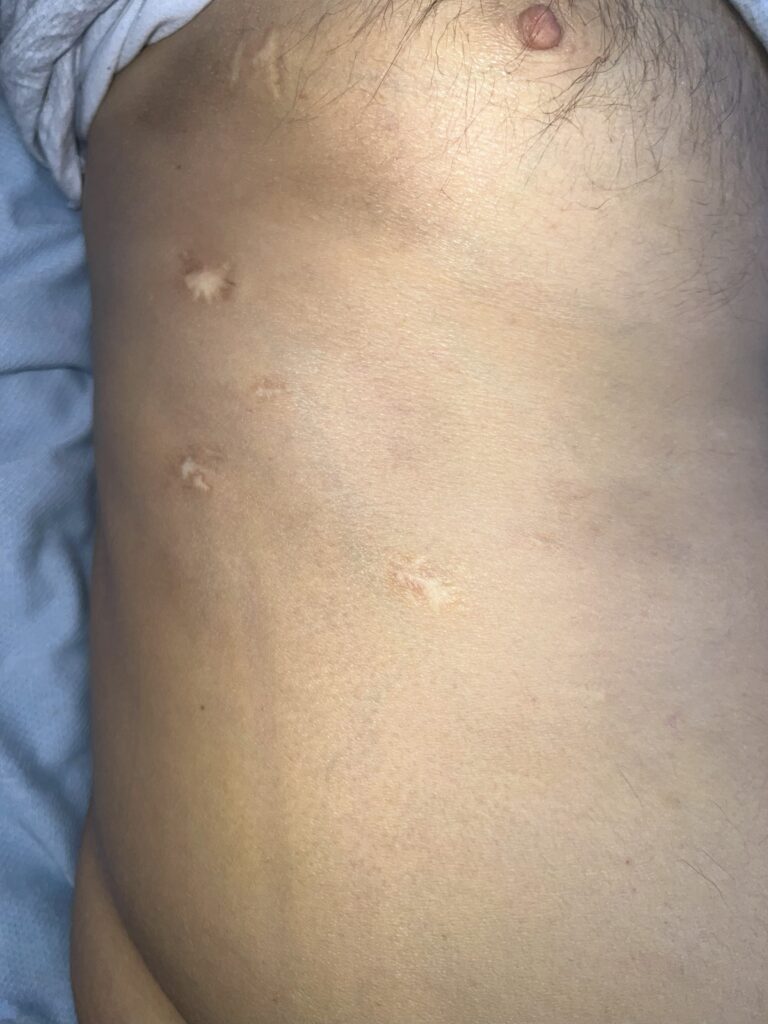
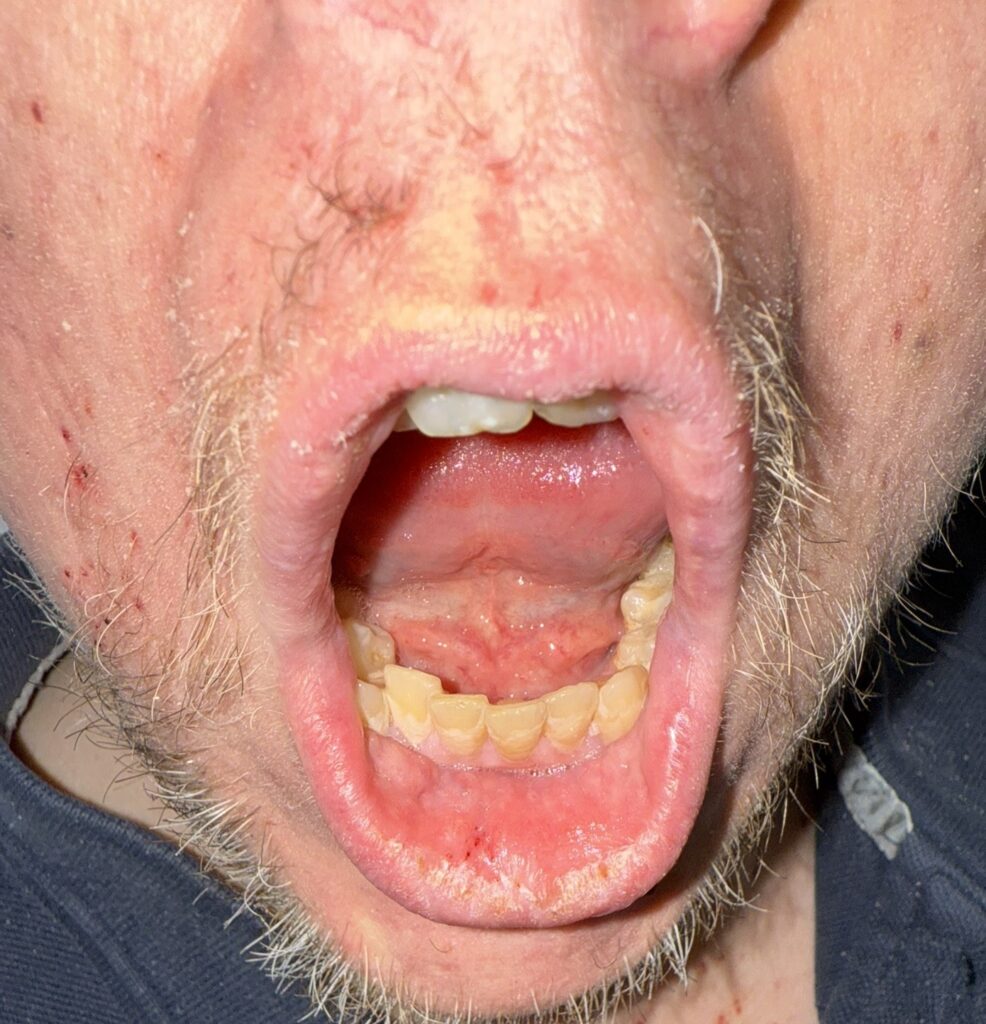
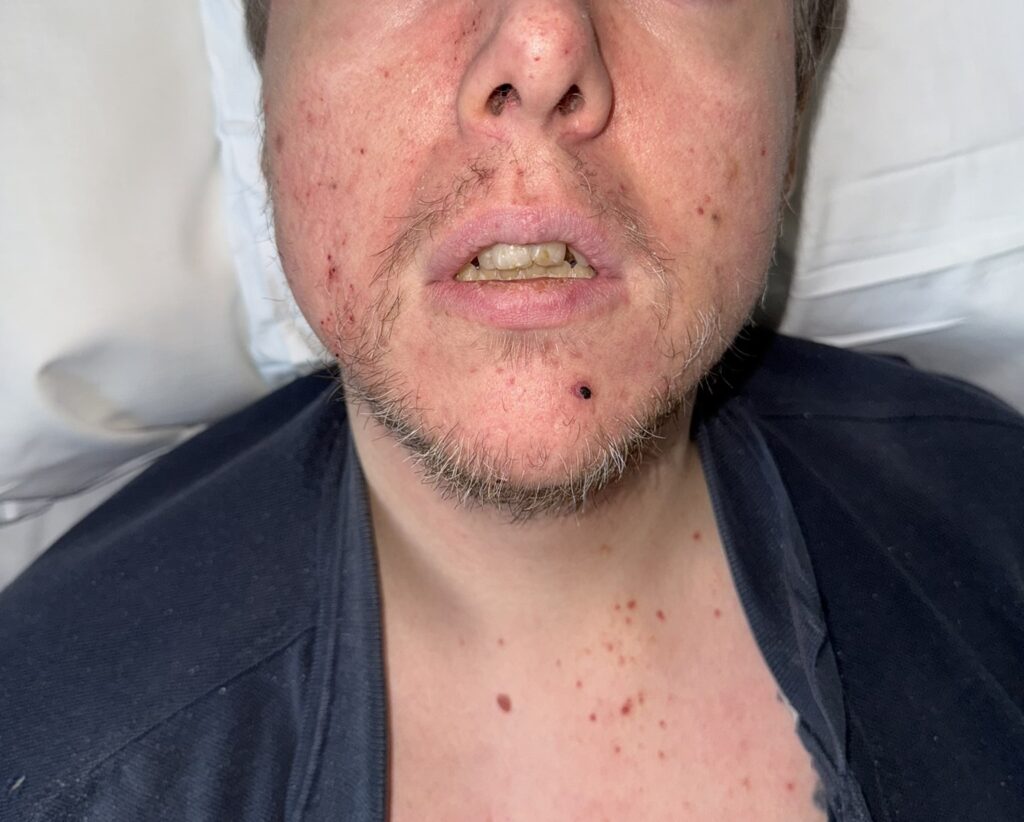
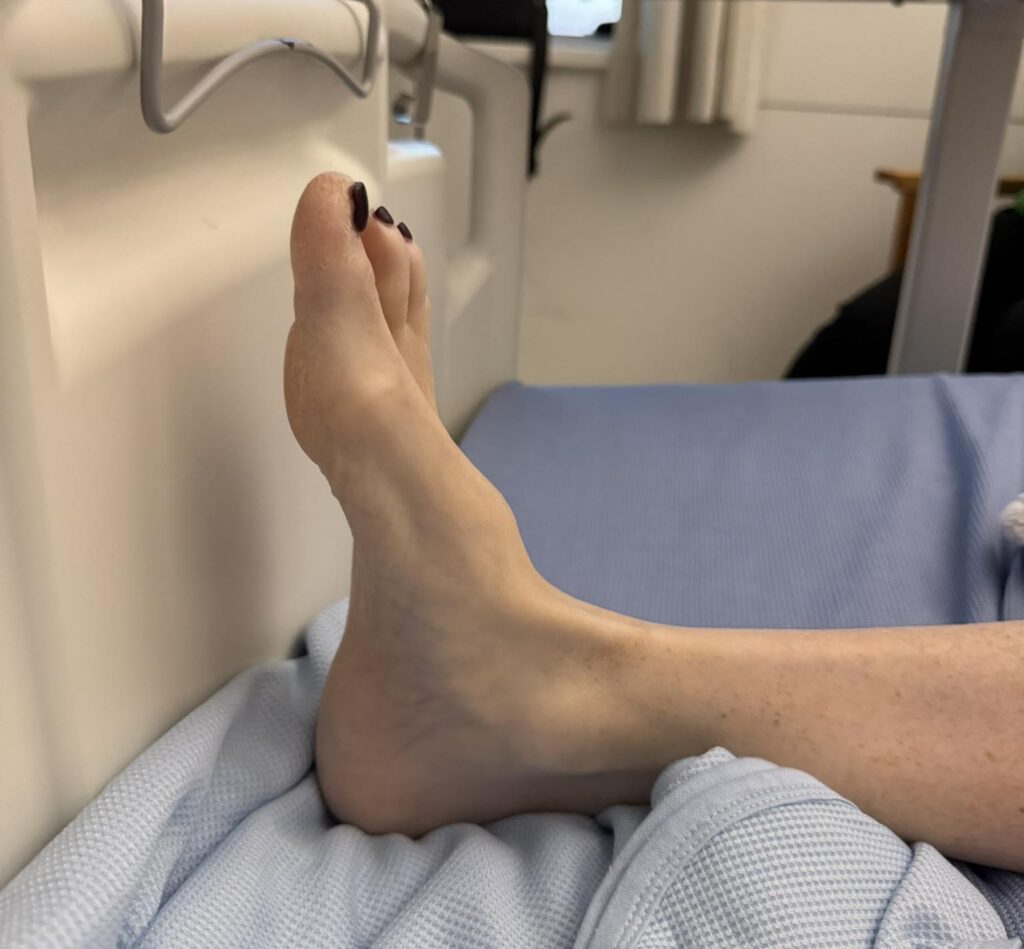
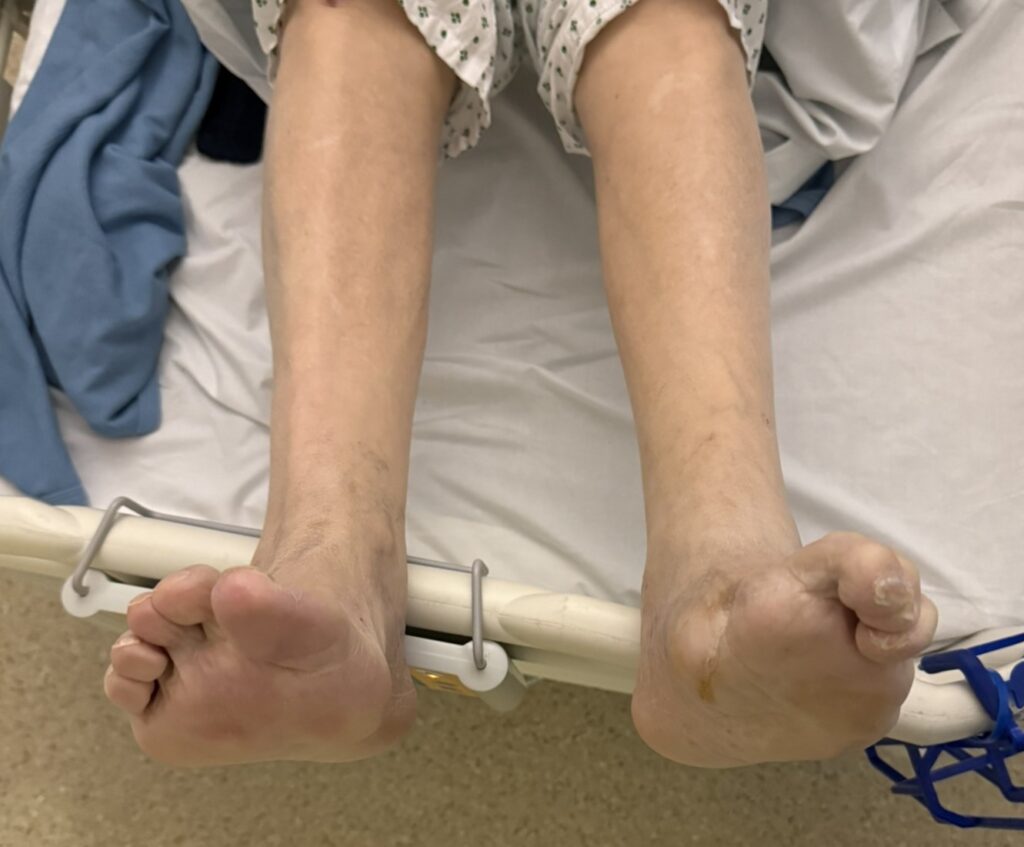
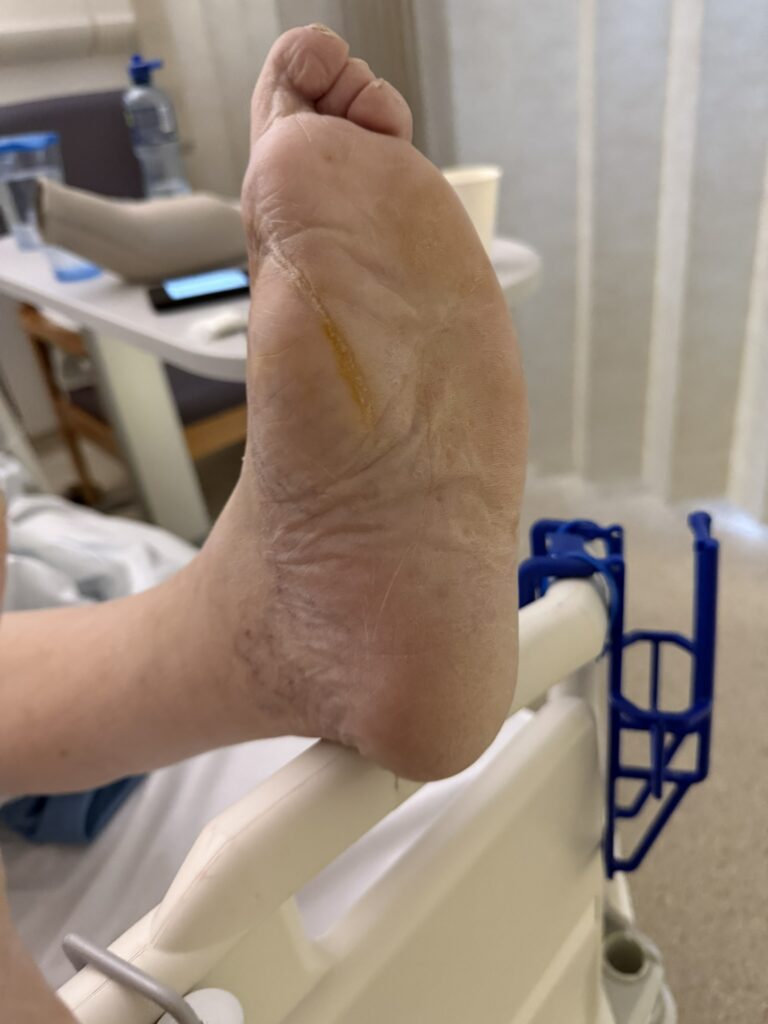
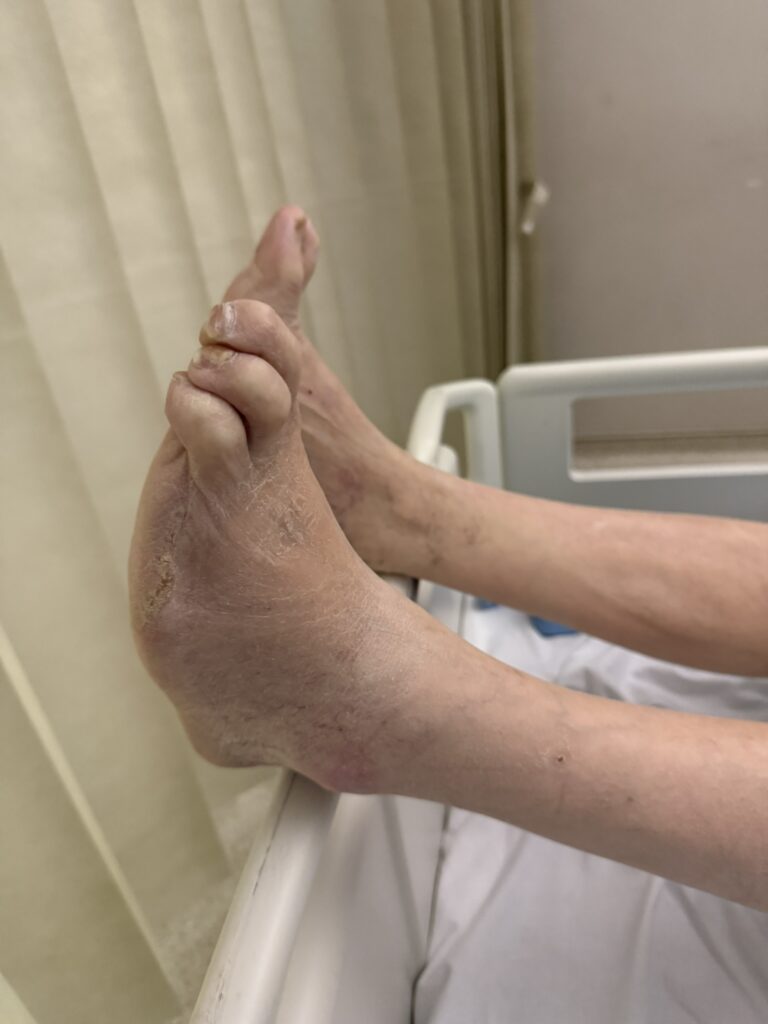
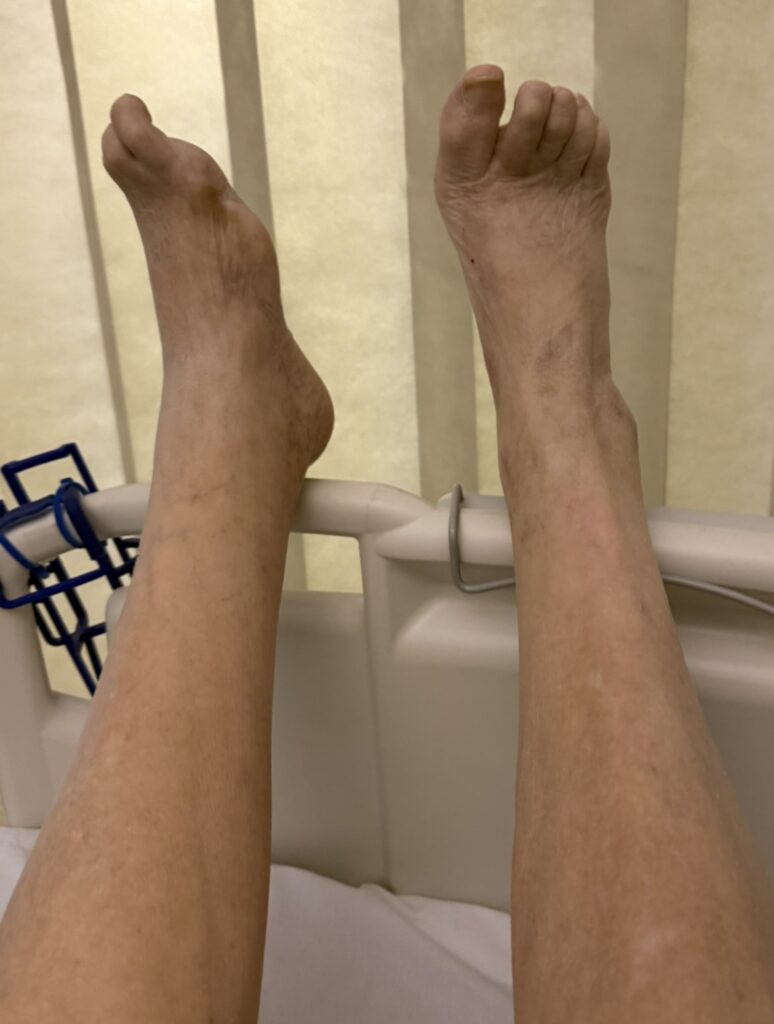
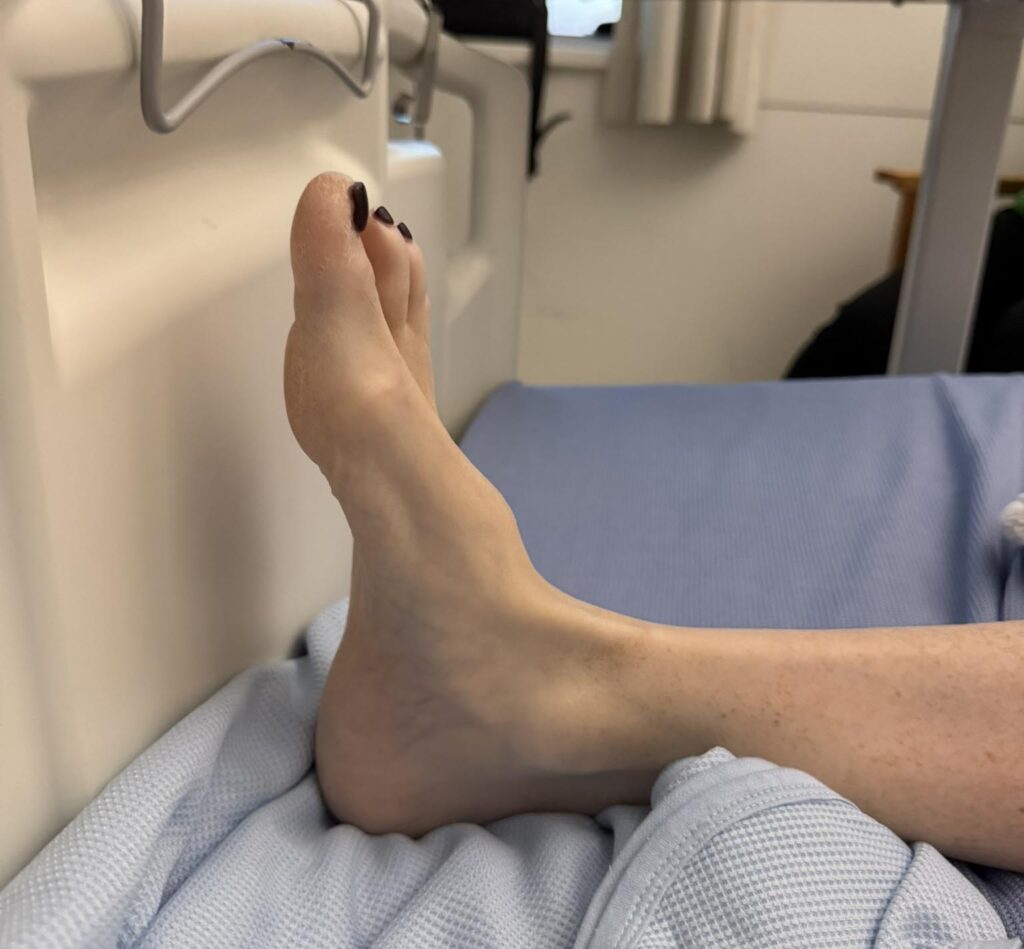
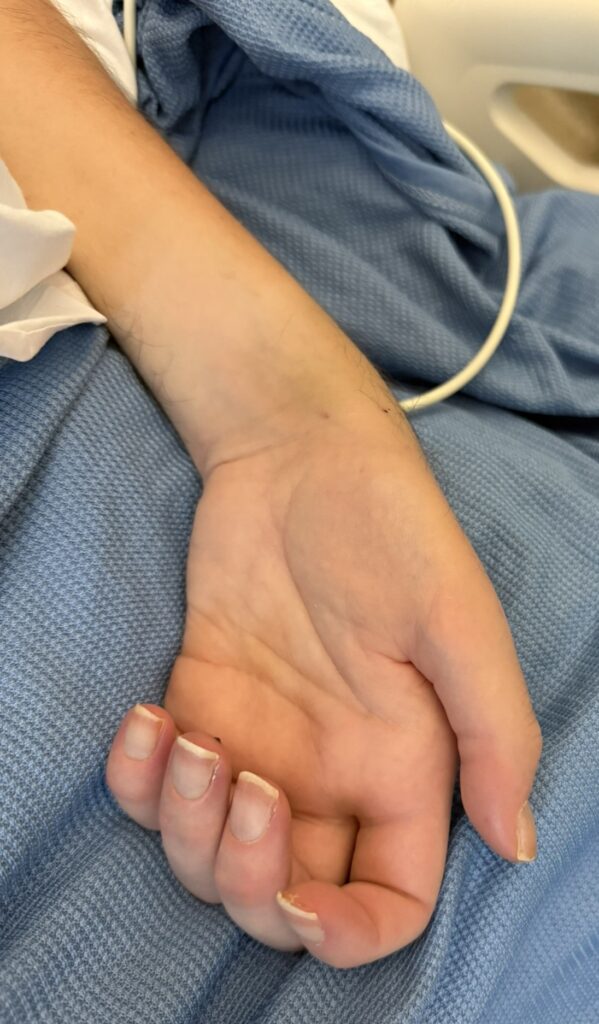
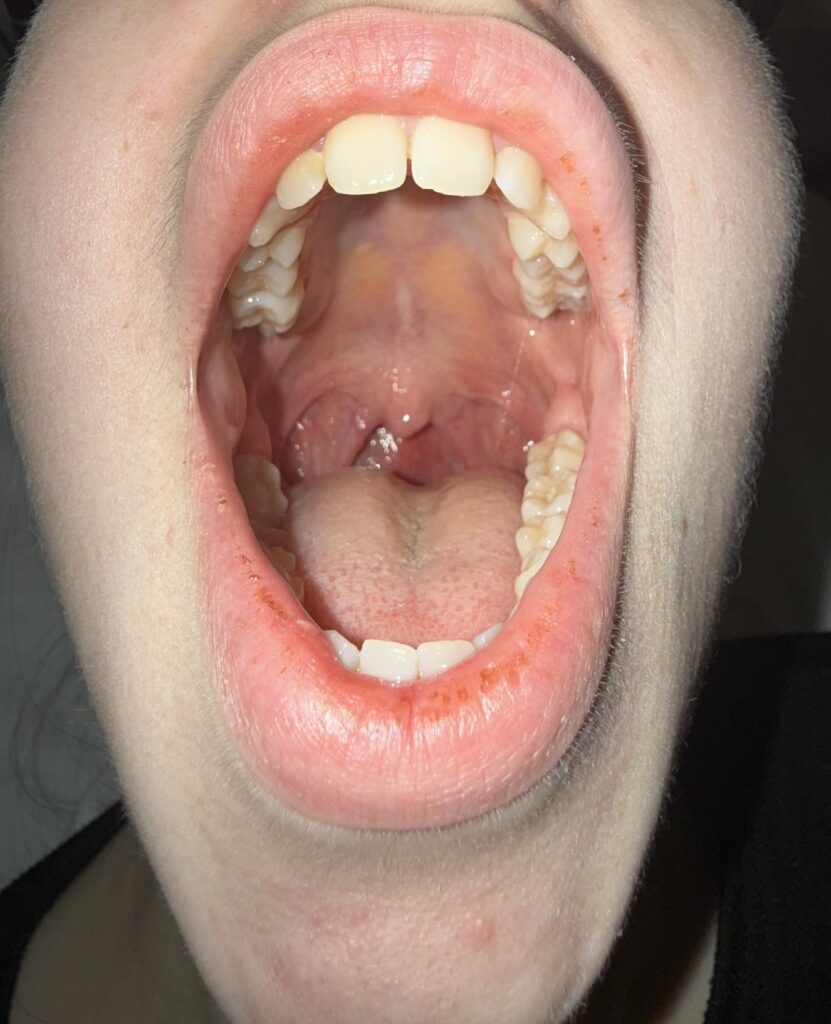
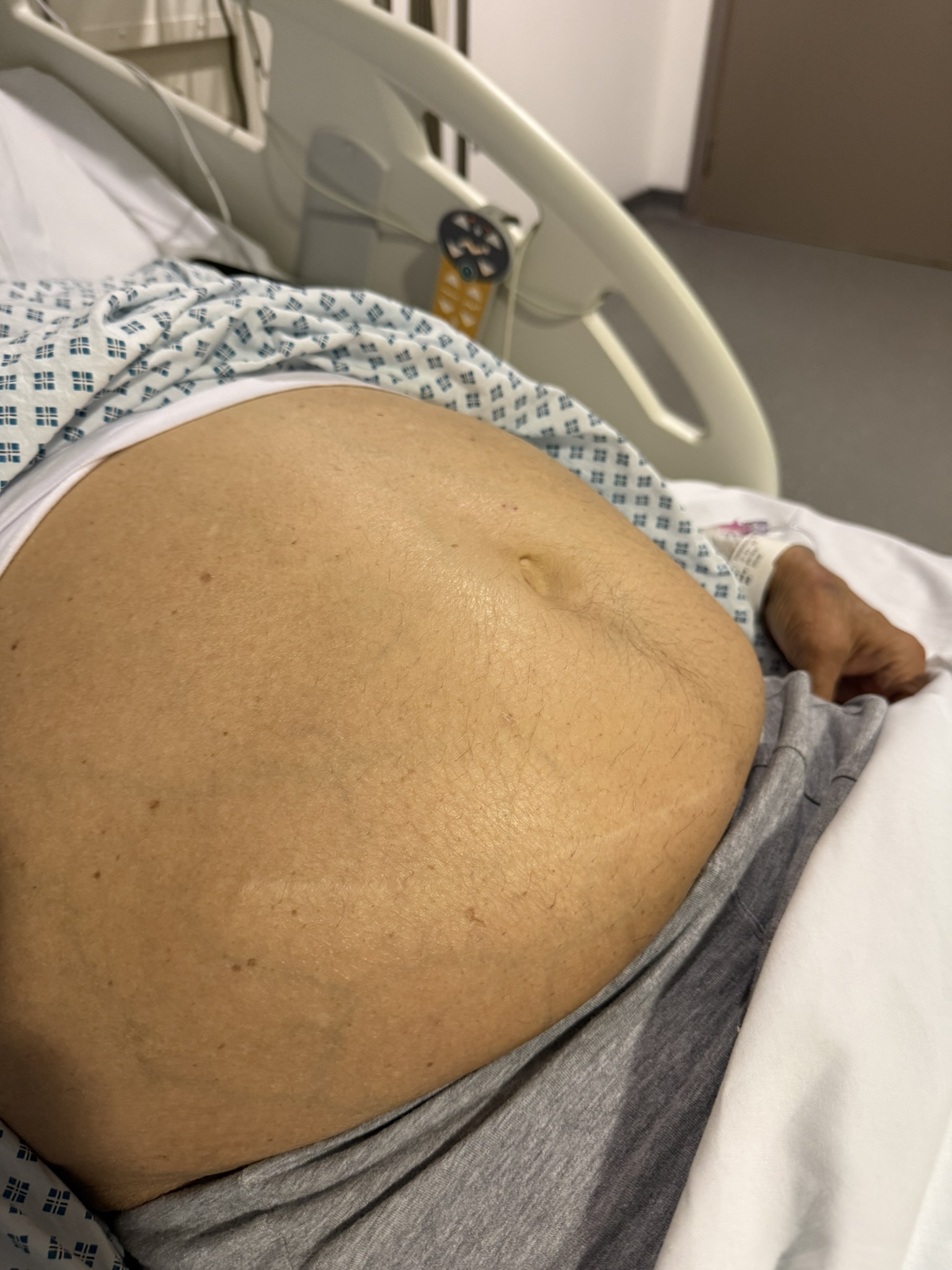
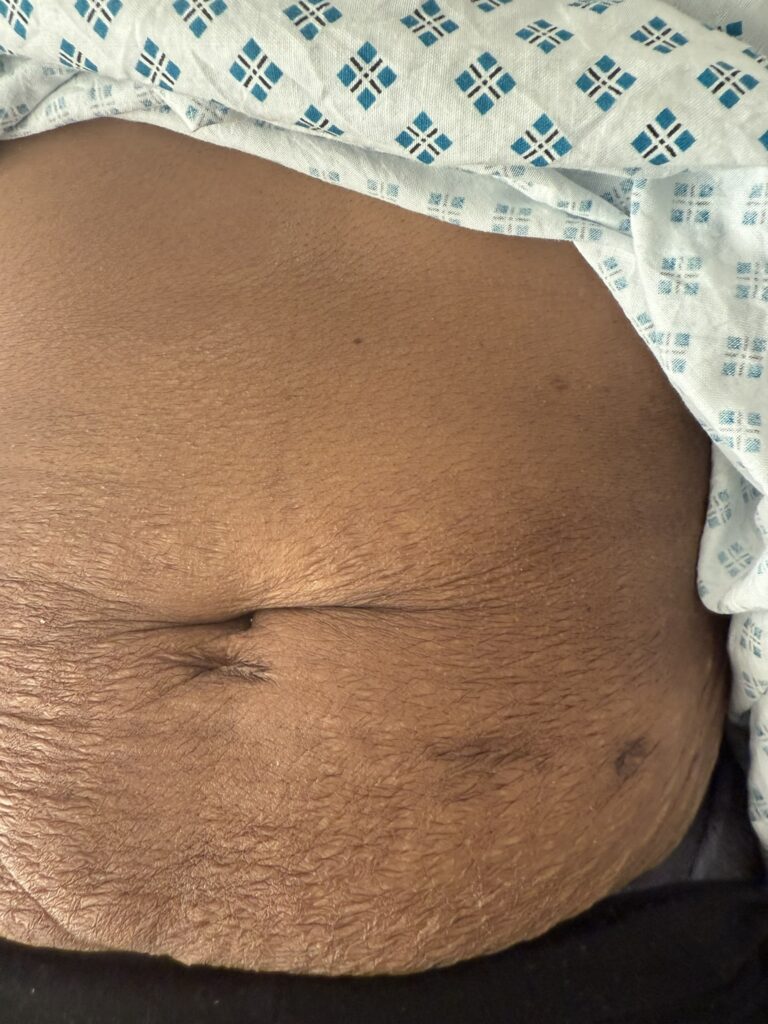
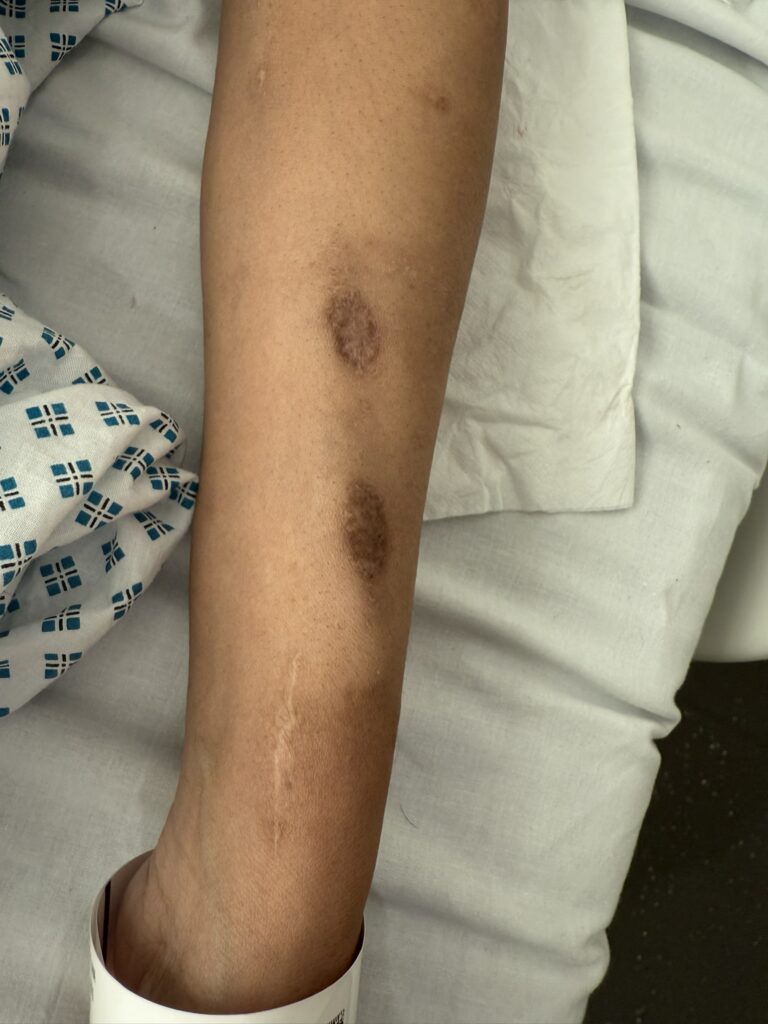
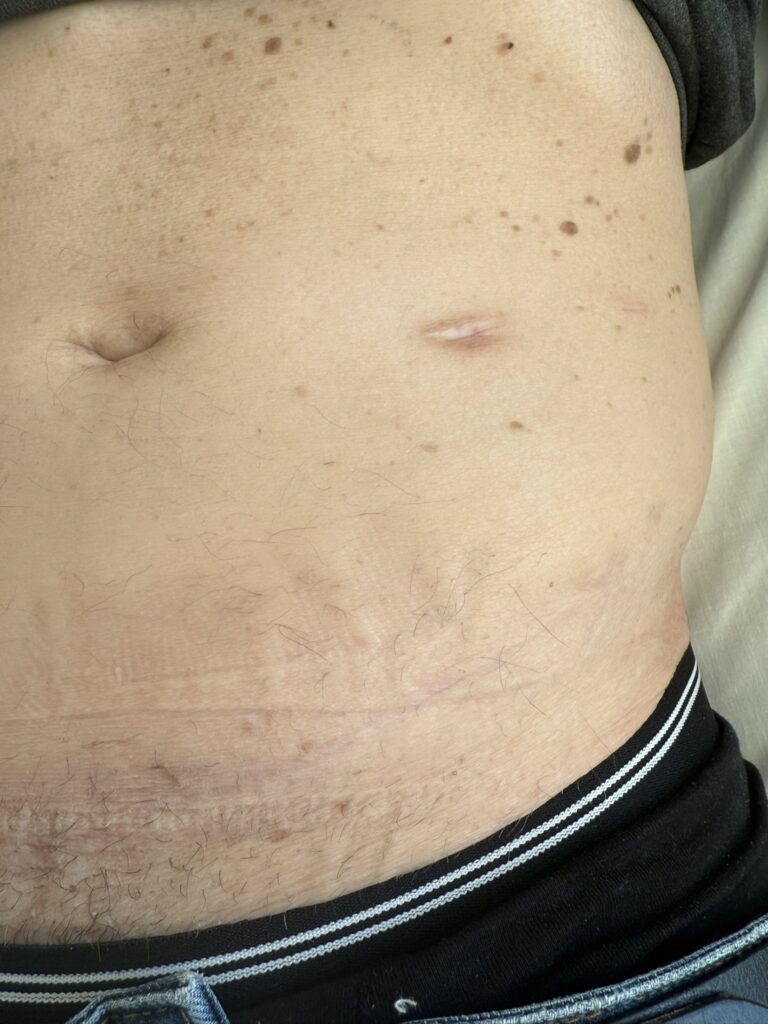
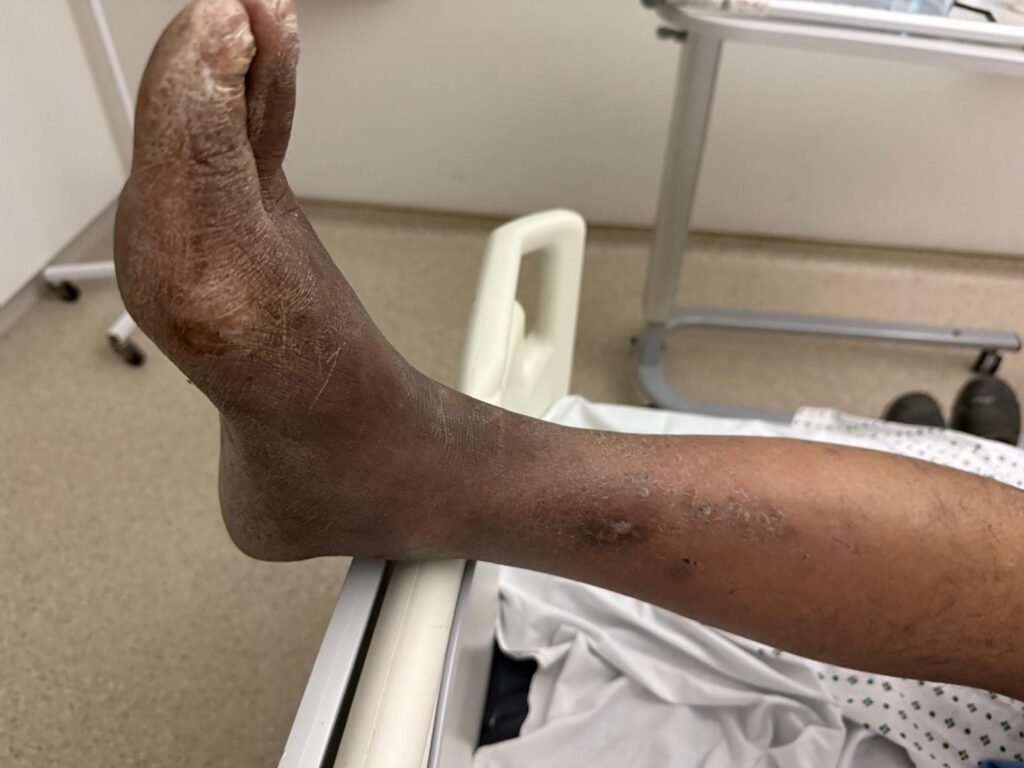
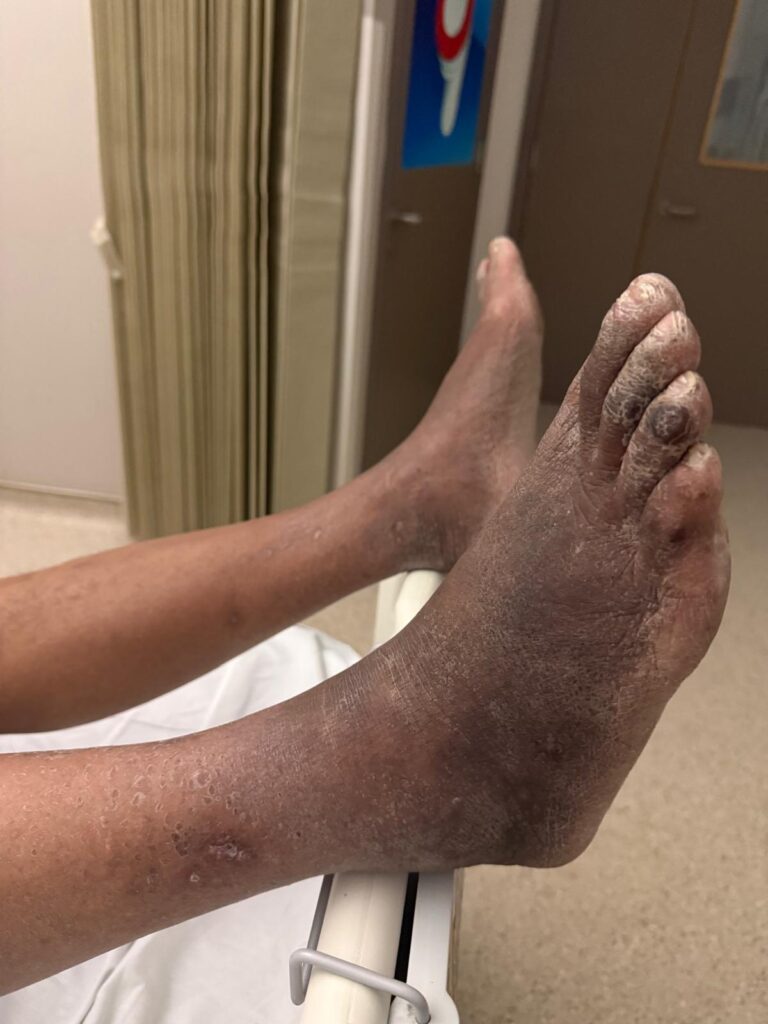
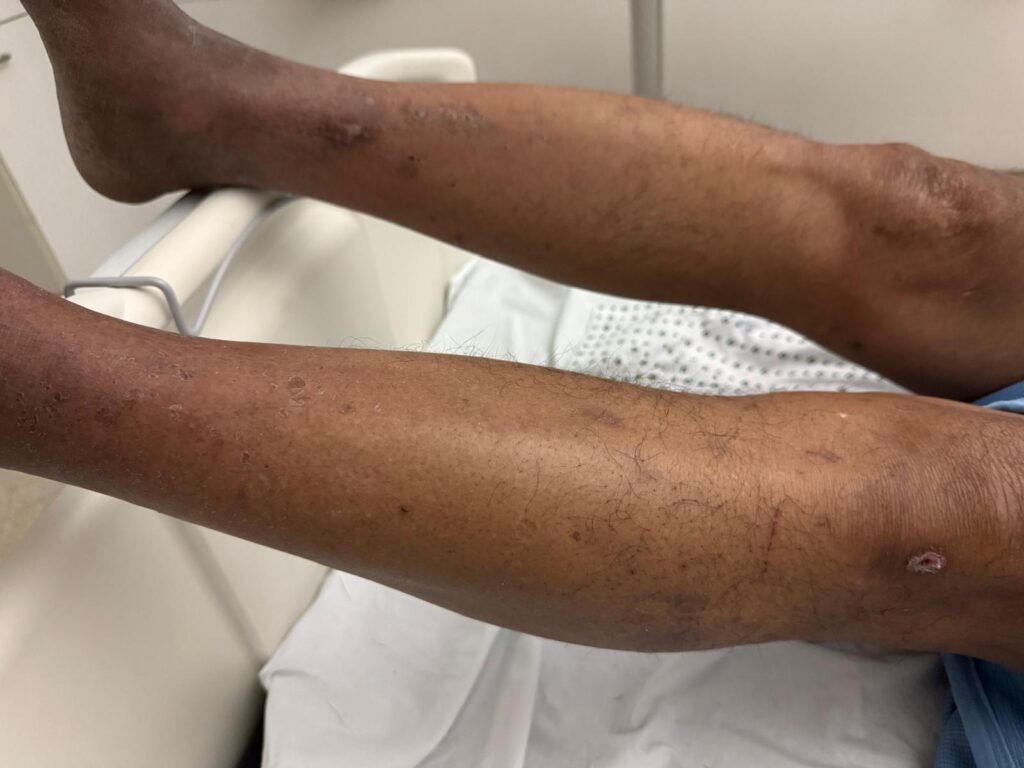
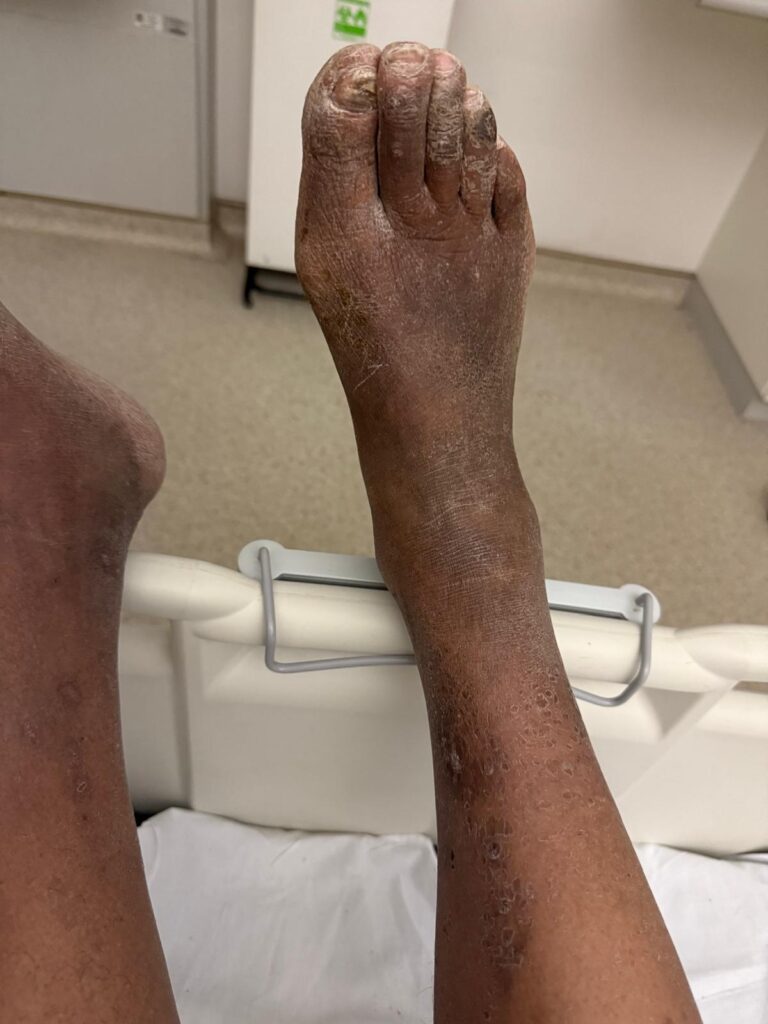
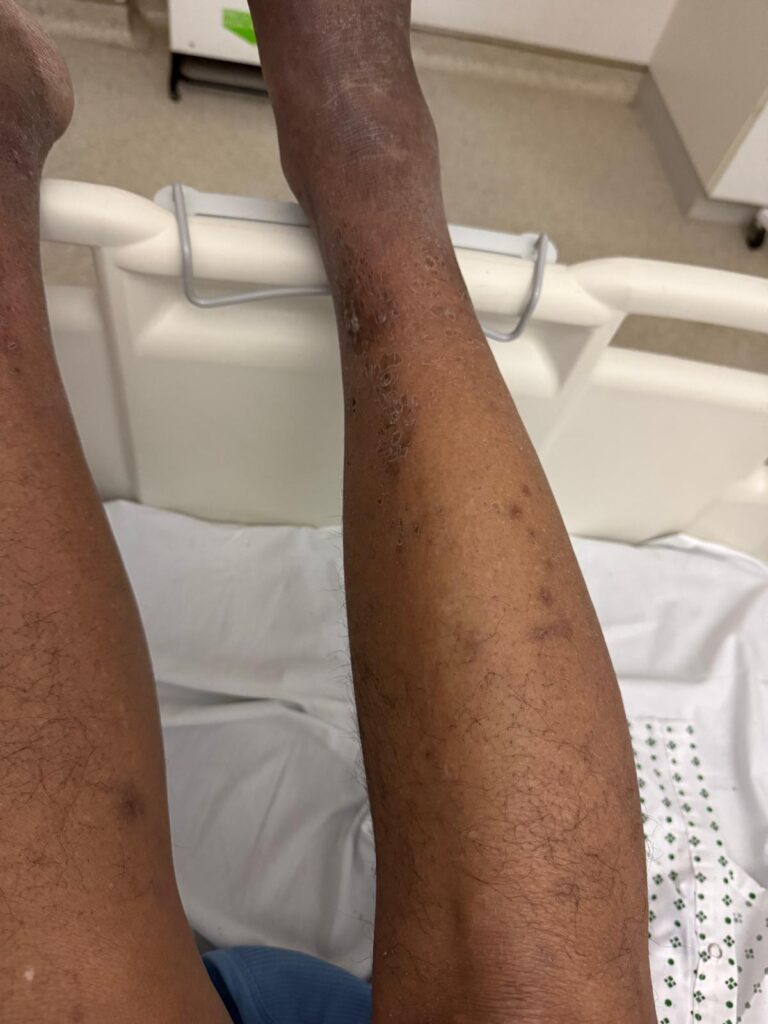
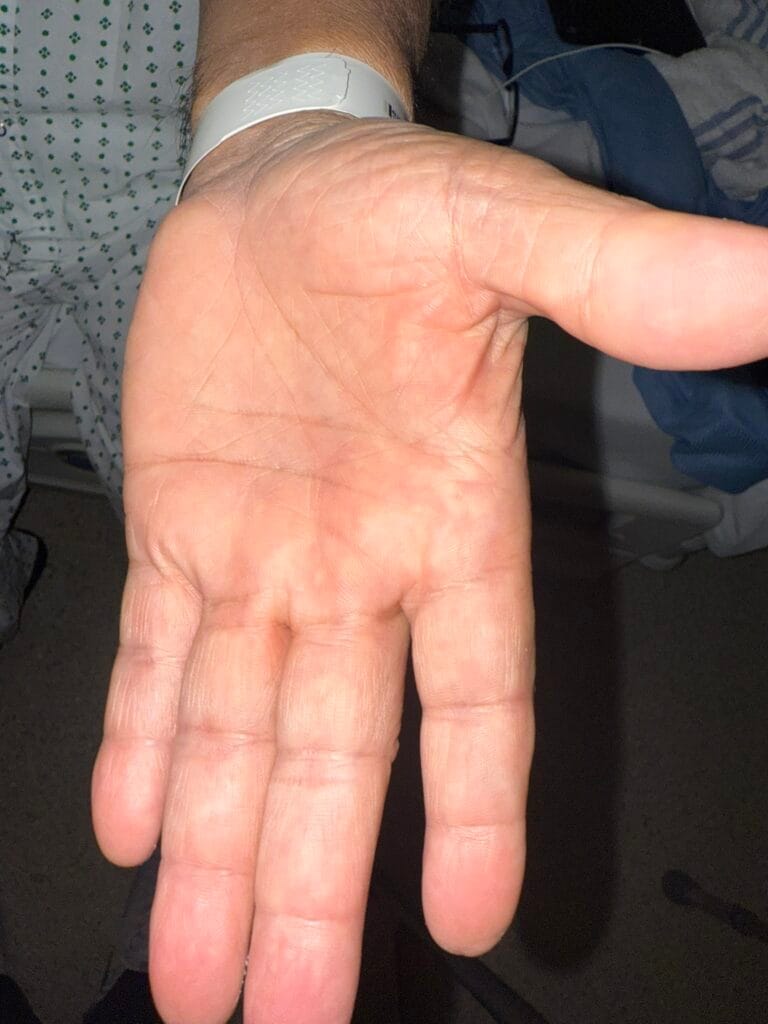
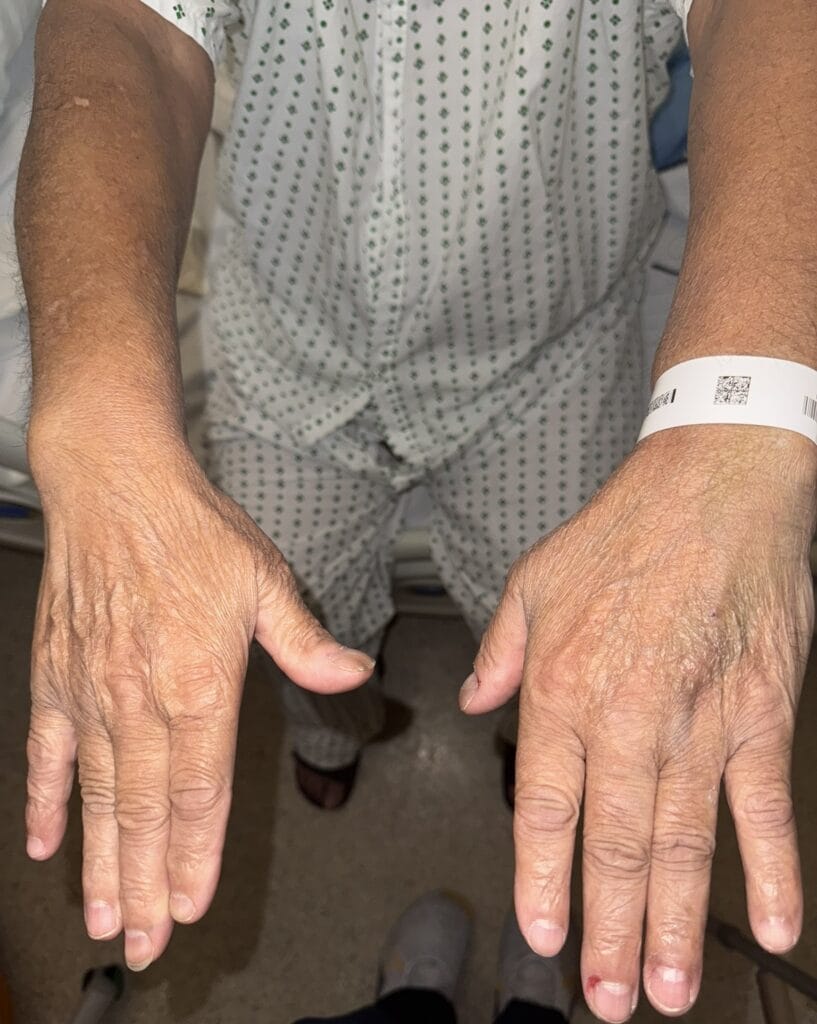
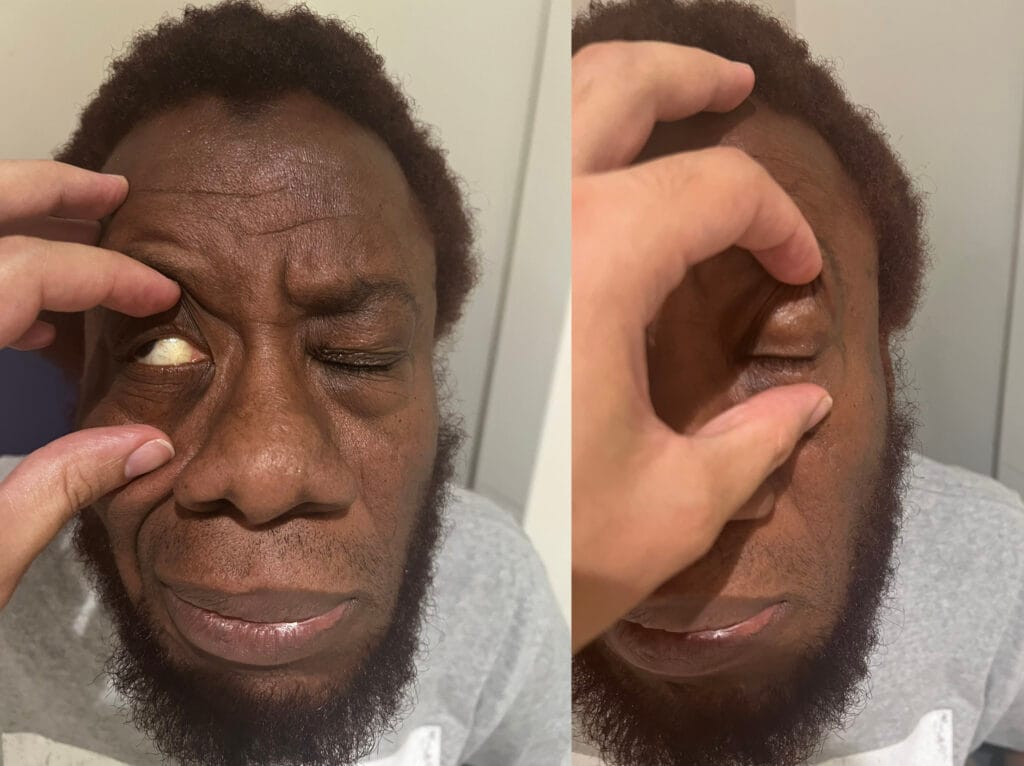
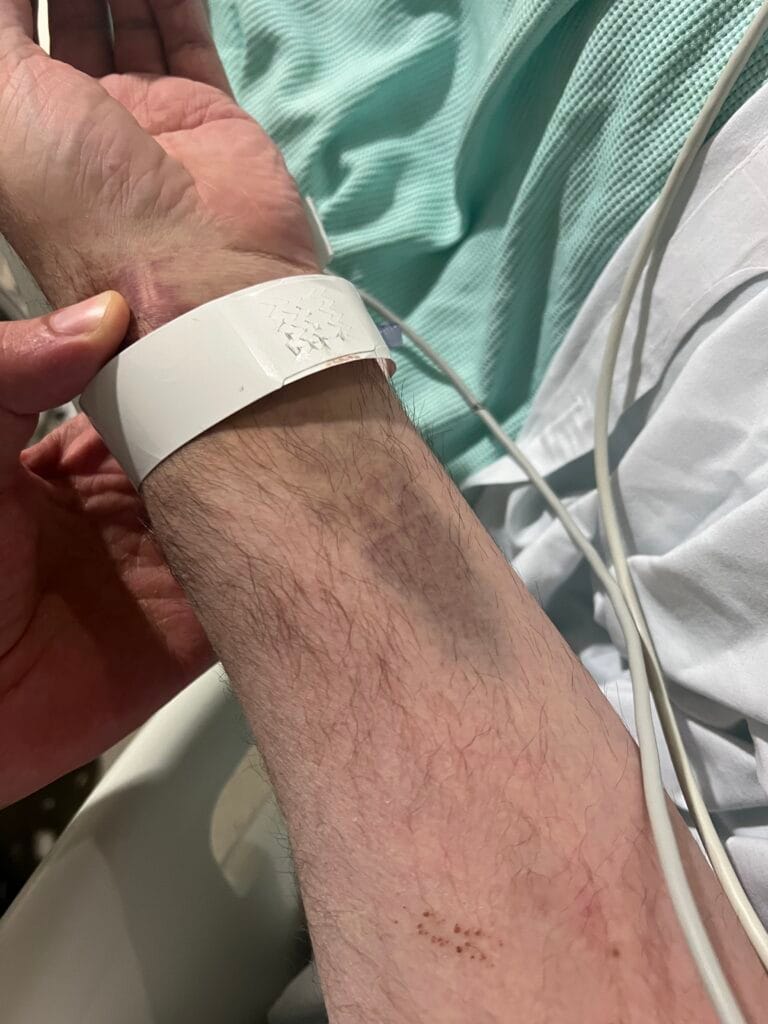
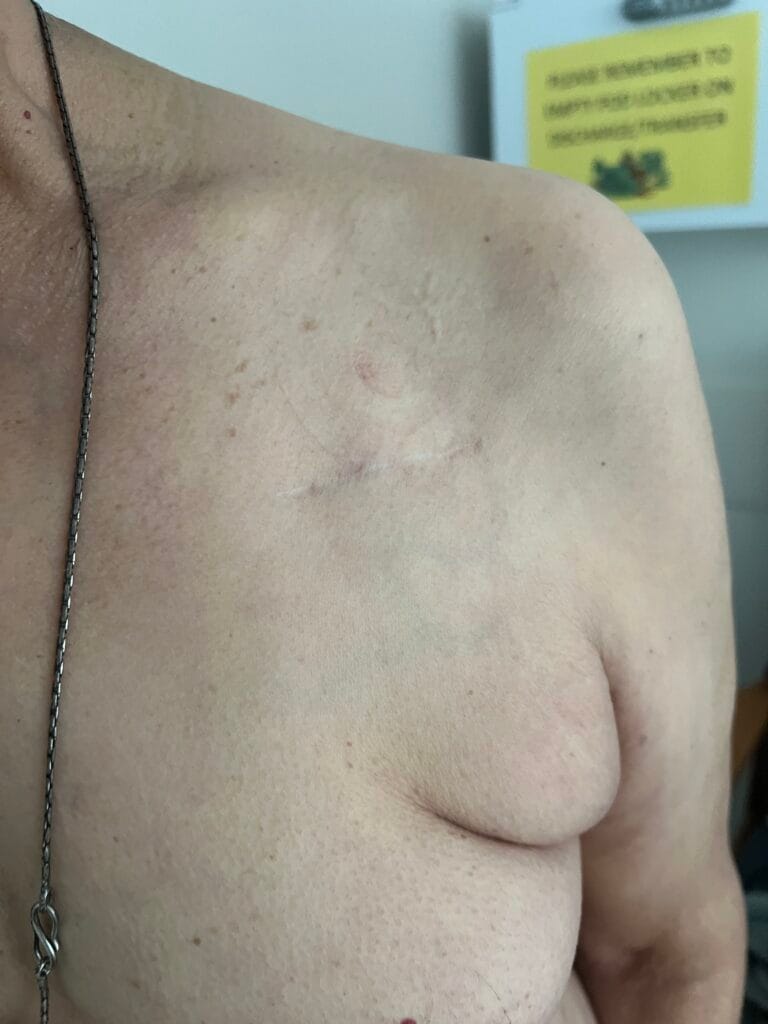
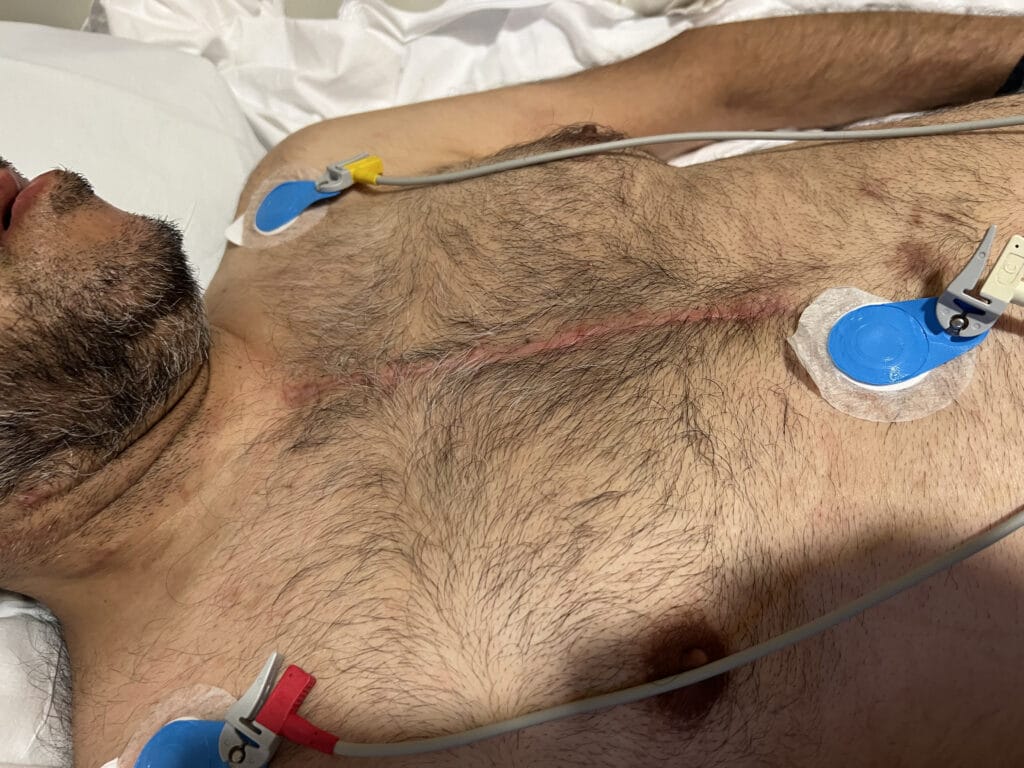
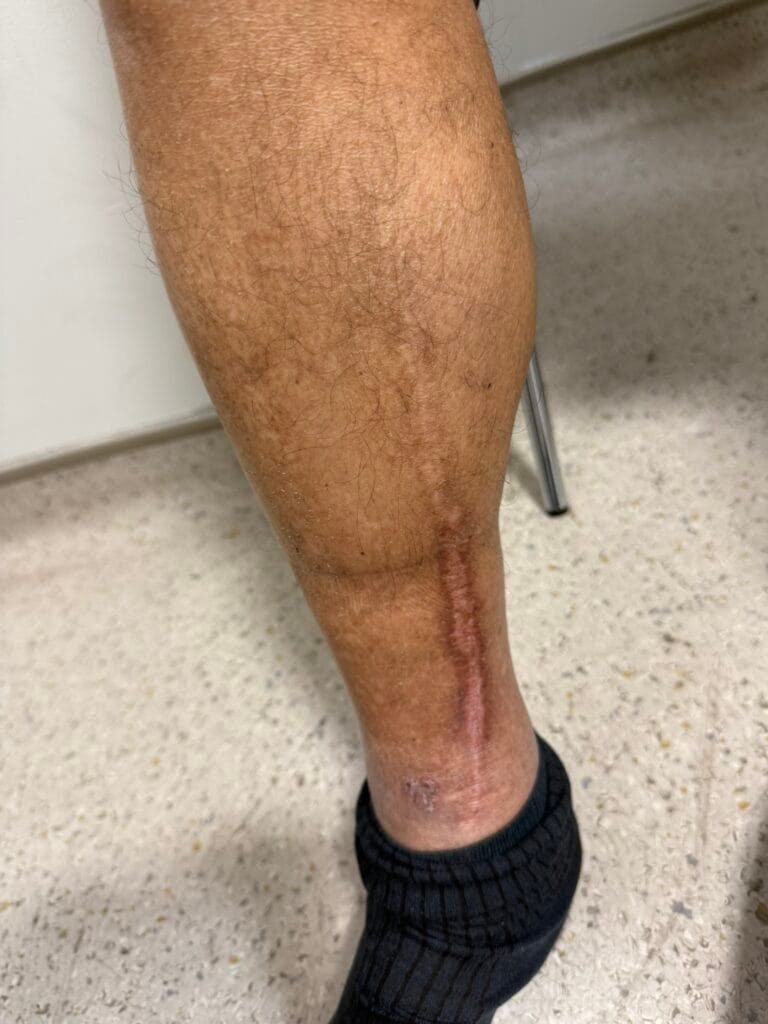
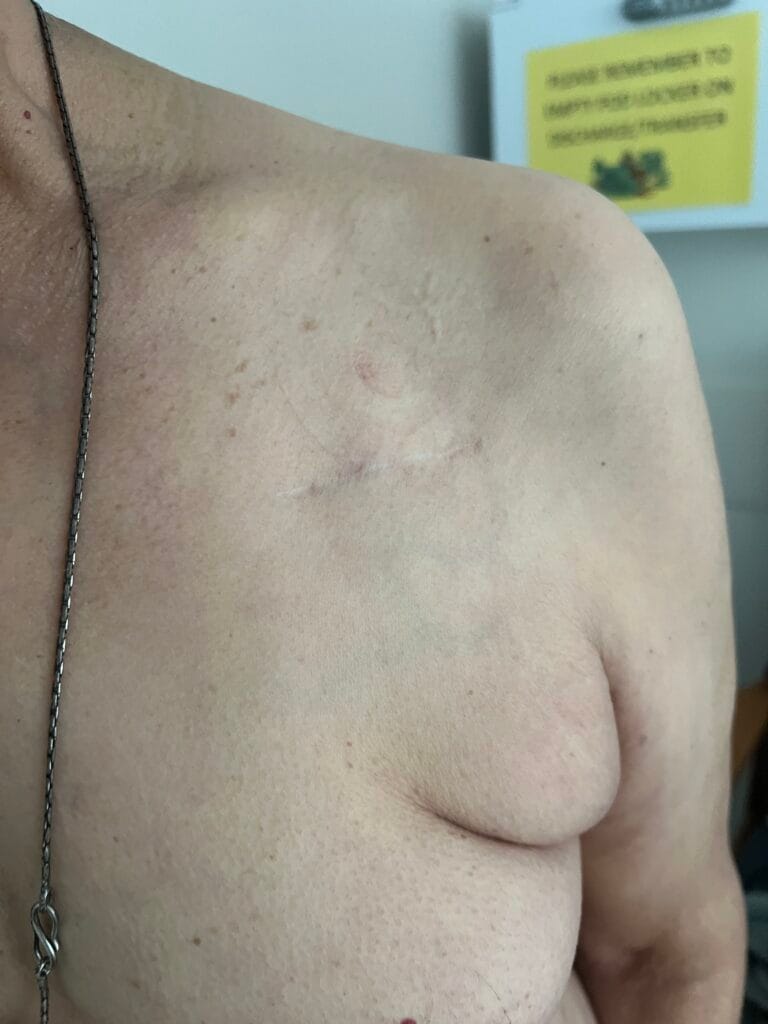
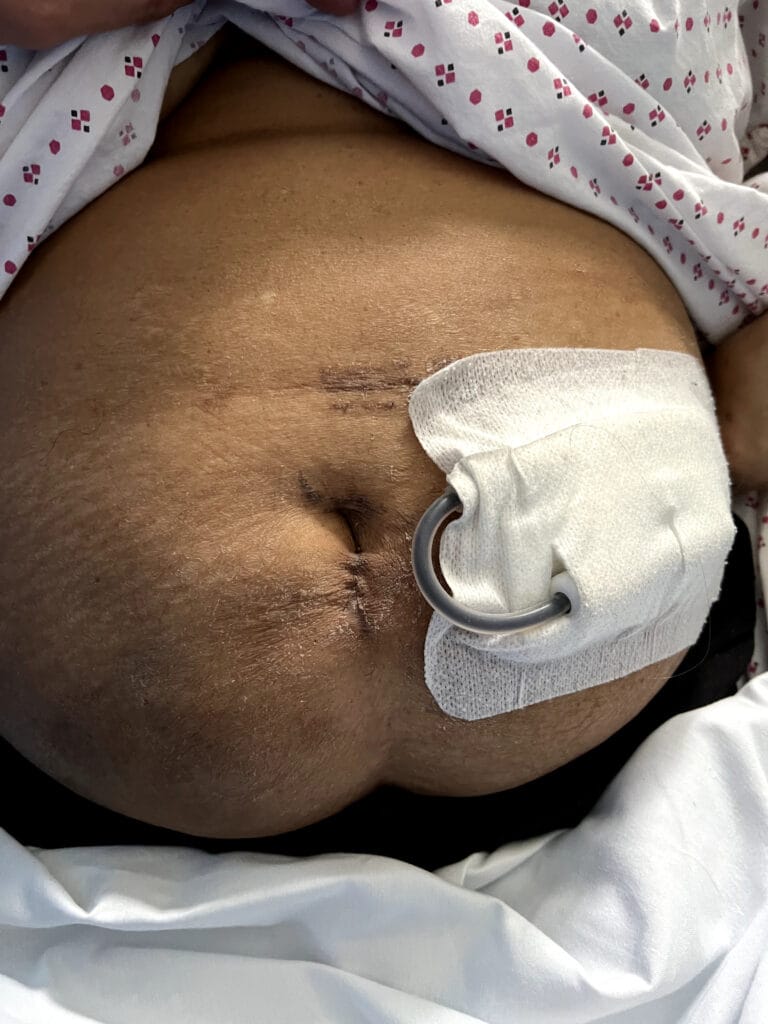
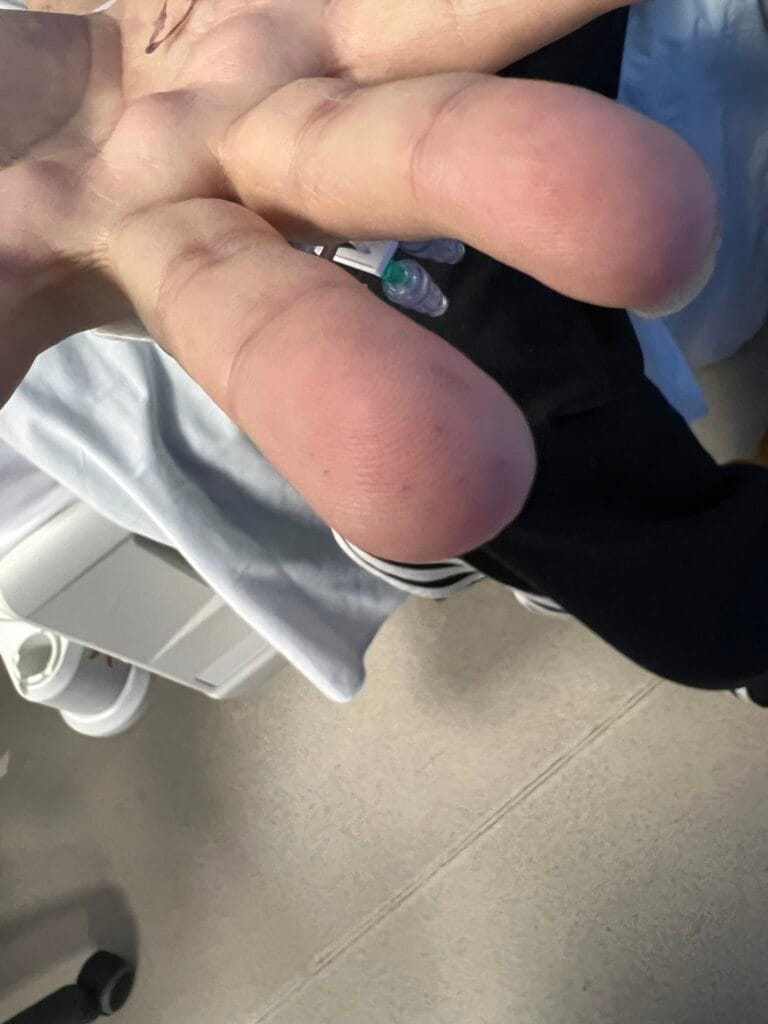
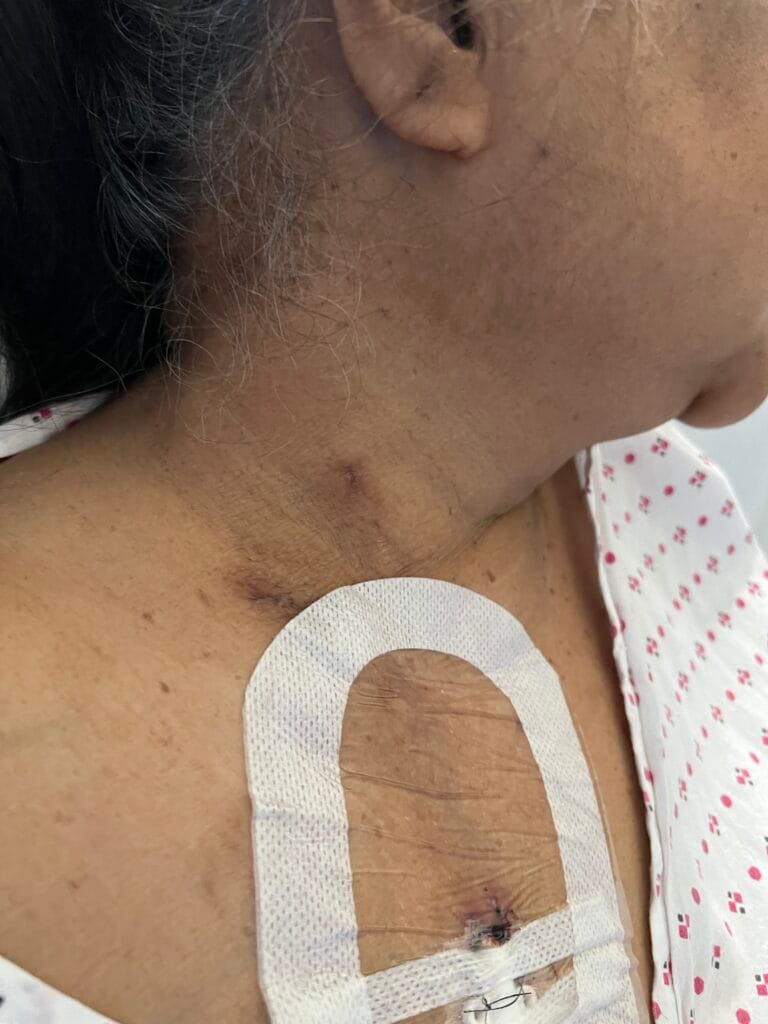
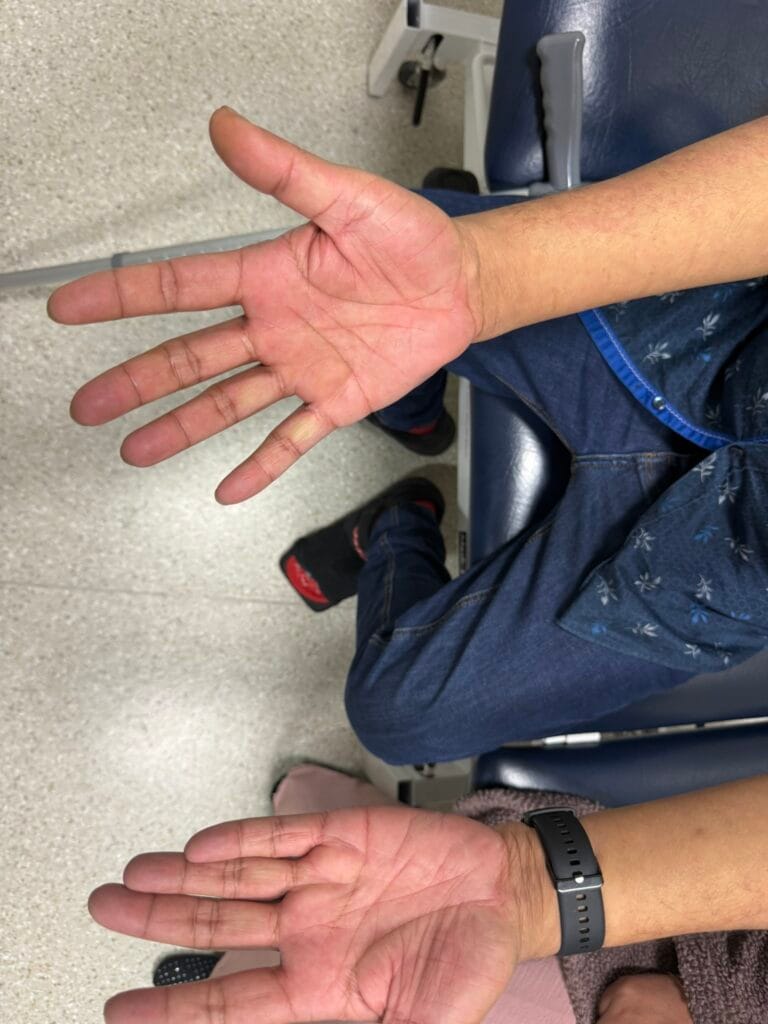
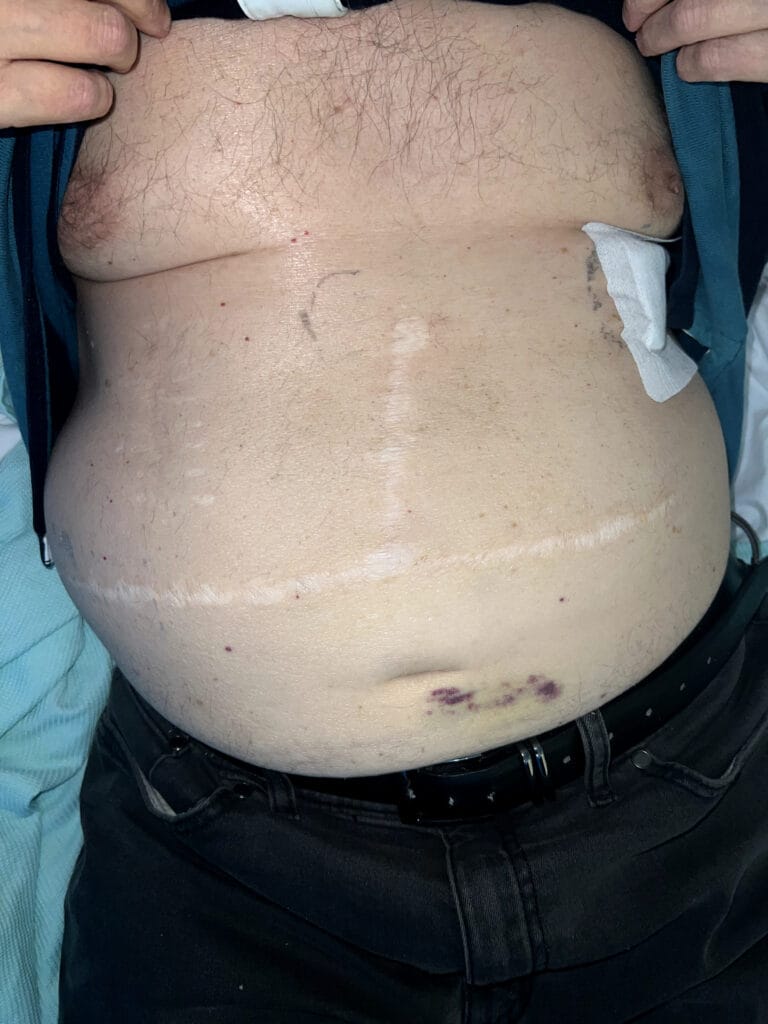
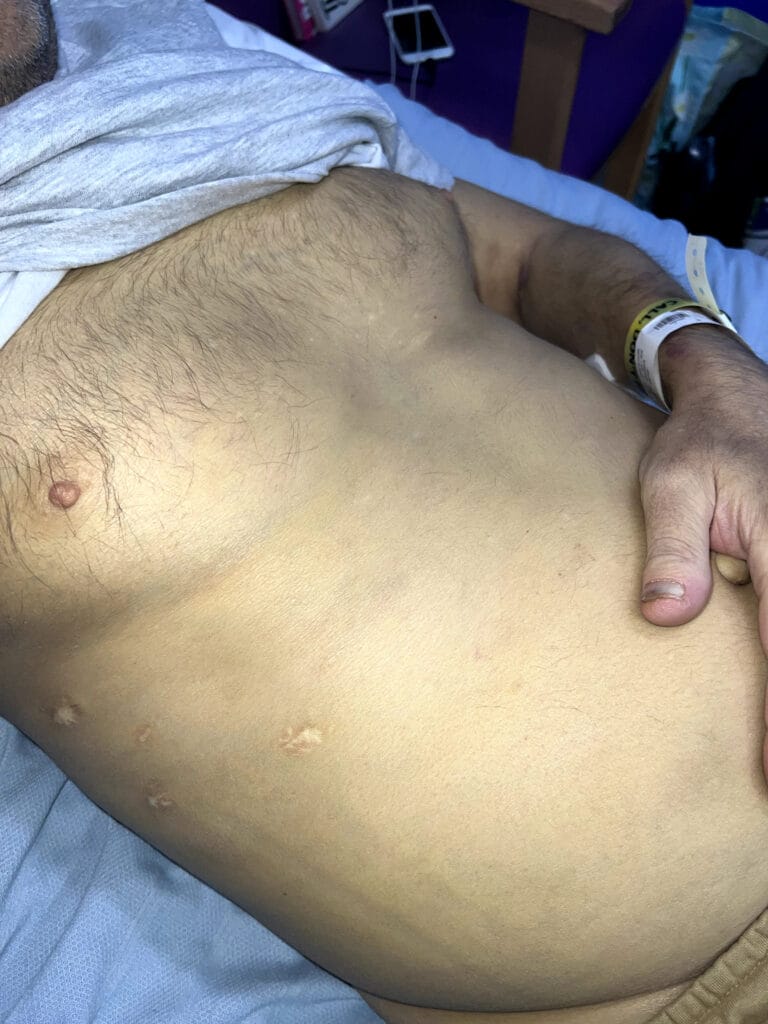
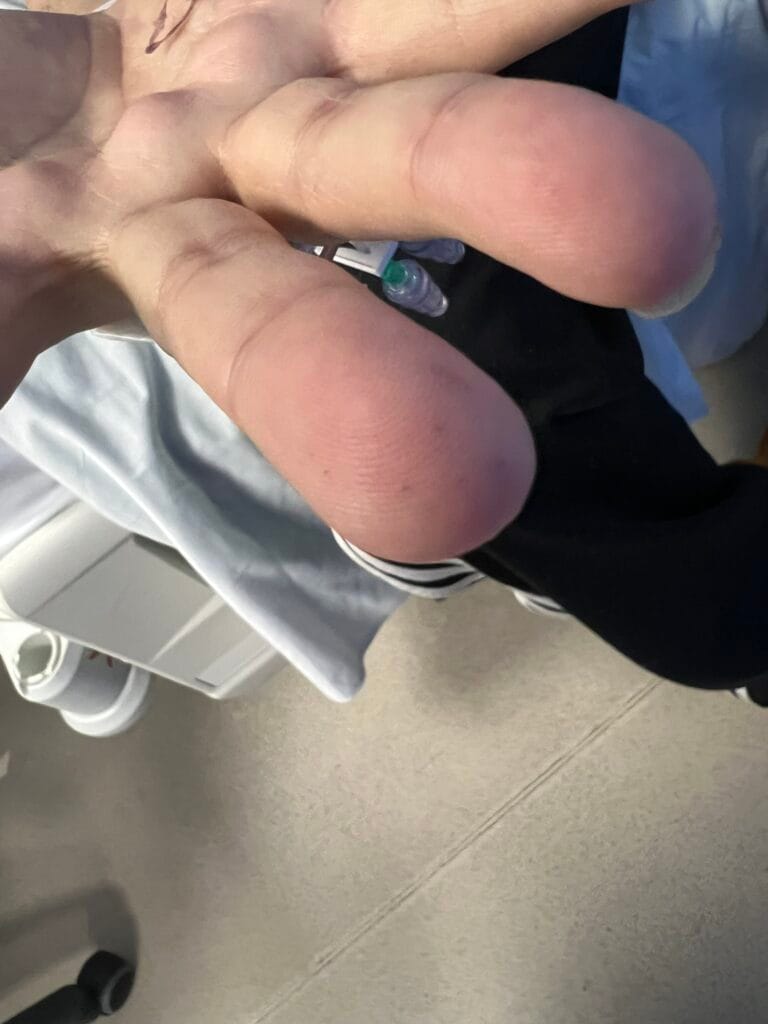
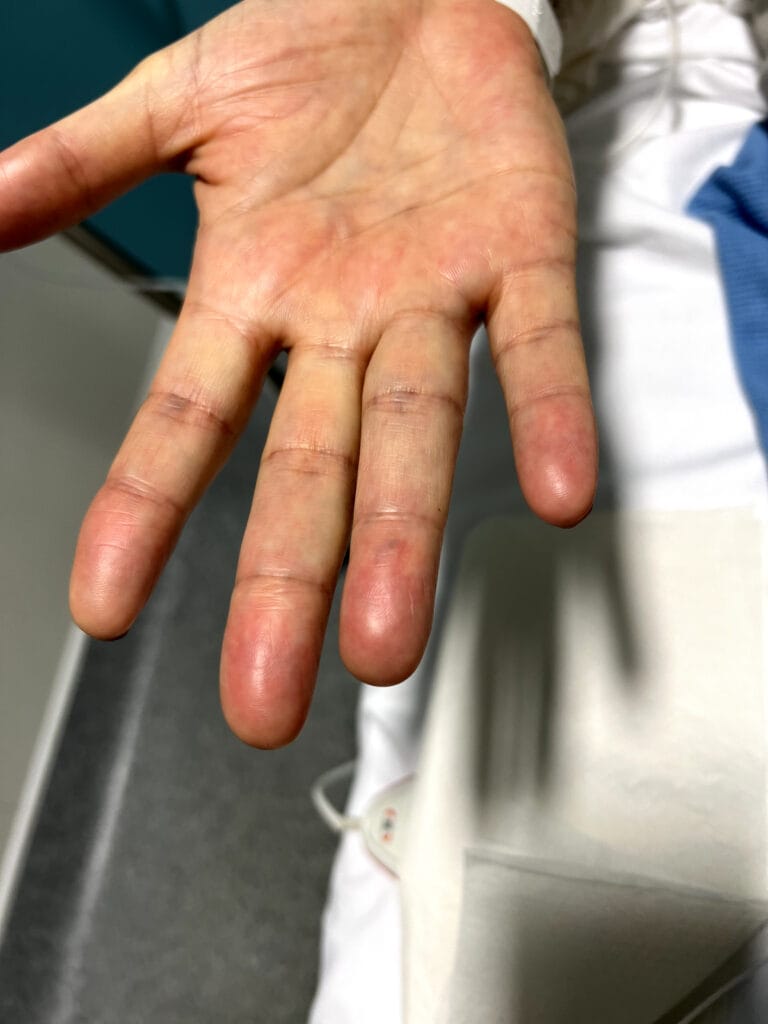
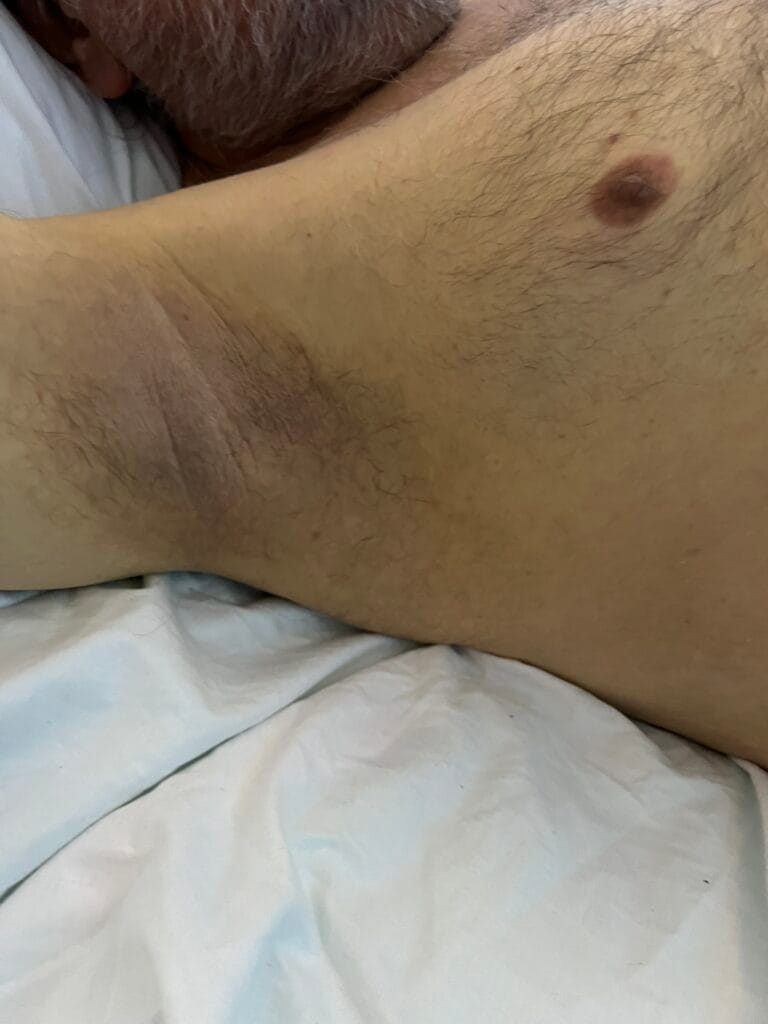
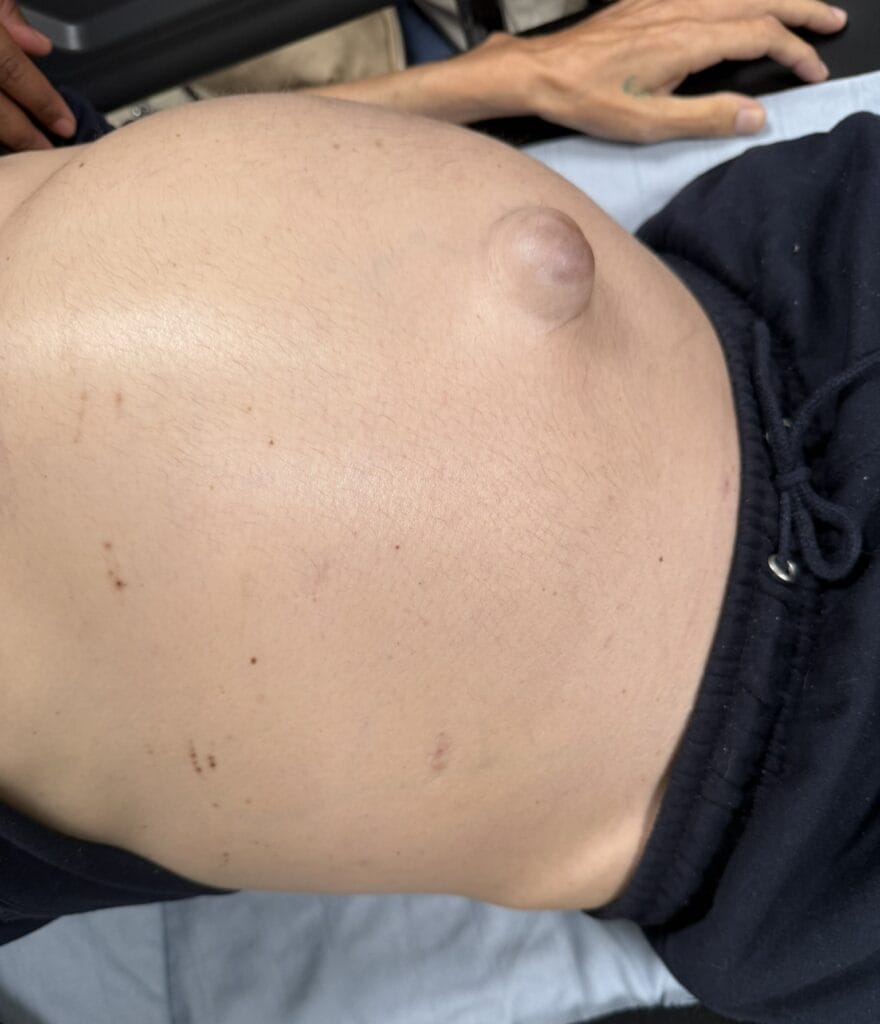
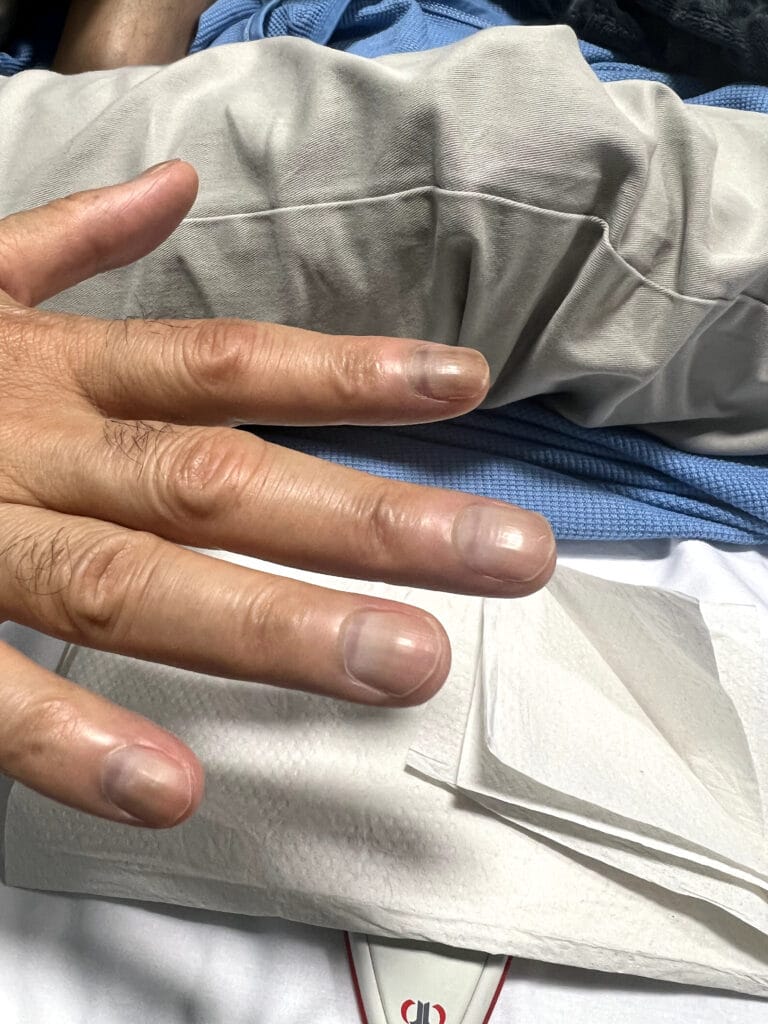
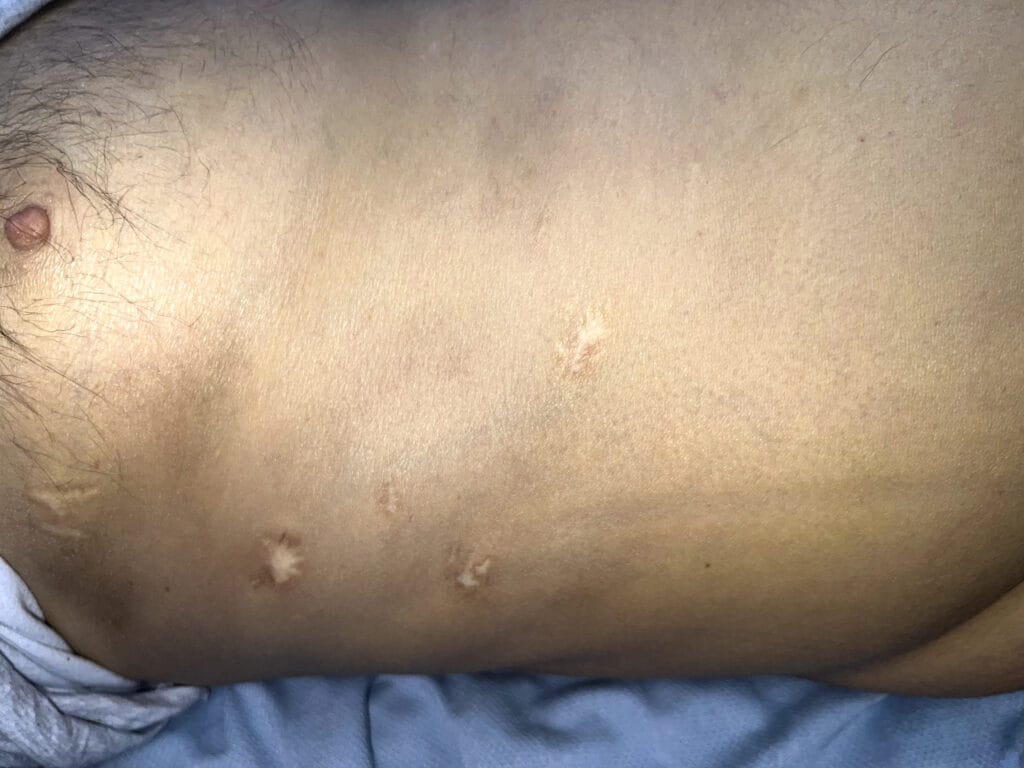
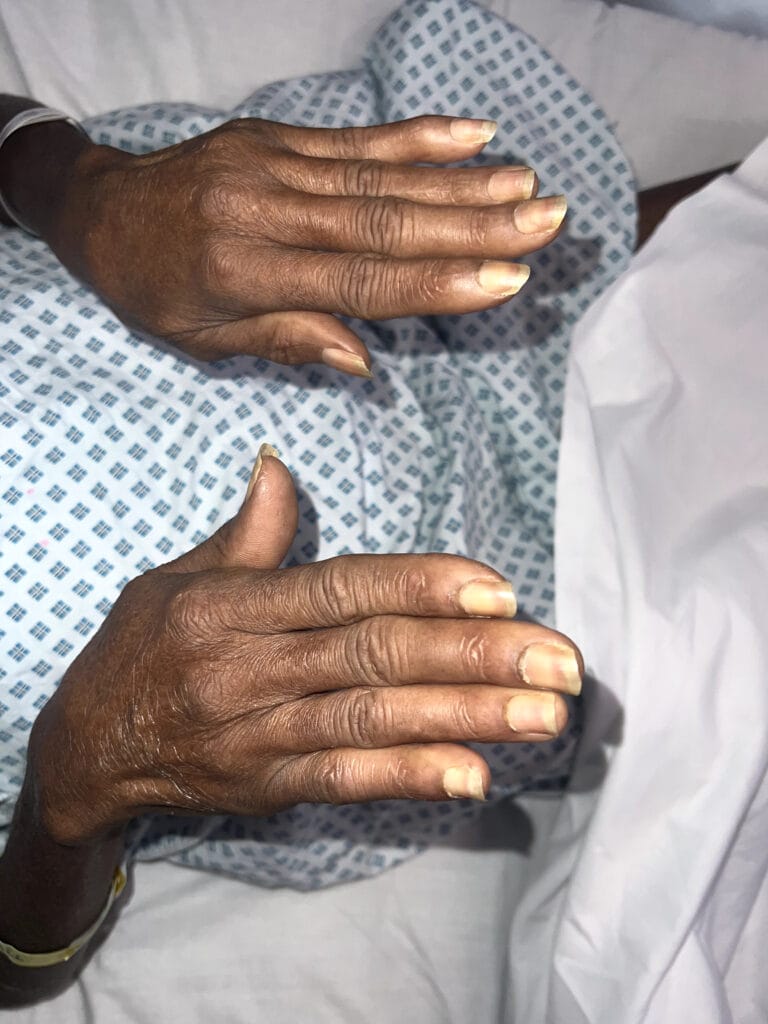
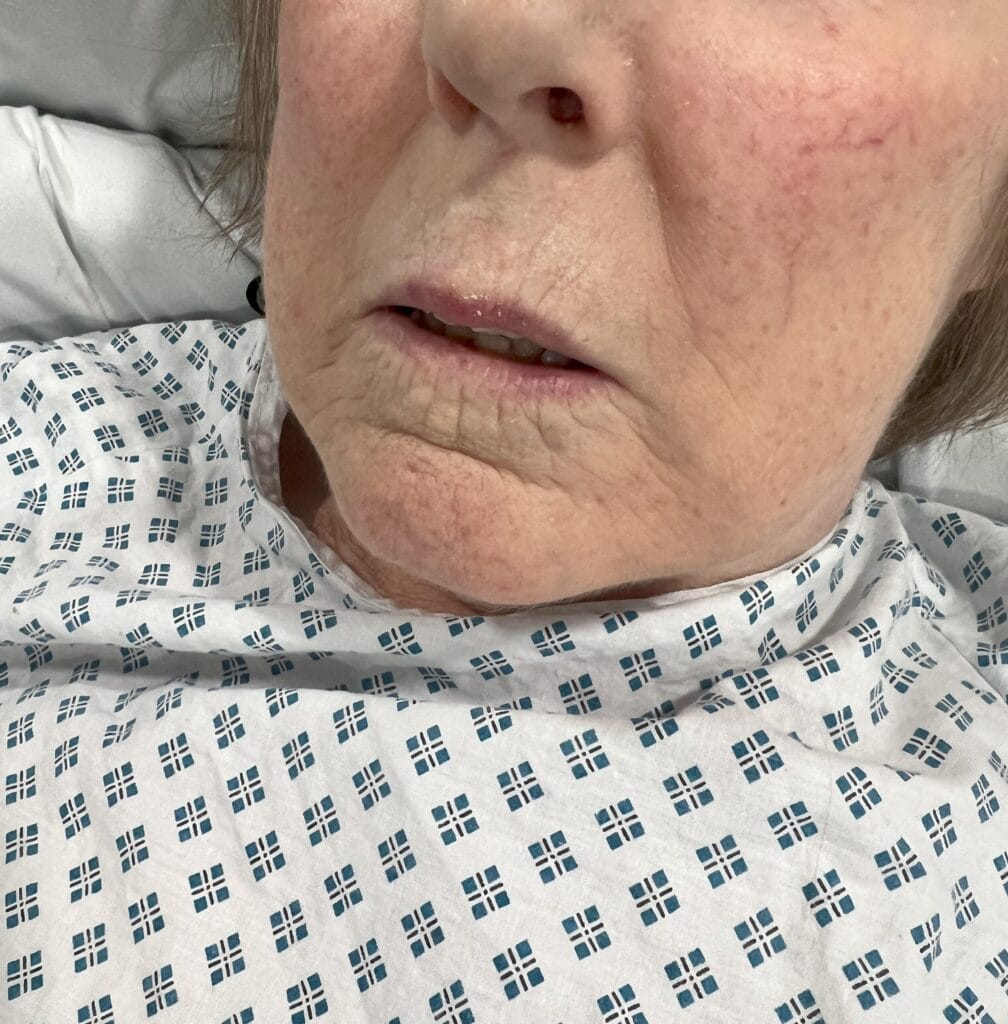
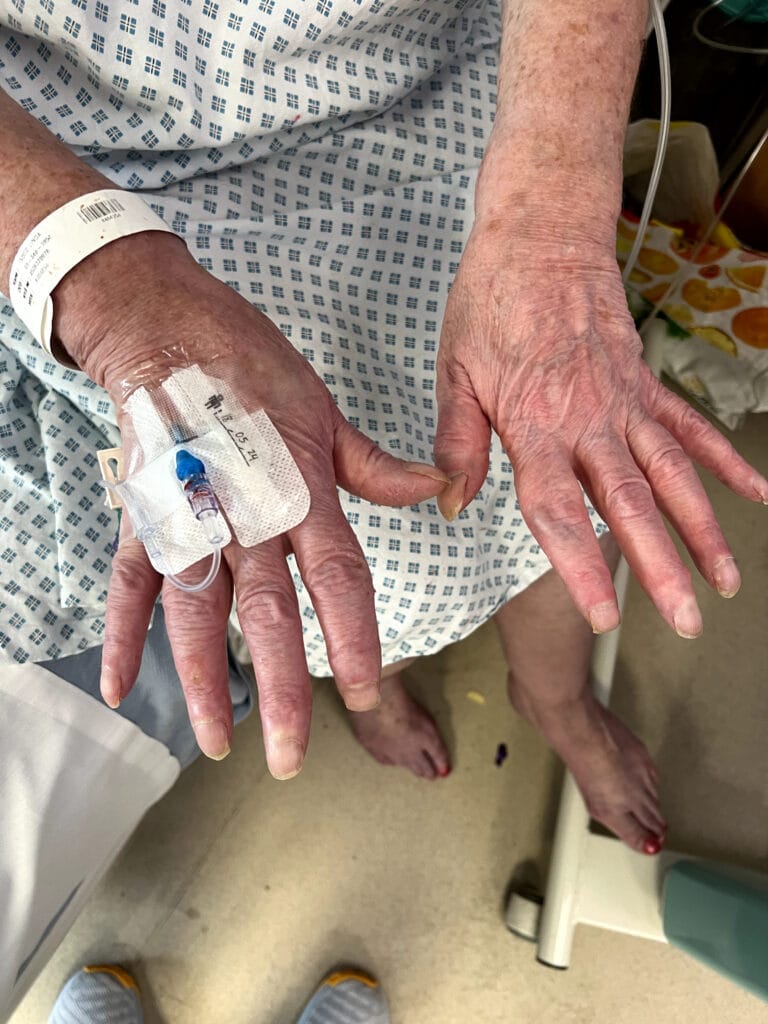
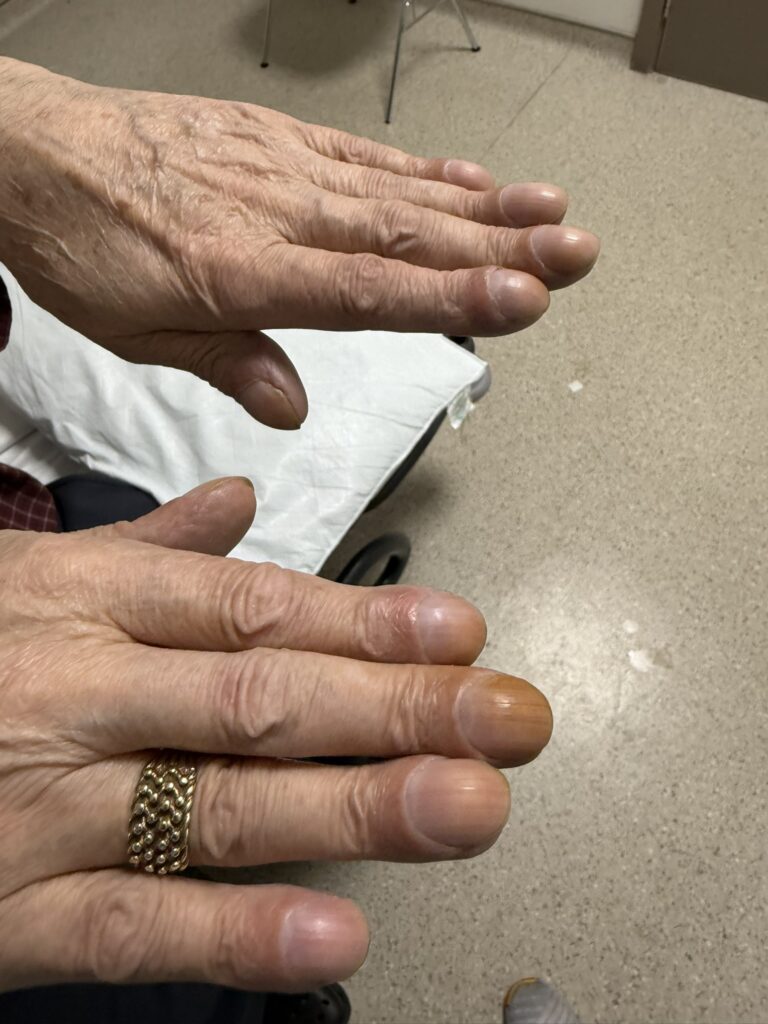
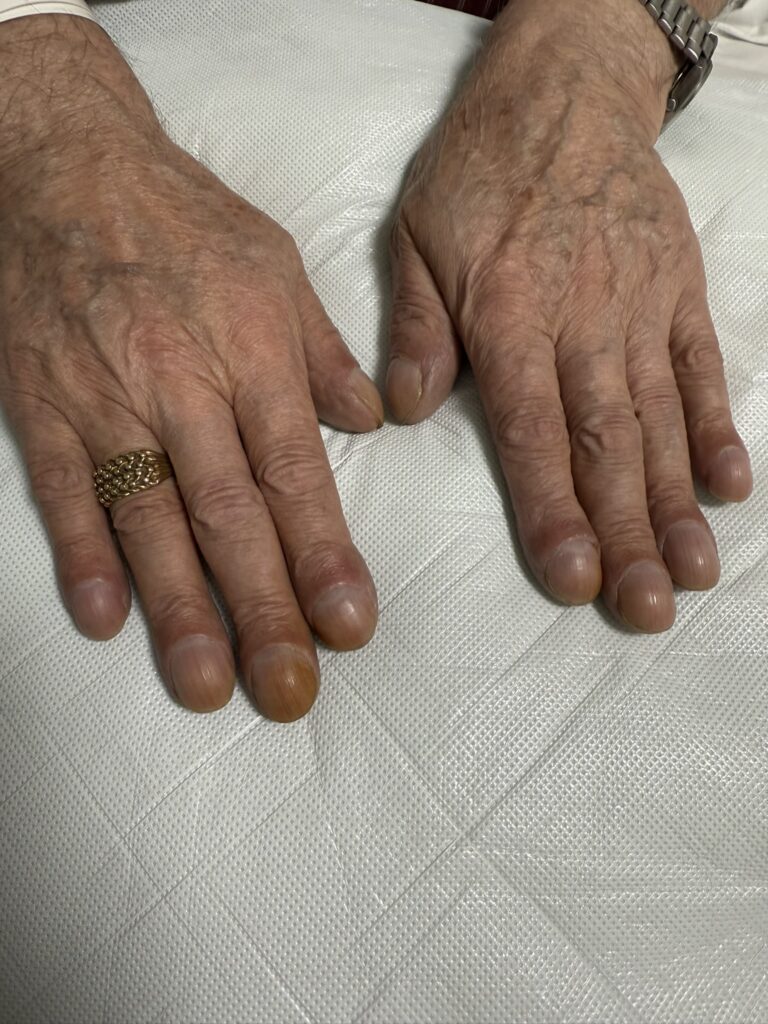
PACESAid embeds 200+ clinical images and videos, helping you recognise signs rapidly and confidently on exam day.
7️⃣ Ignoring Patient Welfare
❌ The Mistake
Rushing the exam and forgetting patient comfort.
💡 Why This Matters
Domains F & G (Patient Concerns and Welfare) are easy marks many candidates lose.
✅ How to Avoid It
✔ Ask about pain before starting
✔ Warn before painful manoeuvres
✔ Reassure and reposition gently
✔ Check comfort throughout
Examiners are explicitly assessing empathy and professionalism.
8️⃣ Not Offering Differentials or a Management Plan
❌ The Mistake
Stopping at the diagnosis without discussing differentials, investigations, or management.
💡 Why This Matters
Examiners may assume you don’t know — even if you do.
✅ How to Avoid It
Always finish with a complete structure:
🧠 What examiners expect you to cover:
Differentials
Immediate steps
Investigations
Management
Follow-up & safety-netting
PACESAid trains you to deliver this automatically after every case.
9️⃣ Running Out of Time
❌ The Mistake
Incomplete exams due to poor time management.
💡 Why This Matters
Time pressure affects multiple marking domains.
✅ How to Avoid It
✔ Practise with a timer
✔ Use a fixed examination routine
✔ Prioritise high-yield signs
✔ Start presenting by 5–6 minutes
🔟 Spending Too Long on History (Consultation Stations)
❌ The Mistake
Overlong history → rushed exam → missed physical signs.
💡 Why This Matters
Physical signs often clinch the diagnosis
Limits your differentials
Makes examiner questioning harder
✅ How to Avoid It
PACESAid provides station-specific timing frameworks so you allocate time efficiently.
⏱️ MRCP PACES Station Timings (High-Yield Guide)
🩺 Clinical Examination Stations (1, 3, 4)
Total: 10 minutes
6 min – Examination
4 min – Presentation + examiner questions
Ideal Strategy:
✔ Finish exam by 5 minutes
✔ Start presenting immediately
Spending 6 minutes examining and 30 seconds presenting is a classic mark-losing error.
🗣️ Consultation Stations (2 & 5)
Total: 20 minutes
15 min – History + focused examination
5 min – Examiner questioning
Ideal Split:
6–7 min – Focused history
~8 min – Examination
Protect time for examination — missing physical signs is a common cause of failure.
🧠 Final High-Yield Strategy
✔ Practise with a timer
✔ Use fixed routines
✔ Start presenting by 6 minutes no matter what
✔ Prioritise common, high-yield signs first
🚀 How PACESAid Helps You Succeed in MRCP PACES (UK)
At PACESAid, we know MRCP PACES isn’t just about knowledge — it’s about strategy, structure, and exam technique. Our platform is designed to eliminate common exam mistakes by focusing on what actually scores marks:
👀 Visual Recognition of Physical Signs
Learn to confidently identify real patient physical signs with extensive clinical images and auscultation recordings — so sign recognition becomes second nature on exam day.
📘 High-Yield Interactive Textbook
A high-yield, exam-focused textbook with embedded clinical images and videos to improve pattern recognition and long-term retention.
🧠 Structured, Examiner-Focused Presentations
Clear, high-impact presentation frameworks for every case — including:
Differentials
Investigations
Management
So you always sound structured, confident, and examiner-ready.
📊 Data-Driven Case Prioritisation
Revision focused on the most frequently tested cases at your UK exam centre — helping you prioritise what matters most.
✅ The Result
With PACESAid, you get a step-by-step approach to every PACES station — so you stop losing marks over avoidable mistakes and start maximising easy scoring opportunities.
🏁 Conclusion
MRCP PACES is challenging — but avoiding common, predictable mistakes can dramatically improve your chances of passing.
Small errors such as:
❌ Examining over clothes
❌ Failing to prioritise patient comfort
❌ Overlooking patient concerns
❌ Delivering incomplete presentations
…can be the difference between a pass and a fail.
FAQs
1. What is the most common reason candidates fail the PACES MRCP UK exam?
One of the most failed MRCP PACES domains is the Identification of Physical Signs domain. Unstructured preparation and exam stress on the day can lead to missing important physical signs which can have downspiraling effects on scoring of all domains.
2. How can I improve my auscultation skills for PACES?
Use real patient recordings rather than relying only on textbook descriptions. PACESAid provides digital auscultation tools to help you train your ears for common heart and lung sounds.
3. Is it necessary to memorise scripts for PACES stations?
No, but you should develop a structured response framework for presenting cases. Avoid robotic memorisation and focus on clear, logical case presentations.
4. What is the best way to practice clinical exams for PACES?
Before doing anything else, use a high-yield textbook to cover the core content for each case — including the presentation of key physical signs, structured differentials, relevant investigations, and management plans tailored to the specific commonly tested PACES scenario.
5. Can PacesAid really help me pass PACES?
Yes! PacesAid’s data-driven approach ensures you focus on high-yield cases while avoiding common exam mistakes. Our structured presentations, patient recordings, and expert guidance make PACES preparation more effective and exam-focused.