Consultations
Rheumatoid Arthritis
In Station 5 you may be asked to assess a patient presenting with joint pain and swelling.
Station Instructions: Please assess this patient who has presented with joint pain.
1. Key History-Taking Points
Timing, Onset & Pattern of Joint Involvement
- Onset: sudden vs gradual, since when, intermittent vs constant, progression, previous episodes
- Active symptoms: stiffness (morning or night, duration — >30 min suggests inflammatory), pain (worse in morning or after exertion/evening), warmth, weakness
- Pattern: number of joints, bilateral vs unilateral, small vs large joints, legs and feet involvement; falls or difficulty walking on uneven surfaces
- Aggravating factors: cold weather, pain with colour change (Raynaud’s)
- Back or neck pain: any reduced range of movement, numbness or weakness in shoulders or arms (atlanto-axial subluxation, cervical myelopathy)
Functional Impact
- Shopping, dressing, cleaning, washing, cooking, cutlery use
- Dropping objects, fine motor difficulties (buttons, writing, mobile phone use)
- Occupational impact; past use of vibrating/drilling tools
- Adapted aids already in use: cutlery, key grips, walking aids
- Physiotherapy input received
Extra-Articular & Systemic Symptoms
- Constitutional: weight loss, fevers, night sweats (exclude infection, malignancy, drug reaction)
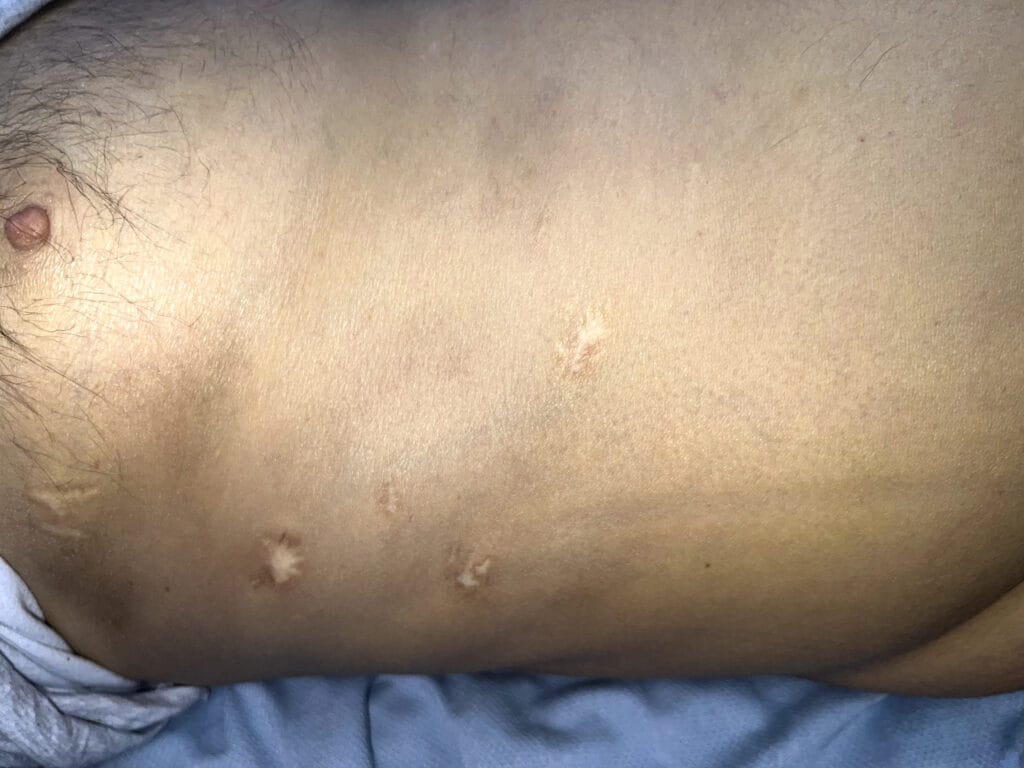
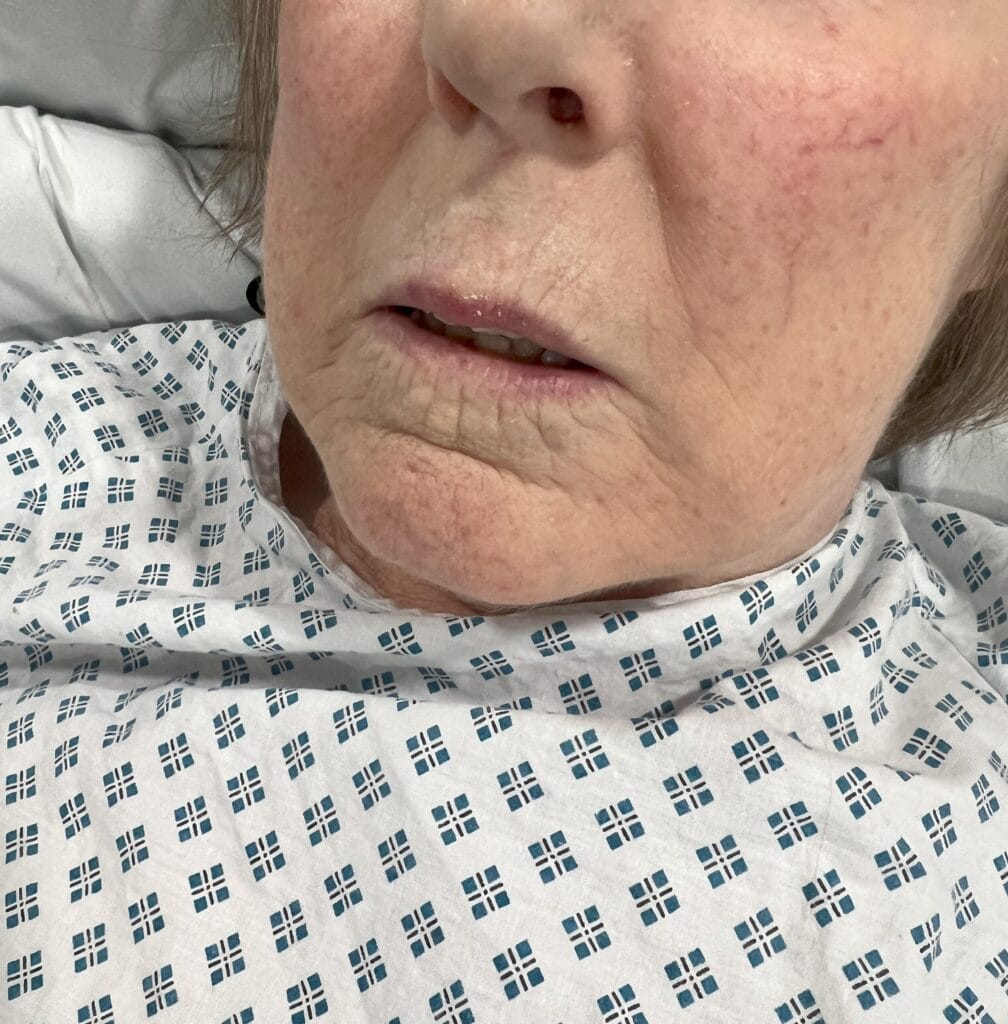
- Skin: rash (butterfly, psoriatic plaques, vasculitic rash), hair loss, skin ulcers
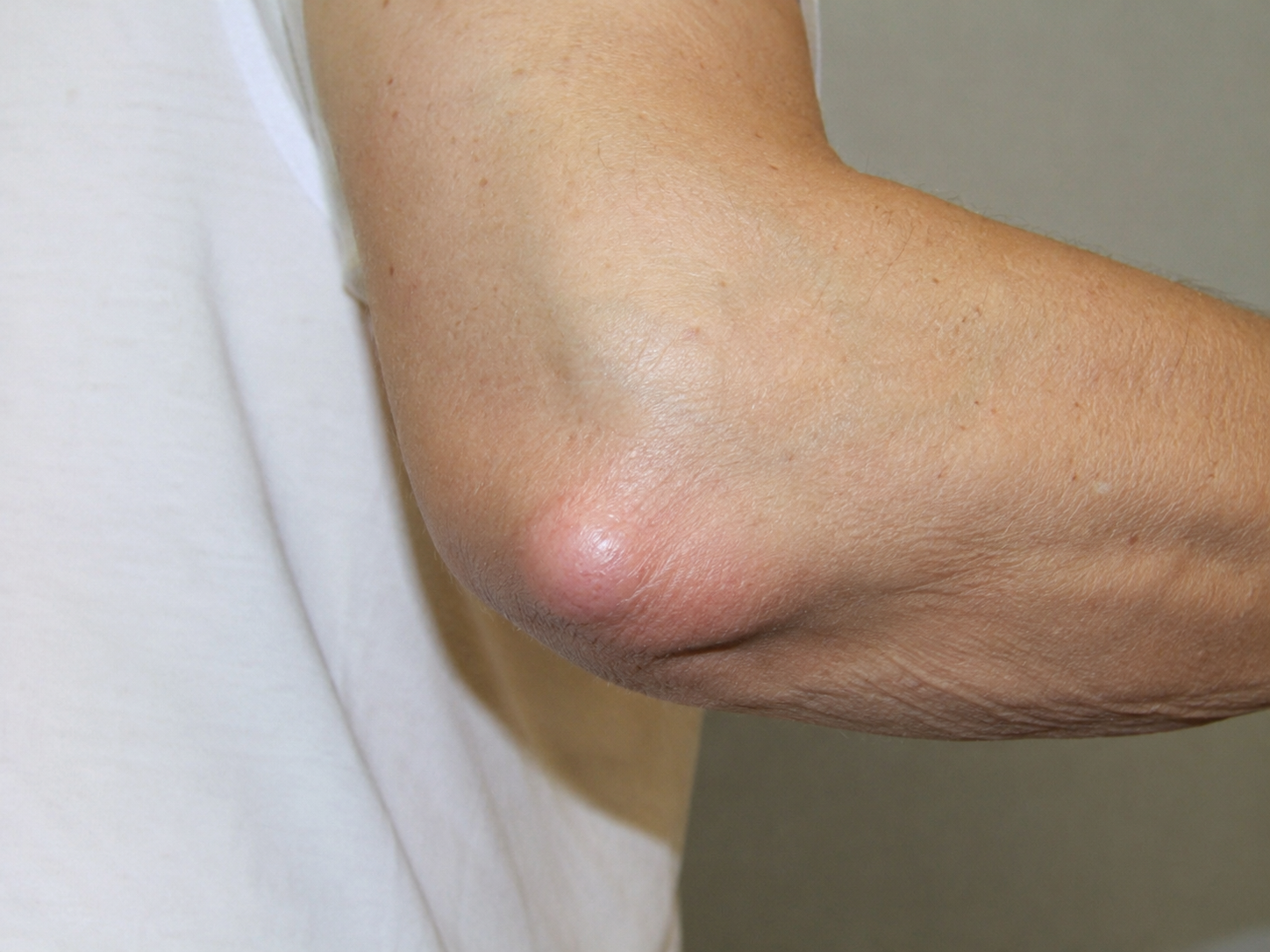
- Lumps: over elbows or ankles (rheumatoid nodules)
- Raynaud’s phenomenon: cold-induced colour change
- Eyes: dry eyes, redness, pain, change in vision (scleritis, keratoconjunctivitis sicca)
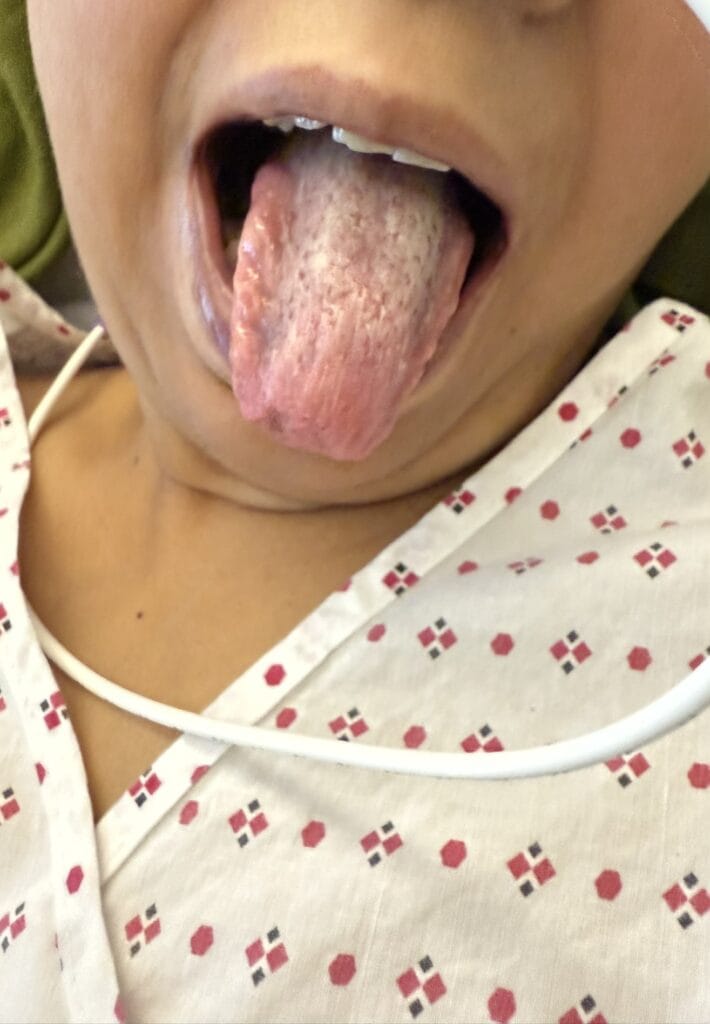
- Mouth: oral ulcers, dry mouth (Sjögren’s overlap); genital ulcers (reactive arthritis / Behçet’s)
- Chest: sharp chest pain, breathlessness, cough — consider pleuritis, fibrosis, methotrexate pneumonitis, bronchiolitis obliterans
- Neurological: numbness, burning pain, pins and needles in feet or fingers (peripheral neuropathy, carpal tunnel); neck pain with arm weakness (myelopathy)
- GI / swallowing: dysphagia (onset, food sticking, washing food down with fluids), heartburn, water brash, nausea, diarrhoea, bloating, perianal abscess, haematemesis, PR bleeding — screen for GI involvement and NSAID complications
- Renal: polyuria, increased thirst, haematuria, burning urine (amyloid, vasculitis, NSAID nephropathy)
- Infections: recent sore throat, fever, diarrhoea, unwell contacts (reactive arthritis trigger; immunosuppression risk)
- Travel: TB-endemic areas, country of origin, TB contacts (before starting biologics)
Past Medical, Drug & Family History
- PMH: previous joint surgery, IBD, psoriasis, other autoimmune conditions; pregnancy or breastfeeding (impacts DMARD choice)
- Drug history:
- NSAIDs — PPI cover, indigestion, black stools, ankle swelling, blood pressure effects
- DMARDs currently or previously — side effects experienced
- Steroids (oral or injected), bone protection (calcium/vitamin D), biologics
- Family history: autoimmune conditions — HLA-DR4 (extra-articular RA, SLE, T1DM); HLA-B27 (ankylosing spondylitis, psoriatic arthritis, reactive arthritis, enteropathic arthritis)
- Social history: smoking, alcohol; occupation; hobbies; home adaptations
2. Key Examination Findings
Preliminary
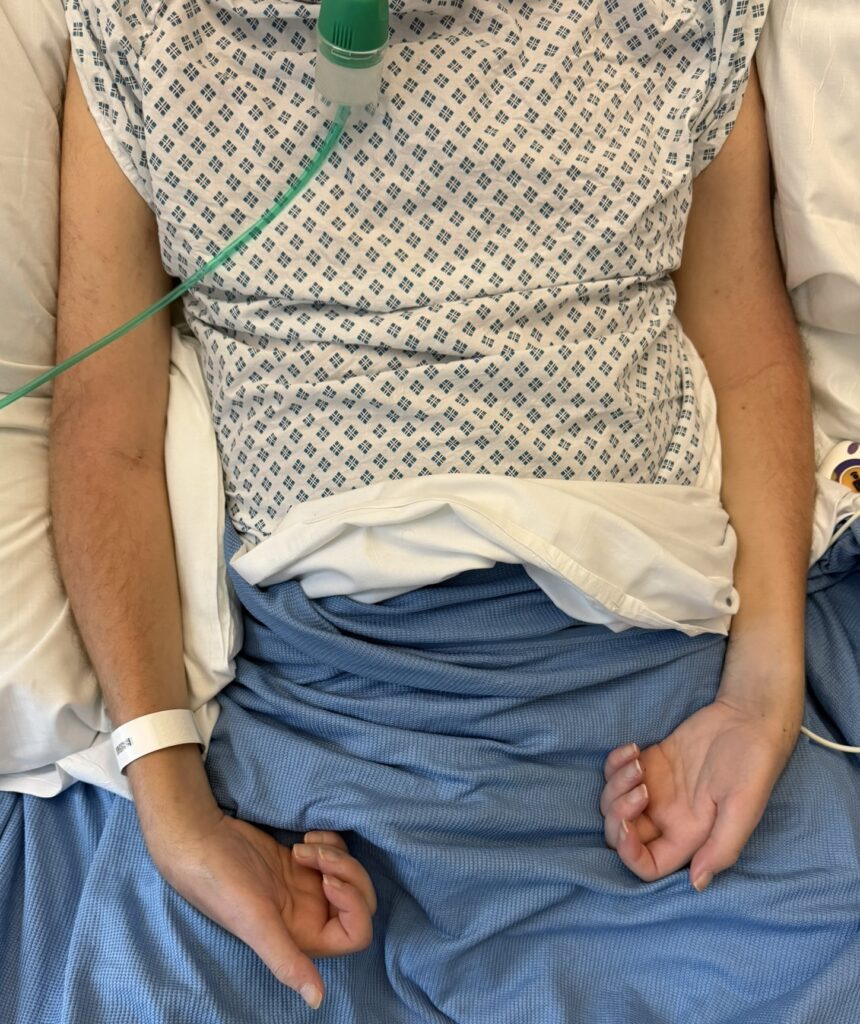
- Temperature of hands (feel dorsum), radial pulse, capillary refill time
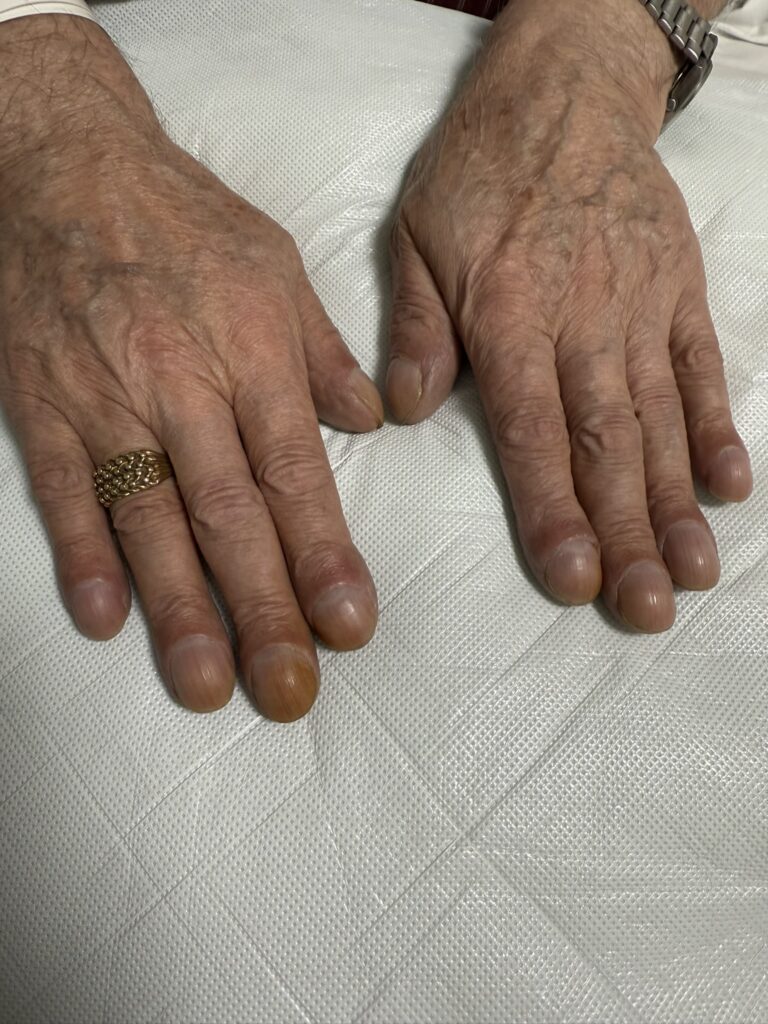
Hand Dorsum — Look (flat on pillow, then raised parallel to face)
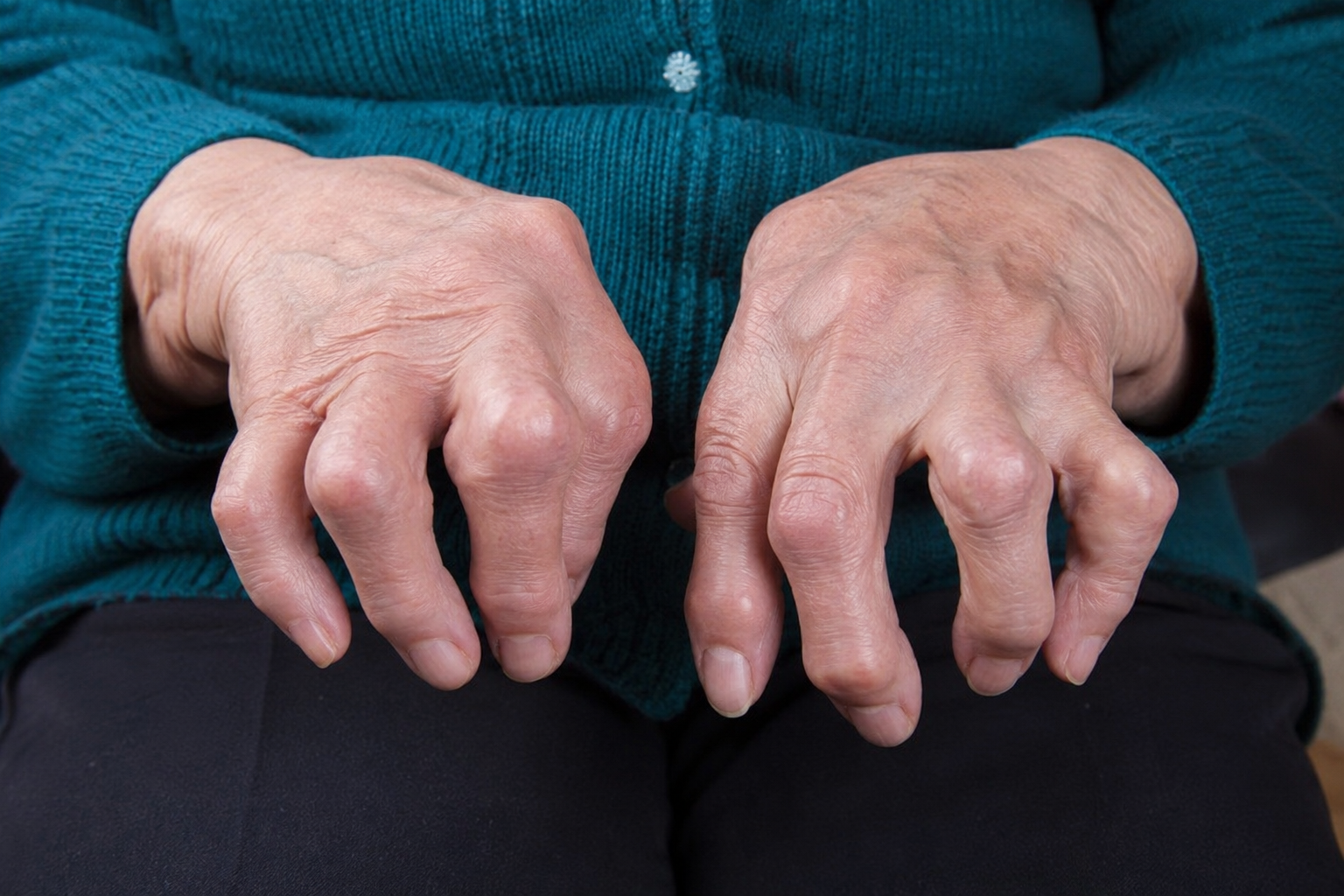
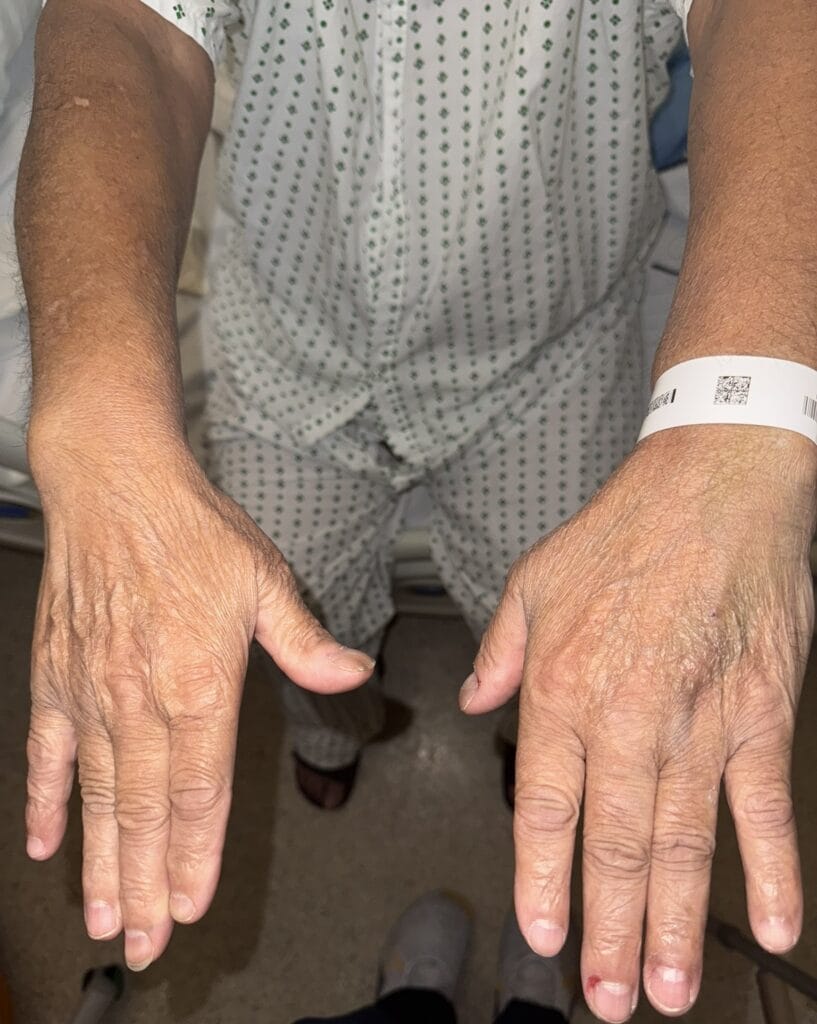
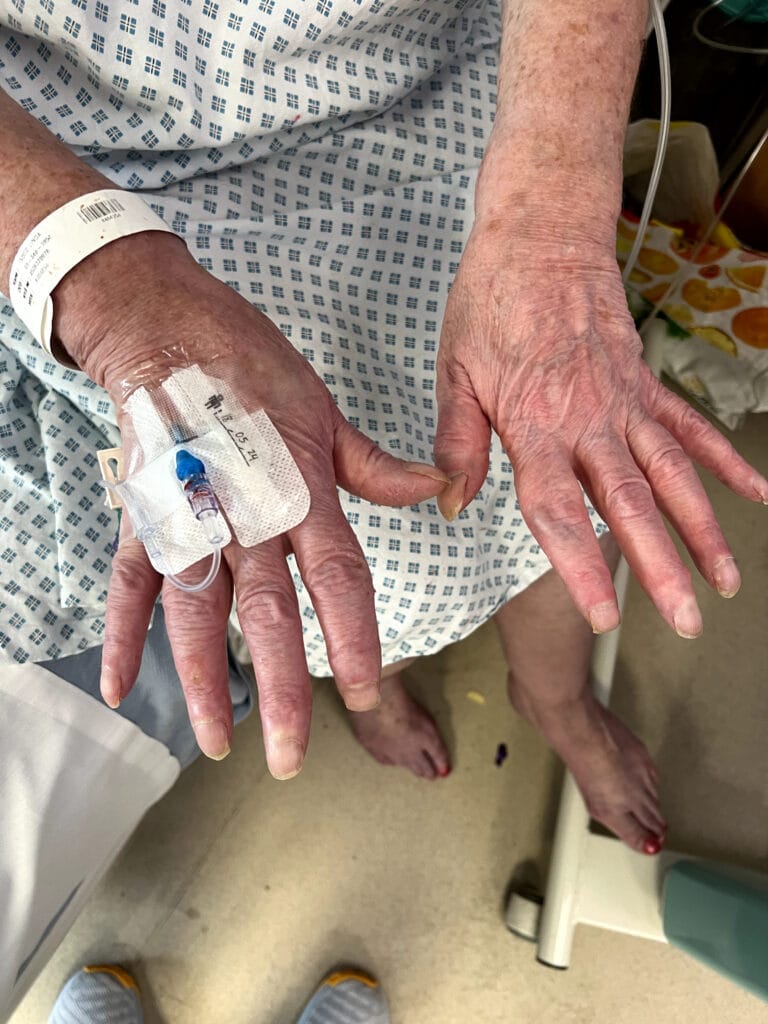
- Deformities: Z-thumb, Boutonnière deformity, swan-neck deformity, ulnar deviation, MCP subluxation
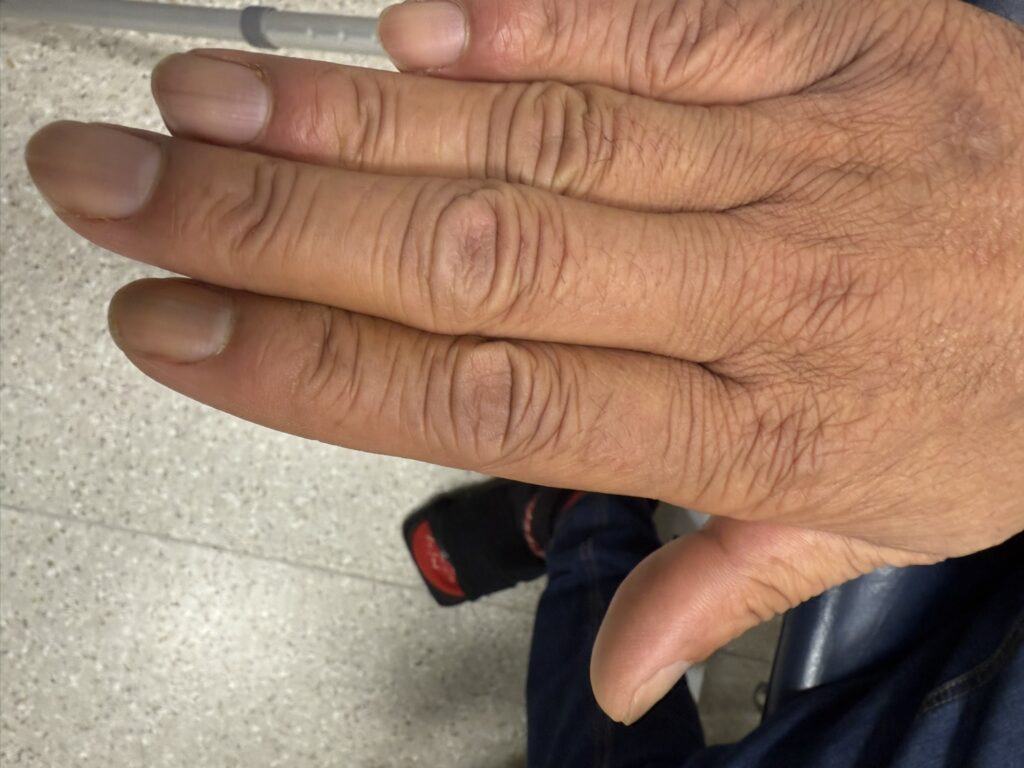
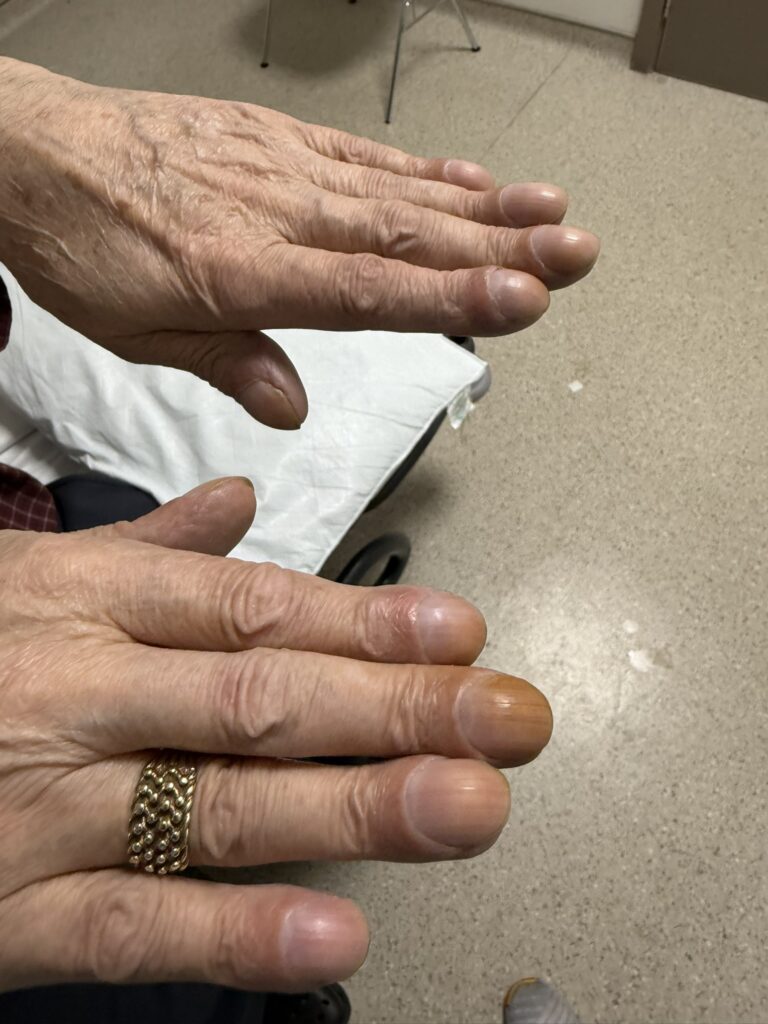
- Swellings: MCP joints, PIP joints, wrist — boggy (synovitis) vs bony (OA); note DIPJ sparing in RA
- Guttering: dorsal interossei wasting
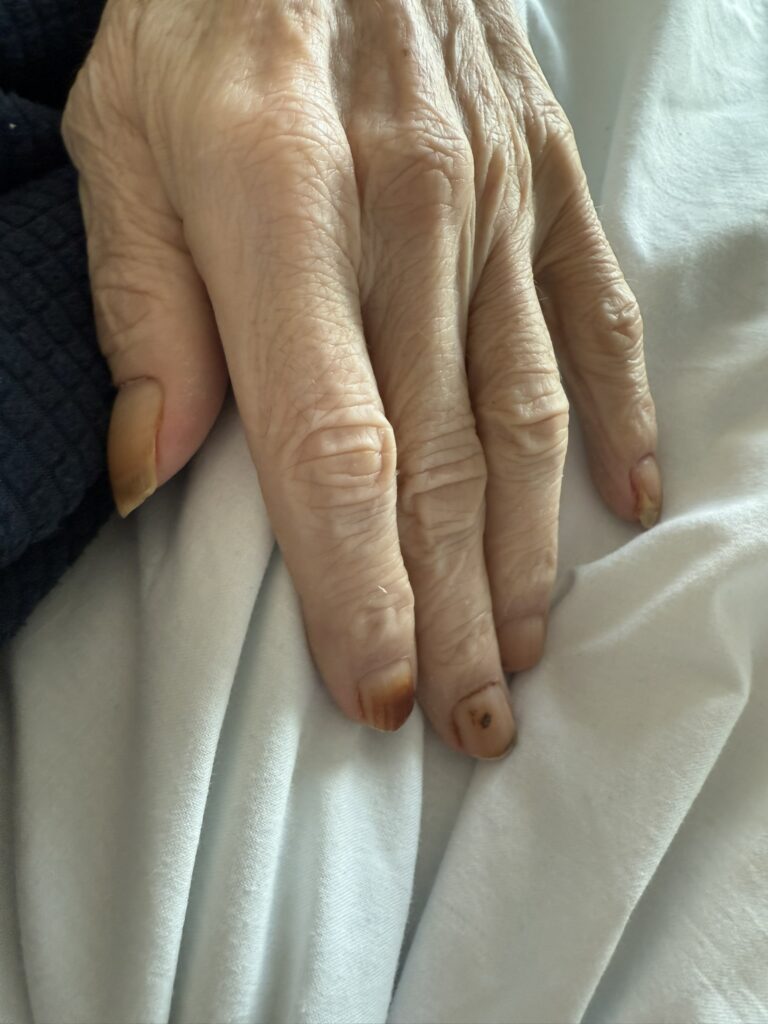
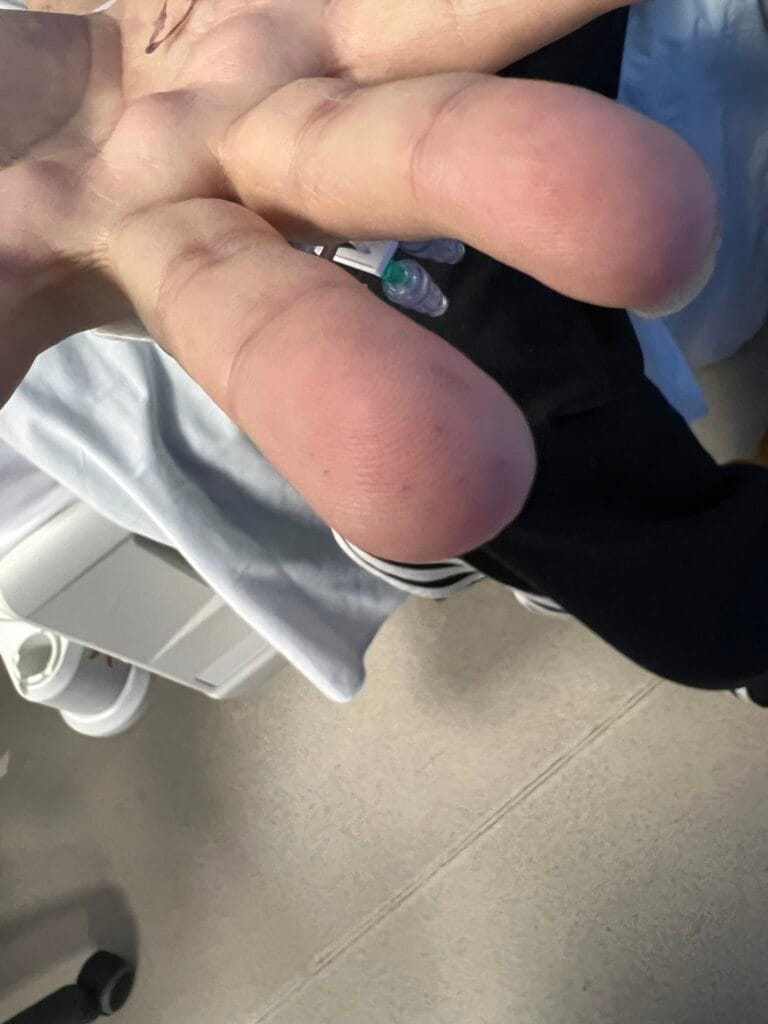
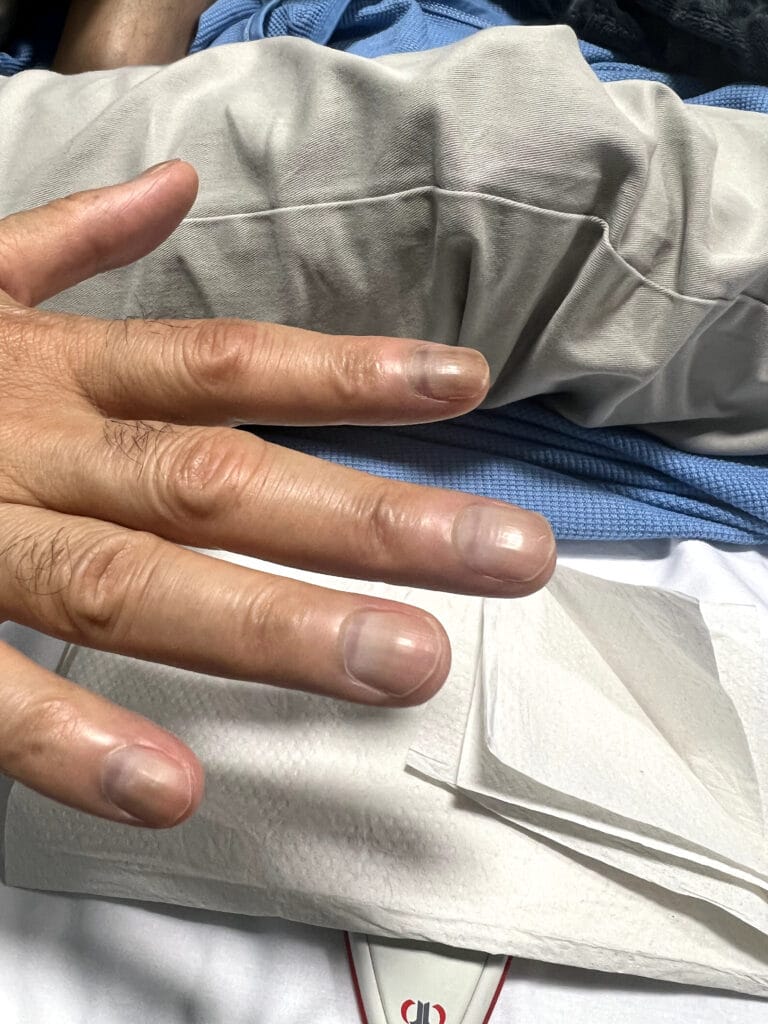
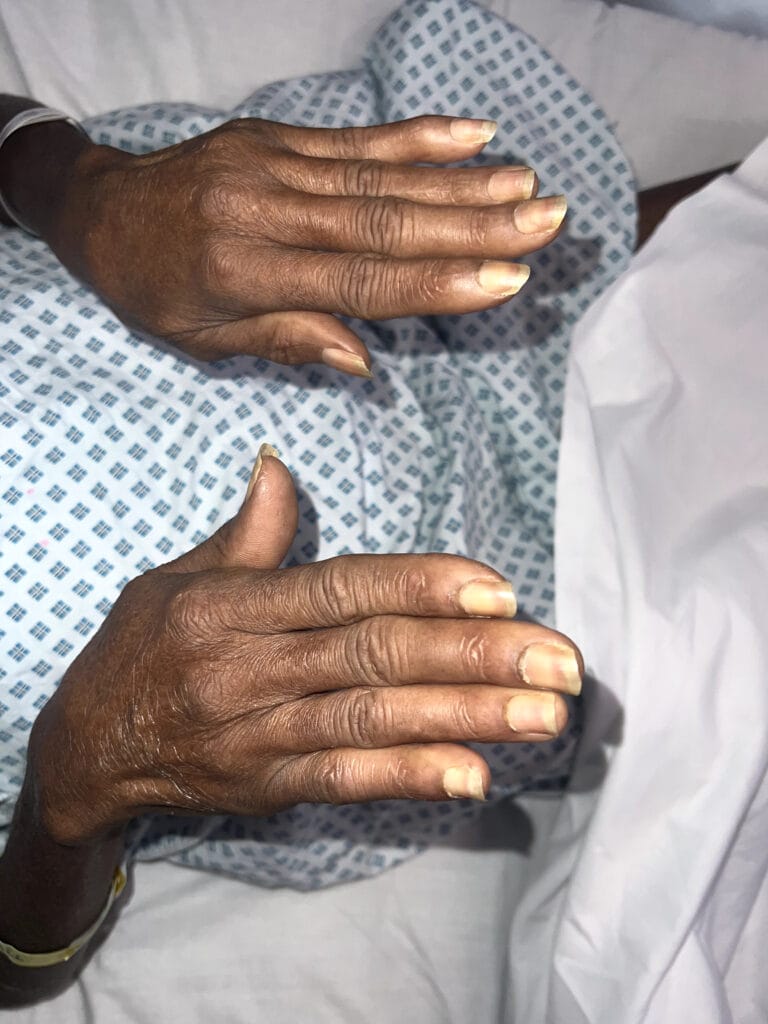
- Nails: nail-fold infarcts (vasculitis), psoriatic pitting, onycholysis, hyperkeratosis
- Skin: thin/bruised (steroid use), calcinosis, rashes
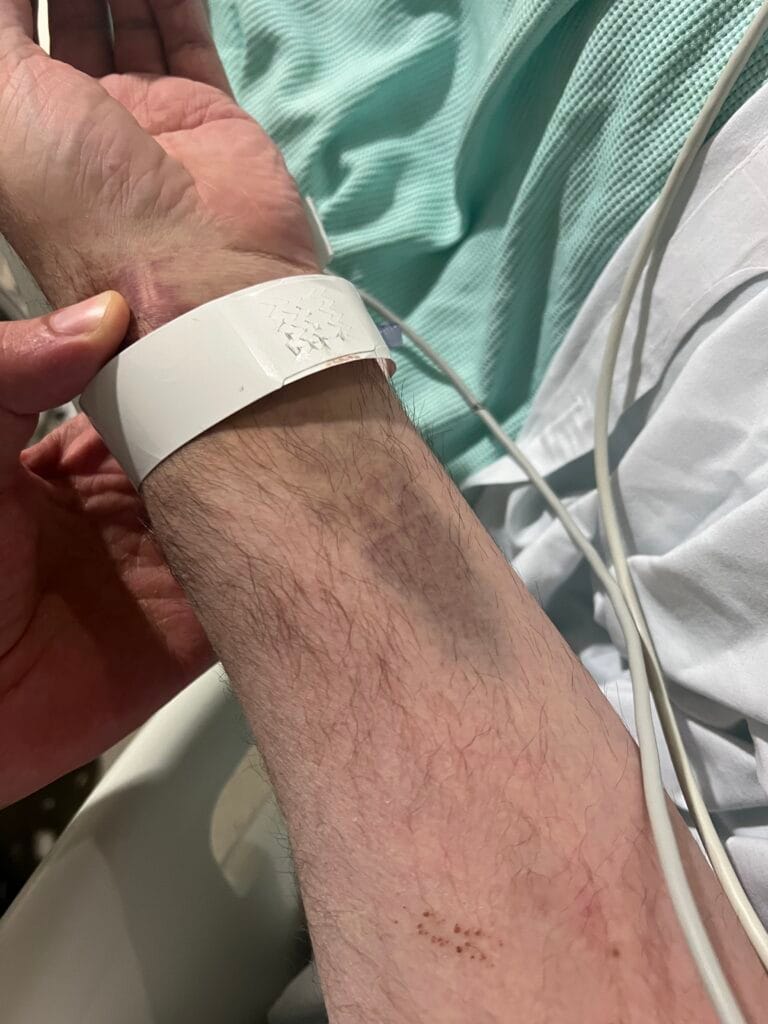
- Scars: carpal tunnel release, wrist arthrodesis, tendon transfer
- Other: dactylitis (psoriatic arthritis), psoriatic plaques
Hand Palm — Look
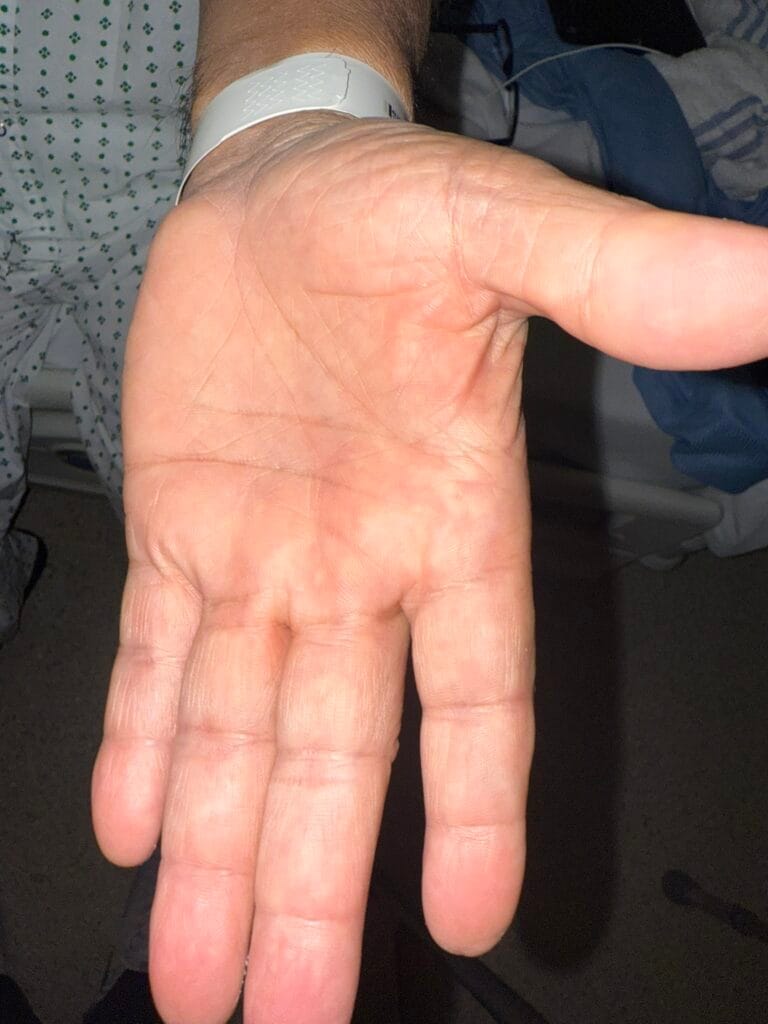
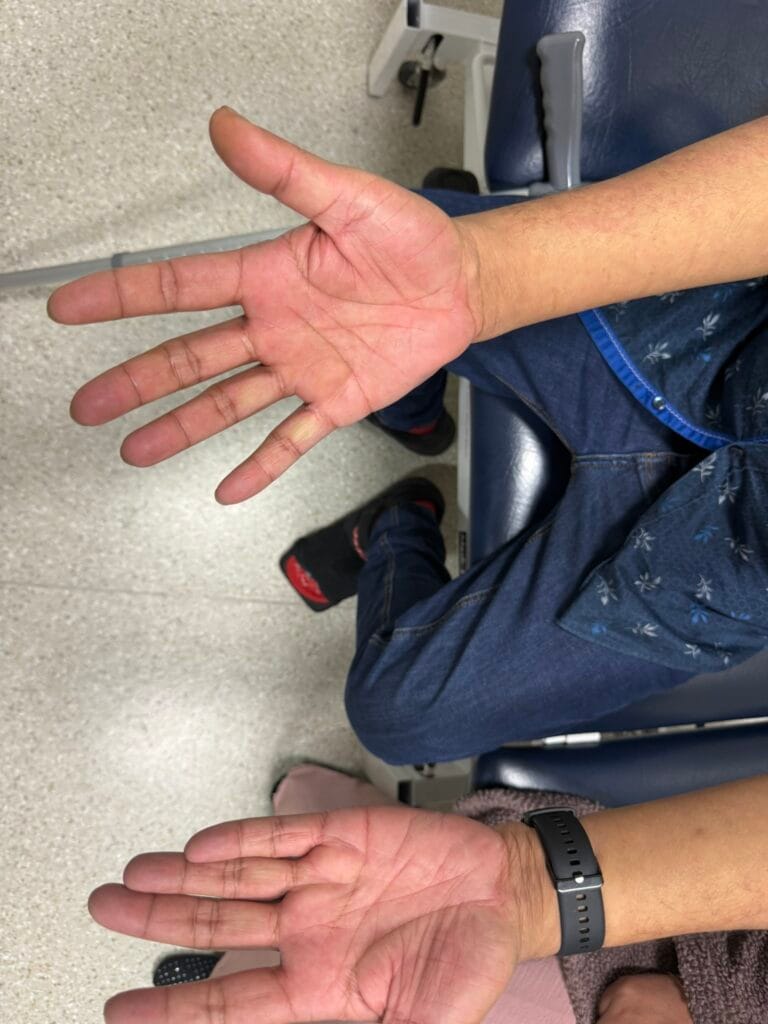
- Palmar erythema
- Thenar and hypothenar wasting
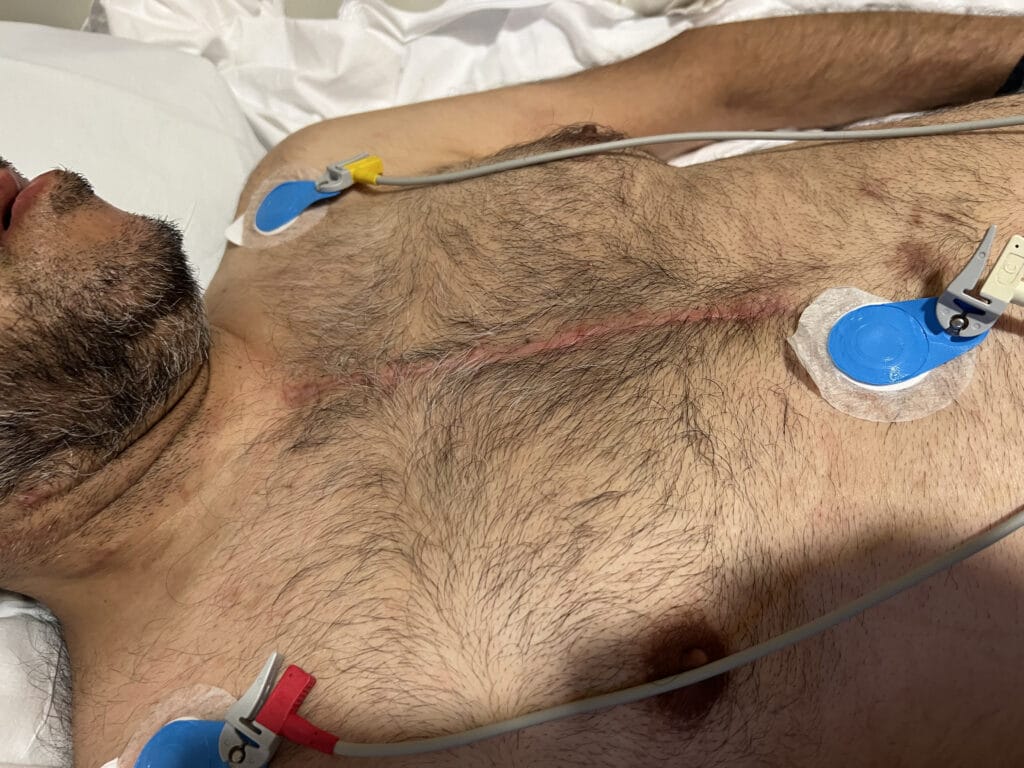
- Surgical scars
Elbows — Look & Feel
- Rheumatoid nodules (extensor surface), calcinosis
- Psoriatic plaques, gouty tophi, olecranon bursitis, scars
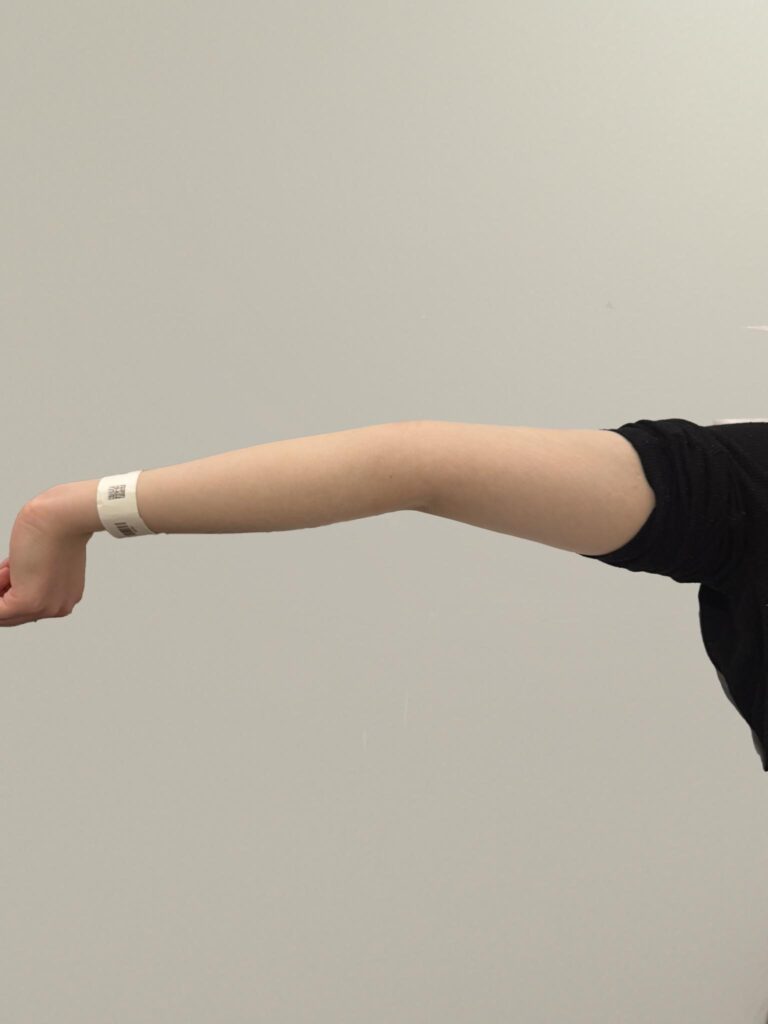
- Measure blood pressure both arms (asymmetry suggests cervical rib or subclavian involvement)
Feel
- Palpate MCPJs, PIPJs, wrist for tenderness, boggy swelling (synovitis), warmth
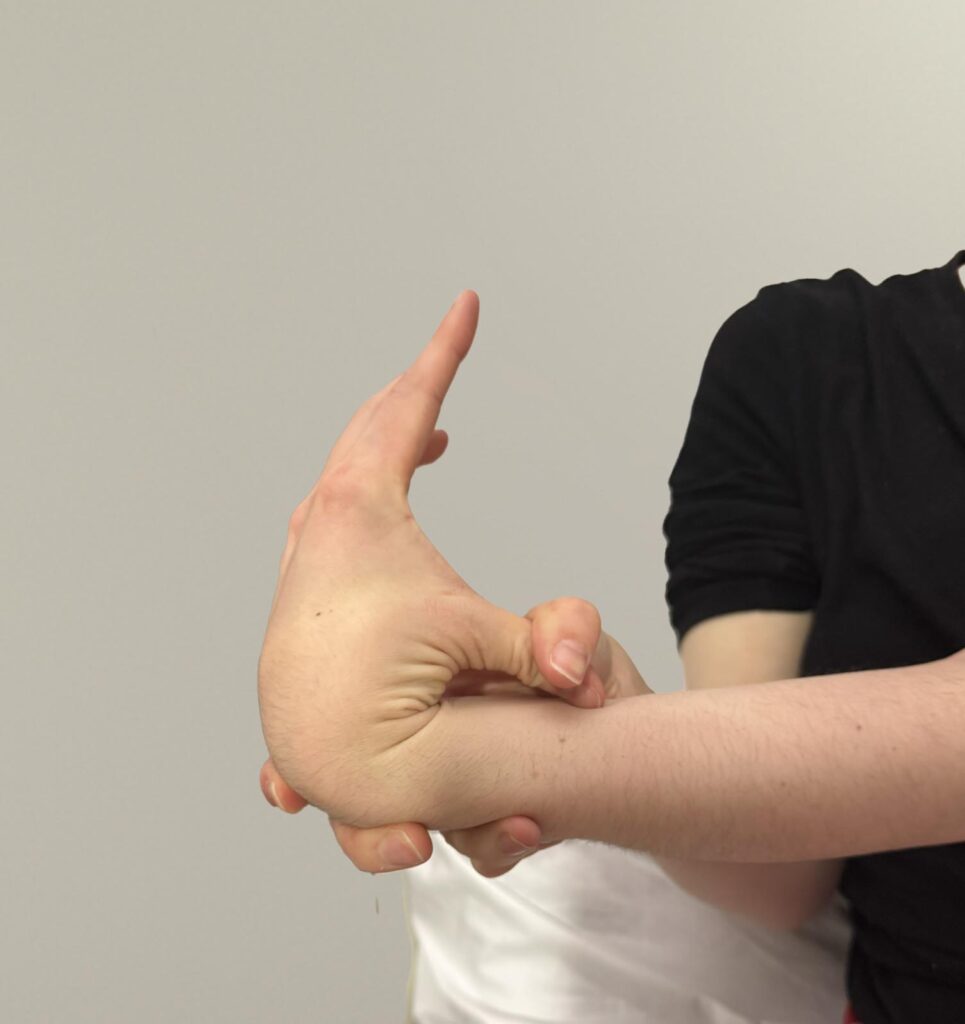
- Carpal tunnel assessment if indicated: sensation, power (APB), Tinel’s sign, Phalen’s test
- Palpate over elbows for nodules
Move & Function
- Pincer grip — make an O, don’t let me open it
- Power grip — grip my fingers and squeeze
- Spread fingers like a fan (intrinsic power)
- Make a fist — don’t let me bend your wrist
- Straighten fingers fully (extension)
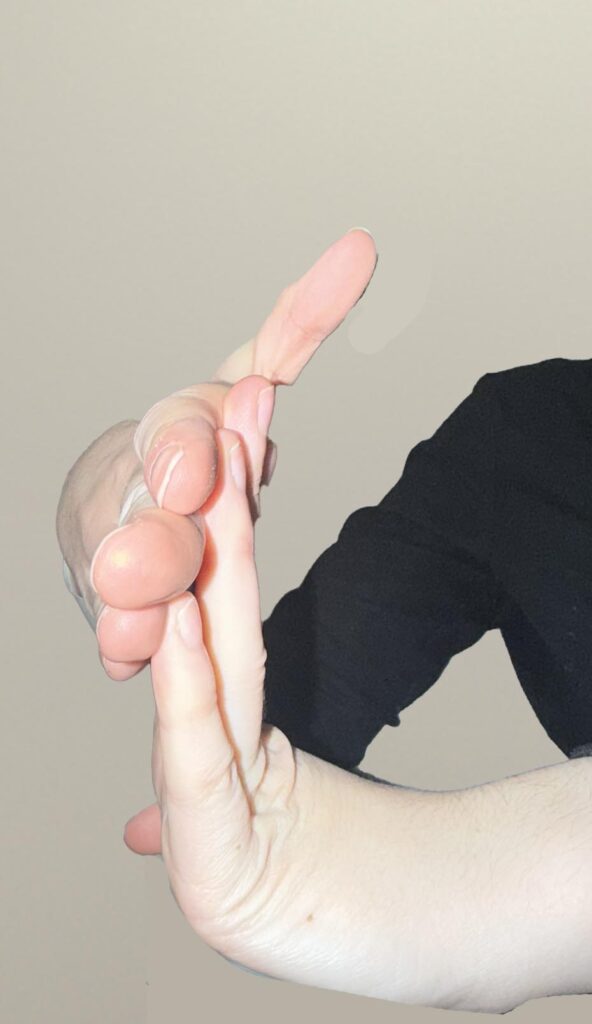
- Prayer sign (wrist extension)
- Function: pick up a coin, hold cutlery or cup, undo buttons, write with a pen, brush hair, hands behind head/undo bra strap (shoulder abduction and external rotation)
Sensation
- Test radial, median and ulnar nerve distributions
- Phalen’s and Tinel’s tests for carpal tunnel
Neck
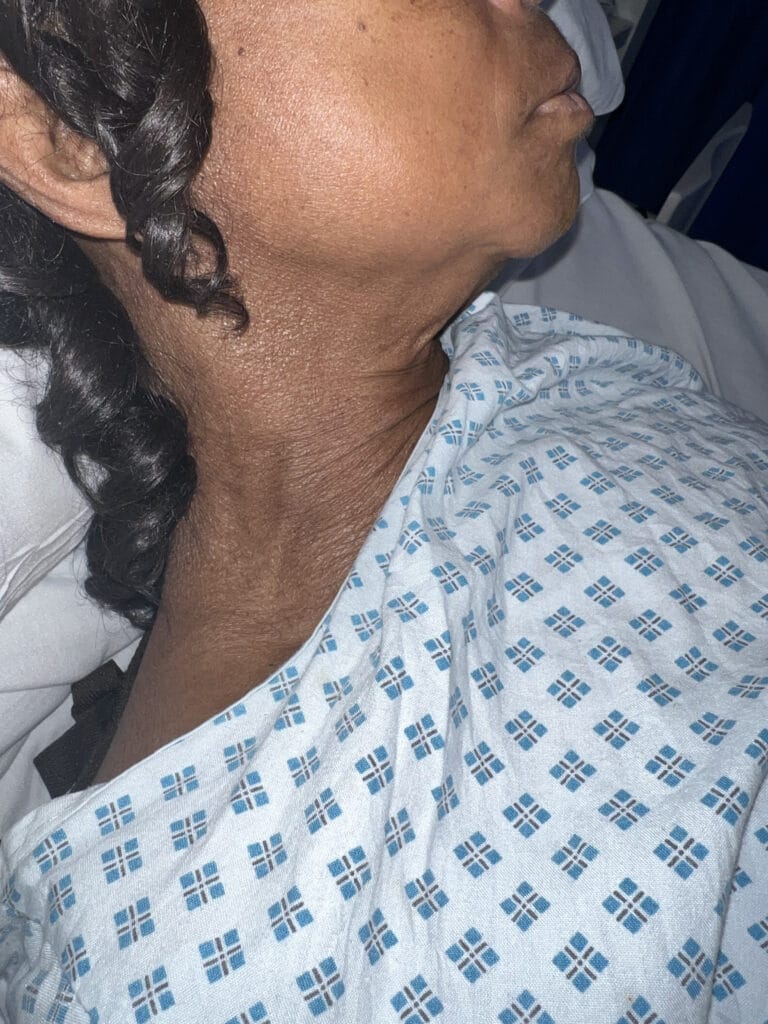
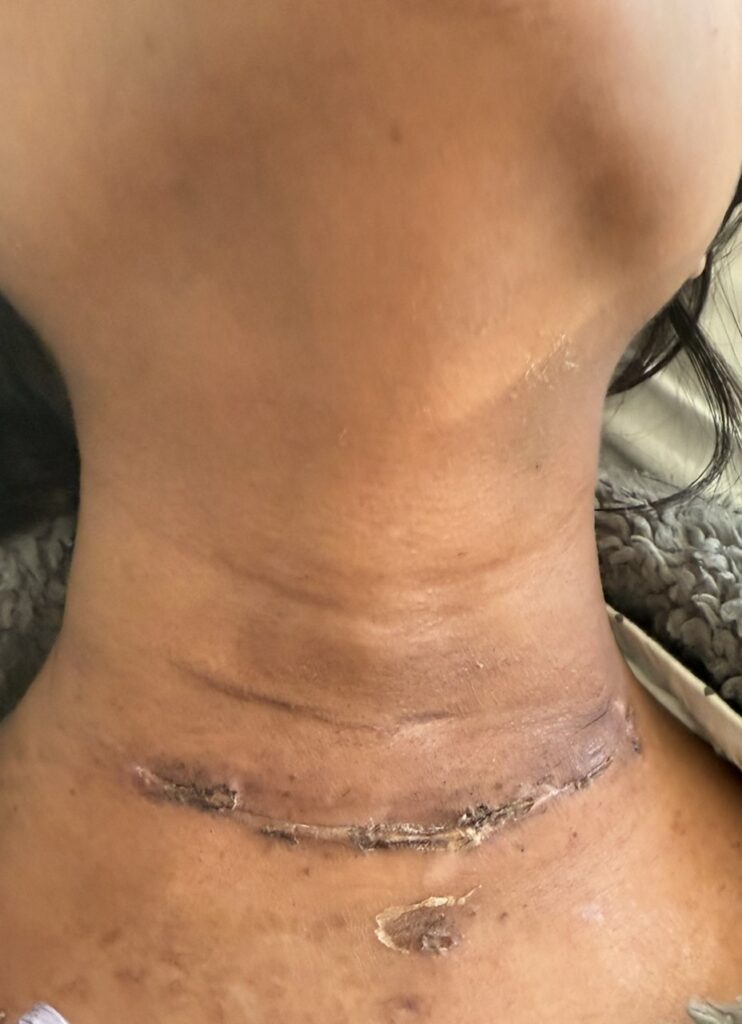
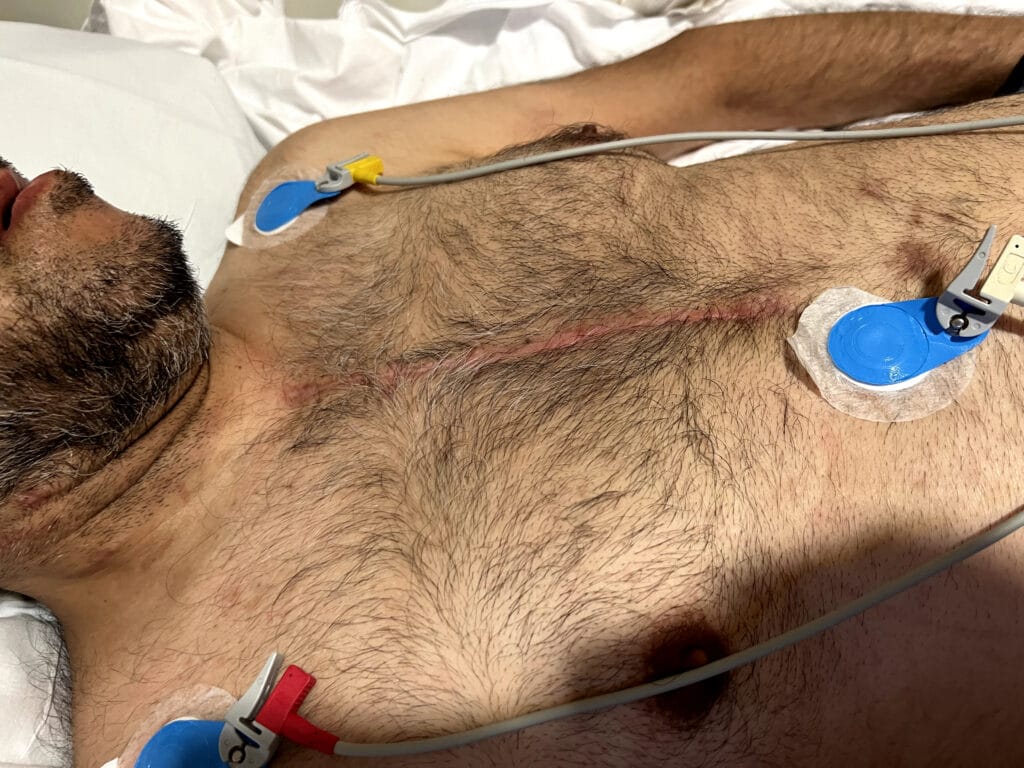
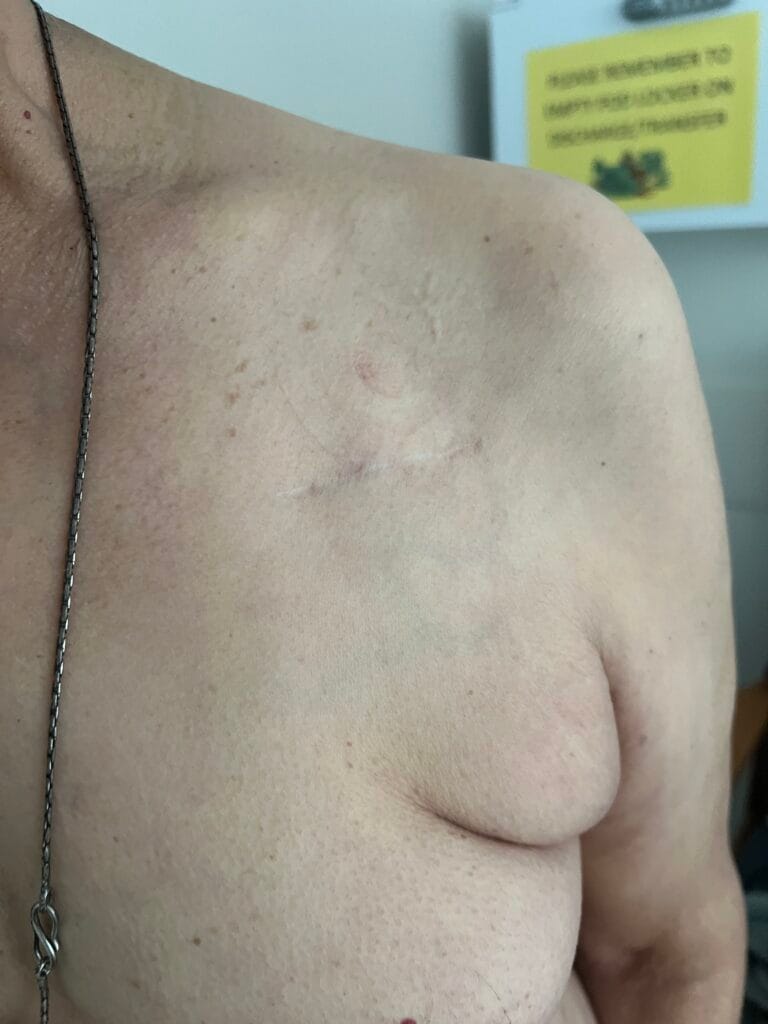
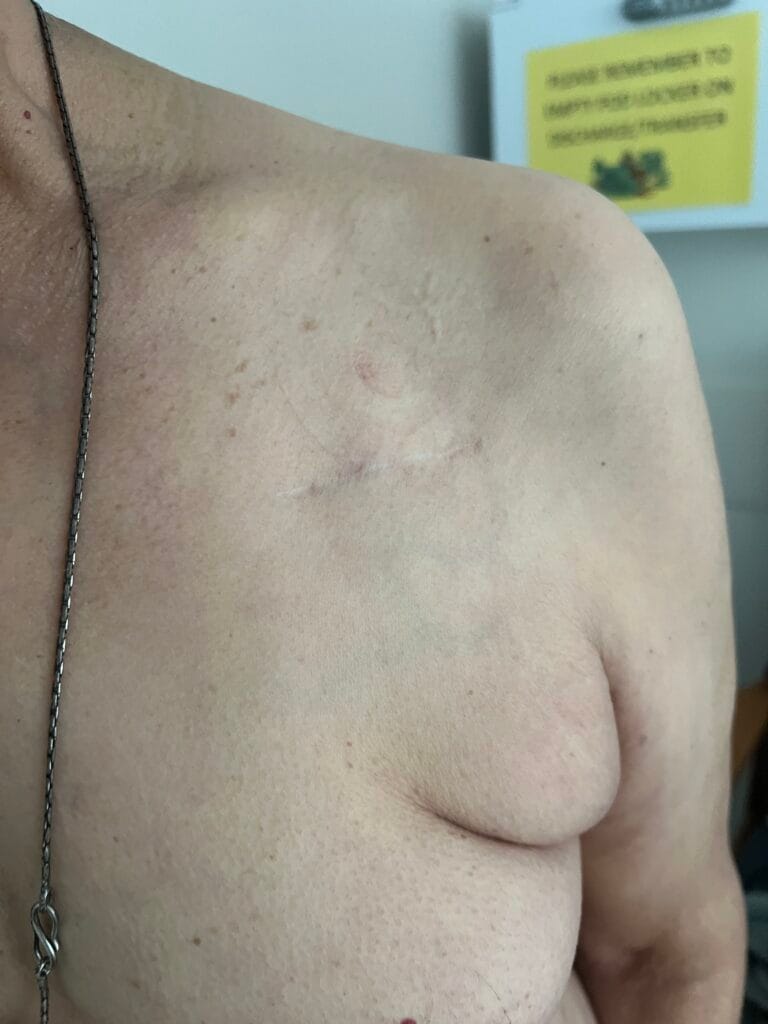
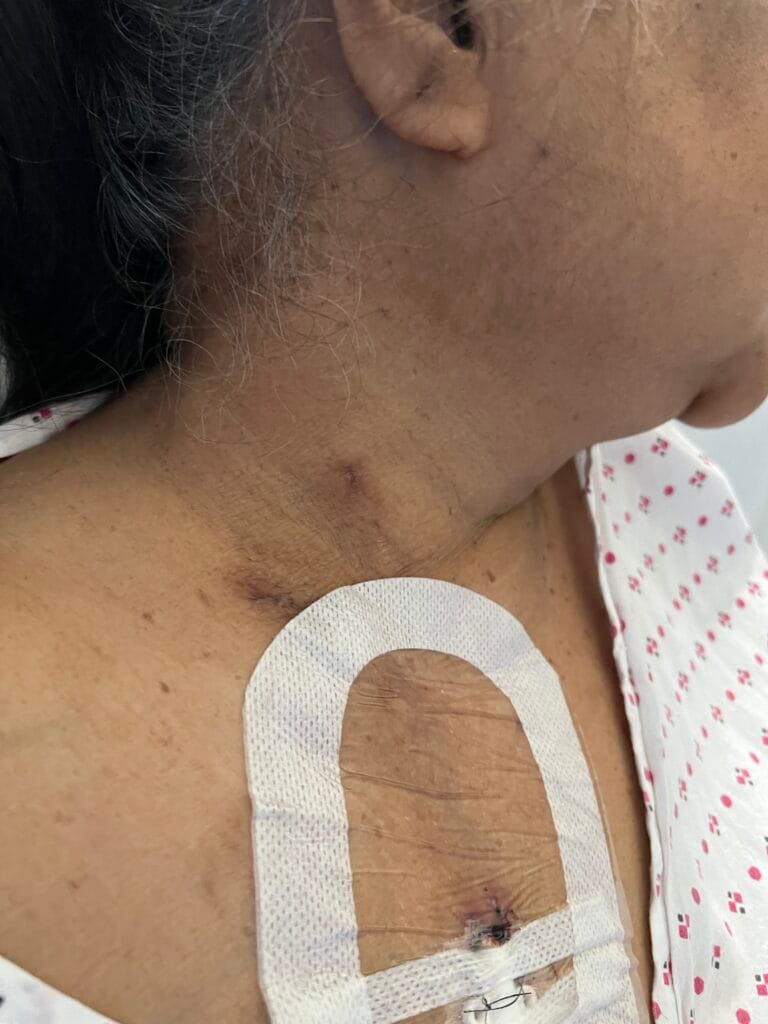
- Inspect for surgical scar (atlanto-axial stabilisation)
- Assess range of movement; screen for upper limb myelopathy (cervical spinal disease)
Feet & Lower Limbs
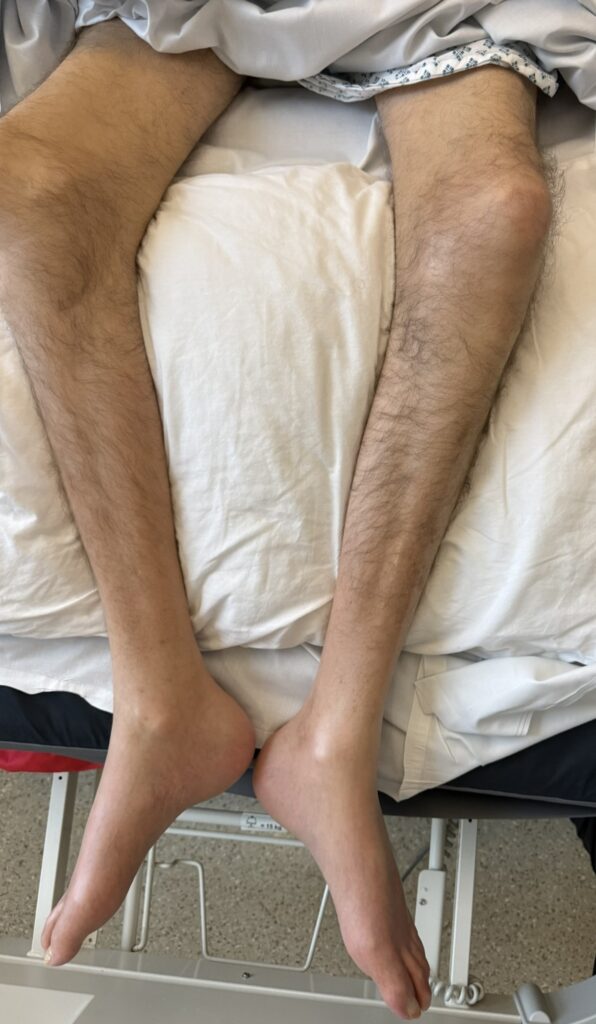
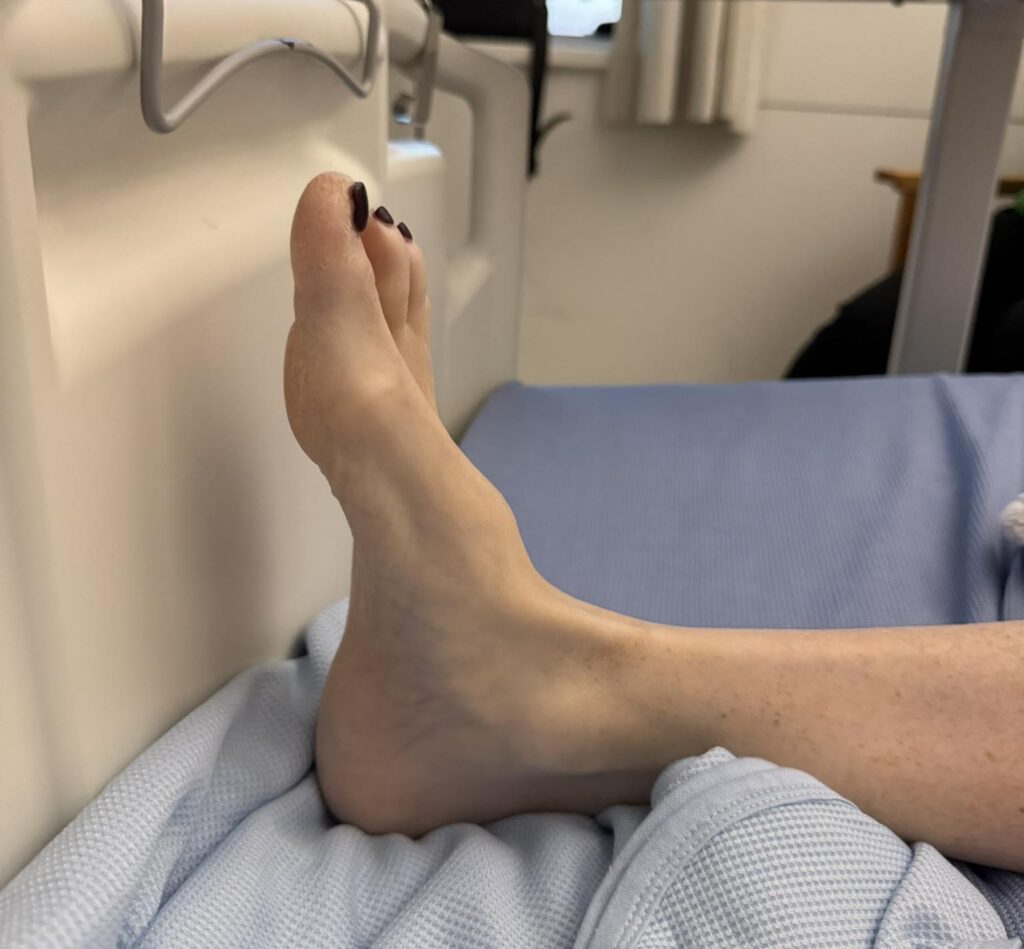
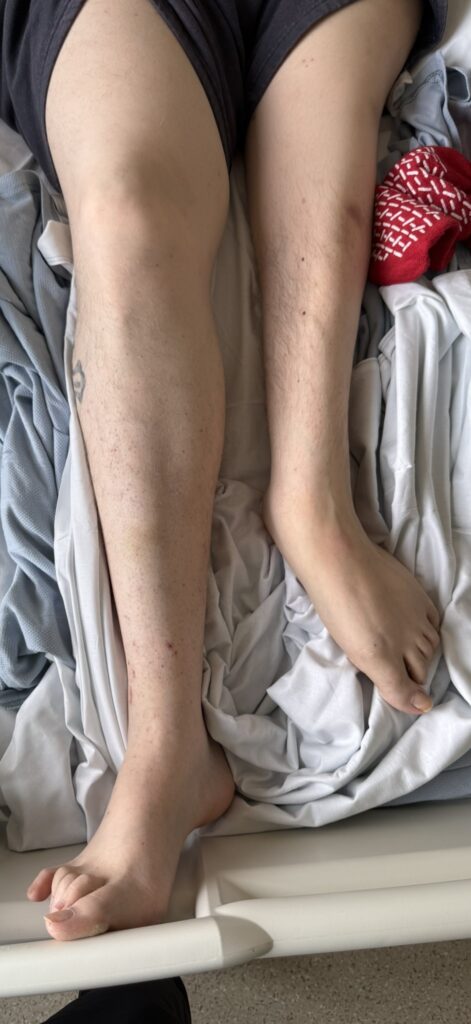
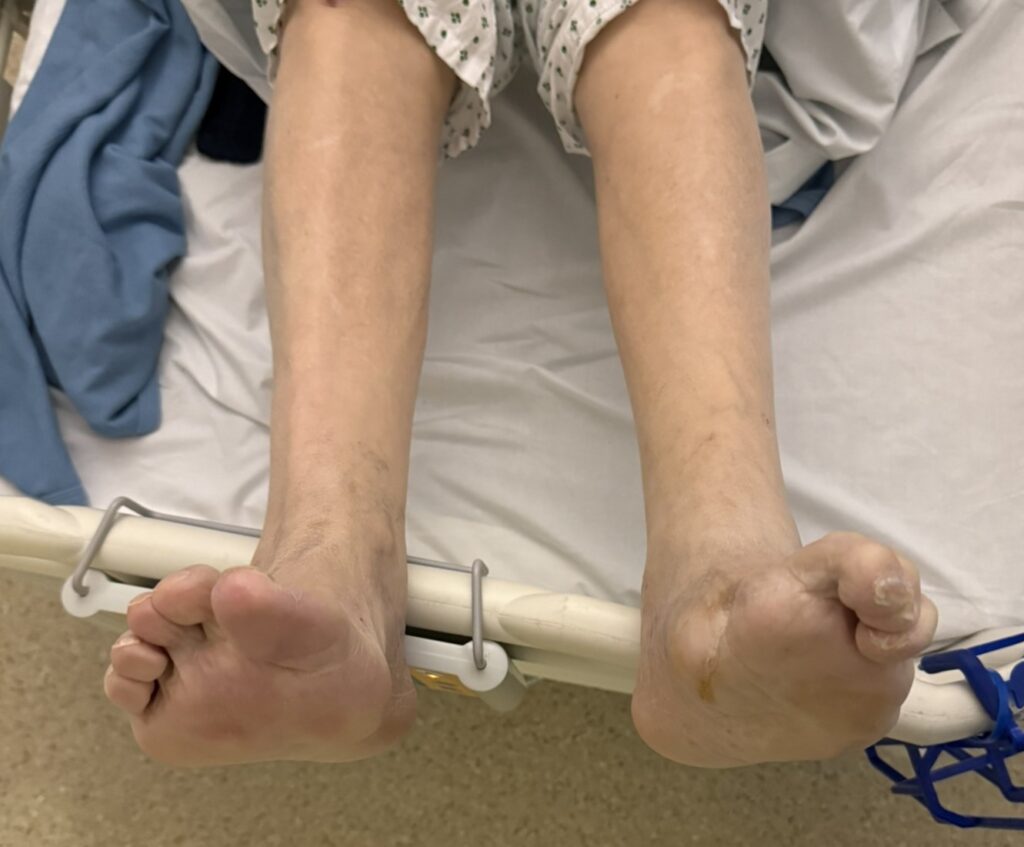
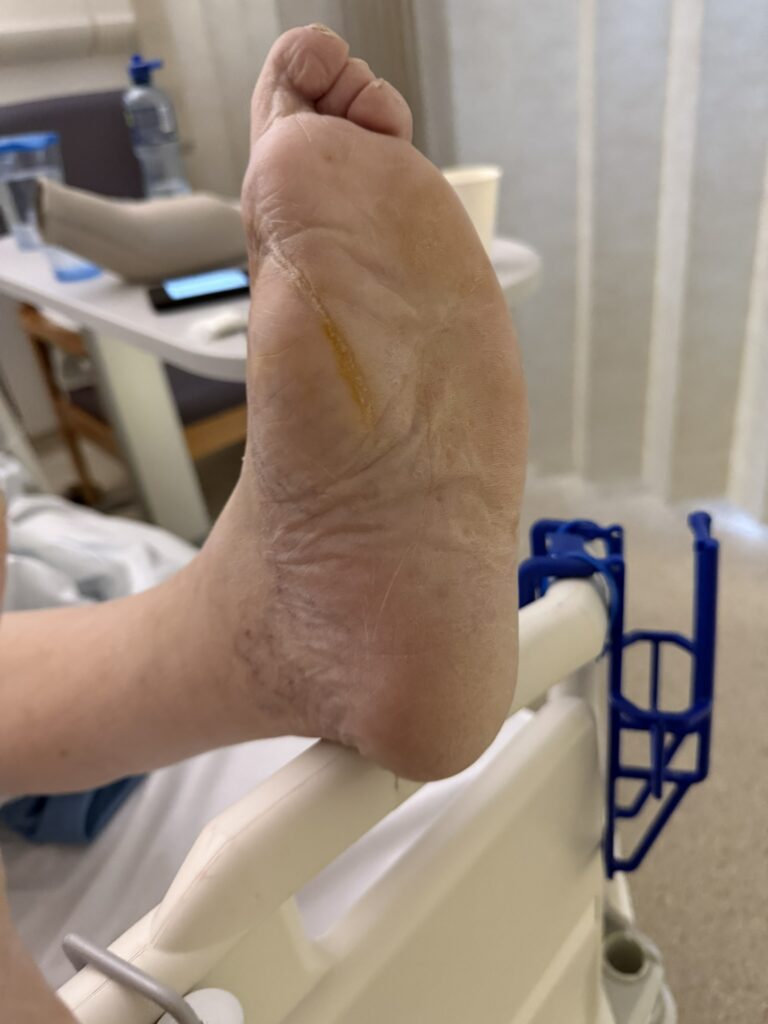
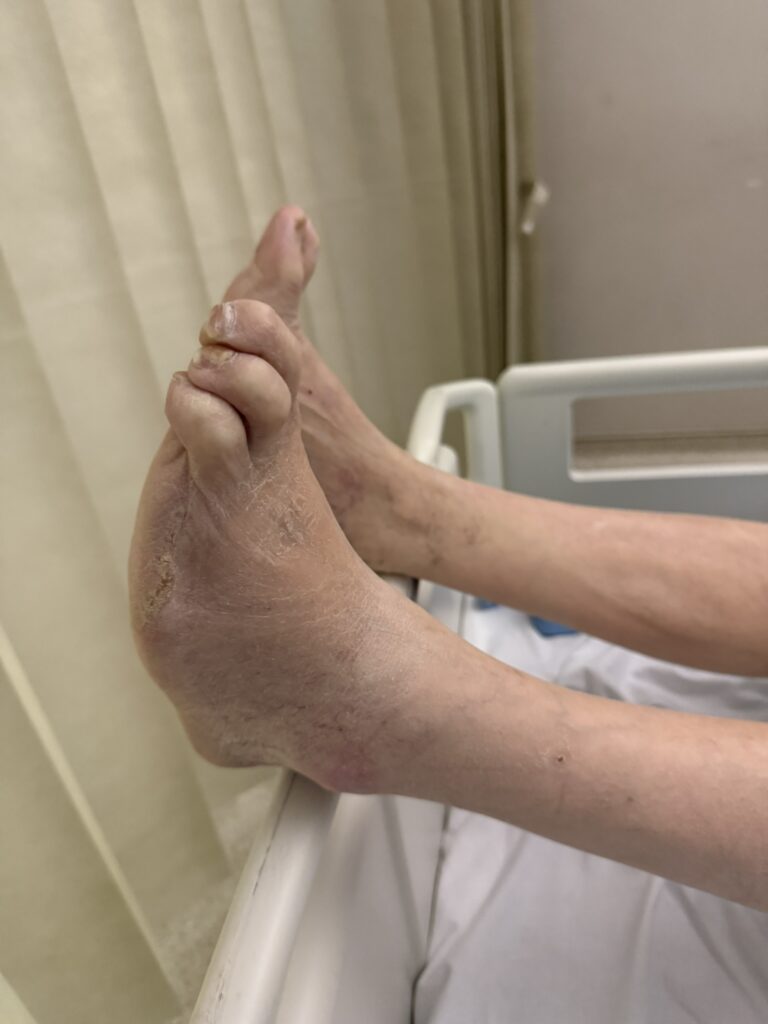
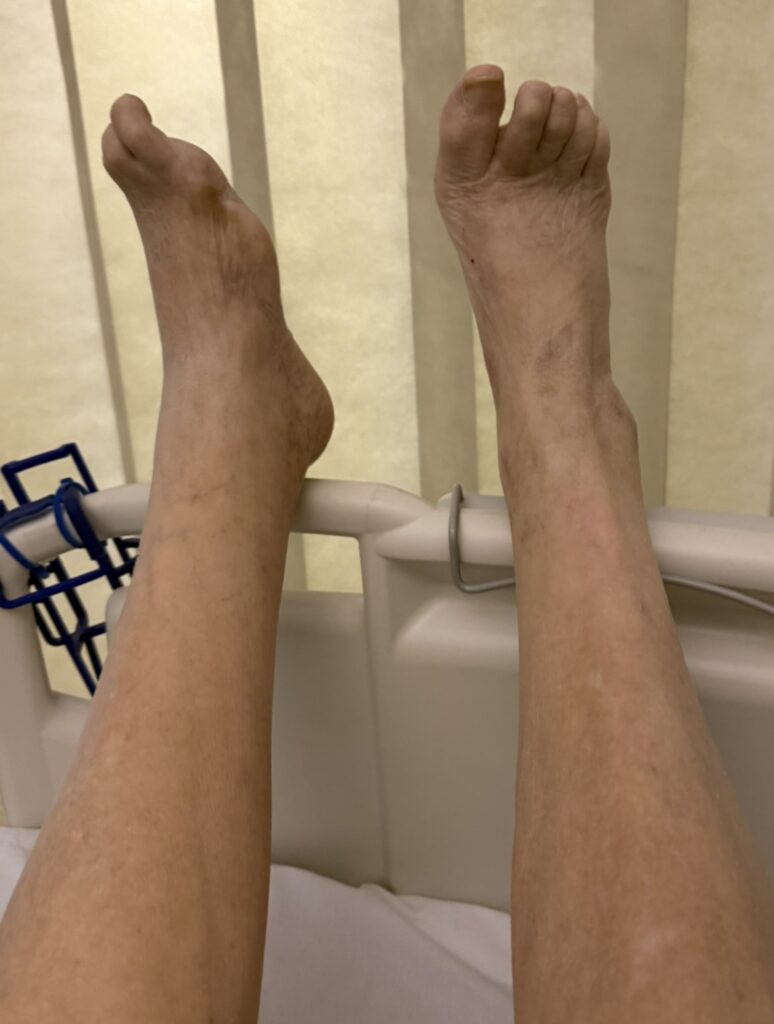
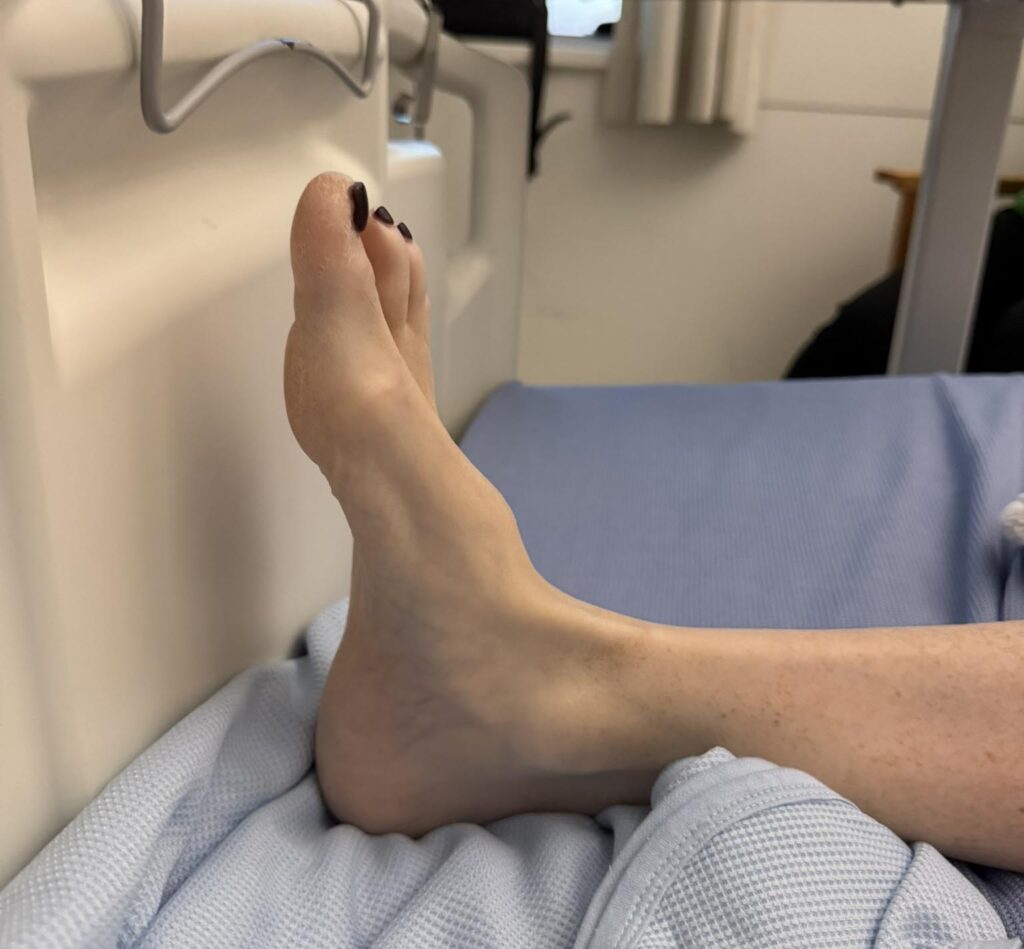
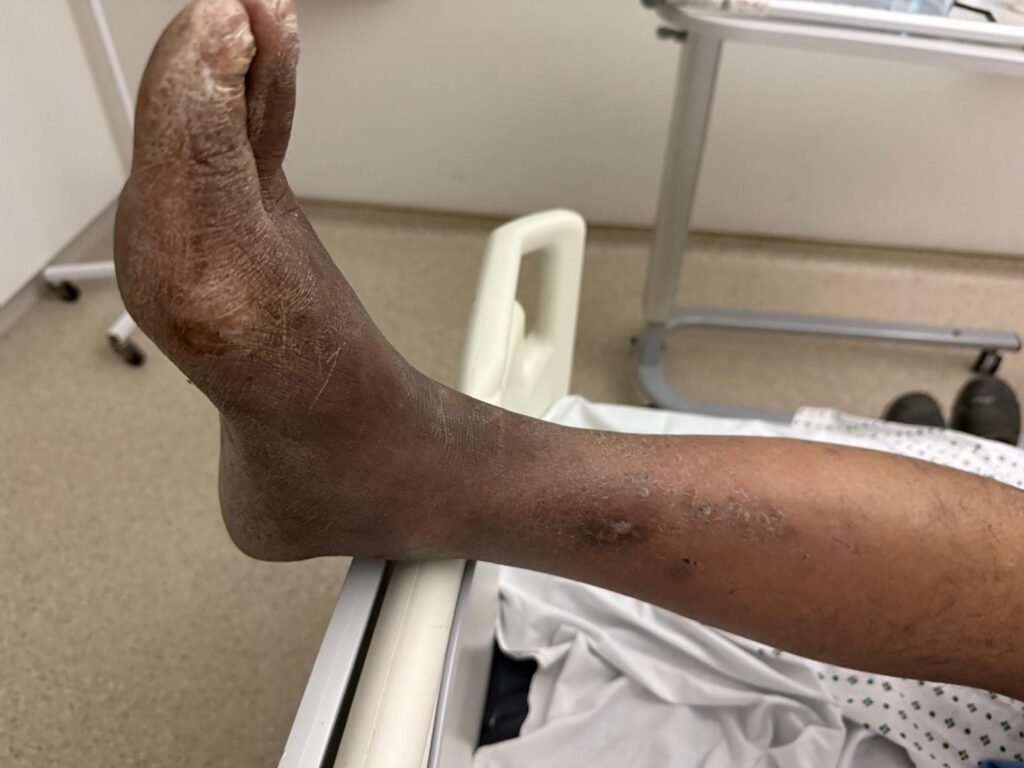
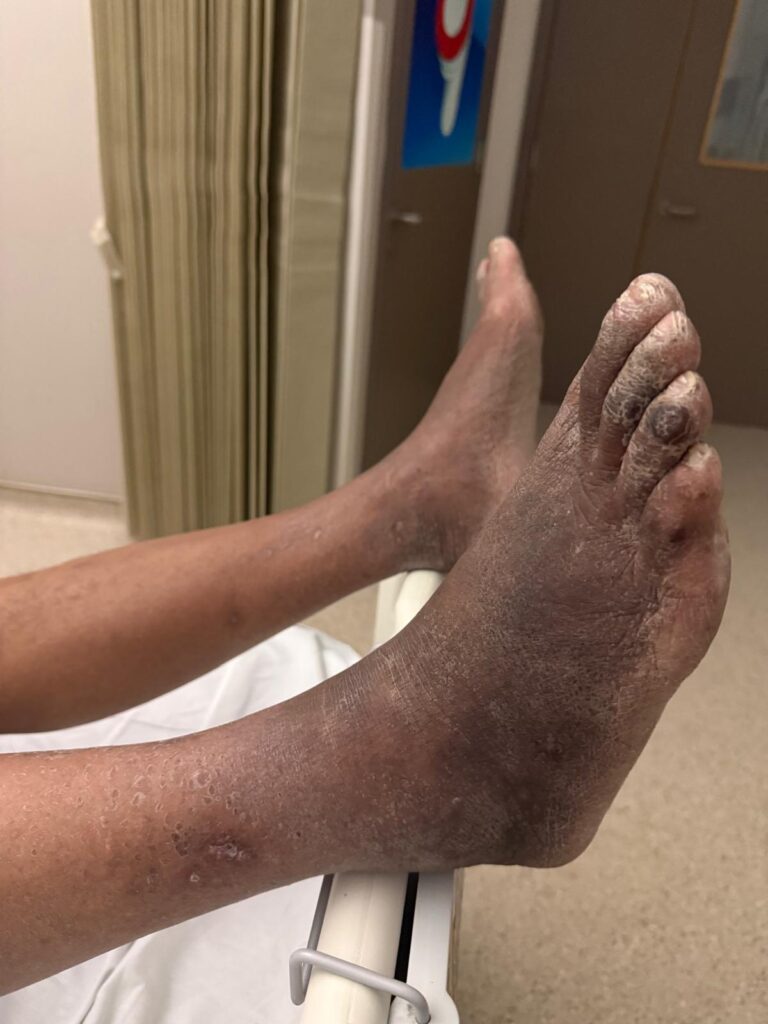
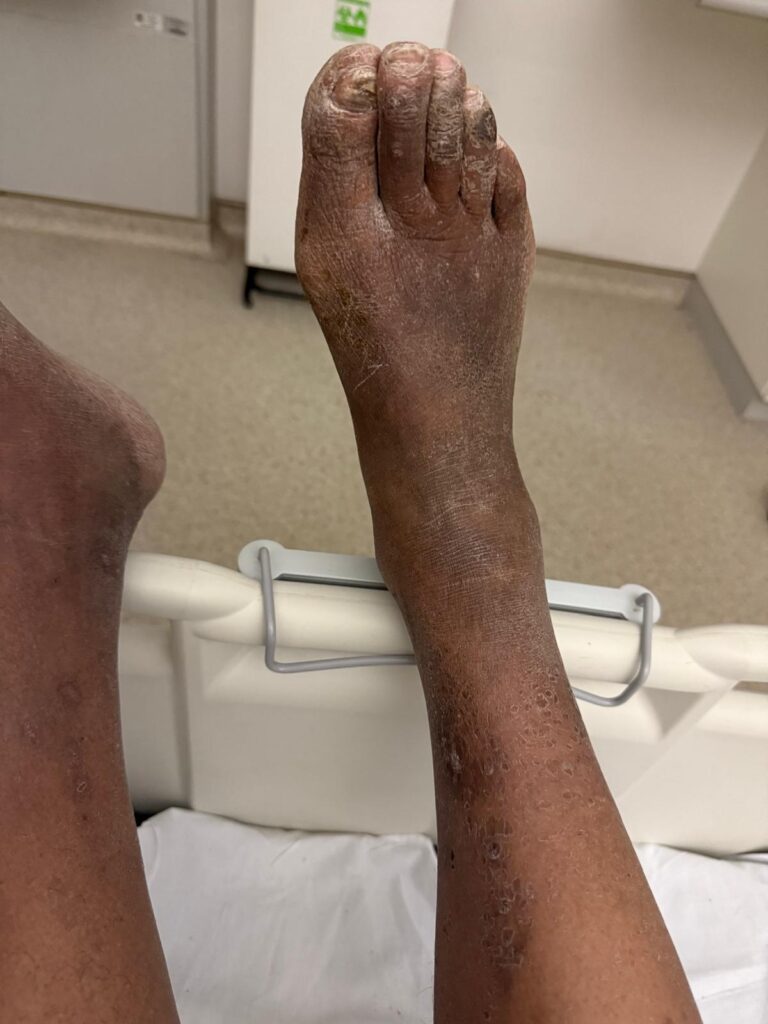
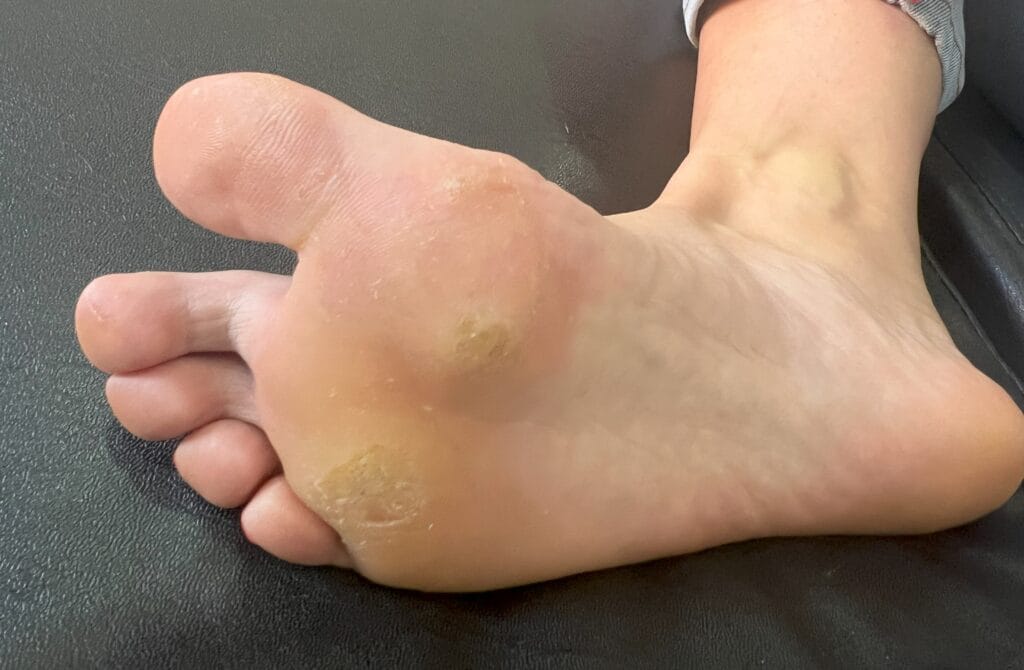
- Inspect feet: fibular deviation, deformities, rheumatoid nodules at Achilles tendon
- Knee and ankle examination if time allows
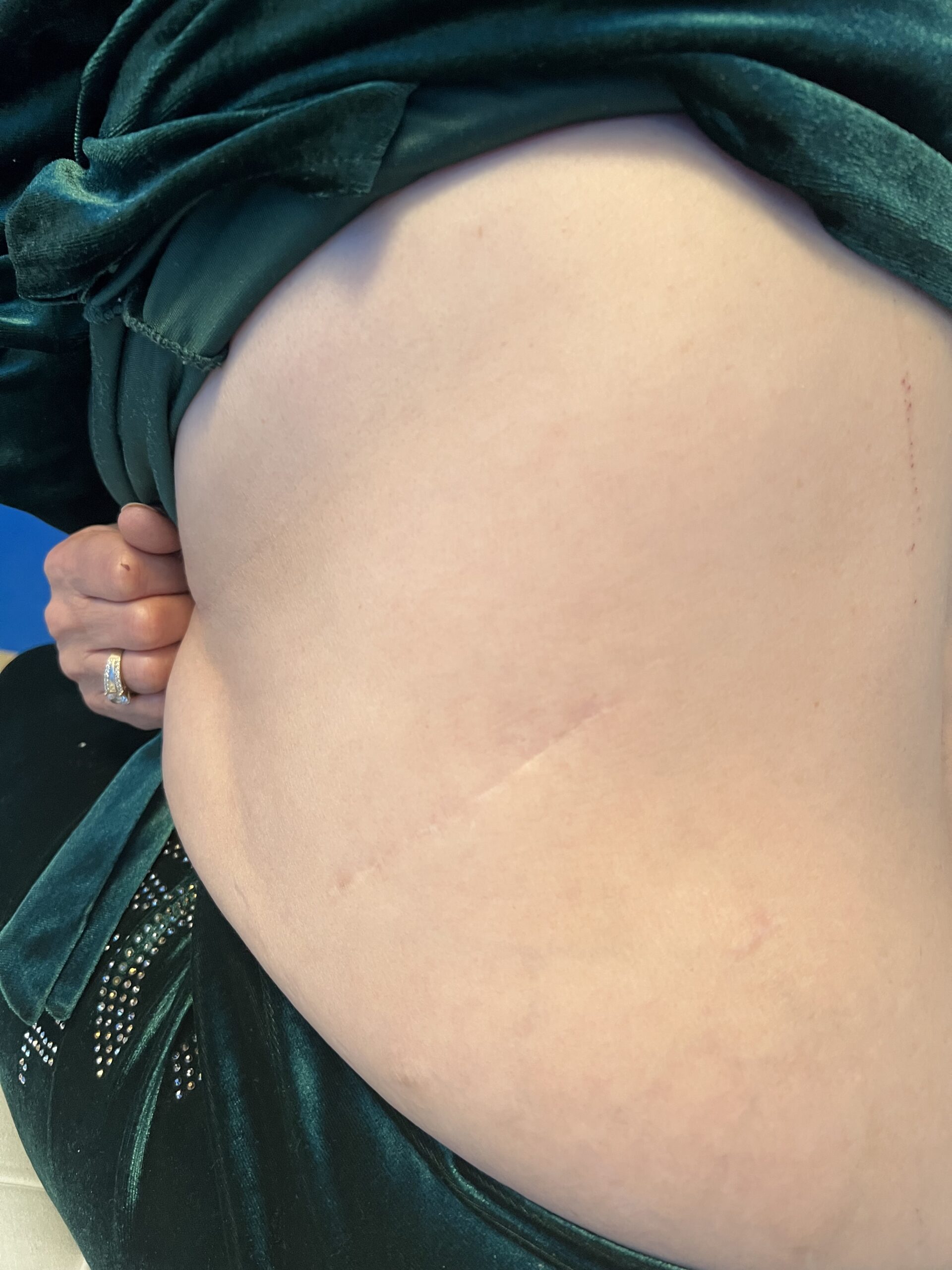
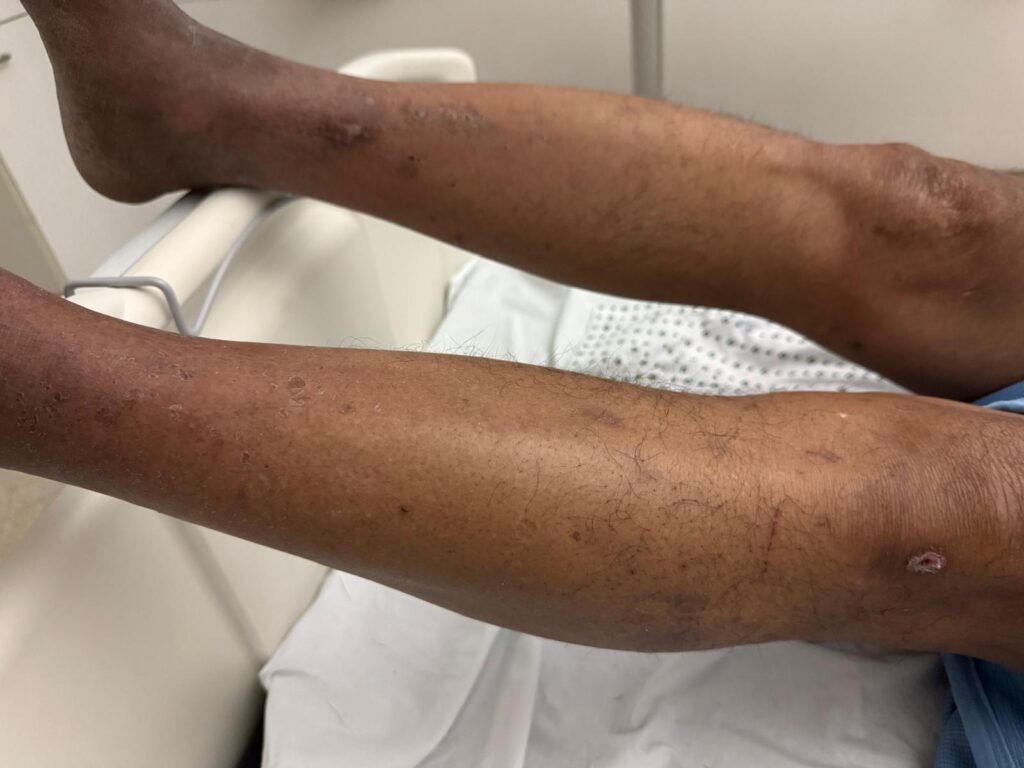
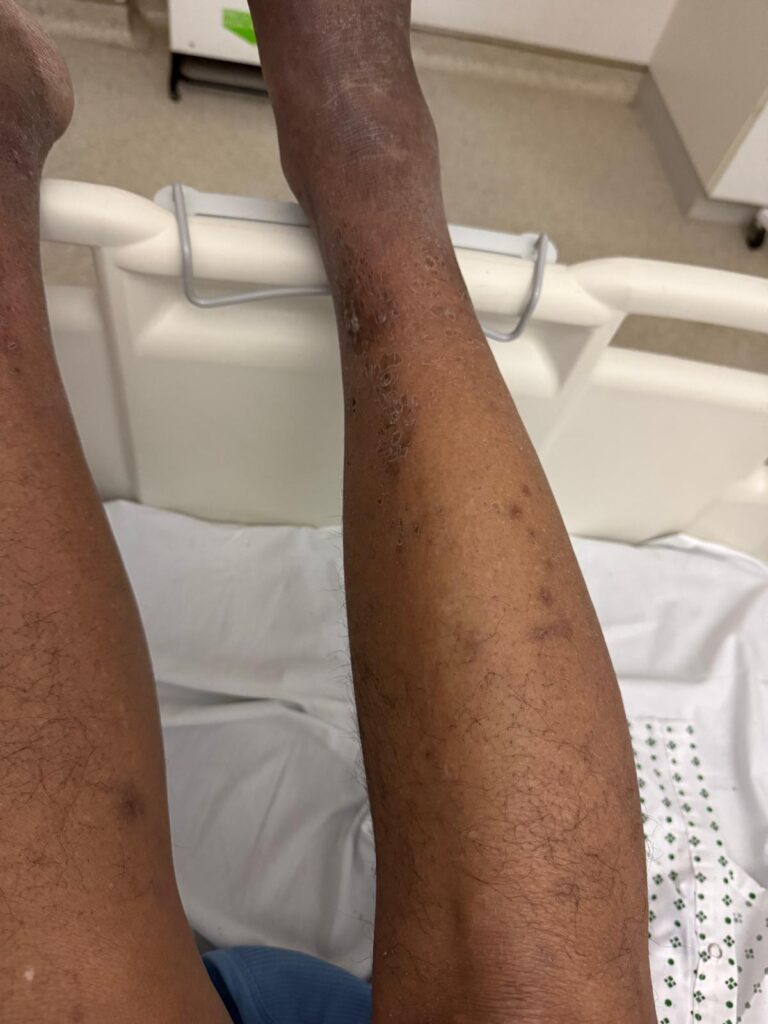
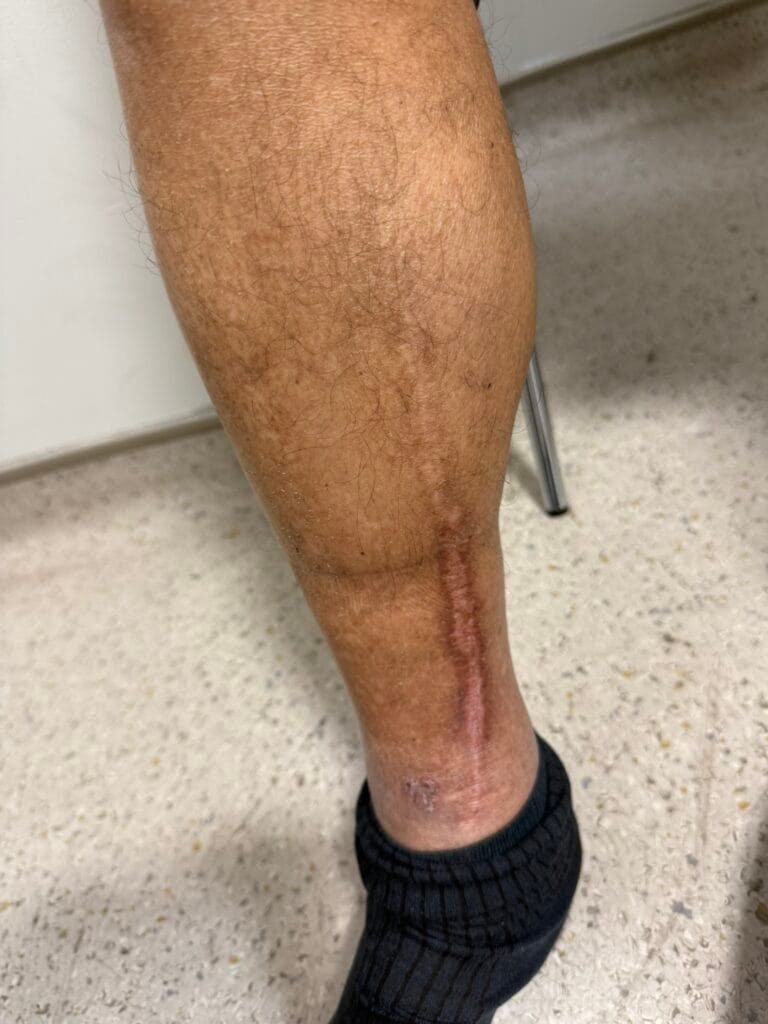
- Inspect legs for vasculitic ulceration, pyoderma gangrenosum
Targeted Systemic Examination
- Scalp and behind ears: psoriatic plaques
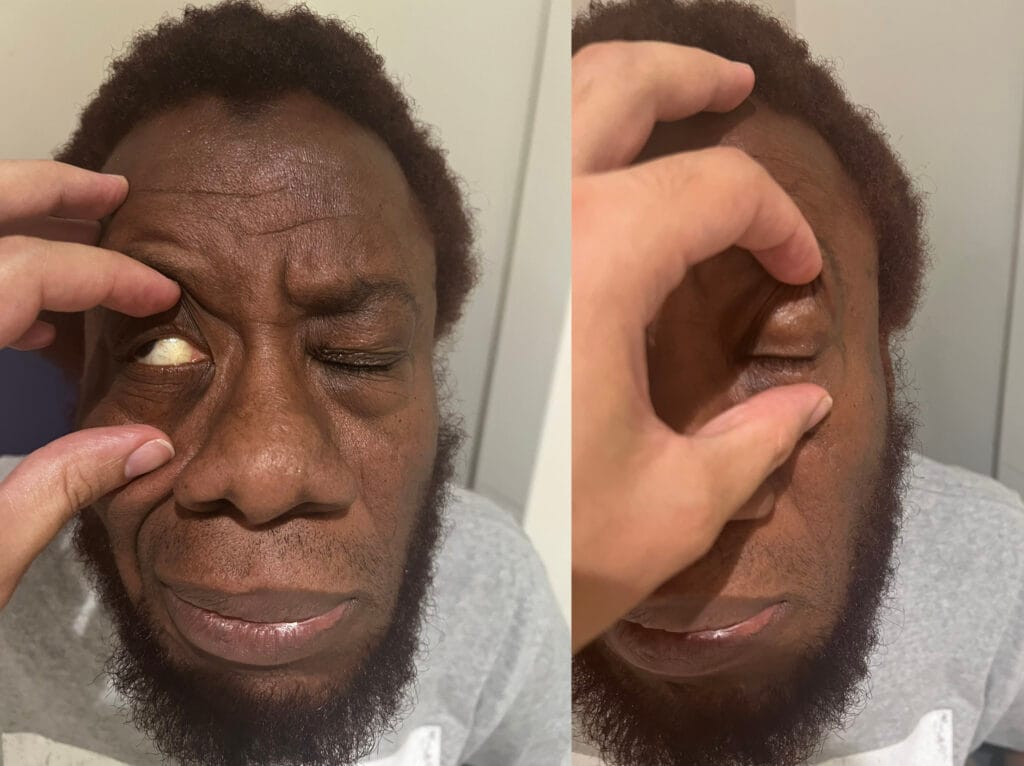
- Eyes: dry eyes, xerostomia, episcleritis, scleritis, conjunctival pallor (anaemia)
- Vasculitis: nail-fold infarcts, scleritis, leg ulceration
- Lungs: auscultate for crackles (ILD), pleural rub/effusion, bronchiolitis obliterans, Caplan’s; perform lung examination fully if indicated
- Cardiovascular: screen for pulmonary hypertension, ILD-related cor pulmonale
- Abdomen: palpate for splenomegaly (Felty’s syndrome)
Viva presentation template: “This lady has a peripheral symmetrical deforming polyarthropathy with palmar erythema, small muscle wasting and DIPJ sparing. There was [no] active synovitis. The presence of nodules suggests seropositive RA. Hand function was preserved/restricted by deformity and weakness. With regards to treatment there was evidence of surgical scars and steroid usage. There was no evidence of carpal tunnel, ocular, cardiovascular, pulmonary, gastrointestinal or neurological involvement.”
3. Specific Investigations
Bloods
- FBC: anaemia (chronic disease, Felty’s, methotrexate myelosuppression, GI bleeding from NSAIDs), raised platelets
- U&E: NSAID nephropathy, renal vasculitis, amyloid; monitor DMARDs
- LFTs: low albumin (disease activity); methotrexate and leflunomide monitoring
- ESR / CRP: raised in active disease
- Clotting
- Rheumatology-specific:
- RF — positive in 70–80%; severe disease, extra-articular features and nodules; not specific (positive in 5% of normal population)
- Anti-CCP — positive in ~60%; more specific; indicates severe erosive disease
- ANA — positive in ~30%; if positive consider scleroderma screen (anti-centromere, anti-Scl-70, anti-RNA polymerase, immunoglobulins)
- SLE screen if suspected — C3/C4 complement (reduced), anti-dsDNA, ENA
- ANCA — usually negative in RA
- Complement — normal or raised in RA
Urinalysis
- Urine dipstick and PCR — proteinuria or haematuria: renal vasculitis, amyloidosis, urine infection (myelosuppression), interstitial nephritis (NSAIDs)
Imaging
- X-ray hands and feet: reduced joint space, periarticular osteopenia and erosions, deformities, soft tissue swelling
- USS / MRI joints: detect early synovitis and erosions not seen on X-ray
- CXR ± HRCT chest: ILD, pleural effusions, pulmonary nodules, bronchiolitis obliterans, Caplan’s syndrome; + pulmonary function tests
- MRI cervical spine: if signs of myelopathy (atlanto-axial subluxation)
- Renal USS: if renal involvement suspected
Other
- Nerve conduction studies: if carpal tunnel syndrome suspected
- Synovial fluid: inflammatory WCC 5,000–50,000; raised protein; low glucose; culture negative; no crystals
- ECG and echocardiogram: if cardiovascular involvement suspected (pericarditis, pulmonary hypertension)
4. Management
General Principles
- Multidisciplinary team: rheumatologist, specialist nurse, pharmacist, OT, physiotherapist, podiatrist, orthotist, dietician, psychologist, orthopaedic surgeon
- Education and support: NRAS (National Rheumatoid Arthritis Society), Arthritis Research Council leaflets, hospital patient information
- Treat early: within 3 months of symptom onset; treat to target (low disease activity / remission)
- Monitor disease activity: DAS-28 score; functional status: HAQ
Occupational Therapy & Physiotherapy
- Splints, resting and working
- Adapted cutlery (large handles), key grips, jar openers, long-handled aids for picking up objects
- Community OT: bath seats, shower rails, home modifications
- Physiotherapy: muscle strengthening, joint protection, preserving function
Pharmacological
- Analgesia: paracetamol, codeine, COX-2 inhibitors
- NSAIDs: with PPI gastroprotection
- Steroids: short-term oral prednisolone or IM/intra-articular; provide bone protection (bisphosphonate + calcium/vitamin D) if >3 months; DEXA scan if any previous fragility fractures
- First-line DMARDs: methotrexate + sulphasalazine ± hydroxychloroquine (triple therapy) or methotrexate + leflunomide
- Biologics (if persistent high disease activity after ≥2 DMARDs including methotrexate):
- Anti-TNFα: infliximab, adalimumab, etanercept
- Anti-CD20: rituximab (if ≥1 anti-TNF failure)
- Anti-IL-6: tocilizumab
- T-cell co-stimulation blockade: abatacept
- JAK inhibitors: baricitinib, tofacitinib
- Cardiovascular risk management: statins, antihypertensives, smoking cessation
- Vaccines: influenza, pneumococcal, hepatitis B — especially before biologics
- Monitor for: osteoporosis, infection, lymphoma risk
Key DMARD Side Effects & Monitoring
- Methotrexate: hepatitis, cytopenia, pneumonitis/ILD — FBC + LFTs every 2 weeks then every 1–3 months; men: 3-month washout before conception; women: 6-month washout, avoid in pregnancy and breastfeeding
- Hydroxychloroquine: retinopathy, visual disturbance — baseline visual acuity and annual eye checks
- Sulphasalazine: hepatitis, rash, discolouration of sweat/urine — FBC + LFTs every 2 weeks for 3 months then every 3 months
- Leflunomide: hepatitis, myelosuppression, rash — FBC + LFTs every 2 weeks then every 2 months
- Azathioprine: cytopenia, oncogenicity — FBC + LFTs every 2 weeks then every 3 months
- Ciclosporin: renal impairment, hypertension — FBC, creatinine and BP weekly then monthly
- Cyclophosphamide: haemorrhagic cystitis, interstitial nephritis — FBC and urinalysis monthly
- Corticosteroids: weight gain, bruising, fluid retention, diabetes, osteoporosis, cataract, glaucoma — bone density measurement and bone protection for all patients on >3 months of steroids
- Gold: rash, eosinophilia, cytopenia — FBC and urinalysis before each injection
Surgical
- Joint replacement (arthroplasty) — hip, knee, MCP joints
- Joint fusion (arthrodesis)
- Synovectomy
- Tendon transfer; carpal tunnel decompression
- Atlanto-axial stabilisation if subluxation threatens the spinal cord
Rheumatoid Arthritis Cheat Sheet
| Domain | Summary |
|---|---|
| Pathology | Chronic systemic inflammatory disorder; synovium is the primary autoimmune target; leads to cartilage destruction, erosions and deformity; associated with HLA-DR4 |
| Epidemiology | Prevalence ~1%; female predominance (3:1); peak onset 40–60 years |
| ACR/EULAR 2010 Criteria | Score ≥6/10: joint involvement (small joints score higher), serology (RF or anti-CCP positive), acute phase reactants (CRP/ESR raised), symptom duration ≥6 weeks. Suspect if ≥3 joint areas, MCPJs/MTPJs involved, EMS >30 min, symmetrical pattern |
| Joints Involved | MCPJs, PIPJs, wrists, knees, shoulders, MTPJs, ankles, C-spine, elbows — DIPJs characteristically spared (contrast with OA and psoriatic arthritis) |
| Extra-Articular Features |
Skin: palmar erythema, nodules (20–35%, seropositive disease), vasculitis, Raynaud’s, pyoderma gangrenosum Eyes: (epi)scleritis, keratoconjunctivitis sicca, scleromalacia perforans Cardiac: pericarditis, effusion, accelerated IHD, conduction defects, heart failure Resp: pleuritis, nodules, ILD, bronchiolitis obliterans, Caplan’s syndrome, methotrexate pneumonitis Haem: Felty’s syndrome (splenomegaly + neutropenia ± thrombocytopenia), lymphoma, anaemia Neuro: carpal tunnel, peripheral neuropathy, mononeuritis multiplex, atlanto-axial subluxation Renal: glomerulonephritis, amyloid MSK: osteoporosis |
| Differentials |
• Psoriatic arthropathy — asymmetric oligoarthritis predominantly at DIPJs; variants include arthritis mutilans (telescoping/opera-glass deformity), spondyloarthritis (sacroiliitis/spondylitis); nails: pitting, onycholysis, hyperkeratosis of nail plates; skin: erythematous well-demarcated circular plaques with livery scale over extensor prominences, trunk, scalp and intragluteal cleft; dactylitis • RA descriptive vignette — symmetrical deforming polyarthropathy affecting small joints of hands; spindling of fingers from soft tissue swelling at PIP and MCP joints; DIPJs spared; generalised wasting of small hand muscles; ulnar deviation from MCP subluxation/dislocation; nodules at elbow extensor tendons and palm; warmth, pain and swelling indicate active inflammation • SLE / Jaccoud’s arthropathy — butterfly rash sparing nasolabial folds, scarring alopecia, reduced C3/C4, anti-dsDNA • Polyarticular gout — MTP joint classically; risk factors: diuretics, diet, alcohol • Seronegative spondyloarthropathies — ankylosing spondylitis, reactive arthritis (HLA-B27) • Nodal OA — Heberden’s (DIPJ) and Bouchard’s (PIPJ) nodes, DIPJ involvement • Systemic sclerosis / CREST — microstomia, telangiectasia, sclerodactyly, nailfold capillary dilatation, atrophy of fingertips, digital ulceration |
| Key Investigations | RF (70–80%), anti-CCP (60%, more specific), ESR/CRP, FBC, ANA; X-ray hands/feet (erosions, periarticular osteopenia); USS/MRI joints; urinalysis; CXR ± HRCT; MRI cervical spine if myelopathy; NCS if carpal tunnel suspected |
| Management | MDT; treat within 3 months; methotrexate ± sulphasalazine/hydroxychloroquine + short-term steroid + NSAIDs; treat to target (DAS-28); biologics if ≥2 DMARDs fail; OT aids and physiotherapy; gastroprotection and bone protection; manage CV risk; surgical options for refractory disease |
☐